Manafonistas

on life, music etc beyond mainstream

You are currently browsing the blog archives for the month März 2019.

Archives: März 2019


Die hier sichtbare Ahnenreihe präsentiert alte Meister der Unterhaltungsmusik, die vor Jahrhunderten schon mit heiteren und nachdenklichen Stoffen das Gemüt in Schwingung versetzten. Alte Gassenhauer gibt es hier, auf dieser Schallplatte, zuhauf, von niemand anderem inszeniert als einem weiteren Maestro der U-Musik des 20. Jahrhunderts. James Last wusste  natürlich, wie sehr die alten Schinken einst in höfische Rituale eingebunden waren, und stets viel ernster als nötig dargeboten wurden. Alles wollte ergriffen und erlöst sein, und ein seltsamer Verehrungszirkus  wurde diesen alten Entertainern zuteil. Selbst die religiösen Wallungen hatten etwas Zirkusreifes. Nun, die Altvorderen nahmen das gerne in Kauf, und fabrizierten manch kommerzielle Nummer für grosse und kleine Orchester. James Last hat diese Verklärung in den Sechziger und Siebziger Jahren des vergangenen Jahrhunderts aufs rechte Mass gestutzt, und die Oldies aus heiligen Hallen herausgelockt. Endlich konnte man sie lustvoll goutieren, zu den angesagten Longdrinks jener Jahre, zu Apfelkuchen und Käsefondue, zum Grill im Garten, zum Bier in der Bar. Die Bundesrepublik erlebte den Boom der Hollywoodschaukel. Und einen nie zuvor vernommenen, neuen Glanz seidiger Streichinstrumente. Erst jetzt erkennt man, wie subversiv die Musik von James Last war. Ein einziges, frohgemutes Sockelstossen.

2019 8 März

„Mein Leben im Dimensionsloch“

| Filed under: Blog | RSS 2.0 | TB | Comments off


Ich habe unter den Schriftstellern stets besonders die Phantasten – neben den Schöpfern grosser Kriminalliteratur, ob es Julio Cortazar ist / war,  H.C. Artmann (ich warte noch auf den Roman, der sein ungeheuerliches Leben erzählt), oder Stanislaw Lem. Der grandiose Heinrich Steinfest ist ein Zwischengänger zwischen Thrill und Parallelwirklichkeit, wie in alter Zeit ein E.T.A. Hoffmann, oder Jean Paul, dessen „Siebenkäs“ mich einst verzauberte. Und vor Jahr und Tag versank ich an der deutschen Nordsee in einer Prachtausgabe dieses Buches, aus dem ich zwei Seiten abfotografierte, 700 Seiten lang, und alles Cinemascope. Wie sagte doch Deus X. Machina: „Das Leben ist zu kostbar, um es dem Schicksal zu überlassen.“


2019 8 März

Als der Pilzforscher auf den Baum kletterte (1)

| Filed under: Blog | RSS 2.0 | TB | Comments off

Es gibt seit 2016 in den USA die ersten zertifizierten Therapeuten, die mit psychedelischen Drogen arbeiten dürfen. Aber noch ist nicht  klar, wie sich die Liberalisiierung der Psychedelik-Forschung alltagspraktisch auswirken wird. Natürlich gibt immer noch zahllose gute Therapeuten bzw. Psychonauten, die im Untergrund arbeiten, und einen unschätzbaren Beitrag zu Michael Pollans Buch geleistet haben. Das ist eben nicht das Aufflammen alter Hippie-Träumereien, die in den letzten zehn, zwanzig Jahren neue Horizonte geöffnet haben, sondern solide wissenschaftliche Forschung.

Wenn man das Buch liest, ist man bald im Bilde, dass der Konsum von LSD zwar nicht annähernd die Gefährlichkeit besitzt wie Heroin oder, bingo, Alkohol (in bestimmten Aspekten jedenfalls, Freunde von „in vino veritas“ mögen kurz einhalten ), aber in den Händen übermütiger Teenager, schwieriger Typen und narzisstischer Persönlichkeiten schon leicht aus dem Ruder laufen kann (Tendenzen zu psychotischen Erkrankungen sind ohnehin erste Kontraindikation). Der Rahmen muss stimmen, der Stoff sowieso, und ein wahrer Experte, ein erfahrener Psychonaut, dem alle Selbstherrlichkeit fremd ist, sollte in der Regel mit von der Partie sein. Begleitend, unterstützend, nacharbeitend.

Auf jeden Fall wird jeder, der das Buch liest, den Kopf schütteln, wie erfolgreich damals, als Timothy Leary es masslos übertrieb mit seinem Sendungsbewusstsein, diese Droge dämonisiert wurde. Auch Ayelet Waldmans fundiertes Werk über das „micro-dosing“ von LSD leistet hier Anschauungsunterricht.


Michael Pollan breitet Gegen Ende seines Buches die Ähnlichkeiten aus, zwischen der Empfindungswelt des Kindes und der eines LSD-Reisenden. Der magische Realismus der „Young Philosophers“ (so der Titel eines Buches über die besondere Welt ganz junger Erdbewohner) ist mehr als eine provokante These, und ich betrat wohl gerade die Schwellen zur Vernunftwelt, mit all ihren traurigen Restriktionen, als „Sgt. Pepper“ Seelennahrung wurde. Kurz nach Erscheinen hörte ich die Platte rauf und runter, vormittags, drei Wochen lang, in der ersten Hälfte der grossen Ferien im Sommer. War ich elf, war ich zwölf? Ich futterte dazu eimerweise „Honig Pops“ – „oh, honey, oh, sugar sugar!“ Und das Album, bei dem mich, klappte ich es auf, die „Fab Four“ mit hellwachen, strahlenden Augen anblickten, befeuerte all meine noch existenten magischen Empfindungsströme, mit immenser Lebensfreude und Entgrenzung (obwohl ich in jenen Sommerwochen wohl tatsächlich mal nicht in eine nahe oder ferne Schöne verliebt war).

Ich war komplett umrauscht, und bis heute hat Sgt. Pepper nicht aufgehört, mich aus eingefahrenen „patterns“ zu katapultieren, und es ist ein direkter Kanal in meine „Kind-Welt“. Aber eben nicht im Sinne realitätsflüchtender Regression. Die Geschichte vom Pilzforscher auf dem Baum sei ein anderes Mal erzählt, das hier ist ja auch  erst der erste Teil einer kleinen Serie. Das Buchcover, das bereits Ihre Aufmerksamkeit gewonnen hat, ist ein wunderbarer Trip jenseits der Schwärmerei, auch wegen seiner historischen Genauigkeit und Detailtreue, und ich empfehle es sehr. Nach Pollan. Und natürlich nur den Zeitgenossen, für welche die Musik, die sich zwischen Hamburger Nächten und einem Hochhaus in London ereignete, lebensbegleitend war und ist.

The deeper you go, the higher you fly.

Dieser Satz ist mit Vorsicht zu geniessen, aber weit über Zeitgeistdokumente hinaus behält er sein Quantum Wahrheit. 

2019 8 März

Life of Josh

| Filed under: Blog | RSS 2.0 | TB | 1 Comment

„I have a feeling Steve Tibbetts’ Life Of will henceforth be viewed as a towering achievement, the one that put him in the pantheon for good. It may not happen this week, next year, or even this century. But it will sit comfortably in my house right next to the late Mark Hollis’ work with Talk Talk’s Spirit of Eden, Laurie Spiegel’s The Expanding Universe, La Monte Young’s The Well-Tuned Piano, Terry Riley’s A Rainbow in Curved Air, Radiohead’s OK Computer, and Miles Davis’ In A Silent Way, alongside any number of defining works that established the artist as a stealth maverick, a creative genius, a singular voice.“


You may think this is a review. It is not. it is a story, part of a story. It‘s the part that looks like a review. For Uli Koch and me, „Life Of“ has been the album of 2018. Fair to say, it will soundtrack the life of some people. For example, it had a profound effect on Josh. Personally, I don’t believe in „the pantheon“, but on a certain level, he is absolutely right. His essay comes with a required caveat that listening to healing music should not serve as a substitute for regular checkups with medical professionals. You may want to read this in a quiet moment. (m.e.)


Josh Rosenthal is owner of Tompkins Square label, based in San Francisco, and author of ‘The Record Store of The Mind’. His label has received eight Grammy nominations, most recently for Sonny Clark Trio: The 1960 Time Sessions.


long version


Oft wird gesagt, man könne Äpfel und Birnen nicht miteinander vergleichen. Das stimmt nicht. Ich kann es. In meinem Freundeskreis gibt es eine Person, die keine Äpfel isst wegen einer Allergie. Birnen lässt sie sich schmecken. Ich weiß von lieben Menschen, die einen anaphylaktischen Schock erleiden würden wenn sie in Messiaen beißen, die an der Bar drei Caipirinhas trinken müssen bevor sie einen Sakamoto schlürfen. Ich werde jetzt Ryuichi, Mike und Daniil vergleichen. Alle drei spielen Klavier. Äpfel und Birnen sind Obst.


Ryuichi Sakamoto
 

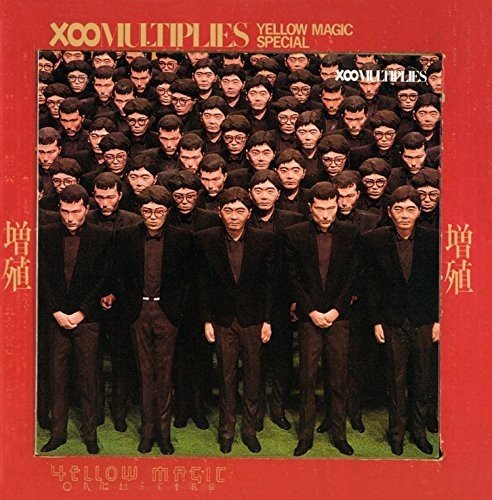
BTTB habe ich angehört, denn Gregors Rezensionen sind mir oft ein Anlass, dem Besprochenen nachzuhören. Ryuichi Sakamoto wäre eine verschwommene Erscheinung am Rande meines Klanghorizontes, würde nicht hie und da unter den Manafonistas über ihn gesprochen. Damals, kurz nach dem Erscheinen habe ich das Album X∞Multiplies des YELLOW MAGIC ORCHESTRA gekauft.


Ich fand die Musik zwar interessant, aber doch nicht hinreißend genug, um mich dauerhaft zu fesseln. Seit wenigen Jahren erst ist mein Interesse an Ryuichi Sakamoto erwacht, ausgelöst von der Musik zu The Revenant. Im Praeinternetikum ist es schier unmöglich gewesen, die vielen Facetten seiner Persönlichkeit zu entdecken. Jetzt schätze und bewundere ich seine Vielseitigkeit. Für ein piano wunderkind halte ich ihn nicht, genauso wenig das Album BTTB für ein Meisterwerk.

Haruki Murakami schrieb die Liner Notes, u.a. notiert er:

“Personal and intimate music – somebody (an anonymous somebody) sitting alone in front of the school piano early in the morning, weaving a melody, exploring harmonies.“


Sakamoto ein Musiklehrer? Ja, das auch. Es hat wohl bei NHK, dem japanischen TV, eine Reihe zur Musikgeschichte gegeben mit dem Teacher Sakamoto.

 
Commmons Schola: Live on Television Vol.1 Ryuichi Sakamoto Selections
 

In diesem Trailer spielt Ryuichi Sakamoto u.a. Maurice Ravels Menuet sur le nom de Haydn, eine kurze Sequenz aus J.S. Bachs Goldberg-Variationen und ein Duo mit dem japanischen Jazz-Pianisten Yosuke Yamashita.


BTTB

Die Assoziationen verschiedener Rezensenten – Satie, Debussy, Cage, Bach – verraten es schon: es ist eine rückwärts schauende Musik, zurück bis tief ins 19. Jahrhundert reichend, in wenigen Piècen fast an die damals verrufene Salonmusik erinnernd. Es gibt aber ein paar pfiffige Stücke. Murakamis Liner Notes evozieren zwar die Vorstellung eines entspannt improvisierenden *Somebody*. So ist es nicht. Das Album enthält überwiegend (vermutlich exakt notierte) Kompositionen. No. 6 choral no. 2 beginnt und endet als strenger Kanon zweier Akkordlinien und auch der Mittelteil ist ein vorwiegend kanonisch geführtes Bicinium. Das kann man nicht so leicht ad hoc aus dem Ärmel schütteln. No. 3 intermezzo klingt wie ein verschollenes und wiederentdecktes Intermezzo von Johannes Brahms. Es dauerte nicht lange und ich hörte das Album wie ein amüsantes musikalisches Rätsel. No. 2 sonatine erinnert an Prokofievs schalkhafte Symphonie classique. No. 7 do bacteria sleep? Maybe, Several Species of Small Furry Maultrommels Gathered Together in a Cave? Bei meinen Streifzügen durch Sakamotos Welten habe ich ganz andere Objekte angetroffen – faszinierende! Dieses zum Beispiel:


Alva Noto & Ryuichi Sakamoto with Ensemble Modern: Utp_


Mike Westbrook
 

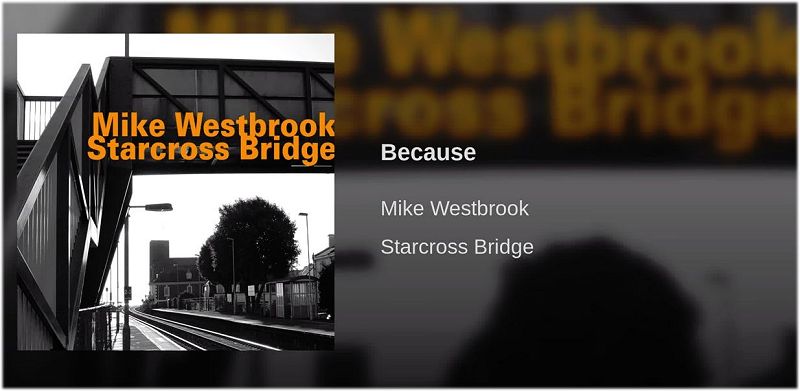
Ob jemand Mike Westbrook kennt? Vielleicht ist er der erste Arrangeur gewesen, der ein komplettes Album der Beatles für Big Band einrichtete. Als die Platte 1989 erschien, habe ich sofort zugegriffen. Schließlich handelt es sich um das von mir am meisten bewunderte Album der Beatles. Die Scheibe der Mike-Westbrook-Band trägt den Namen Off Abbey Road. Mike Westbrook ist aus meinem Sichtfeld verschwunden, nachdem ich mich satt gehört hatte. Vor kurzem ist er mir wieder begegnet mit seiner Version eines der schönsten Songs der Beatles, mit John Lennons Because.


Mike Westbrook spielt ebenfalls gerne Klavier. Er schaut nie rückwärts, auch wenn er seine Lieblinge – etwa Duke Ellington – interpretiert. Er gehört zu einer Garde von Jazzpianisten, die ohne brillantes Laufwerk brillieren mit unverwechselbarem Ton und Gestus. Er ist spröde. Wer Paul Bley mag, könnte an ihm Gefallen finden.


Daniil Trifonov

obwohl es im leben groesseres gibt als klaviermusik
gibt es im leben momente
da gibt es nichts groesseres als klaviermusik


Einen solchen Moment habe ich am 21. Februar erfahren. Dieses Ereignis hat mich mit einer emotionalen Wucht getroffen, wie wenige andere. Ich war – im „übertragenen“ Sinn – live dabei, als Trifonov einen unglaublichen Klavierabend in der Berliner Philharmonie spielte, der über die Digital Concert Hall der Berliner Philharmoniker zeitgleich vermittelt wurde. Schön, dass ich den Auftritt zusammen mit einem guten Freund erlebt habe. Da es sich nicht beschreiben lässt, breche ich jetzt ab. Das letzte Wort hat Uli.


Der fröhliche Diskurs entsteht ja, weil es eben nicht darum geht die Erfahrungen anderer zu bewerten, sondern neugierig Trittbrett zu fahren und etwas zu entdecken.


to short version


Bei den Manafonisten gibt es in der Regel ein weit gefächertes Feld der Anmutungen, was bestimmte Arbeiten im weiten Feld der Künste angeht. Äusserst heterogen die Dialoge zu dem tollen Film WHIPLASH, den unser einstiger Tulpendieb aus Amsterdam vehement attackierte. Ganz zu schweigen von dem besten Roman Martin Suters, DIE ANDERE SEITE DES MONDES, der es zu meinem Bedauern nicht in die Kategorie geliebter Bücher bei Mister Gregs schaffte. Oder Laurie Andersons tief bewegender Film über ihren musikalischen Hund – fragen Sie mal unsere Schottlandreisende nach HEART OF A DOG. Oder eben zuletzt „BACK TO THE BAR“, Sakamotos neu aufgelegtes Solopianoalbum aus dem Jahre 1999, das ich mir nur nach drei Caipirinhas schönhören kann, insofern hat BTTB schon den passenden Titel. Das Foto zeigt ein alternatives Cover für das Album, einen edel designten Weichspüler. Das Rätsel solcher Kontroversen ist, dass man dabei den Geistes- und Empfindungsraum eines Anderen betritt, und sich eine Ahnung Gehör verschafft: „Jeder ist eine Insel.“ Aber auch weiterhin werden wir die eine und andere Flaschenpost losschicken, und staunen, staunen, staunen. Und Peter Handke erwähne ich erst gar nicht, und seinen hanebüchenen Roman DER CHINESE DES SCHMERZES (ich muss ja meiner Wahrnehmung treu bleiben) –  sonst würde wieder betretene Stille herrschen, der einzige Killer fröhlicher Diskurse. Vielleicht könnten wir uns alle  auf SGT. PEPPER einigen, aber, nein, Martina hat es im Plattenschrank stehen, sie bekam diesen kosmischen Kracher irgendwann, mit vielen anderen Platten zusammen, geschenkt, und auf meine Frage, wie sie das Album finde, entgegnete sie: „Ganz nett.“ Und würde es wohl sofort gegen eine handsignierte Ausgabe von Stale Storlokkens THE HAZE OF SLEEPLESSNESS eintauschen. Und was lernen wir aus alldem, meine Damen und Herren? Da Rechthaberei peinlich ist, und jeder Kanon erbärmlich, bleibt letztlich nur, neben dem erwähnten Staunen (als bessere Variante der Fassungslosigkeit), Humor, feiner, Raum füllender, befreiendes Lachen produzierender Humor.

2019 6 März

Scottish Winds

| Filed under: Blog | RSS 2.0 | TB | Comments off

Be careful when you talk about football in Glasgow. You can insult a Rangers Fan when mentioning the game in Cologne, where they get hammered long time ago. Or, even worse, when you get Celtic and Rangers mixed up. This is not a problem for the Glasgow Band GLASVEGAS (Glas=Gaelic=green / Vegas=Spanish=meadow). Glasvegas are Celtic and Rangers. They play Scottish Rock at it’s best. Their lyrics would have brightened Kevin Coyne.


When your feet decide to walk you on the wayward side

Up upon the stairs and the downward slide

I will, I will turn your tide

Do all that I can to heal you inside

I‘ ll be the angel on your shoulder

My name is GERALDINE, I‘ m your social worker


Another band from Glasgow I am listening to since 4 days: TIDE LINES. Can’t stop humming and dancing along to such a lively and brisk tempo. What a speed of sound – mountain goats will climb at a furious rate up the hills. What an airy merriment!


For when the sun sets on the years

All the miles and all the fears

A world away from here

It’s in the morning

In my mind I see her smile

Where the tide lines grace the Isle

Cause I want to dance with a Highland girl

Where the skies reach out for miles

I want to feel the breeze of the Hebrides

ON THE FAR SIDE OF THE WORLD


I bought me a Scottish cookbook. Better to eat and drink the local food, when dancing to their music 😊. Enjoy the following meal:


5 Vegetable Paella

Ingredients:

Olive oil, 1 onion, 1 red and 1 yellow pepper, 300 gr paella rice, 1 large pinch of saffron, 2 sp smoked paprika, 1 lit vegetable stock, 150 gr green beans, 1 handful of pitted black olives, 1 jar artichoke hearts, fresh parsley, lemon wedges.

Method:

Heat a splash of olive oil in a large frying pan. Add onion and peppers. Season. Fry for about 10 minutes until softened but coloured. Add paprika and cook for a further minute. Add rice and saffron and stir. Pour over stock, bring to boil and cook over a medium high heat without stirring, for about 20 minutes, until rice is cooked. Cook beans for 3 minutes in boiling water. Add to paella with olives and drained artichokes. Scatter over chopped parsley. Serve with lemon wedges.


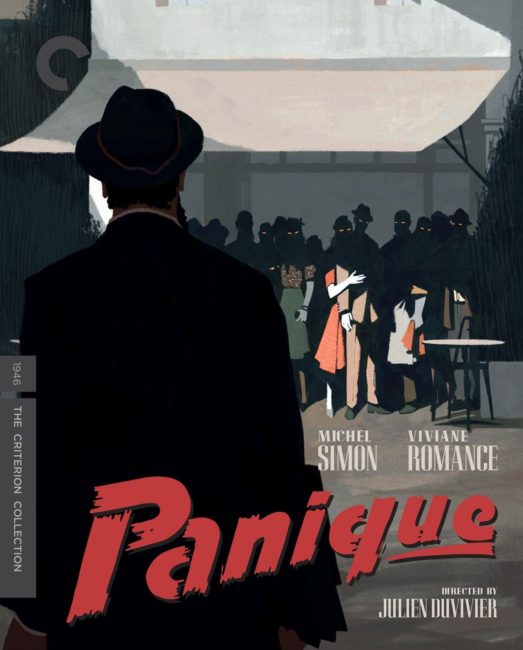
SPECIAL FEATURES


  • New 2K digital restoration, with uncompressed monaural sound­­track on the Blu-ray
  • The Art of Subtitling, a new short documentary by Bruce Goldstein, founder and copresident of Rialto Pictures, about the history of subtitles
  • New interview with author Pierre Simenon, the son of novelist Georges Simenon
  • Conversation from 2015 between critics Guillemette Odicino and Eric Libiot about director Julien Duvivier and the film’s production history
  • Rialto Pictures rerelease trailer
  • New English subtitle translation by Duvivier expert Lenny Borger
  • PLUS: Essays by film scholar James Quandt and Borger


Wer kennt nicht das Empfinden, dass auch einst gepriesene Werke der Filmgeschichte in ihrer Zeit hängen geblieben sind, und nur mehr historisches Interesse bedienen. Die Art, wie „Criterion“ alte Werke aufbereitet, ist, auch wenn es natürlich nicht durchweg funktionieren kann, ein Gegenmittel gegen solche „Ablagerungen“. Nicht nur die optische Bereinigung. Manche der Extras lotsen uns  gekonnt in eine vergangene Ära, in diesem Falle sind etwa die Interviews mit dem Sohn von Georges Simenon, und die Dokumentation über „Die Kunst der Untertitel“, absolut faszinierend. Gerne verweist Criterion auf ihre Darbietung des „uncompressed monaural soundtrack“, das ist natürlich zum Schmunzeln. Ich kannte Panique nicht. Aber beim zweiten Sehen, und nach dem zusätzlichen „Push der Extras“, konnte ich den Film mit neu geöffneten Augen erleben. Fast so, als wäre ich wieder 12 – ein guter alter Gong verrichtet seine Arbeit, ein Vorhang aus schwerer Seide öffnet sich, und schon bin ich in einer anderen Welt. In diesem konkreten Fall von Julien Duviviers „film noir“ fühlte ich mich auch erinnert an zwei meiner Lieblingsromane des Franzosen, Das blaue Zimmer und Mein Freund Maigret. Seine Romane werden gerade allesamt im Kampa-Verlag neu herausgebracht. (m.e.)


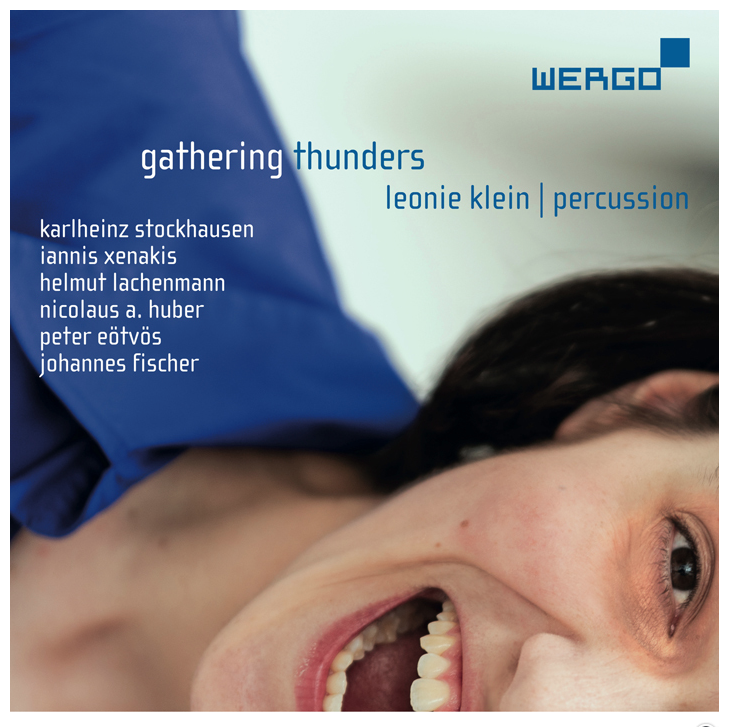
Hello Leonie, last year I had seen the SWR documentary about you, which was impressive with its balance between personal, yet not private, insights on the one hand and the more professional and performance-oriented chapters as well as the highly supportive and appreciative interview contributions from your teachers, among others, on the other. After all, it’s not common for a student or beginner to be honoured with such a detailed television portrait. How did this documentary come about?


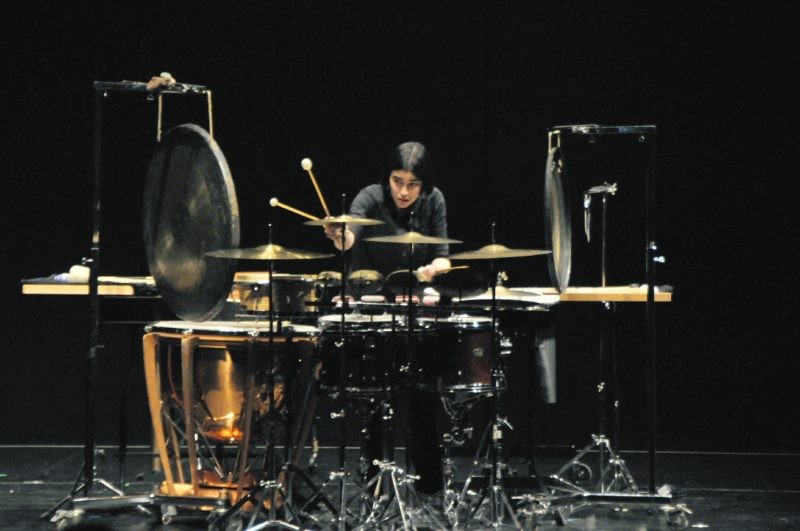
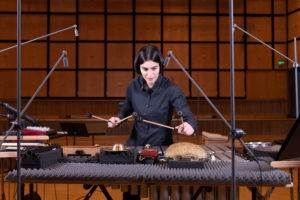
In 2015 I had a scholarship from the Zukunftsinitiative Rheinland-Pfalz (ZIRP). As part of this scholarship, I played concerts in the state of Rhineland-Palatinate (Rheinland-Pfalz) throughout the year, including at SWRlive! at Funkhaus Mainz. So I drove off with a sprinter full of instruments and was very happy to be allowed to give a concert at this kind of broadcaster. And this concert evening was simply wonderful: And not only due to the fact that they provided people to carry my instruments … ;) On this day I could see for the first time a station like the SWR from within and could experience for one day how work is done in this kind of media house. And I was so fascinated by that very experience that in the summer I did an internship in the editorial department of „Landesart“ and then went on to study „Music Journalism for Broadcasting and Multimedia“ at the Karlsruhe University of Music alongside my drum studies. Naturally, during the internship everyone always saw me as the drummer and not as the journalist, so on the last day I said goodbye with a small office concert. That was my first contact with SWR. And then about a year later I played a concert in Neuwied, where SWR2 editor Sabine Fallenstein became aware of me and offered to produce a CD a little later. And then everything came together: I produced the CD with SWR, and the editor Julia Melan was so excited about „The sound worlds of Leonie Klein“ that she wanted to make a film to accompany the CD production.
 

© Charlotte Oswald


You appear very natural in your demeanor and your statements – anything but youngstar-like affected. How much do you think about presenting yourself as an artist, as a musician in this competitive and ego-populated professional environment, or about, well, „orchestrating“ the accurate career steps?


I try to think about it as little as possible and just do what I think is the right thing to do. And fortunately, I’m usually so busy that I don’t have time to think about it. The worst thing is when you have to pretend just to be competitive, since you only want to make music.


I can easily relate to that. My studies in film directing were essentially art studies, free of market-oriented courses and lessons. That can be as good as it can be disadvantageous, depending on how you look at it. Did your teachers or mentors prepare you for all the non-artistic stuff you have to fight with when you want to stand your ground as a soloist in the „business“?


I really had to work out most of it myself and simply learn from my own experience. I was on the road a lot during my studies, gave a lot of concerts, was able to make a lot of contacts and very quickly understood that it was not enough to play well as a soloist. Thomas Höfs, my teacher for orchestral percussion at the music college (Hochschule für Musik, HfM) in Karlsruhe, has always made it clear to me that this business is very hard and that as a soloist you can not only rely on your musical skills, but you have to be always ready for anything. Yet to find the right way and then go it, I was on my own.


You’ve mentioned music journalism. Have you, during the years of your percussion music studies, been thinking about a „plan b“? Considering that solo percussion doesn’t exactly convey the glamour image often attributed to soloists on the violin or piano, one cannot avoid the question: What does one do if it proves impossible to „survive“ on what one has studied for years?


I have been working on a „plan b“ since my bachelor’s degree. Since then I have been studying not only percussion but also „music journalism for radio and multimedia“ at the HfM Karlsruhe. I will graduate in this August and I can see myself working in this profession alongside practical music making.


In addition, of course, the selection of pieces or composers offered on your first album are not exactly catchy pop tunes. For drums there is nothing like Für Elise, Moonlight Sonata or Sibelius solo concerts, all of which will always win the audience over, even if they are only played in a mediocre way. First of all: I feel that your career path is highly impressive and deserves respect. In the documentary we can see the passion and commitment you put into this music, a music that is rather odd for most listeners, even those who like „classical“ music or rhythmic music such as groovy jazz or contemporary electronic music. Stockhausen and Lachenmann, for example, are not exactly considered Germany’s most popular composers. Can you recall what it was like for you to discover these composers‘ works? Was it more a fascination with the formal or the technical – or did you immediately get emotionally involved?


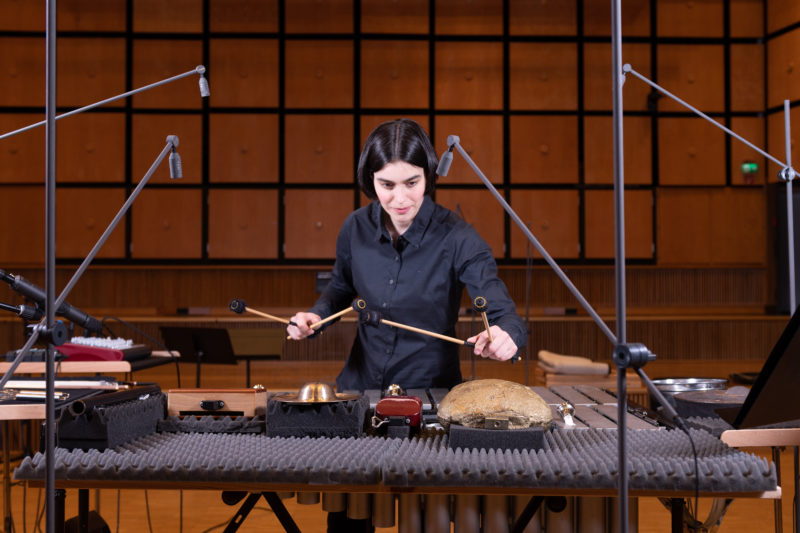
Before I entered the music college, I had only a very limited set of instruments at my disposal and the pieces by Stockhausen or Lachenmann were unthinkable for me at that time. But then I arrived at a college which opened all possibilities for me. At that time I had no idea at all about contemporary music and had to find my very own connection to it. For a year, I intensively studied Stockhausen and his work Zyklus. I read a series of books about serial music, about Musique concrète instrumentale and got to learn about the most renowned composers since the 1950s and their music. So it was more the historical/scientific approach that introduced me to this music. Then work began on the instrument: How is this music supposed to sound? As a performer, how much freedom do I have? How do I phrase this music? And that was the beginning of a very long journey, on which I myself had to understand and get to know a kind of music that somehow intrigued me, but at the same time was so difficult to play that it took a lot of discipline and perseverance to follow this route. And I have to add that deliberately I only rarely worked with a teacher because I wanted to discover music independently and not just walk in someone else’s footsteps.


The repertoire featured on your CD comprises almost entirely „big names“ – from the great master Xenakis to Stockhausen, who is often seen as a somewhat crazy megalomaniac, to Lachenmann, whose influence many contemporary composers have described as formative, to Nicolaus Huber and Peter Eötvös, who may not be known to everyone, but who are also highly esteemed among music lovers. Was there a certain narrative arc or a kind of principle of order why you chose these five composers and works – or are they simply „favourite pieces“?


Stockhausen was actually the bedrock for this CD. It was the first contemporary drum solo I have ever practiced. Next up was Lachenmann, who in Intérieur I uses a similar set of instruments, but the music is entirely different. I was fortunate to get to work with Lachenmann in person which is one of the reasons why I have a very special relation to this piece. And Psappha by Xenakis is one of the three milestones of percussion solo literature. These three works have taught me to understand contemporary music and how to perform it. They have been with me for a very long time and they mean a lot to me personally. At the same time these three works in combination are also a part of music history.


Nicolaus A. Huber’s work stands in contrast to Lachenmann: Both studied with Luigi Nono, and I wanted to juxtapose these two composer personalities on the CD. One teacher – two students – two different ideas of music. And then there is Peter Eötvös: his work should prove that, in comparison to the previous pieces, you don’t always need a large set of instruments to keep a percussion soloist busy and bring the instrument to full fruition – at times even a single timpani will do. The CD presents a cross-section of 50 years of percussion solo literature and the individual pieces could not be more different. The CD covers the whole scope of percussion solo literature and it has to be said that all these pieces have never been played by one female performer before. Obviously, they are something like my „favourite pieces“, but that’s partly due to the fact that I myself got to know percussion as a solo instrument in contemporary music from a a perspective of music history.


And what about the new work by Johannes Fischer (born 1981)? Did he write it especially for you, even for this CD – or how did the contact come about?


Johannes Fischer had already been thinking about writing a solo for a prepared vibraphone for a long time and he picked up this idea for the CD and wrote the piece down. Back then I had been looking for a new piece for the CD with a tonal reference (a piece for mallet instruments) and since there was very little time to commission a composer and I knew that Johannes Fischer was composing very accessible music for percussion, I got in touch with him.


Not being a musician myself (but having always on the lookout for new musical discoveries in all genres), I would be very curious to know what kind of music you like to listen to besides the music that is your job.


I am very much at home in classical and contemporary music. If I listen to music consciously in my spare time, it is usually in concert. When I do, I go to concert halls, theatres or contemporary music festivals. Occasionally I listen to other music such as rock, pop or jazz.


So, having finished and released the album, which direction are you heading in? Are you deliberately on the lookout for new styles, new directions – or are you going to delve even further into this direction?


I will continue to explore this direction for now. From a musical point of view it is certainly rewarding and because of the CD my name is immediately being linked to this style of music, a fact I can of course make good use of.


Which other composers‘ works do you perform currently or would you like to perform in the future?


I am currently working on a work by Joachim Krebs, Rhizom II, which is based on Steve Reich’s Minimal Music. Later this year I am going to perform Peter Eötvös‘ work Speaking Drums for percussion and orchestra, which he will conduct himself.


How about going more towards improvisation, towards playing in ensembles, towards jazz perhaps?


I must say, I do enjoy improvising. But I am well aware that improvisation entails a whole new musical world, you need time to get immersed in it, which I am currently short of.
 

© Andreas Orban


What preconceptions are you confronted with occasionally – or repeatedly – when it comes to your artistic activity?


I am often told „But this is not music you are playing“ or „Can’t you just play something nice?“ or „One can study something like that?“ But I also have to mention that I receive a lot of reactions in concerts and also now with the CD, proving that it is well worth continuing, even if there are people who disagree and don’t really understand what I am doing.


Finally, what does the album title mean to you – is this more than a play on words, simply a result of the works‘ titles?


Of course, on the one hand, it’s a word play made for the titles. On the other hand, I do like the title very much as it highlights that every single piece on the CD has a unique significance and value. Each piece has its unique character and has to be re-discovered through the listening process. Thunder is associated with a loud, noisy event at first, but it is also the quiet moments that follow the rumble. They often exist in such an unspectacular way and we rarely take notice of them. The CD is supposed to show that drums don’t always need to be fast and loud, but that the gentle sounds are just as worth listening to and with their intensity and energy can outshine the loud ones.



Manafonistas | Impressum | Kontakt | Datenschutz