Manafonistas

on life, music etc beyond mainstream

You are currently browsing the blog archives for the day Samstag, 26. Dezember 2015.

Archives: Samstag, 26. Dezember 2015

2015 26 Dez.

(short note – take 3)

| Filed under: Blog | RSS 2.0 | TB | Comments off

Dear readers, dear manafonistas! This blog (that is still quite special after all these years) will continue in its own peculiar ways. Though entropy might always be part of the game. I will travel to Northern territories of Europe soon and won’t be back before the last days of January. Be sure, I won’t do any writing here and elsewhere in the meantime, and from this moment onwards, until the last day of January.

And, well, here is something (oh, guilty pleasures!) you really don’t know about me: this is one of the few songs I like to sing in the shower (and, yes, it’s an unashamed, bittersweet echo of my endless numbered days and my „travel project“). Try it, in or out of the shower, or, if you’re part of it, in one of Brian Eno’s a capella meetings – it’s not so easy.  

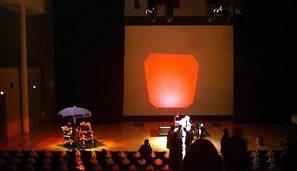
In the days before a small airplane hits the ground of the Isle of Barra (if you’re funny, call it an airport), I will have written down my last will :) – I digress. A propos „always crashing in the same aeroplane“: my email account finally crashed. Cannot reveive or send any messages that way. Will be strange later on walking through hard rain in Durness. Umbrellas will be easy pray for the wind. Long speech, short goodbye: take care, Michael. P.S.: never leave without a riddle (the photo – it’s not related to jazz musicians on a stage!), and, please, keep it unsolved! 


2015 26 Dez.

Durch’s wilde Kurdistan

| Filed under: Blog | RSS 2.0 | TB | 1 Comment


Heute auf der Kurdendemonstration in Düsseldorf fielen mir diese beiden hübschen „Kämpferinnen“ auf und der beachtenswerte Büchertisch.

Ein paar Zeilen fielen mir ein aus dem Karl May Epos:
 
„Ich habe dich lieb“, sagt Kara Ben Nemsi zu Selim.

Der antwortet: „Auch ich hab´ dich gern.“
 
Wie weihnachtssinnlich.


2015 26 Dez.

26. Dezember 2015

| Filed under: Blog | RSS 2.0 | TB | 4 Comments

2015 26 Dez.

More Rain

| Filed under: Blog | RSS 2.0 | TB | Tags:  | 2 Comments

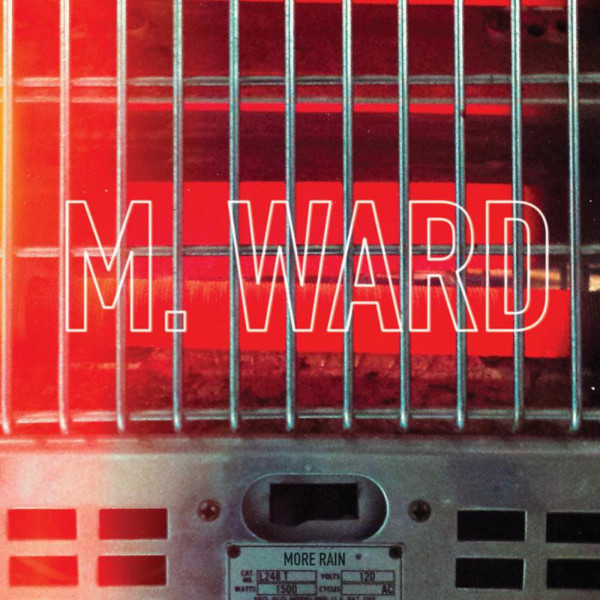
American troubadour M. Ward, a favourite singer/songwriter of some manafonistas, will return with a solo album in March 2016 titled „More Rain“. Maybe he’s similarly devoted to songs with the word „rain“ in it like (once upon a time) John Fogerty and (much later) Robert Forster. The music has (as one can read) a more up-beat quality than his early masterpieces in uninhibited yearning and melancolia. His best albums, according to Michael E., are HOLD TIME, POST-WAR, and TRANSISTOR RADIO. Martina, slightly obsessed with old cassettes, will be delighted by the cover art. M. Ward has always had a sophisticated approach to layers of sound, and subtle melodies. Lately he said in a statement, and that’s really worth reading:


„I think one of the biggest mysteries of America right now is this: How are we able to process unending bad news on page one and then go about our lives the way the style section portrays us? There must be a place in our brains that allows us to take a bird’s-eye view of humanity, and I think music is good at helping people — myself included — go to that place.“


It may be the Outer Hebrides, the Shetlands, the Isle of Skye. Films had been made there on location, the bleak landscape, the locals, their day-to-day rituals, sheep, fishing, the old folk songs in the evening. Thrillers by Ann Cleaves, comedies in post-war times linked wirh the Ealing Studios. Lately a team of young film makers appeared on scene, shot a film for a big whisky company (unofficially), beyond the mainstream of advertising a product. A great short film, not short  of melancolia, not short of breath. Let some truth sink in and chose your own drink! No reason to be ashamed of going sentimental!

Manuel Göttsching, Gitarrist, Keyboarder, Komponist, kann auf eine Karriere seit 1971 zurückblicken (es gab ihn auch schon vorher, aber nicht auf Platte). Stationen seiner Karriere sind Ash Ra Tempel, Ashra, Alben unter eigenem Namen, Zusammenarbeit mit Klaus Schulze, Steve Hillage und diversen anderen, auch als Filmkomponist hat er sich betätigt. Seit einiger Zeit gibt es ihn sogar als Wachsfigur in einer japanischen Krautrock-Ausstellung.

Der englische Bibliothekar Christian Wheeldon hat in sechsjähriger Arbeit die längst fällige Biografie geschrieben. Das sehr gut geschriebene Buch führt chronologisch anhand von Events und Plattenveröffentlichungen durch Göttschings Musikerlaufbahn. Zunächst wird im Regelfall faktenreich und sauber recherchiert die Vor- und Produktionsgeschichte geschildert, im Anschluss daran bespricht der Autor das jeweilige Album. Sympathisch, dass dabei nicht nur Göttschings eigene, sondern auch einige Werke von Wegbegleitern Göttschings berücksichtigt werden; etwa das Soloalbum Synthesist des Drummers Harald Großkopf, das längst vergessene Projekt Central Europe Performance oder Lutz „Lüül“ Ulbrichs Arbeiten mit Nico.

Klar sein muss man sich darüber, dass hier ein Fan schreibt. Das merkt man seinem Urteil nicht selten ein bisschen zu deutlich an. Ohne Frage hat Göttsching viele gute Platten gemacht, aber wie es in einer über 40-jährigen Karriere nicht anders sein kann, sind auch weniger gelungene Einspielungen zu verzeichnen. Das hätte man gelegentlich dann auch gern so gelesen. Bei Wheeldon ist das alles „masterpiece“, „genius“, „incredible“, auch „legendary“ taucht viel zu oft auf, und immer wieder werden als Vergleichsmaßstab Philip Glass, Steve Reich und Terry Riley genannt — über den letzteren würde ich ja noch mit mir reden lassen, aber Glass, und erst recht Reich, spielen nun wirklich in einer anderen Liga.

Ein anderer kleiner Haken des Buches sind häufige Übersetzungsfehler aus dem Deutschen, weil Wheeldon Wortspiele oder Mehrfachbedeutungen von Begriffen nicht versteht. So hat Göttsching etwa, um ein Beispiel herauszugreifen, einem kleinen Fluss bei Leipzig namens „Mulde“ eine musikalische Beschreibung gewidmet, deren letzter Teil mit „Zerfluss“ betitelt ist. Klar, dass man diese Wortschöpfung nicht direkt übersetzen kann, aber beschreiben zumindest könnte man sie. Wheeldon jedoch setzt sie mit „Zufluss“ gleich, übersetzt den Titel mit „Inflow“ und verfehlt damit das eigentlich Entscheidende. Dergleichen findet man in englischen Büchern zum Thema Krautrock leider sehr häufig.

Bleibt noch darauf hinzuweisen, dass das Buch, wohl um die Kosten niedrig zu halten, in einer sehr kleinen und noch dazu serifenlosen Schrifttype gesetzt ist. Das macht das Lesen für alte Knacker wie mich schlicht zur Tortur.

Das ist allerdings alles, was es an dem Buch auszusetzen gibt. Ohne sich je in alter Krautrockseligkeit zu ergehen, macht die Lektüre Lust, die alten Platten wieder auszugraben, darüber aber auch die neuen nicht zu vergessen. Einige Webseitenempfehlungen und ein sorfältig erstellter Index runden das Buch ab.


Christian Wheeldon
Deep Distance – The Musical Life of Manuel Göttsching
King’s Lynn, GB 2015
ISBN 978-1-91069324-7
There are only five female voices in the world I blindly trust: Joanna Newsom, Rickie Lee Jones, Laurie Anderson, Sidsel Endresen and Lucinda Williams. „The Ghosts of Highway 20“ is Lucinda at her best simply meaning she obviously can’t do just okay albums. Being full of blasts from the past, and some real darkness at the edge of towns, two or three of these songs would perfectly fit the atmospheres of Rod Reynolds‘ thriller „The Dark Inside“, winner of the „Mana Thrill Factory Prize 2015“. If you are in the mood for a brilliantly executed story from the days of old (Arkansas / Texas 1946), well, just start losing yourself in it. The company, „Faber & Faber“ wants to push the debut a bit with a small „stamp“ on the cover, „For Fans of True Detective“, and that’s fine with me. Intense, breathtaking, no post-modernism required!

Film music is a highly interesting field for composers who can leave their well-known ways of composing and let themselves being guided by moving pictures. Komeda was great in that, Morricone, and you can name some more creative minds without thinking too much. Miles doing Louis Malle just comes to mind. Angelo Badalamenti’s work for „Twin Peaks“. But who knows Russian dude Mikael Tariverdiev?

I didn’t: So I was even more surprised listening to the three lp/cd-box „Film Music“. The man from Russia has not been part of any avantgarde, but he works within a broad palette of styles that mixes – amongst other styles – spheres of Classical Russian music with strains of folk that make you think: oh, well, this man has written tunes for the Russian „version“ of Paolo Conte (long before Conte became famous, by the way). Coincidencies. Affinities.

Declaring a book about a record as „philosophica of the month“ may seem far-fetched. But the best philosophy books open up horizons, letting you stop in your tracks, test well-trodden paths of our own thinking. In that respect George Grella Jr.’s take on Miles Davis‘ classic „Bitches Brew“ (on 33 1/3, again) does exactly that: revealing the chemistry of a game-changer in highly interesting ways. No „smart Alec“-modus operandi! Purists had been full of resentment when the double album saw the light of day (with a decent shock value-guarantee for cover art a.D. 1970): for them „Bitches Brew“ really was a „bitches brew“ – the rock, the funk a sell-out for the narrow-minded – how wrong they were!


Manafonistas | Impressum | Kontakt | Datenschutz