Manafonistas

on life, music etc beyond mainstream

You are currently browsing the blog archives for the month August 2012.

Archives: August 2012

2012 9 Aug.

Lee Hazlewood: A House Safe For Tigers

| Filed under: Blog | RSS 2.0 | TB | Comments off

Regarded as one of his more obscure albums, this is the soundtrack to one of the many television movies Hazlewood made as a recluse in early-’70s Sweden. Directed by his friend Torbjörn Axelman, A House Safe for Tigers is accompanied by some of his strongest material. Filmed in documentary style, the movie finds Hazlewood and Axelman embarking on a nostalgic trip through their childhood days and contemplating the meaning of life. True, most viewers with a general education might be hard-pressed figuring out any meaning whatsoever, since considerable parts of A House Safe for Tigers are spoken in Swedish and sometimes even recited in Latin. Hazlewood makes up for this by offering some marvelous anecdotes, completely in line with his songwriting skills. The story about the bum who one day visited his parents‘ house and helped a youthful Hazlewood to get rid of his stutter is especially insightful. The movie derives its title from Swedish folklore, wherein everyday life is kept safe from „tigers“ (problems, misfortune) by the peculiar practice of throwing flowers around the house. Cultish pretensions left alone, the accompanying soundtrack to A House Safe for Tigers could be viewed as the mirror image of 1973’s sublime Poet, Fool or Bum. While the latter partly dealt with Hazlewood’s hectic experiences touring the Las Vegas circuit in the early ’70s, the former focuses on enjoying his laid-back, newly found life in Sweden. There’s a beautiful ode to Gotland, the island Hazlewood fell in love with during the shooting of the television movie Cowboy in Sweden. Its breathtaking orchestral arrangements and never-ending fade-out lends „Souls Island“ an epic quality. Axelman’s words to a second version even add further fuel to the myth of the „cowboy in Sweden.“ Next to it there’s a mixture of old songs (curiously, a version of the Shacklefords‘ „Our Little Boy Blue“ is included here) and a couple of new ones of which the bravado of „Lars Gunnar and Me“ and the moving title song are worth mentioning. The music and images of Hazlewood singing to Axelman’s family, running the Gotland marathon, and convincing Swedish children to take sides against Nixon turn both movie and album into a celebration of the enduring friendship between artist and director. – stolen text, lost the source, but this record is so beautiful, and the author of these lines offers some valuable insights about the man who, among other achievements, made Nancy Sinatra famous.

(source: unidentified, probably: Uncut)

2012 8 Aug.

Bald in den Kinos: David Mitchells WOLKENATLAS

| Filed under: Blog | RSS 2.0 | TB | Comments off


Double 140g vinyl release on Sofa Records (SOFALP539).

All music by Streifenjunko recorded 2011/2012 at Kolbotn kirke
Recorded, mixed and produced by Streifenjunko
Mastered by Helge Sten at Audio Virus LAB

Video stills by Kjell Bjørgeengen
Sleeve design by Rutger Zuydervelt

Liner notes by Jim Denley:

(How can music that resists meaning, seemingly as pure as Sval Torv have implications beyond it’s realm?)

In a radio program I made last year, sound theorist Caleb Kelly opinioned that we were in a period of recycling, that there wasn’t much new music around. I was nervous about his assertion, and I’ve been mulling over it since. It strikes me that in the methodology employed to make music of ambition, (and surely 2 LPs of music for sax and trumpet is ambitious), the fact that we accept, without much thought, that it can be collectively authored, is a quiet, major revolution.

Most music histories of the first half of the twentieth century could look like a list of heroic individuals – Stravinsky, Russolo, Satie, Armstrong, Webern, Varese, Artaud, Cage, Parker, Feldman, Dylan, etc. But about 50 years ago bands start seriously complicating the way we think about composing – various John Coltrane bands, The Scratch Orchestra, the Art Ensemble of Chicago, the Beatles, AMM, Miles Davis bands, The Necks all produced music of ambition that can’t be explained by a theory of individual creators.

Streifenjunko’s Sval Torv continues a thread running through the best music of the last 50 years – in our first contact, we process the sound simply as material. Before we unravel the systems organizing the sounds through time, we’re overwhelmed by the sensuality of the trumpetsax environment.

The breathtaking precision Espen and Eivind bring to their microscopic scan of shifting breath/harmonies, creates an engaging surface. But underlying the oscillating, clouding tones, pulsing vibratos and calibrated poppings there are appropriate systems and structures – this is carefully crafted music on many levels, and as the discs unfold one perceives that a theme is examined from different perspectives. So, after my initial engagement with surface, what tantalises me is not what the structures are, but ethics – how do they arrive at consensus about form? That question implies an adversarial model for making music collaboratively. (Revealingly ‚collaborate‘ is what we do with the enemy). There is another way of looking at the issue.

There’s magic around great bands, and with this recording, my fascination is not just about the music, as beautiful as that is, but the collective itself.

If I were to think of work, any sort of human endeavour, that examples collectivity and displays trust, I couldn’t go beyond Sval Torv. Streifenjunko reveals in a most intimate and touching way – we hear exceptional respect between two men – we hear rich time spent developing together.

Their only notation is recording. They tell me – they handled the recording themselves, that they experimented with space and microphone placement – that they tried capturing this material a number of times, and each time, until now, were unsatisfied – that they don’t talk much about the structures and systems – that playing and listening back is their compositional tool.

Created is a saxtrumpet traversing materiality – a trumpetsax never split, one part never isolated from the other – no counter to their points – a symbiotic relationship, more than the sum of the bodies. (And unlike much twenty first century music, flesh is not denied – no cyborgs here.) We experience the intertwining as a new body – a new body, and consequently a new mind.

Much of the morphology of the music, is then generated by shared consciousness. Their sounds are not tacked onto a predetermined framework – form emerges from process.

Perhaps Sval Torv is a throwback – an anachronistic luddite antidote to the rampant i-ism of our age. Or, I’d argue more positively, it’s a harbinger of future endeavours – that Streifenjunko’s utopia is the latest mutation in the remarkable evolution of collectively authored music, a model which is cogent for making the new dialects and creoles of today’s and tomorrow’s musics, (and not just musics).

Close


Eine feine, zum Glück nicht typisch sonnendurchflutete, vielmehr überraschend raue Reggaeplatte ist Jimmy Cliff mit REBIRTH gelungen. Mindestens zwei Songs weisen direkt auf alte Zeiten von Clash und dem viel zu früh gestorbenen Joe Strummer, dessen Radiosendungen bei der BBC heute noch ihre Zeitlosigkeit im Netz beweisen. In eInem Interview wurde der unverwüstliche Jimmy Cliff zu seinem alten Freund befragt:

It seems like a part of this new record is a tribute to your old friend Joe Strummer.

The last song that he recorded in the studio was a song called „Over the Border,“ with me. He just walked into the studio and said „I have some lyrics, and I hear Jimmy Cliff singing these lyrics.“ I was doing the album with Dave Stewart and Dave said, „Well, how does the melody go?“ And he said, „I don’t have a melody. I just hear Jimmy Cliff singing these lyrics.“ So Dave took up his guitar and started playing some chords, and I came up with the melody and we put the lyrics together. Joe was one of the stalwarts of social justice expression in his music, so I felt like I really had to lift my hat to him this time.

Dear friends – hope you are all well? Some news – I have a new web site and address – on it you will find a page dedicated to my latest project „Walking In Ubin“ which i recently completed as a response to a month as ‚artist in residence‘ on Pulau Ubin – a small island close to Singapore as guest of The Artists Village group based in Singapore.

You will find a free audio download / a video and copious notes and links to other relevant sites and information.

Hope you have time to spend there and find it enjoyable and informative. I welcome feedback of any kind.

Mike Cooper


„Walking In Ubin“

Free Download mp3 „Sound Files“

Vimeo Video

www.cooparia.com


… ”Not quite Delta and not entirely free, he mines a sort of netherworld of sampled loops and hypnotic rhythms to create a garage sale of music. Let’s call it post space-age folk music.” – Radio Paradise Review – Is It Jazz?

2012 5 Aug.

Alasdair Roberts – „Farewell Sorrow“

| Filed under: Blog | RSS 2.0 | TB | Tags:  | Comments off

Raise me high, raise me high,
That I may see my fallen kindred seated.
Who met with death upon the battlefield,
Who, in the end, fell and were defeated.

And the way they were tricked by death,
Betrayed, betrayed, leveled and mistreated.
I’ve stuck a knife in a man for less,
But Death is not so easily defeated.

And you can pray, pray and pray for Life.
But know my friend, my dearest friend, please know this,
That Life is but Death’s own right-hand man.
In every piece of his own left-hand business.

So, arm in arm, we’ll run toward that pair
And, we as they, join them double-threaded
And, arms flung wide, we’ll run towards that pair
And never fear that which once we dreaded.


„Farewell Sorrow“ (Video) – performed by Alasdair Roberts


Zum Beispiel die Neue von James Yorkston. Die wurde hier nicht zum ersten Mal erwähnt, und doch hat sie noch kein Manafonista gehört, vielleicht Ian in Glasgow, aufgrund seiner möglichen Kontakte zu schottischen Zirkeln oder den Nachfahren von Nick Drake, Bert Jansch und John Martyn. Manche Folkies, und James gehört gewiss dazu, bewegen sich in dieser alten Tradition, ohne bloss das Erinnerungsselige in uns zum Klingen zu bringen wie etwa, sagen wir mal, das lang zurückliegende, erste Hören einer Platte von Fairport Convention.

Nein, neue Werke solcher Cracks wie James Y., King Creosote, Alasdair Roberts, The Unthanks (manche Cracks sind weiblich), Sam Lee usw bringen die Schwingung des Uralten in eine seltsam drängende Gegenwärtigkeit. So singt James Yorkston auf seiner neuen Platte (ich lese das in ersten Rezensionen auf anydecentmusic.com, solche „reviews“ wecken die Neugier, wenn sie gut sind, die eigenen Vertrautheit mit einem Künstler mischt sich mit der Fremdwahrnehmung des einem selbst noch Unbekannten!) von den Problemen einer Langzeitbeziehung (was schon sehr lebendig rüberkommen muss, um nicht im Einerlei des Problemalltags zu versinken), oder von der Zeit einer ernsten Erkrankung seiner Tochter: nachts traf er sie in der Küche vor dem Kühlschrank, und sie erzählte Daddy, dass sie geträumt habe, sie sei eine Katze aus einem Buch (sic, der Titel!).

Ganz gewiss mischt sich bei Yorkston dann auch das Private mit dem Mythologischen, die Fragmente der eigenen Historie münden in eine grössere Erzählung, in der Menschen wie du und ich vorkommen, und einige dieser Menschen (der Lauf der Zeit, ein zentraler topos der Folkmusik: einst noch bedrohliches Hier und Jetzt, ein paar (gefühlte oder wahrhaftige) Jahrhunderte später nur durch ein Lied am Leben gehalten) verschwinden auf einmal einfach so und für immer: sie mischen sich in die Figuren eines Kinderbuches, und werden von einem Zauber ins Nirgendwoland verbannt, sie werden von einem Lied der Beatles aufgesogen und verschwinden mit Lucy in einer Himmel aus Diamanten, sie sterben bei einem Autounfall in Madrid, weil sie zum falschen Augenblick Lust auf einen Soft Drink hatten.

James‘ Tochter ist meines Wissens wieder gesund geworden, und die Gesänge im Haus mögen ihre heilsame Wirkung getan haben. Aber nun wird es wirklich Zeit, dass die CD am 10. August erscheint (Domino Records). Es kann nicht sein, dass Sie, sofern Sie diesen Text mit Lust gelesen (und einen grundsätzlich positiven Draht zur schottischen, irischen, englischen Folk Music haben) nun nicht, fast fiebrig, einen zügigen Blindkauf ins Auge fassen!

Es war Bommel, der mir zuallererst was vorschwärmte von James Yorkston. Da ich jetzt gerade meine zweite Karaffe Merlot trinke (im RED, in Aachen), können sich Rechtschreibfehler und Erinnerungslücken einschleichen, doch eine von Yorkstons langlebigen Bands hatte was mit „Catholics“ im Namen, oder „Athletics“, oder mit beidem. Erst hatte ich keine Lust auf eine Band, die sich mit Testosteron oder dem Papst identifizierte. ODER WAR DAS REINE IRONIE? Bommel hatte Recht. Ich mochte diesen Feingeist. Ganz subtile Nuancen im Gesang, rabenschwarze Stories, aber auch Romantisches mit der drigend notwendigen Subversion, kredenzt mit Sanftmut und einem garstigen Lächeln. Was freue ich mich auf seine neue CD, I WAS A CAT FROM A BOOK! Etwas soll anders sein bei dieser Aufnahme. Bislang hat er extrem gefeilt am Detail, jetzt mit einer neuen „working band“, hat er die Energien freier fliessen lassen. Lese ich in der Rezension von Uncut. Themenwechsel: Bommel zieht es in die Ferne, Joey verschwindet im Korpus seiner neuen Gitarre und radelt zwischendurch am Maschsee, Gregs macht den Atlantik unsicher. Ian war schon in der Hitze der Provence! Und nach den wunderlichen Ballonfahrten über Kent geht es für mich in eine der exotischsten Gegenden der Welt, ins Sauerland. Thema des Abenteuerurlaubs: wie überlebt man in der Wildnis (einem riesengrossen Wald, kein Handy) mit einem Honigtopf und einem leeren Geldbeutel? Spass beiseite, nur eine lange, lange Wanderung „moving up country“, um es mit dem Titel des Debuts von James Yorkston zu sagen.

Gibt es etwas Schöneres als am Atlantik in den Dünen zu sitzen, auf das Meer zu schauen, vielleicht einen Sonnenuntergang mitzuerleben, dem Rauschen der riesigen Wellen zu lauschen und dann und wann die Ohrhörer aufzusetzen und Musik zu hören.


Bis vor 10 Jahren war mein treuer Begleiter für solche Fälle ausschließlich ein Panasonic S-XBS Auto Reverse Walkman für Kassetten. Das Gerät ist tadellos und wird natürlich nicht weggeschmissen (siehe SZ-Artikel vom 16.05.12: Geht’s noch? Die meisten weggeworfenen Elektrogeräte funktionieren), sondern für zahllose wunderbare Kassetten weiterhin gute Dienste tun. Dieses Jahr werde ich allerdings einen tragbaren CD-Player mitnehmen und speziell für den oben beschriebenen Anlass eine CD zusammenstellen. Ein paar Musikstücke, die – denke ich – besonders geeignet sind, am Atlantik in den Dünen gehört zu werden, möchte ich an dieser Stelle verraten:


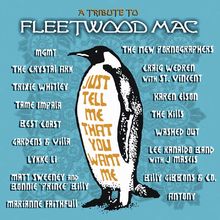
Da ist zunächst die am 10. August erscheinende CD Just tell me that you want me: Tribute to Fleetwood Mac. Diese Platte kann man sich vorab auf npr.com anhören. Eine umwerfende Version von Oh Well, eingespielt von Billy Gibbsons & Co findet sich hier, allerdings ist dieses Stück nicht so sehr meer-geeignet, das ist eher ein Stück für die heimische Anlage, bei voller Lautstärke genossen, toll!!! Nein, hier findet sich auch Musik für das Meer: Kein geringerer als Antony Hegarty spielte Landslide ein. Dazu npr:  „The unimpeachable „Landslide,“ for example, is covered with maximum sensitivity by Antony and the Johnsons‘ Antony Hegarty, whose hyper-vulnerable warble proves a good match for the song.“


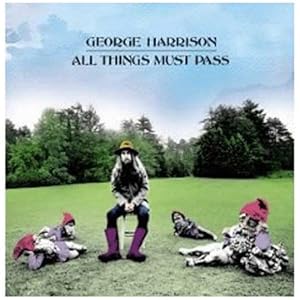
Und, da ich mich in letzter Zeit mit dem Dokumentarfilm George Harrison – Living in the Material World von Martin Scorsese beschäftigt habe, werde ich auch zwei Stück von Harrison mitnehmen, nämlich Run of the Mill und I live for You von der 2001 erschienenen Doppel-CD All things must past.


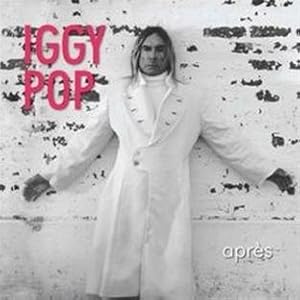
Und – Überraschung – auch Iggy Pop wird mit auf die Atlantikdüne kommen, seine gerade erst herausgekommene CD Après ist der Hammer. Iggy Pop interpretiert französischen Chansons, das ist umwerfend. Les Passantes von Georges Brassens hat es mir besonders angetan. Aber eigentlich könnte man gleich die ganze Platte mit zum Strand nehmen.


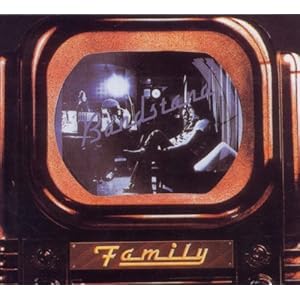
Von 1967 bis 1973 gab es eine interessante Rockformation um den Sänger Roger Chapman, sie nannte sich Family. Auf LP, inzwischen auch als CD erhältlich, findet sich die wunderschöne Ballade My Friend The Sun, auch ein Stück für den Abend am Atlantik.

„Villa Nova“  – the Jakob Bro Trio with

Jakob Bro on guitar,
Jakob Høyer on drums and
Anders AC Christensen on bass.

„Anders Christensen – better known as AC – has been one of a group of Danish bassists, who during the 90s gave up the purist approach to their instrument, and instead began playing with an attitude rather than concentrating on making the bass sound clean, tending towards a ‚classical‘ ideal. AC’s style is in this sense ‚physical‘ – he really dives into the music with his instrument – and at the same time highly dexterous, allowing him to adopt different genres easily and still maintaining his personal features. AC has toured and played with a great number of internationally renowned jazz artists, such as Paul Motian, Billy Hart, George Garzone and Kurt Rosenwinkel as well a being a regular member of Once Around the Park, The Raveonettes and countless other groups.“ (jakobbro.com)


Manafonistas | Impressum | Kontakt | Datenschutz