Manafonistas

on life, music etc beyond mainstream

You are currently browsing the blog archives for the day Dienstag, 7. April 2020.

Archives: Dienstag, 7. April 2020

I‘m lying on the grass. Like in the XTC song, but Eno and Hyde have their air play now. It is warm. There‘s no one around. Happily barking dog in the distance. The album streams from a simple UE Boom Box. Daydreaming. The evening before I could have walk-danced like the young woman in the M. Ward video of „Unreal City“. That was real Paris, months ago, it now looks… unreal. Horrible. Try to find a Thalys in autumn. Try to find old me in old Paris. Le Chat Noir, long closed. Now, not all those  darknesses – not to know where to bury the dead in NYC, all that suffocating, that loneliness, those last looks. „High on a hillside, the trucks are loading, / Everything’s ready to roll / I sleep in the daytime, / I work in the nighttime, / I might not ever get home“. Breathe deeply. Ready to lose, ready to celebrate. April, my tender cruel stargazing month. We all have to find enough answers for ourselves these days. Polaroid pictures fading, dreams collapsing. Anyway, the someday world may show itself in glimpses. Now, as the melodies float on.
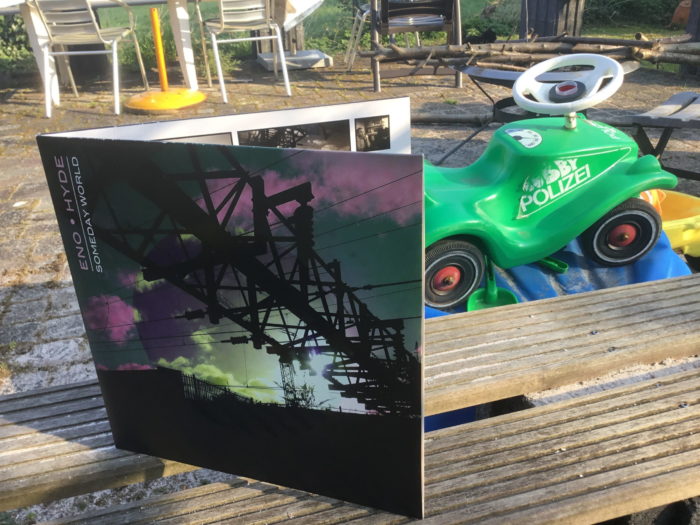


Michael: There‘s so much joy and hope in this album. But the last song of the album, „To Us All“, is so dark when you hear the lyrics: it could be written by a soul mate of Samuel Beckett, there are lines like „From the blood that we just we couldn’t spill / From the ones that we just couldn’t kill / We spin a world in a dizzying fall / To see the things that will happen to us all.“ But the sounds and the melody have an incredibly warm, embracing quality. it sounds like a lullaby for the end of the world, or, to our endlessly numbered days.


Brian: That was actually a much longer song earlier, there were four other verses, and I took them all out. Just left that bit. And the four other verses for me painted the picture too fully. They filled in all the details, and it wasn’t so good then. So I emptied it and was just left with what had actually been the climax. So the song had built up to those two verses that exist. As a sort of climax, but then I thought: get rid of the build-up, just have the climax! I’ve never really done a song in quite that form except it’s slightly like a song of my very first album, called „On Some Faraway Beach“, where there’s a long lead-up, and there are three short verses that sort of just sit there like a little island in the song.
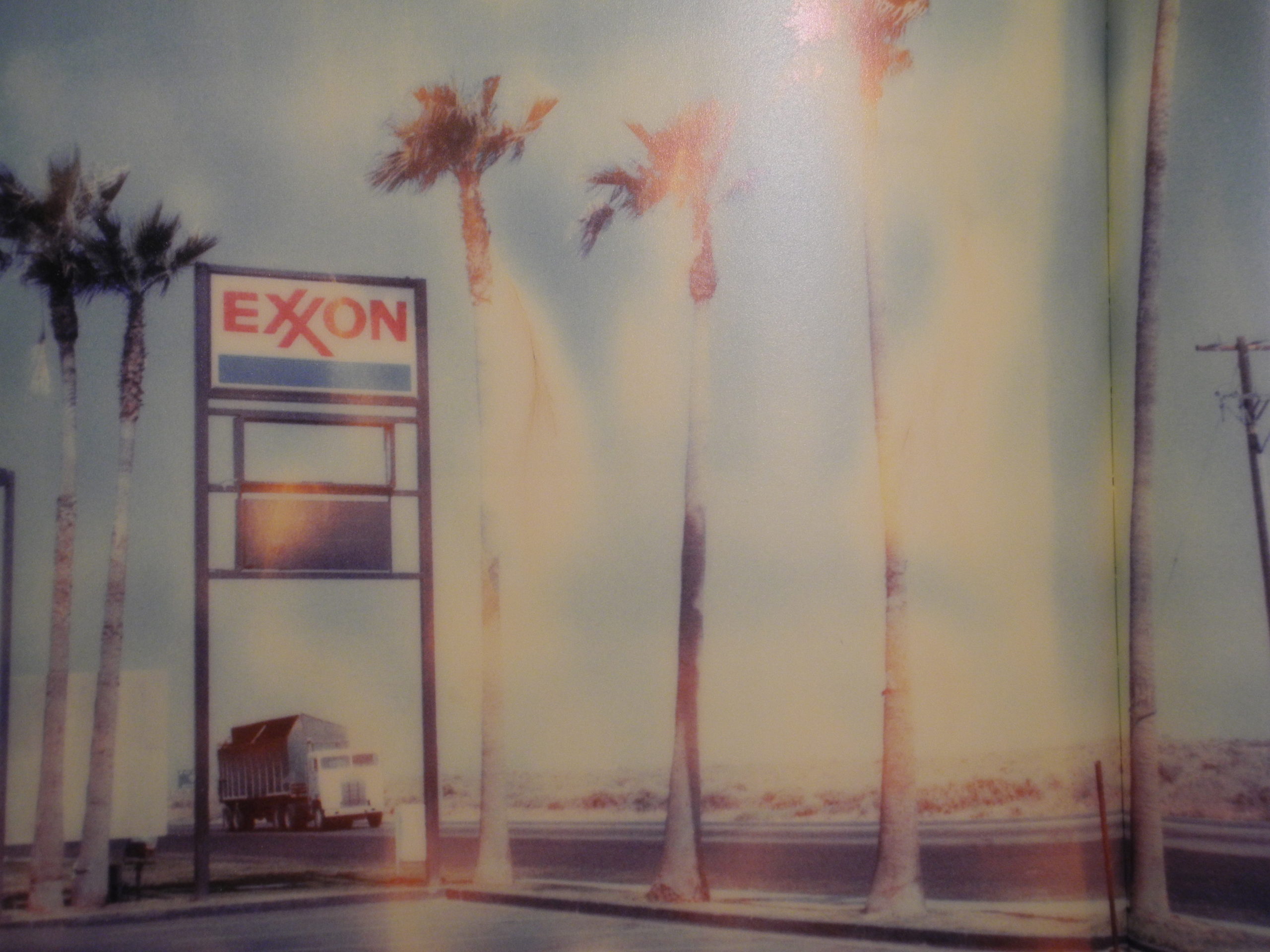
 

Die Wolkenkratzer in New York City, zur Zeit der Abenddämmerung. Ein junger Mann eilt eine Straße entlang und betritt die Peep-O-Rama-Lounge. Junge Frauen räkeln sich an Stangen, vollführen akrobatische Bewegungen, sind spärlich bekleidet. Nur wenige Besucher sind da. Ein älterer Mann mit lockigem Haar stochert mit einem Plastikstrohhalm in seinem Drink, er pustet den Rauch seiner Zigarette gezielt teilnahmslos in den Raum. Alles ist in weiches Licht getaucht, in warme Farben. An einem großen Bildschirm werden Fotos präsentiert, Polaroids, verwaschene Formen und Farben. Als blätterte jemand ein unsortiertes Fotoalbum durch. Ein Junge beim Baseballspiel, der Hund, Ausflüge mit dem Vater, Herumsitzen mit der Freundin auf dem Campus. Das Geländer der Brooklyn Bridge im Nebel. Der junge Mann sieht davon nichts, er starrt vor sich hin. Dann nimmt er die Bilder wahr, starrt, Tränen in den Augen. Er zittert, denn es ist sein Fotoalbum, seine Geschichte. Ich nehme die Fernbedienung, spule zurück. Es ist eine Schlüsselszene in dem Film „Stay“ mit Ryan Gosling, und so spannend es auch war, die Fotos wollte ich mir sofort nochmal ansehen. Polaroids von einem solchen Zauber, einer derartigen Tiefe bei gleichzeitiger Unschärfe hatte ich noch nie gesehen. Über den Audiokommentar erfahre ich, wer die Fotos gemacht hat: Es ist Stefanie Schneider, die in Norddeutschland aufgewachsen ist und teils in Berlin, teils in der kalifornischen Wüste lebt. Sie arbeitet seit 1996 mit abgelaufenen Polaroidfilmen, also mit analogem Material. In einem Interview, abgedruckt in dem Fotoband Instantdreams, bezieht sich Stefanie Schneider auf die japanische Weltanschauung des Wabi-Sabi. „Ein abgelaufener Polaroidfilm erzeugt Unvollkommenheiten“, sagt sie, „die für mich den Verfall des amerikanischen Traums widerspiegeln. Diese sogenannten Unvollkommenheiten stellen die Realität dieses Traumes dar, wie er sich in einen Albtraum verwandelt.“ Abgelaufene Polaroidfilme verfremden die Bilder, weil die Entwicklung unberechenbar wird, durch blasse Stellen, Flecken, verwischte Farben. Der Effekt hat etwas Unheimliches, gleichzeitig werden die Motive auf eine surreale Weise auf eine abstraktere Ebene gehoben. Als prägende ästhetische Einflüsse nennt Stefanie Schneider Michelangelo Antonionis Red Desert und Zabriskie Point, Peter Bogdanivichs The Last Picture Show, Vanishing Point (Fluchtpunkt San Francisco) sowie den provokativen Film Gummo von Harmony Korine. Eine Auswahl von Polaroids aus dem Film Stay finden sich in Stefanie Schneiders Fotoband Stranger than Paradise, außerdem diverse Fotozyklen, verknüpft mit offenen Lebensexperimenten, wie dem Whiskey Dance. Wo findet Wirklichkeit statt? Wie erinnern wir uns? Woher stammen die Bilder, die ins kollektive Gedächtnis eingehen? Stefanie Schneider führt uns an Orte, an denen wir nie gewesen sind, in ein Land, das wir zu kennen meinen, und das es dennoch nicht gibt.


Manafonistas | Impressum | Kontakt | Datenschutz