3/8 5/8 7/8 – Béla Bartók, the so called Bulgarian Rhythm …
Summer is coming, hot music will fill the air and move us towards our Balkan neighbors – to dance with them, to sing along, in order to get finally rid of our prejudices and physical anxiousness.
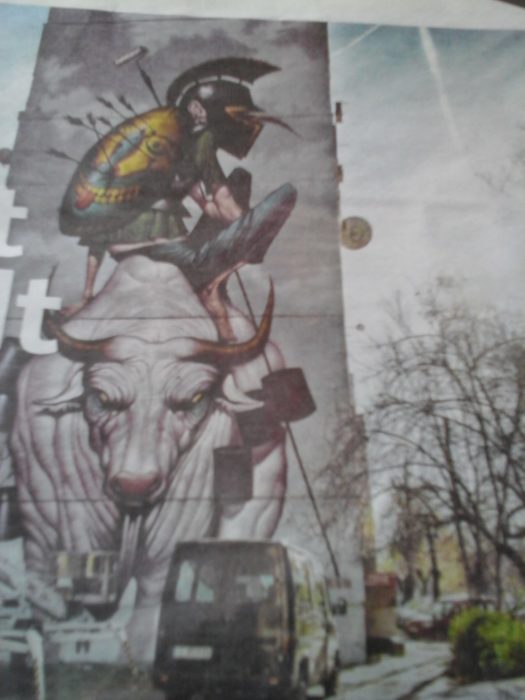
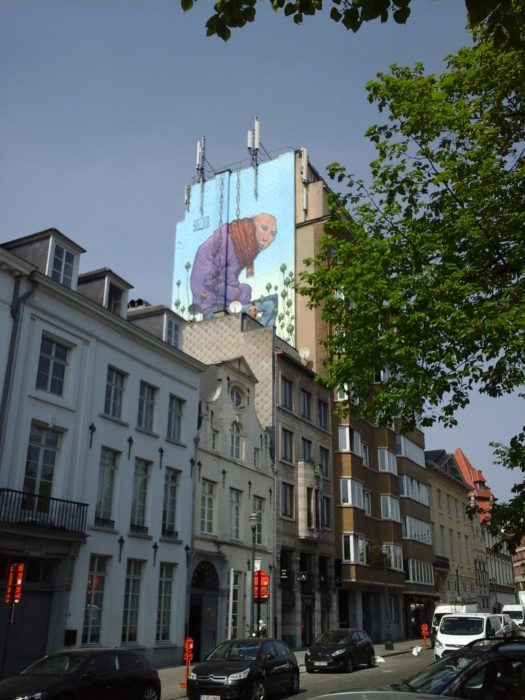
Let me lead you first to the poorest European capital: Sofia. This city is a concrete block world, where the desolate lime is dropping from grey facades. A few walls were in between painted, they make you think about, what Ilija Trojanow, a Bulgarian writer, said: „Most of the people in the world have no perspectives in the global capitalism.“
Some murals are showing more hope for life than the sad performances of Bulgarian artist Marina Abramović.
Bozko is the name of the young talented Bulgarian streetartist, who is often compared to Banksy. He also thinks that Streetart is the backbone of the society. „We should look at the murals and start thinking.“
In Bulgaria people are singing not only at special events, but often during the day. They sing old songs, which are going back to the 9th century. They are telling stories of the old rural villages.
Plovdiv will be the next European cultural city in 2019. I am looking forward to visit this town, which is situated at the old oriental road. The city runs an outstanding music academy, where you can study the famous bulgarian polyphony singing.
But let’s talk now about more modern arrangements.
SkilleR is a young bulgarian Beat Boxer with a lot of energy. Listen to his mouth made sounds, when he is performing with Orhan Osman. Orhan is a turkish Bouzouki player. It s so great how both musicians mix tradition and modernity for an ethno-jazz experience.
Another fine mix plays Tomàs Liška’s invisible world Quartet. They combine Jazz, Chamber music, Mediterranean and Balkan folk music.
When you feel quite exhausted from dancing to the music of Orhan and SkilleR, this band offers the right sound to relax.
We all know gypsy music. A very special band comes from Hungary: Somos Ensemble. They play music of the most ancient Hungarian minorities, the Csángós. I admire their different flutes, a kind of back pipe, called the Gajda and the Tschans, these are sheepbells, which they tighten on the drums.
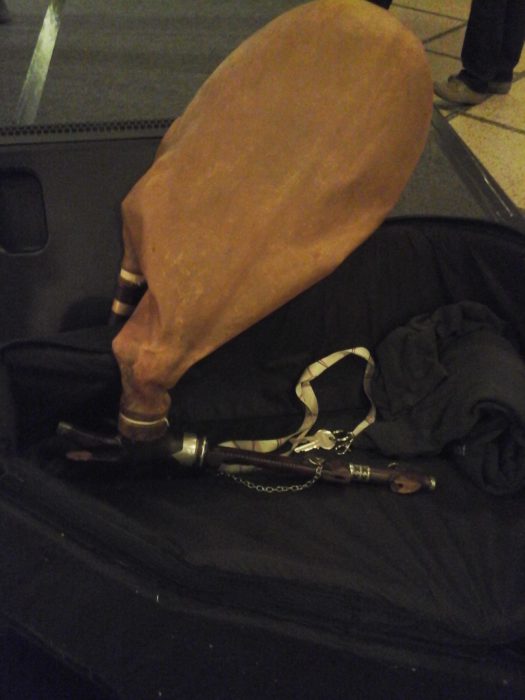

In the end of my Balkan music presentation I would like you to lend your ears to a genius trumpeter of Macedonia. Dzambo Agusevi Orchestra.
Brass like it hot!