„Es hat einen ganz anderen Effekt, wenn man sich im üblichen, meinethalben erprobt-analytischen, Jargon, über die Band The Mountain Goats auslässt, oder ob man, in Bezug auf ihr Werk „Dark In Here“, die vier Texte allein den Songs voranstellt. Dann spürt man erst mal, wie diese Diskrepanz sich anfühlt, von geschmeidig vorgetragenen Liedern, und ihren abgründigen Stories. Eine andere Art von Verfremdung, und die Stimme ist der „go-between“ zwischen beiden Welten.“
SIX KINDS OF DARKNESS
These „six kinds of darkness“ refer to the six records of hour one handling that thing called darkness in various, even illuminating ways. Again, apart from „Dark in Here“, no album would be regarded as patricularly „dark music“, and even John Darnielle’s song cycle has its uplifting moments. Thrilling it is anyway, from start to end.
And the safari of the North Men, well, they must have a decent amount of light sources on board for their special mission. By chance, days ago, I saw that old John Carpenter movie „Dark Star“, a low-budget sci-fi noir classic with a touch of humour and some bossa nova – always a joy, in fantasy or real life, to see what the astronauts‘ choices are when listening to music on their missions to unknown and distant worlds. In case of Eivind Aarset‘s forthcoming work, Mojo writes: „However far out Aarset travels, he never loses touch with melody, and his ninth album as leader could be his best.“
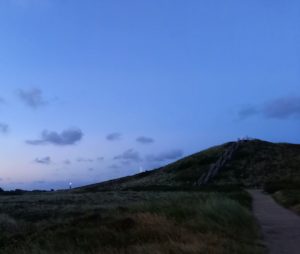
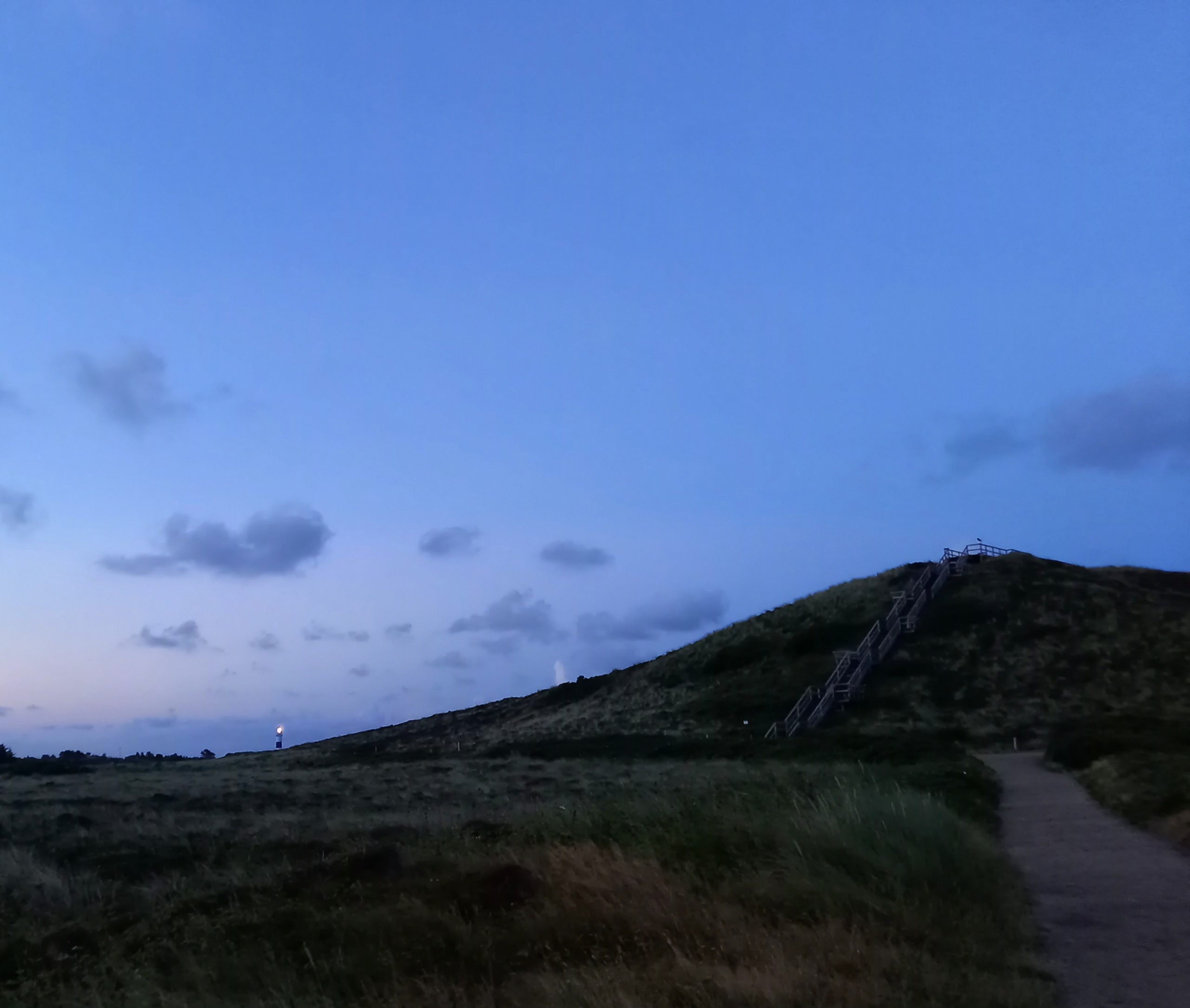
(This photo was shot on a dark star safari by Susanne Berndt. „Spider and i sit watching the sky / in a world without sound“). One of the darkest albums of the night will be the new record by Schwalm & Reuter, full of rare noise (to name-drop their label), a duo that will be part of the second night hour, and that has already earned critical praise, with a vocabulary oscillating between „nightmarish“, „black hole music“ and „Swans-esque blocks of sonic fear“. „For listeners willingly or not in the throes of this spellbinding trip, Schwalm & Reuter morph from the deeply cerebral to an equally penetrating visceral, then back again; that range of dynamics depends on the natural proclivity of the listener or a spontaneous surrender to temptation, to turn up the volume.“ Even that can be a joyous ride, and why so? Cause, in every second of listening to „Aufbruch“, you feel very, very awake. Call it survival instincts! Safe journey.
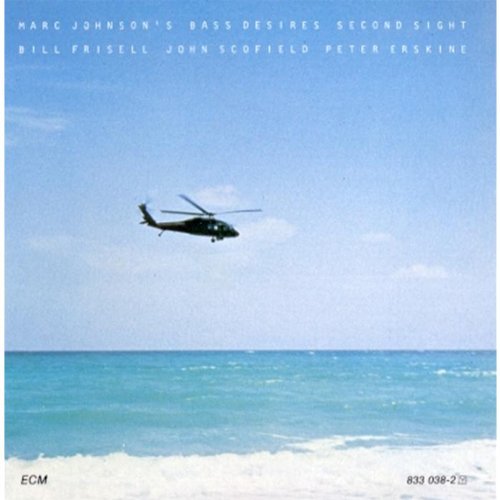
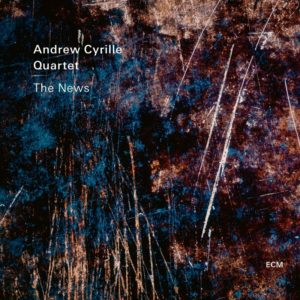
By the way: The 81-year-old drummer Andrew Cyrille deploys crisp cymbals, hushed snares and even brushes on newspaper for this entrancing set alongside Bill Frisell, Ben Street and David Virelles – „The Guardian“ just called „The News“, produced by Sun Chung for ECM, their „jazz album of the month“. Marc Johnson‘s bass solo masterpiece „Overpass“, another ECM highlight of 2021, will be featured in the theme hour of the night, no idea yet which version of „Nardis“ I will finally chose. The darkest one may be the one from Bill Evans, a long time ago, during a night in Paris. Marc Johnson was there!
Dark Star Safari
Eivind Aarset
lyrics by John Darnielle
The Mountain Goats
Andrew Cyrille Quartet: The News
The Mountain Goats
lyrics by John Darnielle
Eivind Aarset
OTON Marc Johnson
Marc Johnson
SINGING IN CAVES
Not every Mountain Goats album is shooting the stars from the sky, but this one does. For me „Dark In Here“ is, in all its elegance, understatement and intensity, one of their very best, in a broad collection of good, great and excellent albums. In the beginning The Mountain Goats were John Darnielle himself (I fell in love with this music when listening to „The Coroners‘ Gambit“, a long time ago, pure lo-fi shangrila of primitve equipment, and my love grew stronger, when John turned to crystalline chamber music solitudes on 4AD longplayers) – meanwhile they are a band that, in my decent opinion, are one of the most profound units on the planet. They can perform with the intricate charms of Steely Dan, the poignant sharpness of early Talking Heads, and the poetic depth of Leonard Cohen. „This time the band hones in on catastrophe; characters are never quite at the centre of disaster, but find themselves either in its anticipation or aftermath.“ The album has a subtitle: „12 Songs for Singing In Caves, Bunkers, Foxholes, And Secret Places Beneath The Floorboards.“ Good company guaranteed. And if you ever asked yourself recently, how Brian Eno’s „lighthouse radio station“, his co-operation with Sonos, might look like, here it is, in all its glooming glory:
STERNZEIT
Talking
Dark Star Safari
J. Peter Schwalm & Markus Reuter
lyrics
The Mountain Goats
Moritz von Oswald Trio
The Mountain Goats
lyrics
J. Peter Schwalm & Markus Reuter
Talking
Brian Eno – from a collection of hidden gems
Brian Eno – from The Lighthouse
Brian Eno and Roger Eno at the Akropolis
A SHINING ABSENCE
Nardis ist einer der schönsten Jazzsongs überhaupt, eine Erfindung von Miles Davis. Er hat seine Komposition wohl nie selbst eingespielt. Bill Evans erschuf das umfassendste Kompendium dieses wunderbaren Stückes – eine Welt für sich. Niemand hat die tiefe Melancholie dieser Melodie so freigelegt wie Bill Evans in fast balladesken Versionen, in verzweifelt ruppigen up-tempo Variationen wie jener aus Paris vom 26. November 1979 mit seinen Partnern Marc Johnson und Joe LaBarbera 10 Monate vor seinem Tod. (HDK)
there is no other composition by miles davis that in spite of its early recognition as an instant classic of modern jazz composition and countless versions played by others he himself didn’t breathe life into at all stunning no single performance no bootleg discovery just an empty page in a huge discography just a piece of paper with perhaps skeletal notation maybe he listened to bill evans one night and thought bill should own it kind of dance around it in his own peculiar ways maybe a gift for bill for putting his magic into kind of blue the album think of all the other dancers who followed jackie terrasson john abercrombie ralph towner to name a few who added a dance a picture a ripple of time in my false memory nardis was played on one of those famous albums we know so well from the miles davis quintet or well well just another radical example for miles‘ less is more approach a shining absence imagine
Opening words
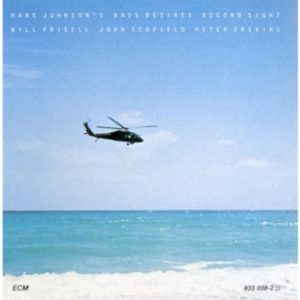
Marc Johnson‘s Bass Desires (second album)
OTON Marc Johnson (on Whorled Whirled World)
Marc Johnson: from Overpass
OTON Marc Johnson (on Dave Holland‘s Emerald Tears)
Nardis (version from Ralph Towner‘s „Solo Concert“)
Marc Johnson: Nardis (from Overpass)
Nardis (version from Jackie Terrasson‘s „Smile“)
OTON Marc Johnson (on the recording in Sao Paolo)
Marc Johnson: from Overpass
OTON Marc Johnson (on Marc Wade‘s cover)
Marc Johnson‘s Bass Desires (second album)
Closing words
KALENDERBLATT
THE LONG PARTY AT THE BREAK OF DAWN
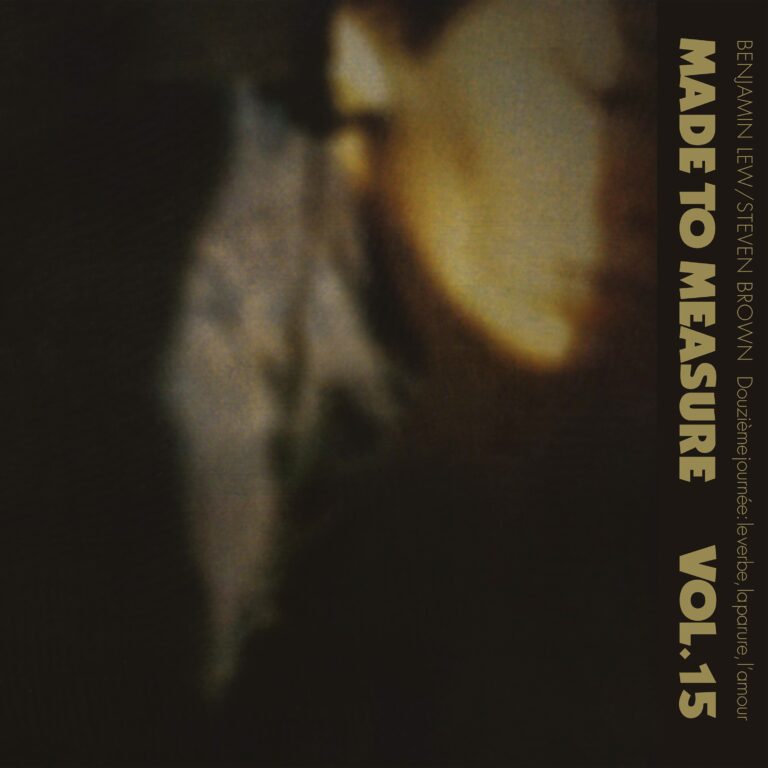
Over the last years, I called the fourth nightwatch „the strange hour“, that surreal zigzging between eras, sounds and memories in the time travel department. Dream logic as (un)reliable company in sequencing atmospheres. At times, it all falls into place, and then again, it falls apart like apparitions in nowhere land. I really don‘t know how the final sequence of the fourth nightwatch will work. At least, i once fell under the spell of its single components – later on, I took a second look and decided that, as the old saying goes, less is more, and now looks like much more focussed journey: a buried treasure from „Made to Measure“ (kudos to Marc Hollander), and the adventures of Annette, Alice and, last minute decision, Laurie, now joining „The Wonderland Trio“.
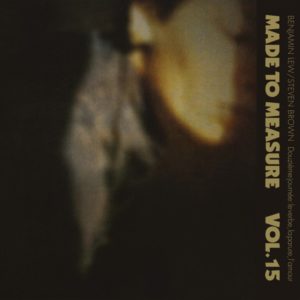
In case of „Douzième Journée: Le Verbe, La Parure, L’Amour“… NME called it “an album of mesmerising strangeness, an exotic, surreal trip. Elusive and fasctinating” and Glenn O’Brien wrote these nice lines : “You might say that this record is an acquired taste. Like raw sea urchin, methadone or Colt 45. No, this is a pure and immediate taste because it’s beautiful. A brilliant achievement, a great record.” 36 years later Pitchfork didn‘t go wrong when re-evaluating this classic from the margins: “Stunning surreal debut, dreamlike, both earthy and ethereal”. Newly remastered, this album will be available again on September 17, and one of the highlights in my strange hour between 4.05 and 5.00 a.m. Btw, the radio night of „Klanghorizonte“ can be heard afterwards, seven days long, on the Deutschlandfunk‘s „audiotheque“.
Surprise, surprise, the final hour, the long party at the break of dawn, two trumpet legends (always thinking outside the limits of their instrument’s history) – no second thoughts required here: Jon Hassell, his voice from an old interview, tropical London, summer 1990 (sweet dreams are made of this, The Pearl Hotel, the hum of the city invading the open windows of Jon‘s appartement in South Kensington) – and Don Cherry in France, 1972. Two celebrations of life, the urban jungle, the countryside.
In case of Don and Moki: „The couple called the project Organic Music Theatre, as evocative a name as one can imagine for the holistic mystical experience they worked to create. A recovering heroin addict, Don hoped to forge a new way to present and experience music well outside of the jazz clubs and bars where he had formed his worst habits. Organic Music Theatre represented not just artistic inclusivity and openness, but a way of life encompassing health food (it’s not for nothing that his most revered record from this period is called Brown Rice), children’s education, and whatever else their cohort viewed as essential to a better life.“
NIGHTWATCH FOUR: Benjamin Lew & Steven Brown: from Douzième Journee: LE Verbe, La Parure, L‘Amour (1982) – / talking / Alice Coltrane: from Kirtan Turiya Sings (1982) / Benjamin Lew and Steven Brown / Annette Peacock: from The Perfect Release (1979) / Benjamin Lew & Steven Brown / Laurie Anderson: from Bright Red (1994) / talking / Benjamin Lew and Steven Brown
NIGHTWATCH FIVE: In memory of Jon Hassell and City: Works of Fiction (1990) / excerpt from my old radio portrait of the fourth world wanderer / Jon Hassell: City – Works of Fiction / / Don Cherry: Organic Music Theatre – Chateauvillon 1972