
on life, music etc beyond mainstream
You are currently browsing the blog archives for the day Dienstag, 8. Mai 2018.
2018 8 Mai
Manafonistas | Filed under: Blog | RSS 2.0 | TB | Comments off
Oh, man, I think this record would be too much, too enigmatic for that strange, booom-booom driven neighbor of Brian W. „Singularity“ starts with danger & upheaval – and ends with the most beautifully captured nirvana of apparently acoustic piano notes. Beware of the software, as they say. It‘s avantgarde mixed with dancefloor, angelic drones – and sweat without tears. Dig it, please! Jon Hopkins claims that his 2013 album “Immunity” was an MDMA trip, while this new one evokes the rollercoaster of an out-and-out psychedelic experience. Hardly surprising then that this isn’t a party album, and even less background music. While there are moments of irresistible sweetness and stillness, there are also excursions way out of the comfort zone – indeed much as might happen with acid or the more natural mind-blast of mushrooms. A five star album, I dare to say!

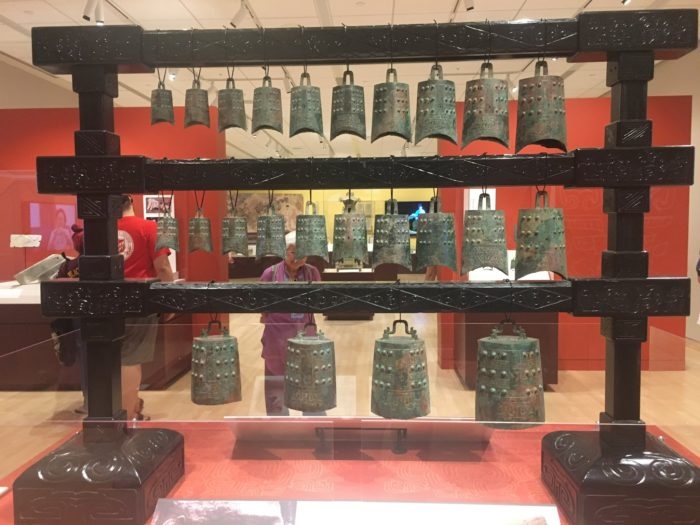
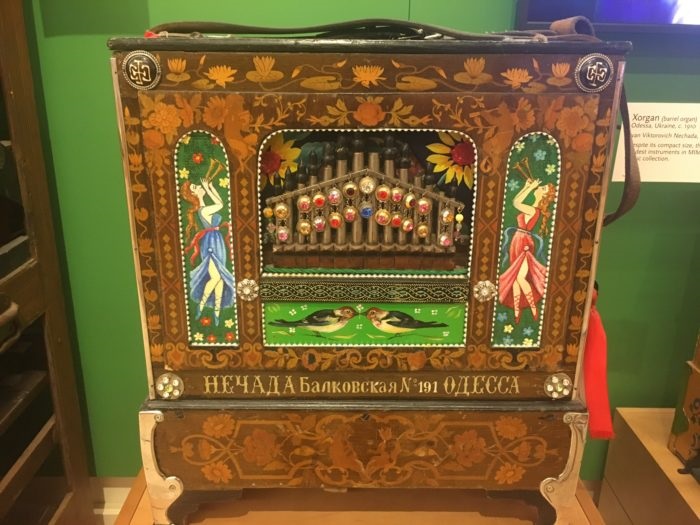
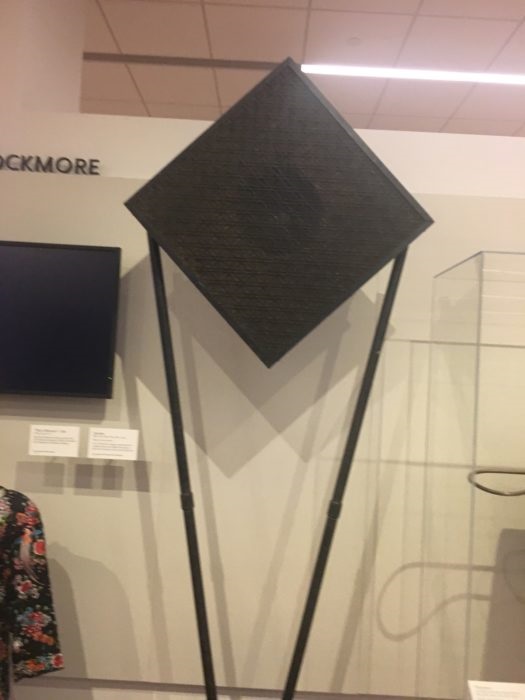
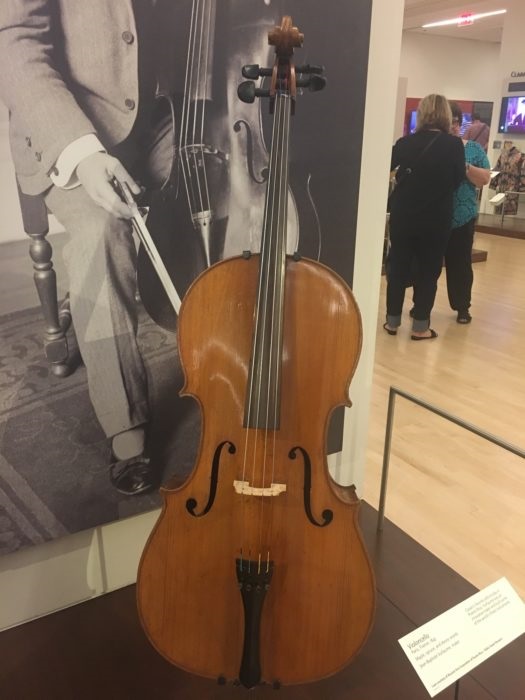
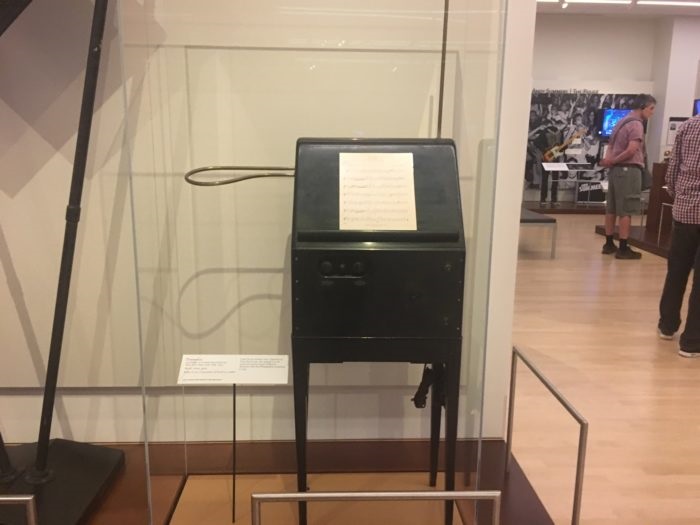
A hidden gem, the Musical Instruments Museum is the most comprehensive museum of instruments in the world. The museum’s inventory is so large, there is only space to display about 1/2 of the 15,000 instruments in their entire collection.
I have no idea what this astounding museum is doing in Phoenix AZ, but it’s amazing not only in the breadth and scope of the collection, but in the ingenious way the museum presents the instruments and associated music.
On entry, the visitor is issued the usual headphones and sound producing box, except in actuality, there is nothing usual about it. Each exhibit has a large video screen, demonstrating the various instruments on display. Using Bluetooth technology, the moment the visitor stands in front of the exhibit, the sound of the video syncs to the headset. As soon as the user moves away, the sound fades down, until it’s reactivated by the next exhibit. It works seamlessly. These are high quality audio/video clips presented in stereo. Many are rare field recordings. There is almost no narration, except when the occasional scholar explains the historic significance of say, the Japanese Noh play, or sheds light on the wedding music of Tajikistan.
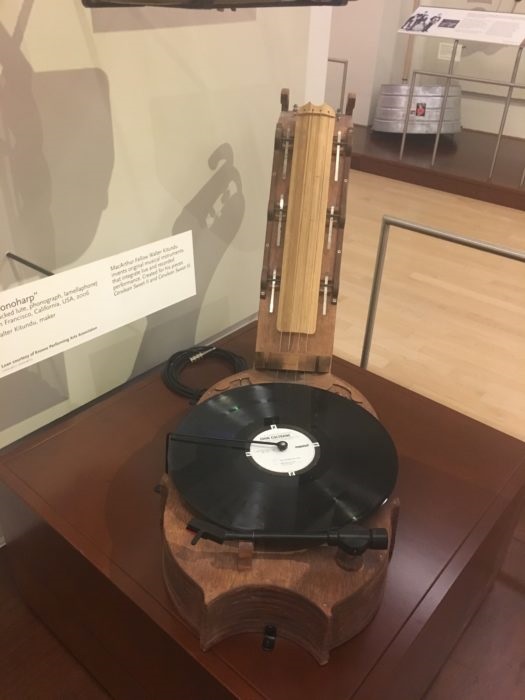
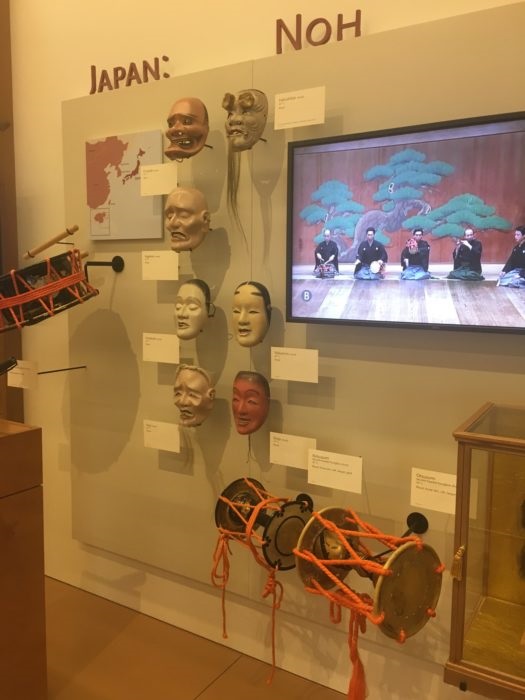
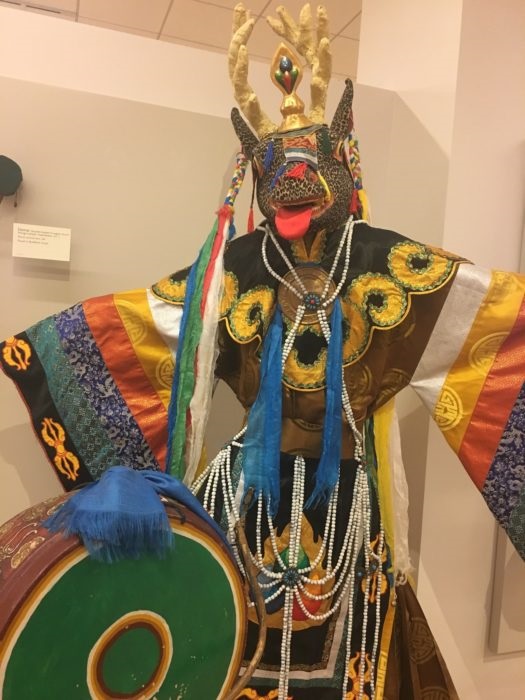
Downstairs one can spend hours exploring just the pop, rock, world and new music exhibits. This exhibit focuses on famous stars to represent certain genres or periods. It must’ve been difficult to decide which pop/rock star to pick to represent an entire musical genre or period within that genre. They do a pretty good job, but it’s simply impossible to decide who to pick for say, the entire 80s pop era. (They picked the Police.) Johnny Cash, The Carter family, Dolly Parton (and a few others) for country. But why in God’s name pick The Nitty Gritty Dirt Band over The Band to represent the early roots of Americana? Oh well. Elvis of course, but also Duane Eddy and Roy Orbison. You’ll find John Lennon’s piano on display, as well as Pablo Casals’s cello, Clara Rockmore’s theremin (!) and a very cool exhibit on Kronos Quartet. (On the other hand, almost an entire wall devoted to Taylor Swift – Really?)
They also try to include various stars of popular world styles, such as Cuban music (Tito Puente,) Qwali music maestro, Nusrat Fateh Ali Khan, as well as sitar master, the late Ravi Shankar (and his daughter Anousha) for Indian music. In addition to the pop, world and classical stars, there’s an amazing room filled with historical orchestrions and other fascinating automated instruments built over the centuries.
There’s also an interactive room filled with instruments that one can touch and play.
But all of this is just the warmup to the main event, which is upstairs. The MIMs collection of world instruments is simply staggering. Divided by regions and broken up into countries, it’s a mind blowing experience. We started in Asia exploring Indonesian and other island cultures, dipping into China, Japan and India. The collection is simply too vast to see in a day: we never even got to the America’s, Europe or African collections! My partner called it the Louvre of musical instrument museums, and that about sums it up.
The museum also has an impressive and eclectic concert series as well.
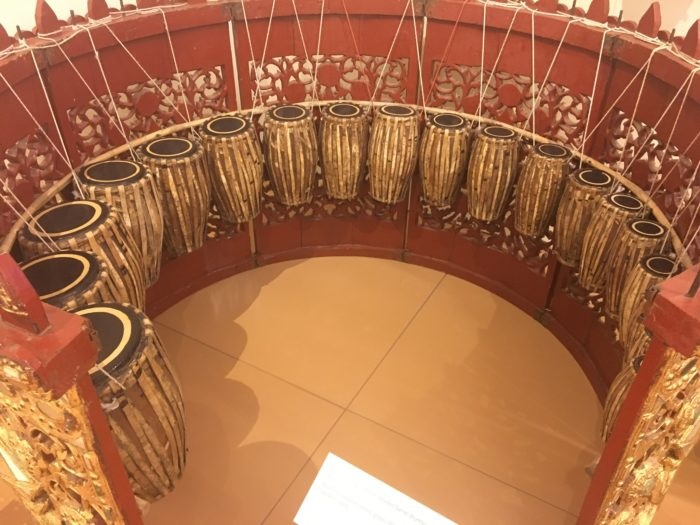

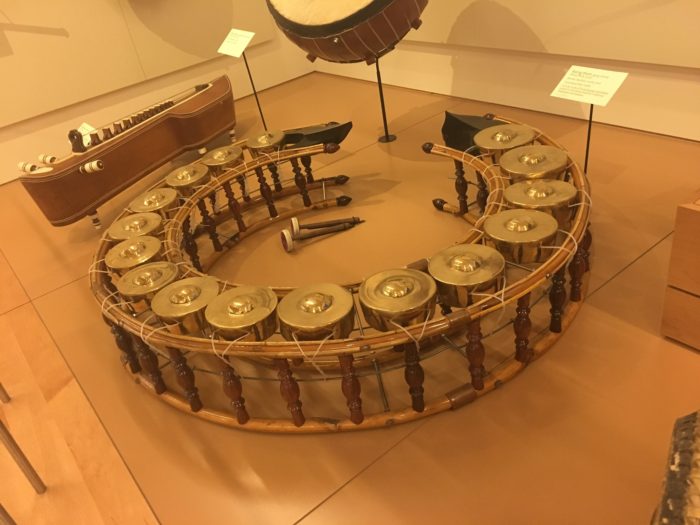

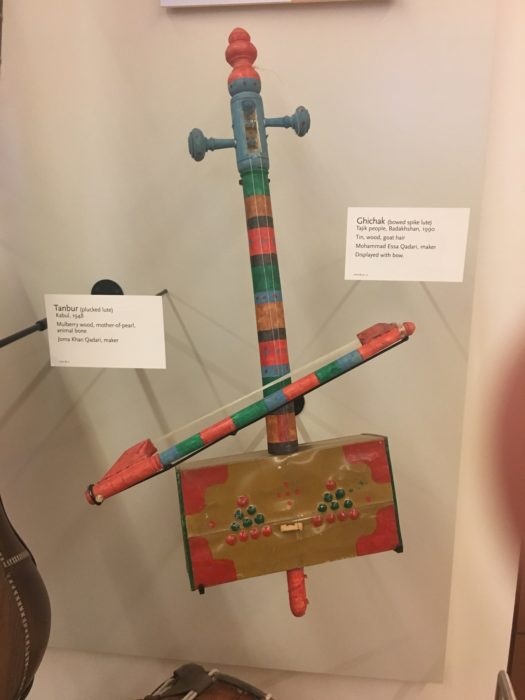
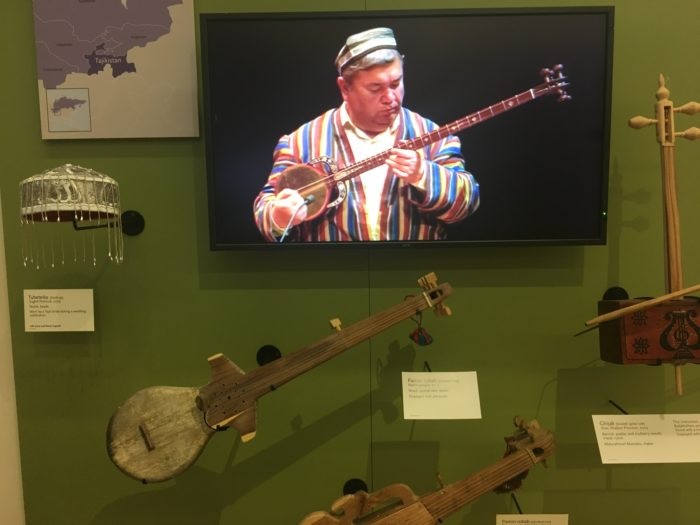
2018 8 Mai
Manafonistas | Filed under: Blog | RSS 2.0 | TB | 2 Comments
Früher habe ich am Theater gearbeitet, weil ich dachte, dass es dort um das Erzählen von Geschichten geht. Aber statt Geschichten und interessanten Figuren, statt Handwerk und Inspiration fand ich dort viel zu oft Egomanen, denen es nicht um Inhalte ging. Als ich nach sechs Wochen ohne einen freien Tag, zu vielen Zigaretten, zu wenig Schlaf und zu wenig Nahrung eine Treppe hochlief, versagte mein Kreislauf. Ich setzte mich auf die Stufen und suchte den Grund, warum ich am Theater arbeite, aber ich fand ihn nicht mehr. Meine Geschichten und die Figuren, die immer in mir waren und hinaus wollten, hatten mich allein zurückgelassen. Ich hörte mit dem Theater auf, weil es nichts mehr in mir gab.
Ich folgte keinem Weg mehr außer dem der Wut. Der Wut und der Angst, nie irgendwo anzukommen, nie einen Platz, ein Zuhause zu finden. Ich nahm Aushilfsjobs und befristete Verträge an, und vier Jahre später fand ich eine neue Aufgabe. Ich wurde von einer Medienfirma engagiert, für die ich das Script für eine Bühnenshow erstellen sollte. Für einige Zeit lebte ich nur für dieses Projekt, hatte kleine Flügelchen auf dem Rücken und ein Dauergrinsen im Gesicht. Eines Morgens um 9 Uhr fiel ich aus dem Himmel. Die Firma war insolvent, wir wurden alle entlassen. Ich lag auf dem Asphalt und eine weiße Kreidelinie umrandete meinen Körper.
Mein Partner hob mich auf und besorgte mir einen Job als Monteurin beim Messebau. Ich wurde stark und hart im Nehmen, wurde respektiert und bald schon besorgte ich mir die Jobs selber. Ich behauptete mich in einer Welt aus Schweiß, Muskelkraft, Krach, Dreck, 24-Stunden Schichten, Autobahnen und Hotels. In dieser lauten Welt fand ich meine innere Stimme wieder. Ich nahm Dinge aus dem Leben, Bilder, Augenblicke, Satzfetzen und notierte sie auf Post-Its. Ich begann, über Menschen zu schreiben, die ihren Weg suchen in ein selbstbestimmtes, erfülltes Leben, die scheitern und wieder aufstehen, die ihren Platz suchen. Ich schrieb eine knapp hundertseitige Geschichte in fünf Tagen herunter. Einfach so.
Es fühlte sich an wie nach Hause kommen.
Nach und nach entwickelte ich aus den Notizen einzelne Geschichten, thematisch völlig unterschiedlich. Dabei benutzte ich immer das Verfremdete. Ich nahm die Post-Its als Basis und fügte frei erfundene Geschichten hinzu. So entstand innerhalb von drei Jahren der Kurzgeschichtenband „Von Menschen“. Ich als Person bin in den Geschichten nie zu finden gewesen. Ich habe vielleicht einfach nicht viel Potenzial als literarische Figur. Doch dann schrieb ich eine Geschichte, die grob auf meinen Erfahrungen basiert, und die Worte, die ich schrieb, fühlten sich richtig an.
Eines Tages kam mich mein Bruder besuchen und erzählte mir von einem seiner Freunde und dessen Leben. Das schrieb ich auf. Ich schrieb von meinem Bruder, von seinem Freund, von früher. Ich schrieb über reale Dinge, über das, was wirklich geschehen war. Und wieder fühlte es sich richtig an.
Heute weiß ich, dass ich die Geschichten überall finden kann. Im realen Leben als komplette Handlungsstränge, in Beobachtungen, als Momentaufnahme in einem Bild, in einer Liedzeile. Ich sammle alles ein, mache mir kurze Notizen und warte. Denn eines weiß ich: Ich kann nicht eine Geschichte schreiben, wenn ich es will, sondern die Geschichte kommt, wenn sie sich aus den vielen Post-Its zusammengefügt hat und bereit dazu ist, geschrieben zu werden. Das ist mein Weg, denn das Schreiben ist mein Zuhause.
Iris Antonia Kogler: „Von Menschen“.
