Manafonistas

on life, music etc beyond mainstream

You are currently browsing the blog archives for the day Montag, 14. August 2017.

Archives: Montag, 14. August 2017

1
 

Kürzlich habe ich wieder damit angefangen, Matetee zu trinken. Ah, sie liest Rayuela, werden einige Manafonisten denken. Anmerkung für alle, die das Buch nicht kennen: In diesem Klassiker von Julio Cortázar ist Mate quasi eine der Nebenpersonen und es gibt das Gerücht, dass einige Manafonistas den Roman unter einem tagelangen Materausch zu sich genommen haben. Anmerkung für alle, die unter 30 sind oder die Mate nur als Clubmate kennen: Der Mateteestrauch ist in Südamerika beheimatet und ist dort ein belebendes, pur getrunkenes Kultgetränk, das auf eine sehr dezente und lang andauernde Art Geist und Körper anregt. Matetee wird traditionsgemäß in Kalebassen zubereitet und aus diesen Gefäßen wird er auch getrunken, der dabei verwendete „Strohhalm“ ist aus Metall und an dessen unterem Teil ist ein feines Sieb eingefügt ist, so dass die Teeblätter nicht mitgetrunken werden. Ich kannte Matetee bereits als Kind, denn mein Vater nahm jeden Tag eine Flasche Matetee mit zur Arbeit. Ich weiß nicht mehr, ob die Flasche grün war oder ob sie mir wegen des Matetees grün in Erinnerung blieb. Die Flasche hatte einen Verschluss, der mit Metalldrähten am Flaschenhals befestigt war, so wie es einige auf urtümlich zurecht gemachte Biersorten heutzutage haben. Es sind Flaschen, die es, nachdem sie lange aus dem Sortiment der Läden verschwunden waren, seit einigen Jahren in großen Kramläden zu kaufen gibt. Ich war als Kind fasziniert von dieser Teezeremonie, und ich dachte mir, dass ich später, wenn ich erwachsen sein würde, auch eine solche Flasche kaufen und kalten Tee oder ein anderes Getränk dabei haben wollte, wenn ich unterwegs war. Der Matetee, den mein Vater trank, war ein am Vortag konventionell zubereiteter Tee, der über Nacht in einem abgedeckten Krug stand und auf diese Weise kalt wurde. Das war kein Eistee.

 
2
 

Ich werde hier keine Rezepte mit genauen Mengenangaben posten. Mir geht es um das Prinzip Eistee, und es geht hier auch um die Farbe des Tees, und gegebenenfalls um Kombinationen mit zu der jeweiligen Teesorte farblich und geschmacklich passenden Säften. Der Grundgedanke beim Eistee besteht darin, zunächst Tee zuzubereiten, der um einiges stärker ist als der, den Sie normalerweise trinken würden. Der Tee wird, sobald er gezogen ist – ich empfehle bei Grüntee und bei Schwarztee eine Ziehzeit von drei Minuten – also in heißem Zustand, schockgekühlt, indem er auf eine gewisse Menge an Eiswürfeln gegossen wird. Die Eiswürfel befinden sich idealerweise in einer durchsichtigen Kanne oder Karaffe. Es werden so viele Eiswürfel benötigt, bis der Tee so kalt ist, wie er wäre, wenn er aus dem Kühlschrank käme. Es kommt darauf an, dass der Tee nicht zu stark ist, denn er soll nicht bitter sein (deshalb nicht zu lang ziehen lassen). Der Tee darf auch nicht zu schwach sein, sonst wird es wässrig. Die Schockkühlung ist wichtig für Farbe und Geschmack. Grundsätzlich kann man aus jeder Teesorte Eistee zubereiten. An Schwarzteesorten eignet sich Keemun, ein chinesischer, weicher und sehr bekömmlicher Tee aus China, besonders gut für eine ganz puristische Zubereitung. Darjeeling second flush funktioniert auch, der schmeckt kräftiger und hat mehr Tein, regt also mehr an. An Grünteesorten verwende ich vor allem koreanischen Sencha. Mate geht auch.

Wer den Eistee nicht ganz puristisch trinken möchte, kann Säfte hinzufügen. Für schwarze Teesorten eignen sich Saftmischungen, die unter der Bezeichung „Frühstückssaft“ in Läden angeboten werden, es eignen sich aber auch Säfte mit Beerenmischungen. Mir ist die Farbe des Eistees wichtig, deshalb füge ich, wenn ich Saft hinzufüge, so viel hinzu, dass mir die Farbe des Gemischs gefällt. Für grüne Teesorten (Grüntee, Mate, aber auch Kräutertee) eignet sich Birnensaft, und es sieht ziemlich professionell aus, wenn Sie in die Glaskaraffe noch einen Stängel Minzblätter hineinlegen.

 
3
 

Jetzt doch noch ein paar Mengenangaben. Ich empfehle, ca. 300 bis 400 ml Tee zuzubereiten, wie gesagt, etwas stärker als normal. Es ist Geschmackssache und hängt auch vom Tee ab. Vielleicht ein Drittel oder ein Viertel mehr Teeblätter verwenden als normal. Als Orientierung für die benötigte Menge an Eiswürfeln, um die so entstandene Teemenge in einen Zustand der Schockkühlung zu versetzen, würde ich eineinhalb bis zwei Plastikförmchen zu je 15 Eiswürfeln veranschlagen.

 
4
 

Ich verwende zwei Glaskaraffen für den Eistee. Die eine habe ich vor vielen Jahren am Ende eines Ostseeurlaubs mit einer Freundin in einem Drogeriemarkt gekauft. Sie hat eine quadratische Grundfläche und einen weißen Deckel aus Plastik und sieht aus wie die Karaffen, aus denen in Frankreich während des Mittagessens in einem Restaurant Leitungswasser ausgeschenkt wird. Damals fand ich Koffer spießig, ich habe die Karaffe also in meinem Rucksack durchs Land geschleppt. Später habe ich festgestellt, dass es diese Karaffen im Woolworth und ähnlichen Läden gibt. Okay, aber meine Karaffe enthält eine Reisegeschichte.
2017 14 Aug.

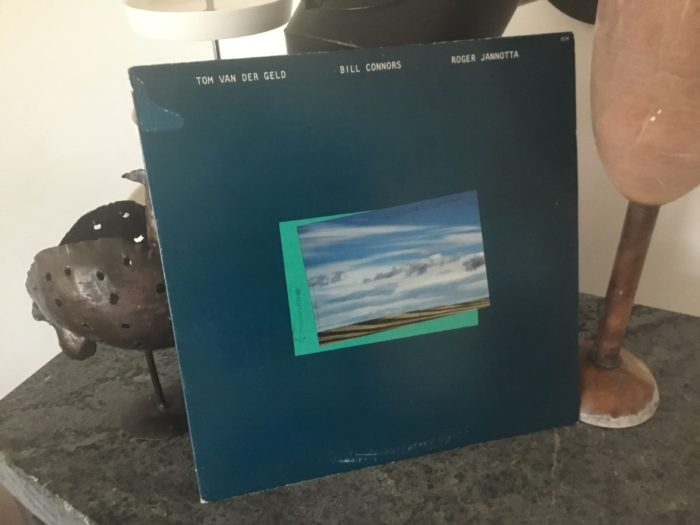
Recorded February 1979 at Tonstudio Bauer, Ludwigsburg

| Filed under: Blog | RSS 2.0 | TB | Comments off


„Path by Tom Van der Geld has so much space in it – this is the first time I have fully heard that space. It’s heavenly.“ (Brian Whistler on hearing this trio album with Tom Van Der Geld, vibraharp, Bill Connors, guitars, and Roger Janotta, flute, soprano saxophone, oboe, via Tidal‘s streaming service in high resolution)


I would not call it one of my favourite covers, but what a delight to find this buried treasure. And this is really one I’ve never heard before. And though it‘s definitely an ECM-sounding ECM album, „space“ here defines its very own territory, no formula required. (m.e.)


It’s a “path” that takes several talented hands and considerably open minds to forge and that “road less traveled” is certainly well appreciated by listeners who can think outside of standard, scripted genre classifications. (Douglas Payne)


„Like a meteor shower, one spends a long time waiting for excitement in Path, only to realize that the pregnant darkness to which one has held such rapt attention harbors far greater wonderment. As one of ECM’s most transparent statements, this positively exquisite album is an easy candidate for president of the label’s Bizarrely Out of Print Club. Find it any way you can and be moved, as you will.“ (Tyran Grillo)

2017 14 Aug.

„Nearly all the times…“

| Filed under: Blog | RSS 2.0 | TB | Comments off


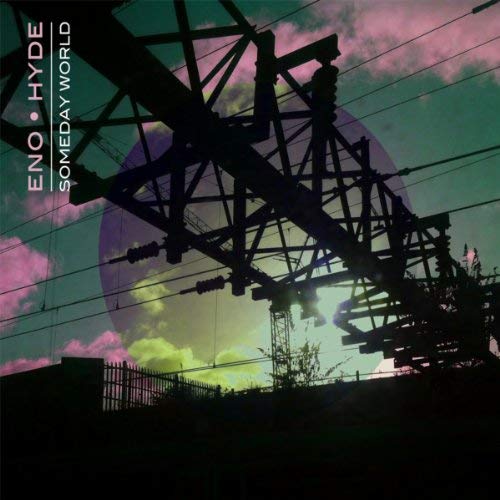
Brian: (…) You asked about the cover of the album, that’s very much the picture of the cover as well. It’s a picture of a bit of a railway line actually, and it’s a very industrial, not attractive landscape in a way. It looks like a vision of a place you wouldn’t want to live. But in fact by making that kind of false world behind it, it suddenly suggests that it might be a kind of utopia. And I think in the song „A Man Wakes Up“ the same thing happens: the guy suddenly realizes that he’s very happy, he’s very fulfilled. I have this experience sometimes when I remember times in the past, and I think, ah, that was a great time, I was really happy then … If I go and look at my diaries or my notebooks, I’m always complaining (laughs). So these times when actually I was really enjoying it, I thought that things weren’t so good, you know, my perception of the time was, this is a difficult time, my perception in retrospect is – that was a great time. Nearly all the times have been great, actually …

(Listening to „Einfluss“ under headphones)


I don’t believe in music as simple or clever entertainment. Sometimes music is a soft emotional ambush, it has endless ways of transcending the everyday, opening gates or slipping into nothingness. Stardust memories, dust to dust, chose your favourite exit signs! And, as a good journalist, you have to be prepared for surprises outside your usual playgrounds (that awesome old instrument Mr. Alexei Lubimov is playing) – or play the old games well!

I have been looking for some music that has not yet appeared, at least in the first two hours devoted to new records and and the very fine red lines that can link the most disparate material. Though I knew their music from the beginning (I was a studio witness, so to speak), I have been rather surprised about the fucking brilliance of Porter Ricks‘ return. David Torn will deliver a very special performance, promise! Not to speak of Matthew Bourne and his climate studies at  home, rainy home Yorkshire… 

A great late work from Herrn Roedelius, too. He doesn’t know what we recently did near Forst at the River Weser. We hang two loudspeakers into a tall tree and let them play „The Big River“ surrounded by tracks from „Einfluss“, after dark. The emotional impact was immense, the loudspeakers slightly damaged – that trip to the ancient places of Harmonia and Co. had been the most thrilling seminar I ever did. I’m still grateful for the wonderful people I met there.

As time moves, during the „close-up“ and „time-travel“-zones of my next radio night, the dfferent geographic climates, between Asian mountain regions, African Zanzibar dreams, Balearic Sea Music and Mediaeval dances, will trigger a ritualistic atmosphere: a dream zone for the clear mind. Coming back to music as a soft ambush, I will surely play this wonderful little song by Sam Beam aka Iron & Wine (and, maybe, you want to sing along when time comes). – m.e.


songbirds in the morning had my head
lost in the tall trees i knew well
well i would say
dreaming my dry weeds
stray life finds its way to all of us
say something green it comes back sun
light on my lips
let them kiss dark leaves

let the hands of the wrong prophets
heal me all they should
let the wine of the poison jesuses taste good

when all those trees lay down
if you were a bird and fell into my arms
if i wrote your song in stone
if i wore your wings back home
would the dreams in the backwater
drown us far from harm

give this to the gray it comes back gold
birds of the morning they may know
no more than us
giving their hymns for life
let the waves on the wrong water
say what they will say
while the wind in the broken branches
blows me away

all tall trees lay down
if you were the bird who fell into my arms
i could write your song in stone
i could wear your wings back home
where the dreams in the backwater
drown us far from harm


Manafonistas | Impressum | Kontakt | Datenschutz