Manafonistas

on life, music etc beyond mainstream

You are currently browsing the blog archives for the day Dienstag, 23. Mai 2023.

Archives: Dienstag, 23. Mai 2023

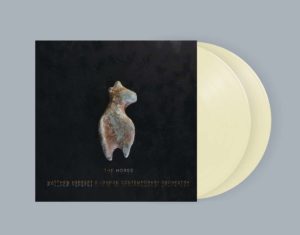
„The Horse“ is a musically branching, adventurous journey through, well, horse worlds and human worlds. Whether you have a lifetime of experience with mustangs, remember the aching buttocks of your first riding lessons, or have come close to these magnificent animals, especially in films and series, from Fury to The Horse Whisperer, it doesn’t matter.

Matthew Herbert had new instruments built from horse bones in advance, enriching the traditional instrumentarium of  electronica, jazz, field recordings, chamber music, ans all the in-between spaces – the music can easily lift you out of the saddle. Amazing what comes out on Modern Recordings, from Daniel Lanois‘ magical piano album to Rickie Lee Jones‘ existential (!) trip through the American Songbook.


01. Fire! Orchestra: Echoes (1)  9.5
02. Matthew Herbert: The Horse (2) 9.4
03. Califone: Villagers (-) 9.0
04. Paul St. Hilaire: Tikiman Vol. 1 (11) 8.6
05. Natural Information Society: Since Time Is Gravity (5) 8.5
06. Craven Vaults: Standers (-) 8.3
07. The Necks: Travel (4) 8.3
08. Rickie Lee Jones: Pieces of Treasure (-) 8.3
09. Lankum: False Lankum (9) 8.3
10. Seb Rochford & Kit Downes: A Short Diary (10) 8.2
11. Josephine Foster: Domestic Sphere (-)  8.2 

12. Tinariwen: Amatssou (-)  8.1 


Eine kleine Zusatzbemerkung: es ist interessant zu sehen, wie sich eigene Favoriten wandeln oder sich unter den ersten 12 behaupten. Ein Wechselspiel von aufflammender Begeisterung, vorübergehender Beruhigung, „growers & sinkers“, etc. – zuweilen erweisen sich nicht mal Tiefenwirkung und Oberflächentaumel als trennscharf (durchaus eine Parallele zur Liebe auf den ersten Blick). Platten, die erst mal aus der Parade herausgefallen sind, können durchaus im Laufe des Jahres wieder auftauchen –  die nächste „hot list“ Ende Juni.


Die Musik von STANDERS ist verblüffend ohne Ende, mit all ihren Echos und Eigenheiten. „Meers & Hushes“ hat die melancholische Anmut einer liebeskranken Folk-Ballade, während die hüpfende Basslinie von „Severals“ fast luftig ist. Fügt man der aufsteigenden Euphorie von „Sun Vein Strings“ einen stampfenden Beat hinzu, könnte man sich vorstellen, dass die Leute in der Morgendämmerung auf einem Feld dazu tanzen. Ich zitiere Sam Richards aus UNCUT, übersetzt und leicht remixt: 


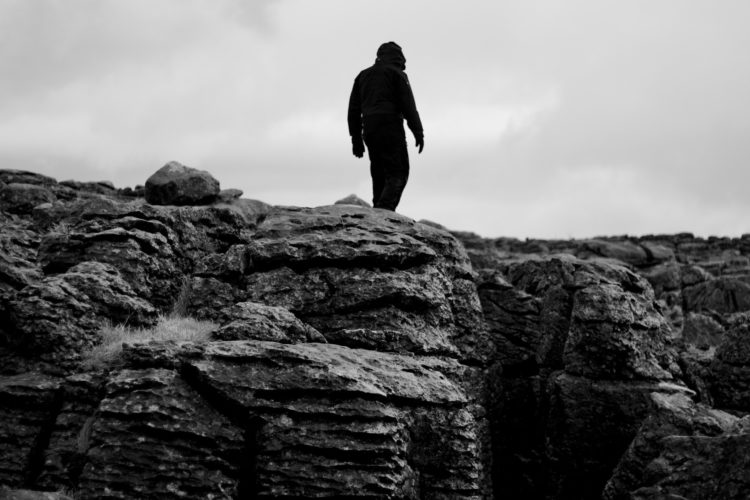
„Die Ikonographie von Craven Faults widersetzt sich der üblichen Darstellung von Synthesizer-Musik als futuristisch, spacig oder psychedelisch. Und das aus gutem Grund – diese Tracks fühlen sich erdig und urwüchsig an, als wären sie von unten ausgegraben und nicht aus dem Kosmos heruntergebeamt worden. Die Präsentation ist ein kluger Schachzug, der die Fantasie anregt, während sich diese monolithischen Stücke entfalten. Aber es ist nicht wie bei einer konzeptionellen Kunstausstellung, bei der man die Erläuterungen in der Galerie braucht, um den Sinn der Ausstellung zu verstehen. Trotz der asketischen Atmosphäre handelt es sich hier um viszerale, emotionale Musik, die eher in der weißen Hitze des Rock’n’Roll und Post-Punk als in der akademischen Avantgarde geschmiedet wurde.“

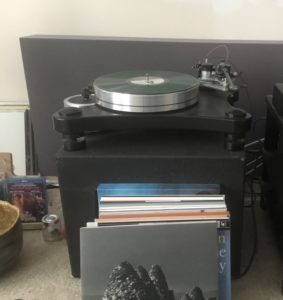
(Und, wenn möglich,  besorgt euch die Doppel-Vinylausgabe in Dunkelgrün. Nasses Moosgrün.  Bei JPC fliegen noch ein paar rum.) 

„Faults selbst verweist auf „Tomorrow Never Knows“, „Radioactivity“ und „Sister Ray“ sowie auf Charles Ives‘ „The Unanswered Question“, ein eindringliches Stück zutiefst existentieller Musik für Streicher, Flöten und Trompete, das 1946 uraufgeführt wurde. Stellt man sich auf die richtige Frequenz ein, hört man alle möglichen anderen – vermutlich unterbewussten – Resonanzen: das Hauptriff, das „Sun Vein Strings“ einläutet und wie eine synthetisierte Version von „TV Eye“ klingt; die flüchtige Ähnlichkeit von „Odda Delf“ mit Radioheads „Street Spirit“; das schräge „Pling“ in „Hurrocstanes“, das einen plötzlich an „Superfly“ denken lässt.


Aber das Schöne an Standers ist,

dass es dazu einlädt, diese Blitze der Transzendenz des 20. Jahrhunderts

in einem viel längeren Kontinuum zu betrachten,

das sich bis in den Nebel der Zeit zurück erstreckt.

Stellt man den Ton wieder ab,

hört man nur noch das leise, langsame Knirschen

der Verwerfungssysteme, die unendlich unter unseren Füßen knirschen.“

 

2023 23 Mai

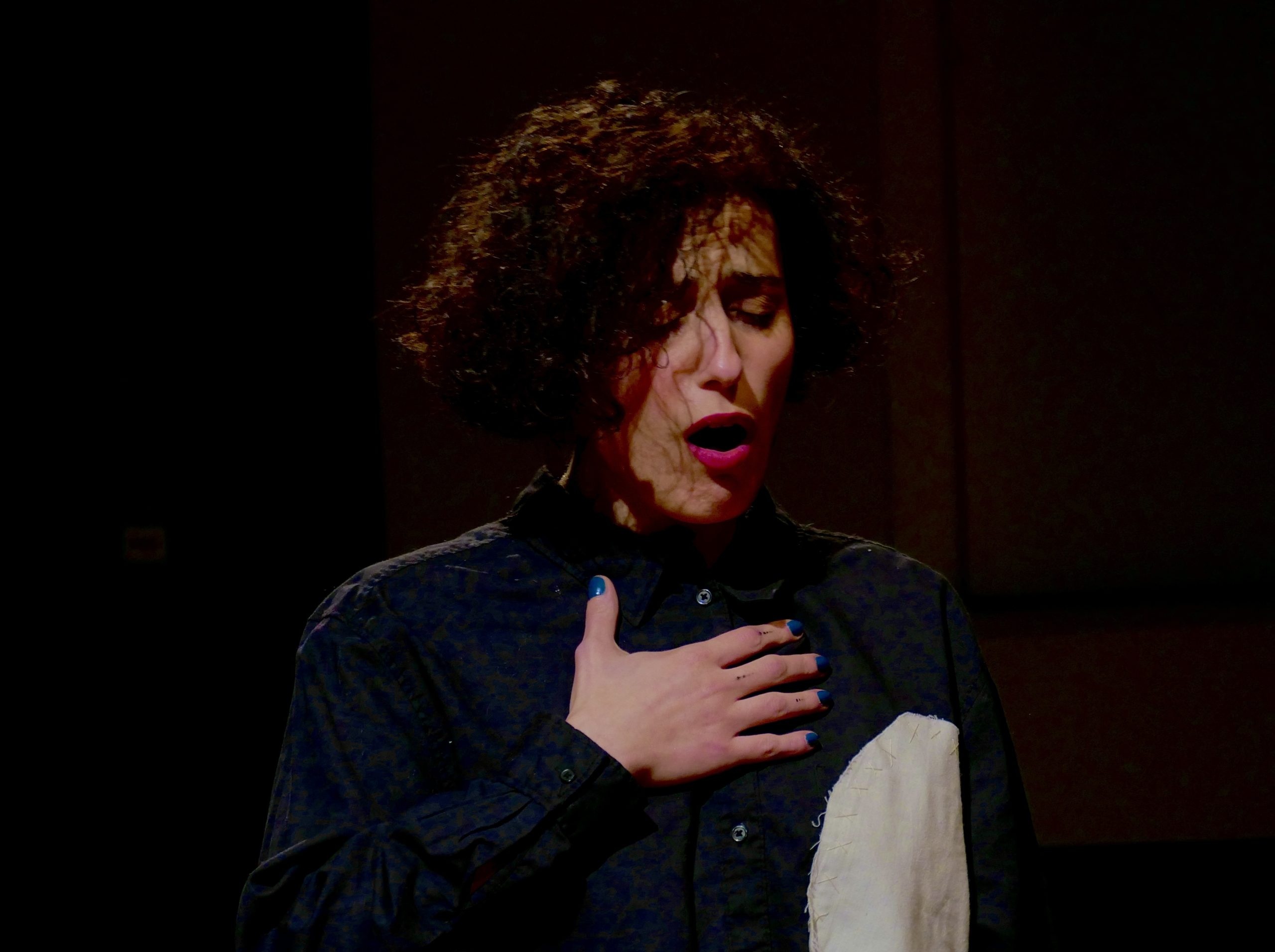
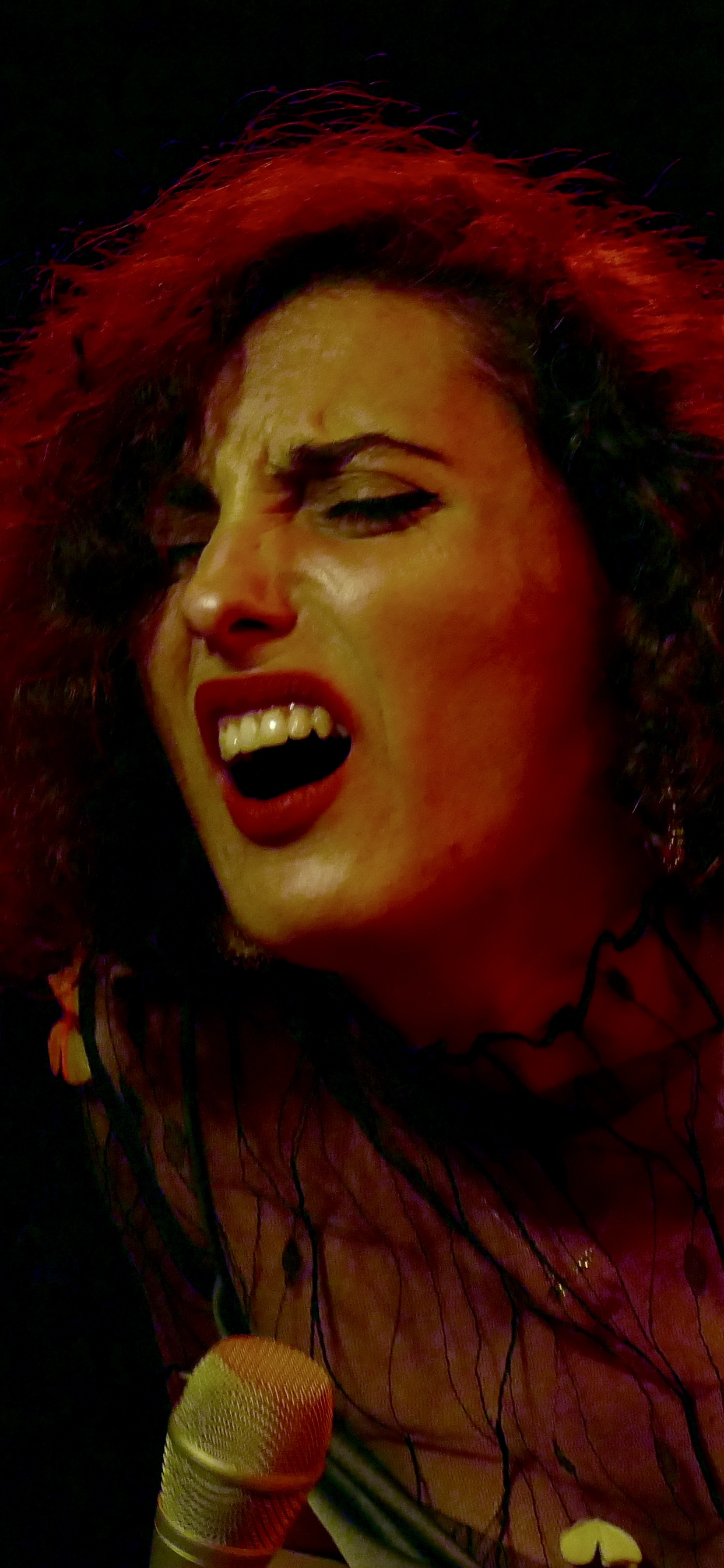
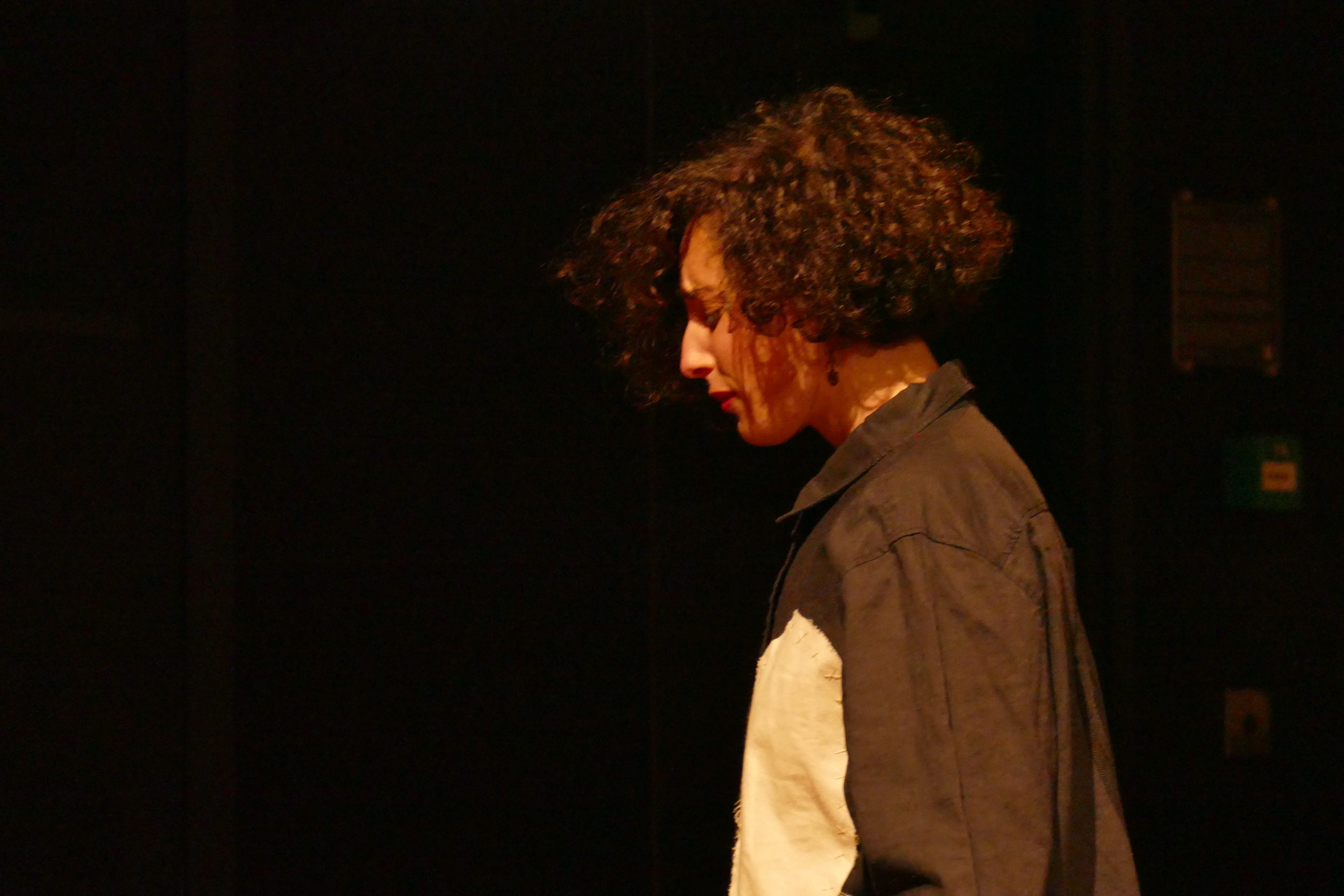
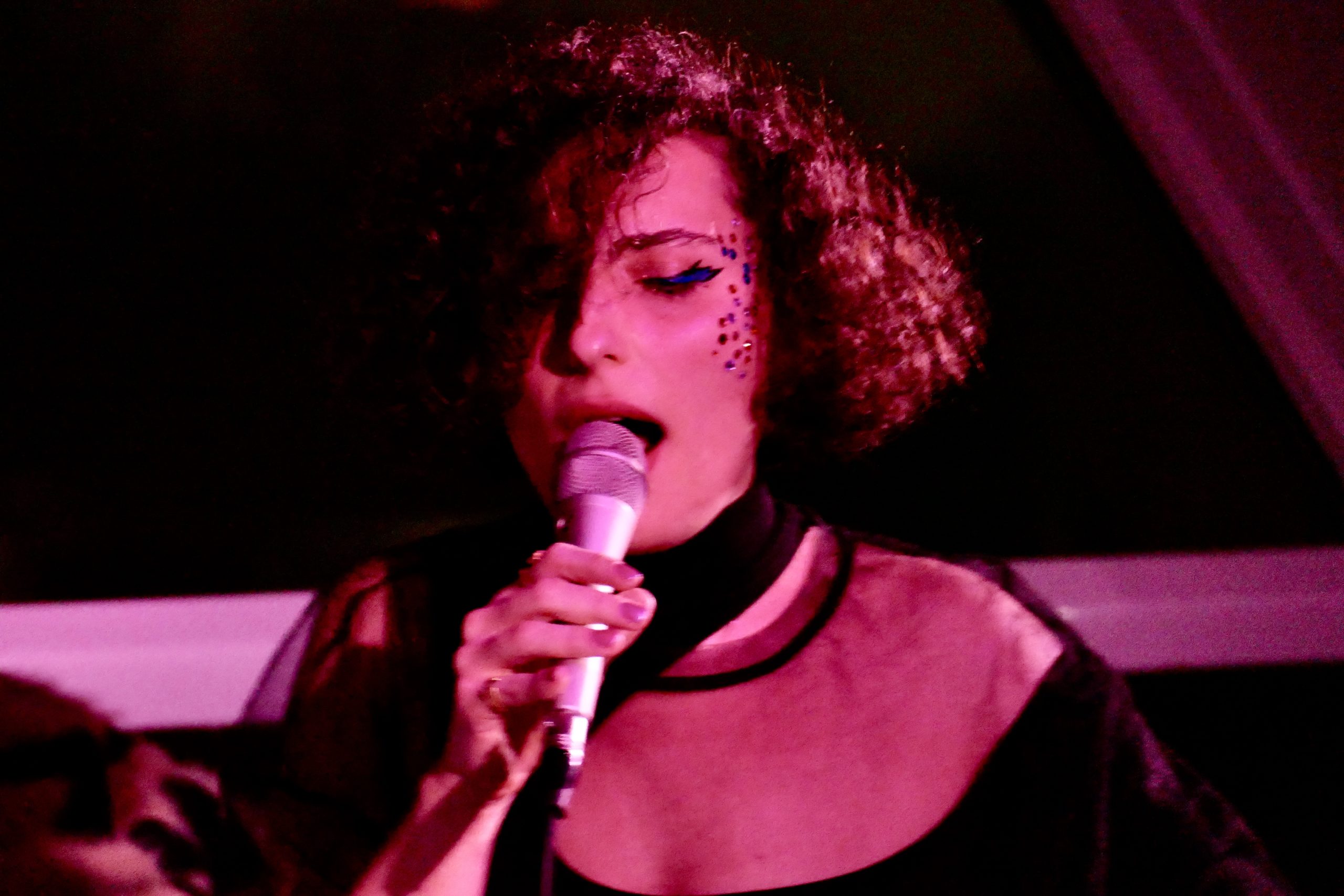
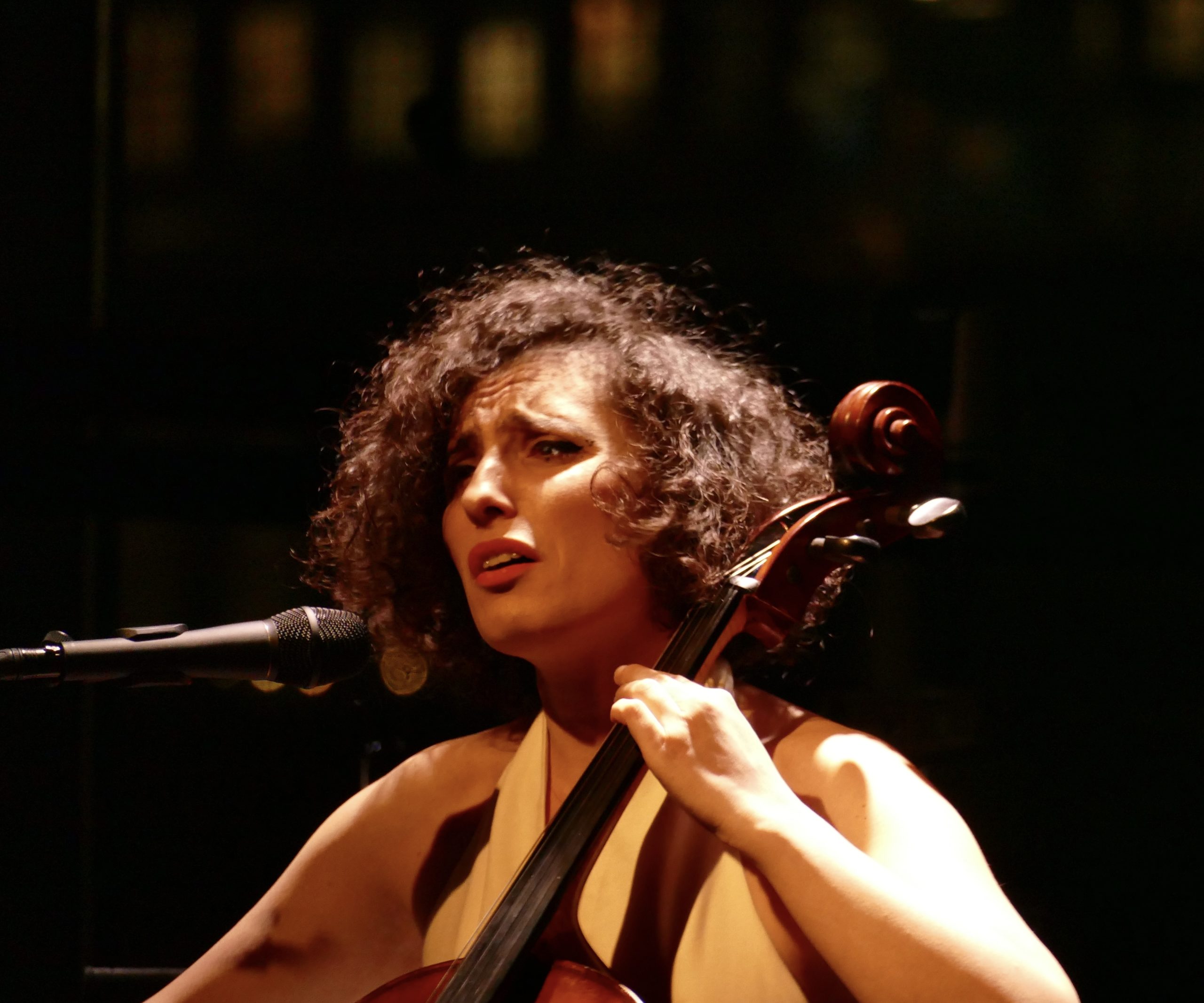
Sanem Kalfa, l’appassionata (2)

| Filed under: Blog | RSS 2.0 | TB | Comments off


This is part 2 of the story of vocalist/cellist Sanem Kalfa. Part 1 you can read HERE


Sound-making: the real voice 


“I always ask myself: is this the real Sanem speaking? There is so much music, there are so many thoughts, people, places and events happening around us. I think it’s important where you position yourself, where you stand in order to act in truest ‘being yourself’ mode while all these other things are happening around you. This way, it’s a question of a powerful balance between giving and receiving. Anything effortless and honest reaches me easily.”


To the comment that the voice is the foghorn of the soul, she replies:


“I believe that the voice is one of the channels of the soul through our body. Perhaps the most concrete one. You can call it the foghorn or anything else that speaks to your imagination.”


This opens up a fascinating conversation about different types of soul and about discovering your own kind of soul through shared musical travels and about her Dream Project entitled “Invisible Columns”. Music can lead to moments of intense contact with our own souls as well as with other souls’ vibrations and flames.


This means that while the inner light of our souls is burning, it is often obscured by a lot of internal and external noise and confusion (fog), such that we may even lose our way by losing the ability to feel or by avoiding certain internal areas. We can sigh or cry, cry or scream. We can yell or roar. But we are supported when we sing together. And we need our voice for laughing, too. 


The physical voice and its qualities can lead us into and around in that fog. It can warn us of danger or pain. It can seduce us into following, immersing ourselves and even surrendering. It can soothe and open us up to mourning and acceptance. It can incite us to cross the threshold for doing cruel things. It is a central human organ and instrument when it comes to leading people.


“Indeed,” interjects Kalfa, “and it must be used wisely.”.

It can also allow us to experience the abyss, as well as dark, threatening shadows. It can conjure and heal. If we didn’t have this medium stimulating us to connect the internal to the external, we would be alone in a hell of inner noise or in a dead cave with muffled heartbeats discernible only at a distance.  


Voice (“ses” in Turkish) and sound-making (“ses cikarmak” in Turkish) are an integral part of the movement of our bodies. As Kalfa says:


“I imagine it like this: emotions trigger the body, and the body reacts by producing sound.”


According to her, LISTENING in a broader sense is key for the emergence and shaping of music. Kalfa:


“Music comes from the depth of the ground to the limits of the sky – everything, everywhere. When we start filtering, then it becomes music.”


It means that children receive a multitude of sounds which have different effects on them and they are specifically attracted to human voices and their musical qualities when talking, humming and singing (as when Kalfa’s older sister sings Turkish lullabies for her as a primary voice). This plays a guiding role in the absorption of surrounding sounds. On the journey from sounds to music, the travelling continues from music back to sounds to create and enrich music. According to Kalfa, immersive listening with the whole body is also the basis for getting into the flow during performances. And then there are these moments of rising excitement when listening to music when performing yourself – but also when listening to and watching a performance. 


There is the expression “music is in the air”, but neither air nor wind play music. It is we ourselves who hear it as music and can then build a wind harp, for example, to channel and shape this natural process. There is also the concept of musica universalis/music of the spheres (Johannes Kepler, 1571-1630) which perceives the movements and constellations of the universe in musical terms. A similar concept can be found in the biophonic work of electronic musician and biologist Bernie Krause (The Great Animal Orchestra (2012)). Remarkably, the latest theory of the universe, String Theory, is also based on vibrations. Kalfa feels very much connected to the idea that musicians are mediums who make it possible to hear music which, as she said “comes from the depth of the ground to the limits of the sky”. A medium is required to maintain a context-sensitive balance of noticing/receiving sounds and then shaping them in open, attractive ways. 


The continuing creation process


Two examples of Kalfa’s continuing work of creation are Televisyon and a new, extended version of Miraculous Layers with a new line-up.


Televisyon is a new group formed by Kalfa around the core of the longstanding duo of Kalfa and pianist extraordinaire Marta Warelis by teaming up with Norwegian bedrock, bassist Ingebrigt Håker Flaten, and Amsterdam drummer Nasim López-Palacios Navarro, originally from the Canary Islands. The group comes up with music which is alive and kicking for the love of life inspired and informed by the shimmer of the tv and its backdrop of jumbled sound to extract dramatic television stories from it. The music is drawn from memories of times at home when the TV was on all day and all night, effectively becoming fluent wallpaper. You can stop watching, but you can’t escape its backdrop of jumbled sound which will insinuate itself into your memory. In this case, however, it’s not at all nightmarish, more of a joyful celebration involving jams which possibly evoke associations with hints of Blondie or even the Mothers of Invention. It was commissioned as an SITP production in Amsterdam. 


The group Miraculous Layers will enter new, free waters with its line-up including saxophonist Tineke Postma. The group started working on extending its repertoire with a live performance-based strategy, developing music from the inherent musical features of the spoken word, a gradual process of crystallization (à la Steve Lacy) resulting in something between composition and improvisation. Kalfa’s cello-playing will take a bigger role, leading into a new counterpoint and coalescence of saxophone and cello. 


It is evident that Kalfa has a preference for duo work which will be further manifested in promising, thrilling combinations with guitarist Teis Semey, pianist Marta Warelis, pianist Harmen Fraanje and percussionist Sofia Borges (Whispers&Cries). 


It will make room for Kalfa’s versatility, for the deepening her music and in future, for her free wingbeats which will eventually lead to as yet unknown multidisciplinary projects. 

Das MAGNET FESTIVAL brachte mich vor einer Woche zum dritten Mal nach Wiesbaden. Das erste Mal liegt weit weit zurück und geschah im Jahre 1969. Damals wurden musikalisch Grundsteine gelegt, Grundsteine im Musik machen und Musik erleben wie sich darüber austauschen. Mit ein paar alten Schulfreunden aus Südniedersachen machte ich mich auf den Weg nach Wiesbaden, um Tim Belbe zu besuchen. Ich hatte gerade mit meinem Studium in Göttingen angefangen.


Spuren der Vergangenheit


Tim Belbe? Saxophonist Tim Belbe (1944-2004), der Himmel habe ihn selig, war der Frontmann, die Rampensau der Krautband XHOL CARAVAN. Ich sage Krautband, weil es eigentlich keine Rockband war. Hervorgegangen aus der Band Soul Caravan, die amerikanische Soul Music spielte (u.a. als  Opener von und mit amerikanischen SouLmusikern wie Aretha Franklin, King Curtis & The Kingpins und Carla Thomas) ging Xhol Caravan damals in die Richtung von langen improvisierten tripping Jams. Eine Band aus Deutschland, die Soul Music spielte und dann überging zu tripping Jams, das war nun wahrhaftig total neu.


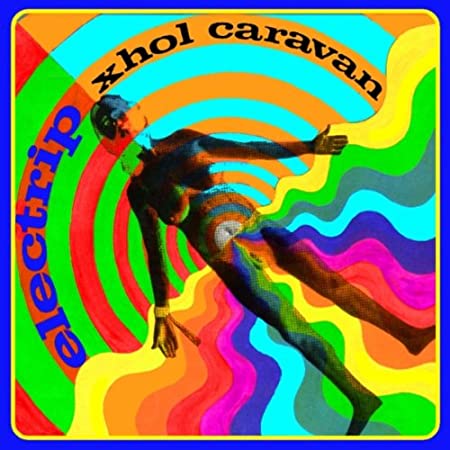
Keine Ahnung, wie wir nach Wiesbaden kamen (trampen?) und wie dann zu Belbe. Wahrscheinlich waren einige der Freunde im Jahr zuvor bei den berühmten Essener Song-Tagen gewesen, wo sich neben Zappas Mothers die neuen Krautgruppen wie Guru Guru Groove, Amon Düül, Embryo, Tangerine Dream und eben Xhol Caravan tummelten. Ich durfte da nicht hin, aber mit dem Beginn meines Studiums war der Weg frei für entsprechende abenteuerliche Unternehmungen. Wir landeten im Stadtteil Erbenheim, wo die Gruppe als Kommune zusammenlebte, eine Lebensform, mit der man sich damals radikal gegen alles Hergebrachte abzusetzen begann. Von Wiesbaden habe ich wenig gesehen. Jedenfalls hab ich keine lebendige Erinnerung daran. Wir tauchten in die ‚fremde‘ Welt der Kommune ein und versuchten uns zurechtzufinden. Belbe und die Seinen waren so stoned, dass uns als durchaus erfahrenen kleinstädtischen Gebrauchen aus der niedersächsischen Provinz  die Sinne schlackerten. Inmitten der Haschischschwaden machte Belbe uns Jüngeren klar, worum’s ging in der Musik und im Leben. Erfahrung direkt vor Ort an der Quelle also. Die Gruppe hatte nach ihrem Soul Caravan Album gerade Electrip, das erste Xhol Caravan Album (mit dem Hermaphroditen-Cover) rausgebracht. Es gilt als erstes Krautrock Album.


Die Musik war, wie der Titel schon indiziert, stark elektrifiziert. Es wurde nicht nur mit Wawa und anderen Effekten gearbeitet. Auch die Saxophone waren elektrifiziert. Es war also alles, was heute bei einem neuen Festival wie dem Magnet Festival eine Rolle spielt, damals bereits in nuce vorhanden. Due Gruppe machte eine wechselvolle Entwicklung durch, tritt aber Genaus so wie Guru Guru und Embryo immer noch auf. Nachzulesen ist das im sehr informativen Gespräch mit zwei Bandmitgliedern, dem Saxophonisten Hans Jürgen Fischer und dem Bassisten Klaus Driest.


Hier AUDIO von ELECTRIP 


Das Folgealbum Hau-Ruk wurde dann bezeichnenderweise im Göttinger CENTER aufgenommen, ein Spielort, den ich noch sehr lebendig und konkret vor Augen habe. Das CENTER war neben dem Jungen Theater, the place to be. Dort spielte von Guru Guru Groove bis Brötzmann alles, was damals relevant war, a really tripping place.


Und damit wär ich auch schon bei musikalischen Zentrum der damaligen freien Szene dort, der GALAXY DREAM BAND von Gunter Hampel (1937), einem Urgestein der deutschen und internationalen Freejazz- Welt, deren Mitglieder sich in meiner direkten Nachbarschaft, in der Philipp-Reis-StraBe, betriebsam tummelten. Dazu zählten Hampels Lebensgefährtin, die Vokalistin Jeanne Lee, der Klarinettist RobinsoPerry Robinson, der Drummer Steve McCall, der Violist/Bratschist Tom Marcus. Dazu gesellten sich Anthony Braxton, Marion Brown und Willem Breuker. Hampel arbeitete zu der Zeit sowohl in Göttingen als auch in New York und in Amsterdam, kehrte aber immer wieder in die Philipp-Reis-StraBe zurück. Ich hab die Gruppe in verschiedensten Besetzungen damals zahlreiche Male live erleben können.


In Erinnerung geblieben ist mir besonders eine magistrale live Vorstellung von Waltz For 11 Universes in a Corridor (klingt noch immer im Kopf). Die Platte hat mich in viele Jahren begleitet und will immer mal wieder gehört werden. Die Platte ist allerdings ‚kleiner‘, gespielt von einem Trio aus Gunter Hampel, Jeanne Lee und Tom Marcus. Dazu muss man allerdings wissen, dass Hampel ein Multiinstrumentalist ist und Bassklarinette, Vibraphon, Querflöte und Piano spielt. Es gibt eine vielstimmige Version der Galaxy Dream Band aus dem Jahre 1972 beim NDR Jazzworkshop


VIDEO GALAXY DREAM BAND concert


Anfang der 80er Jahre spielte Hampel in New York mit Musikern wie u.a. Curtis Fowlkes, Bob Stewart, Bill Friesel, und Barre Phillips und natürlich mit deutschen Cracks wie Albert Mangelsdorff und Manfred Schoof.

So bin ich unversehens von Wiesbaden zurück nach Göttingen gelangt. Dazu gibt es noch eine Reihe von Geschichten, die später noch erzählt werden können.


Manafonistas | Impressum | Kontakt | Datenschutz