Musik im Roman „Die Knochenuhren“ von David Mitchell (Teil 1)
Natürlich ist es nicht so, dass Mitchell in seinem neuen Roman seine persönliche Jukebox einrichtet, obwohl er sicherlich den einen oder anderen seiner Lieblingstitel untergebracht hat. Ansonsten, und das kennt man schon aus dem „Wolkenatlas“, versucht er natürlich sprachlich, kulturell, politisch und wirtschaftlich möglichst genau die jeweilige Zeit abzubilden.
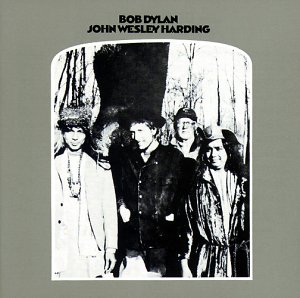
Am 30. Juni 1984 beginnt der Roman und wird musikalisch eröffnet durch die Talking Heads mit ihrem Album „Fear of Music“, die LP erschien am 13.06.1984, passt also genau. Holly liebt die Stücke „Heaven“ und „Memories Cant´t Wait“ dieser Platte besonders. In der Kneipe, die die Eltern der Protagonistin führen, gibt es, wie überall anfangs der 80er Jahre, durchaus noch Jukeboxen in den Gaststätten, im CAPTAIN MARLOW drückt jemand folgende Platten: „Daydream Believer“, „Rock All Over The World“ oder „American Pie“. Später dann darf sich Holly bei Bekannten eine Kassette(ja, man konnte beim Kauf damals tatsächlich zwischen Langspielplatte und bespielter Kassette wählen, auch z.B. beim Label ECM) wünschen, sie entscheidet sich für die wunderbare 1967 veröffentlichten Platte „John Wesley Harding“ von Bob Dylan und hört die Stücke „All Along The Watchtower“und „As I Went Out One Morning“. Was für ein Soundtrack zum Buch! Leider wird später REO Speedwagon (gar nichts für mich) aufgelegt, gefolgt von Musik der Gruppe Siouxxsie and the Banshees (kein bestimmtes Stück genannt) und dem Stück „Up the Junction“ von Squeeze (das habe ich ganz gerne einmal wieder gehört).
Im zweiten Teil des Buches springt Mitchell im Jahr 1991 mit seinen Lesern mitten in die Chorprobe des King´s College Choir hinein. Gesungen wird Benjamin Brittens „A Hymn to the Virgin“. Der Erzähler dieses Zweiten Teils der „Knochenuhren“, Hugo Lamb, macht sich so seine Gedanken über den Komponisten, der besagtes Stück 1930 komponiert hat: „Für mich ist Britten ein Hopp-oder-Top-Komponist: Oft langatmig, aber wenn sie zur Hochform aufläuft, fesselt die alte Tunte deine zitternde Seele an den Mast und peitscht sie mit glühender Erhabenheit.“ Später fragt der Erzähler sich, welches Musikstück er wohl hören werde, wenn er auf dem Totenbett liege. Etwas Frohlockenderes als „A Hymn to the Virgin“ falle ihm nicht ein, aber, so meint er später, wahrscheinlich würde es doch auf „Gimme! Gimme! Gimme! (A Man After Midnight)“ von DJ Knockout hinauslaufen. Diesen schrecklichen ABBA-Song kennen wir Leser natürlich, was DJ Knockout daraus gemacht hat, konnte ich leider nicht herausfinden.
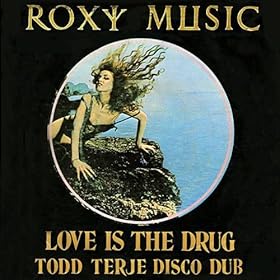
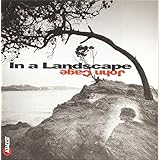
In diesem Kapitel spielt Musik eine sehr wichtige Rolle, neben Benjamin Britten: „A Hymn to the virgin“ (Choralmusik, ein Stück für gemischten Chor aus dem Jahre 1930), hören wir Cliff Richards „Mistletoe and Wine“, frühe Joni-Mitchell-Platten, Nirvana mit dem Album „Nevermind“, Musik von der Gruppe Roxy Music (z.B. „Love ist a drug), und natürlich Pink Floyds „The Dark Side of The Moon“ . Weiter geht’s mit KLF und „3A.M.Eternal“(interessantes Stück, kannte ich nicht), Phuture: „Your Only Fried“, Norfolklorists: „Ping Pong Apokalypse“(ein deutscher Titel!), Mory Kentè: „Yè kè yè kè“, Damon MacNish: „Exocets For Breakfast“ und mit, was mich besonders freut, Miles Davis: „In a Silent Way“ , leider wird dann aber auch Murray Head mit „One Night in Bangkok“ aufgelegt. Dann folgt, ganz ungewöhnlich, aber zu meiner großen Freude: John Cage: „In a Landscape“ und 10CC: „I´m Not in Love“. Die Auswahl ist groß, keine Frage. Wir schließen dieses Kapitel mit Dire Straits: „Tunnel of Love“ und „Lady in Red“ von Chris de Burgh (vermute ich mal; manchmal nennt Mitchell nur Titel von Musikstücken, aber keine Interpreten).