É claro que é também uma frase, mas não tão fácil de varrer com algumas pás. Não é assim tão fácil de eliminar. Também não estou pronto para me libertar do passado, que durante algum tempo me manobrou para uma posição externa, com atributos feios, como resultado de uma mistura da imagem constantemente protegida de um tipo supostamente bom, antigo professor e antigo padre, que agora, de repente, estilizou rigidamente o seu papel de vítima, nas minhas costas, circulava cobardemente e-mails privados da minha parte, menos Martina, que provavelmente não teria alinhado. Completamente incapaz de procurar uma conversa directa comigo. Um homem que conhecia bem o seu próprio temperamento colérico e não tinha medo de chamar aos trabalhadores culturais fora deste círculo „arqui-inimigos“. O que ele disse quando falei com ele ao telefone foi um gaguejar assustador e um desligar. As duas conversas que Ulrich então teve comigo tiveram o encanto de um teste de escuta e de atitude. Espero um pedido de desculpas de Uli, que não virá, de G., que não virá, e de Joey, que jogou juntamente com o jogo e se recusou a deixar-me entrar. Após um curto intervalo de tempo. Porque é que interferiu num conflito de adultos. A moralidade é por vezes um mau conselheiro quando é torcida e virada de antemão. O meu erro: nunca pensei que um antigo amigo deixasse que os meus textos para ele se tornassem do seu conhecimento comum e assim colocasse as suas ovelhas do seu lado. É assim que funciona a propaganda. Se ao menos se tivesse sentado num banco e praticado Za-Zen em vez de jogar este jogo patético e horrível! Ou simplesmente pegou no telefone.
Archives: Montag, 23. Januar 2012
2012 23 Jan.
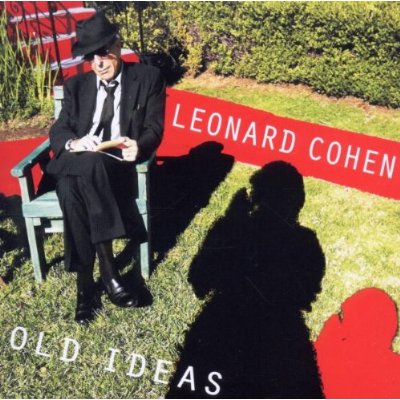
„Crazy has places to hide in“: Leonard Cohen’s new album „Old Ideas“
Michael Engelbrecht | Filed under: Blog,Musik aus 2012 | RSS 2.0 | TB | 7 Comments
„There is, however, a more appealing balance here between acoustic instrumentation (Cohen even returns to plucking the guitar strings at times) and what might be uncharitably termed his bizarre budget Bontempi sound, whereby each song seems to compete for the cheesiest drum machine sound or the tackiest, most dated synthesiser patches. Only an artist completely confident in his own aesthetic can get away with this – Cohen knows the impact of the contrast between his articulate, profound and haunting words and the occasional tackiness of his music is eerily powerful. For once, though, it’s sometimes hard here to discern the source of some of the sounds. Is the aching string line on Show Me The Place synthesised or not? Are the brushed drums on Amen performed or programmed? Either way, they serve as perfectly unobtrusive accompaniments …“ (source: OMH review, excerpt)
.
.
.
.
„I’m tired of choosing desire,
I’ve been saved by a blessed fatigue,
The gates of commitment unwired,
And nobody trying to leave.“
.
The voice so deep, „a thousand kisses deep“, to say it with the words of one of his songs. After listening to the album three times in a row, you realize there is no standout track, no future evergreen (the word evergreen should be banned anyway: too much nostalgia even takes the good part of darkness away). The longest track, „Amen“, is a hymn, a prayer that agnostics and atheists might fall in love with while enjoying the feel of ancient banjo, sepia-coloured violin and simple cornet. On „Old Ideas“ the man with the golden voice (good old joke!) doesn’t act like a preacher at all, and every verse that could seem to send a message carved in stone and song is quickly counterbalanced by dark humour, self-irony and stoicism. There are bluesy moments, slow-motion-gospel – and jazz-vibes. The gravity comes from the voice, and how it nearly creates new definitions of close miking and sub-bass, with the result of warm intimacy. And then there are all the female voices of older and newer times (from Jennifer Warnes to the Webb Sisters) doing the jobs of a second voice, a background, and a choir. An old Cohen tradition: but remember, on the first studio album of his demon-chasing life, the producer added these kind of angelic colours against the will of the singer to soften the scenery. An old trick that still works. It is the sincerity of the artist that allows him to stick totally to old ideas without any suspect he might have lost it. He’s just slowing down, down, down – with a clear eye for exit signs and open places: “Sometimes I’d head for the highway/ I’m old and the mirrors don’t lie/ But crazy has places to hide in/ Deeper than saying goodbye,” he sings/speaks on „Crazy To Love You“, accompanied by an acoustic guitar only. So, finally, closing time, silence, a last dying tone? No, that would be too pretentious. It’s better to leave the scene with a beat, a rhythmic soul groove – and asking for a kiss. Amen.
.
First Listen: Leonard Cohen – „Old Ideas“ (npr.music)
.
2012 23 Jan.
Frau Berg
Jochen Siemer | Filed under: Blog | RSS 2.0 | TB | Tags: sibylle berg | Comments off
Long time ago: im Fernsehstudio zur Nachtzeit sass Frau Berg – zusammengekauert, schneidersitzend, Zigaretten drehend – in akademischer Herrenrunde und machte ein genervtes Gesicht. „Darf man sowas bringen?“, fragte man sich da. „Was kann, heißt, nützt uns Denken heute?“ – so lautete die Frage und die kluge, nur scheinbar verkorkste Dame sprach: „Denken bringt doch eh nichts, ist doch nur im Kopf!“
Seitdem bin ich ihr verfallen – vielmehr ihrer Literatur; ihrem natürlichen, ungeschminkten Schreibstil; ihrem bissigen Scharfsinn, ihrer heilsamen (sic!) Negativität und Kurzweil. Die Autorin steht da in der Tradition der Skeptiker und weltverachtenden Aussenseiter, für die unsereins schon immer offen war.
Eine leise Note davon schwang schon bei Erich Kästner mit, den ich als Kind gern las. Dann natürlich, unvermeidlich: die Existenzialisten, es war zur Gymnasialzeit, und bei so mancher Angebeteten konnte man damit auch Eindruck schinden (das Wort „Heidegger“ stand bei Camus im Mythos von Sysiphos wie ein Reh in der Lichtung, und erst später – viel, viel später – wußte ich dann in etwa, was das heißt).
Die Entdeckung schlechthin aber war Emile Cioran. Auf den Gipfeln der Verzweiflung, mit Leidenschaft vermengt. Las alle seine Bücher, wie auf Droge. Negatives Denken ist erlaubt, befreiend, keine Sünde – so die Entdeckung – und es bewirkt auf wundersame Weise die Bejahung jener Welt, die einen Knacks hat, damit Licht einströmt.
Zurück zu Frau Berg: gern lese ich auch die Twitter-Zwitschereien und ihre Kolumne auf Spiegel-Online. Allein ihren Vornamen kann ich noch nicht richtig schreiben, schreibe ihn immerzu mit Ypsilon am Anfang, so wie Sysiphos.