„I learned at a very young age that music teaches you about life. When you’re in the midst of improvisation, there is no yesterday and no tomorrow — there is just the moment that you are in. In that beautiful moment, you experience your true insignificance to the rest of the universe. It is then, and only then, that you can experience your true significance.“
.
Archives: Sonntag, 22. Januar 2012
2012 22 Jan.
Charlie Haden says:
Michael Engelbrecht | Filed under: Blog | RSS 2.0 | TB | Comments off
2012 22 Jan.
Gregor öffnet seinen Plattenschrank (11)
Gregor Mundt | Filed under: Blog | RSS 2.0 | TB | 7 Comments
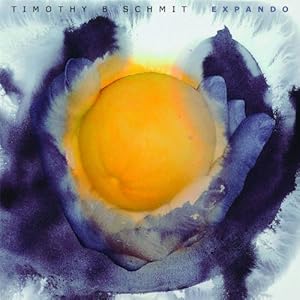
Der Aufwecksender meines Vertrauens, DeutschlandRadio, brachte vor ein paar Tagen in aller Frühe eine Platte, bei der ich dachte, Crosby, Stills, Nash and Young hätten eine neue CD aufgenommen. Ein Blick auf die Tagesplaylist des Senders belehrte mich eines Besseren, Timothy Schmit war da am Werk. Aber, so konnte ich inzwischen in Erfahrung bringen, Graham Nash war bei dieser Aufnahme tatsächlich dabei. Das Stück: Parachate. Die Platte ist schon 2009 veröffentlicht worden, sie ging damals an mir vorbei, ist aber durchaus hörenswert. Jim Keltner und Van Dyke Parks sind auch mit dabei, Titel der CD Expando.
.
.
.
.
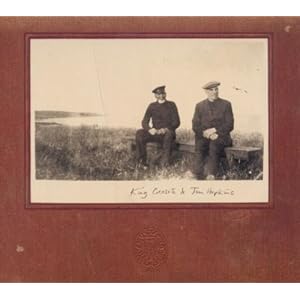
Hab´ ich doch glatt eine ganz wichtige Platte aus dem Jahr 2011 vergessen, in meine Top 30 des Jahres 2011 aufzunehmen, dabei gehört sie zu den Favoriten des letzten Jahres. Die Rede ist von King Creosote & Tom Hopkins und ihrer famosen CD Diamond Mine. Die Platte hört sich an, als hätten die Musiker zunächst ein Hörspiel aufnehmen wollen, ich erinnerte mich sofort an die Geräusch und Musikplatte von Set Fire to Flames `Sings Reign Rebuilder´ . Es beginnt mit Geräuschen einer schottischen Pub, es folgt ein herzzerreißende Klaviermeldodie und, wenn der Meister dann erst singt, ist es um den Hörer geschehen. Und weiter geht es durch Schottlands raue Landschaft, Möwengeschrei, wunderschöne Songs… „We think the result is rather moving – let us know below whether or not you agree that Diamond Mine is a gem.“(The Guardian)
Und erst die Plattenhülle…..
.
.
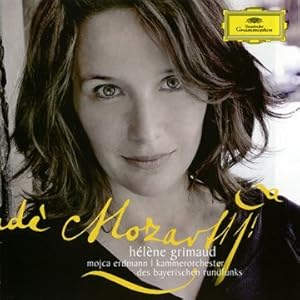
Und noch eine großartige Platte aus dem Jahr 2011 gilt es zu erwähnen: Hélène Grimaud´s Mozart Album. Zusammen mit dem Kammerorchester des Symphonieorchesters des Bayrischen Rundfunks unter Radoslaw Szulc spielte Hélène Grimaud zwei Klavierkonzerte Mozarts in München im Prinzregententheater auf einem Steinway D5 im Sommer 2011 live ein: Die Klavierkonzerte Nr. 19 und 23 (KV 459 und 488). Zusätzlich findet sich auf der CD noch die Konzertarie „Ch’io mi scordi di te“, gesungen von der Sopranistin Mojca Erdmann. Hélène Grimaud schreibt dazu: „Es ist eine Liebeserklärung mit Klängen anstatt mit Worten. Natürlich gibt der Text Hinweise, um was es geht. Aber für mich ist das zweitrangig. Die Musik muss ihre eigene Struktur und ihren emotionalen Gehalt erhellen. Wer an der Szenerie und dem Text klebt, reduziert die Musik. Man kann sich alles Mögliche vorstellen: das Klavier als männlichen Part, die Stimme als weiblichen – oder anders herum. Am Ende triumphiert die Liebe, sogar in der Resignation. Noch aus der Perspektive des gebrochenen Herzens bleibt die Liebe stärker – für mich eine schöne Botschaft.“
Wer mehr über diese fantastische Musikerin wissen möchte: die Süddeutsche Zeitung veröffentliche ein Porträt der Pianistin am 26.11.2011.
.
.
.
2012 22 Jan.
Who by Fire – Loving Leonard’s „Old Ideas“ (reprise)
Michael Engelbrecht | Filed under: Blog | RSS 2.0 | TB | Comments off
The voice so deep, „a thousand kisses deep“, to say it with the words of one of his songs. After listening to the album three times in a row, you realize there is no standout track, no future evergreen (the word evergreen should be banned anyway: too much nostalgia even takes the good part of darkness away). The longest track, „Amen“, is a hymn, a prayer that agnostics and atheists might fall in love with while enjoying the feel of ancient banjo, sepia-coloured violin and simple cornet. On „Old Ideas“ the man with the golden voice (good old joke!) doesn’t act like a preacher at all, and every verse that could seem to send a message carved in stone and song is quickly counterbalanced by dark humour, self-irony and stoicism.
There are bluesy moments, slow-motion-gospel – and jazz-vibes. The gravity comes from the voice, and how it nearly creates new definitions of close miking and sub-bass, with the result of warm intimacy. And then there are all the female voices of older and newer times (from Jennifer Warnes to the Webb Sisters) doing the jobs of a second voice, a background, and a choir. An old Cohen tradition: but remember, on the first studio album of his demon-chasing life, the producer added these kind of angelic colours against the will of the singer to soften the scenery. An old trick that still works.
It is the sincerity of the artist that allows him to stick totally to old ideas without any suspect he might have lost it. He’s just slowing down, down, down – with a clear eye for exit signs and open places: „Sometimes I’d head for the highway/ I’m old and the mirrors don’t lie/ But crazy has places to hide in/ Deeper than saying goodbye,“ he sings/speaks on „Crazy To Love You“, accompanied by an acoustic guitar only. So, finally, closing time, silence, a last dying tone? No, that would be too pretentious. It’s better to leave the scene with a beat, a rhythmic soul groove – and asking for a kiss. Amen.