Manafonistas

on life, music etc beyond mainstream

You are currently browsing the blog archives for the day Samstag, 16. Juli 2011.

Archives: Samstag, 16. Juli 2011

When a couple decides to adopt a stray cat their perspective on life changes radically, literally altering the course of time and space and testing their faith in each other and themselves.

Coming to theatres on August 17, 2011
Starring: Miranda July, Hamish Linklater, David Warshofsky, Isabella Acres, Joe Putterlik

https://www.youtube.com/watch?v=ZqEIhG59ebc

Miranda July ist die Meisterin des Subtextes, der kleinen Details, der Absurditäten des Alltags, der Gedanken, die nicht ausgesprochen werden. All das, was nicht gesagt wird und doch so entscheidend ist in Beziehungen zu anderen: das Ringen um Nähe, die Sehnsucht danach, die Schwierigkeit, sie aufzubauen und dann auch auszuhalten. »Das kann ich wirklich gut beschreiben. Darin fühle ich mich als Superheldin«, sagt sie. Sie schafft es durch Humor, genaues Beobachten und emotionale Tiefgründigkeit, die Gegenwart in all ihrer Kompliziertheit und Skurrilität abzubilden. Auch die Figuren in ihrem Film The Future scheinen das momentane Lebensgefühl der Vereinigten Staaten widerzuspiegeln – angeschlagen, etwas isoliert, von sich selbst besessen und dabei in sich gefangen (aus: Zeit-on-line)

Dear Friends:

Three of us are looking for a few more people to fill out a group traveling to Tibet in mid-September.  We are heading to Yeshe Tsogyal’s birthplace, the Padmasambhava cave complexes of Dzong Kumbum and Drak Yongdzong, and onward to Samye Chimpu and the Yarlung Valley, ending at Yarlung Sheldrak, the famous “Crystal Cave.”  Not organizing this, just tagging along with a doctor, a lama, a saxophone player, and a hobbit.  Optional side trip to Mordor to toss the One Ring into the fires of Mt. Doom. 

We are working with a Tibetan-owned company in Lhasa and are splitting all land costs, which appear to be about $1400 each.  Our motto: “Hard travel to airless places.”  Please get in touch if you’re interested, and  pass this on to anyone you think might want to go.

Cheers from Minnesota,

Steve


P.S. from Michael Engelbrecht: if you are seriously interested, just let me know via comment, and i will email you all informations that are necessary.

Hi Michael!  All well, and heading to Tibet.  Fun!  Still pursuing the Dream Yoga you introduced me to in a bar in Dortmund many years ago, no success yet!  Photo is from Kailash, 2009.

Here’s a review I like:

Compilation: Acoustibbets/Elektrobitts/Exotibbets by Steve Tibbetts. So I got a cover letter from Tibbets, saying he’d mastered this 3-CD set from analogue tapes of his 12 CDs and he didn’t know what he was going to do with it. Well, how about selling it and receiving remuneration for your jaw-dropping artistry? I know, I know. In 2011, only Wall Street deserves remuneration for the great service it provides to mankind. Brilliant, one-of-a-kind guitarist/composers should starve with the rest of us. Even so, I think that if the Ventures had gone to the Himalayas right after they first heard Dick Dale, and if they’d learned to play instruments made from dried yak intestines stretched over the femurs of Abominable Snowmen, and then contemplated Miles Davis’ navel for 20 years in a mountain monastery…if all that, then they could have been Steve Tibbetts, and Steve Tibbetts could have had a big hit with“Walk Don’t Run.”

Cheers,

Steve

2009 Kailash north face / -Lott

At one stage in the making of his fantastic album „Natural Causes“, Tibbetts included an acoustic version of Jimi Hendrix’s “Villanova Junction” in his track list, but ultimately felt it didn’t fit the album’s flow. The orphaned track has since been posted by Steve on YouTube, and can still be heard there.

The journey towards ‘a result’ on “Natural Causes” was, as Tibbetts freely admits, a halting one. The artist’s final assessment: “I have a real fondness for the whole thing, similar to a fondness you’d have for a three-legged cat you’d adopted. You don’t drive your kids to the pet store with the intention of buying a three legged cat, but if one hobbles up to your door and you feed it, you might eventually grow fonder of that cat than a regular four-legged one. It’s like that.”

Hier ist das „virtuelle Interview“, das ich mit Steve Tibbetts anlässlich seines Albums „Natural Causes“ machte.  Er sitzt daheim in seinem Studio, liest meine Fragen,  und erzählt.

Tibbetts Interview (mp3)

Guitar Triggers-02 (mp3)

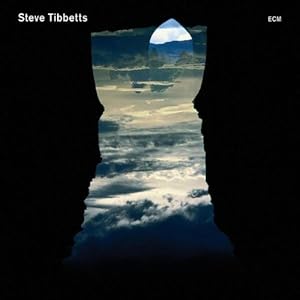
Natural Causes


Werke von Steve Tibbetts erscheinen in gehörigen Abständen; der Mann hat es nicht eilig. NATURAL CAUSES heisst der jüngste Streich, und in seiner In-Sich-Gekehrtheit erinnert er von ferne (zumindest im meditativen Gestus) an NORTHERN SONG, sein Debut auf dem Label ECM. Was Marc Anderson (Perkussion, Steel Drum, Gongs) und Steve Tibbetts (Gitarren, Piano, Kalmba, Bouzouki)zu Wege bringen, entstand damals ohne Overdubs in einem norwegischen Tonstudio an zweieinhalb Tagen – jetzt haben sie die vertraute Studiotechnologie in St. Paul benutzt, um in feinen Schichtungen musikalische Essenzen zu destillieren. Immer wieder schimmert da ein fernes Asien durch, selbst, wenn die Klänge einer Bouzouki, Kalimba und Steel Drum eher mit anderen Erdregionen assoziiert werden. Tibbetts hat lange Erfahrungen gesammelt, vor Ort.

Rückblende: man nenne dies nicht Fusion Music und auch nicht Crossover. Die Musik des 1954 in Madison, Wisconsin, geborenen Steve Tibbetts erzählt vom Reisen. Mit sechs Jahren hatte Steve begonnen, die Ukulele zu erforschen, und griff zur akustischen Gitarre, sobald seine Hände sie fassen konnten. Später spielte er in Rockbands und richtete sich im Laufe der Zeit in St. Paul, Minnesota, ein eigenes Studio ein, das bald zum zweiten Instrument wurde – Klangmanipulationen gehörten zum Handwerk eines Musikers, der in seienr Jugend mal über Wochen Tomorrow Never Knows von den Beatles und Ege Bamyasi von Can hörte.

Der Globetrotter aus Passion hielt Abstand zu jedem drohenden Mainstream, vermied die mechanische Griffbrettartistik mancher Kollegen und kämpfte gegen den üblichen Etikettenschwindel: „Folkmusik vom Mars“ nannte ein Journalist sein Klanggebräu. Seine erste große Reise führte nur nach Oslo: Unter der Klangregie Manfred Eichers entstand die karge, leicht pulsierende Gelassenheitskunst von Northern Song. Seitdem mischte der Gitarrist die Höhen- und Breitengrade seiner Musik nach den Gesetzen des freien Falls von Mikadostäbchen und produzierte brillante Werke, mit Titeln wie Safe Journey (1984), Big Map Idea (1990) oder The Fall Of Us All (1994) – eine konstante Verletzung des Orientierungssinnes. Manchmal sind da Geräuschspuren der Fernstraßen um Minneapolis zu hören, der Rocky Mountains oder eines Mönchschors aus Tibet.

Fetzen eines fremden Alltags fanden sich Anfang der Nuller Jahre auch auf seiner CD A Man About A Horse, wenn beim Sampeln Natur- und Tierlaute zusammen mit den bronzenen Sounds von Gongs gespeichert werden (ECM 1814). Fasziniert ist Tibbetts von der Kebyar-Schule der Gamelan-Musik, ihren explosiven Attacken, kühnen Synkopen und verwickelten Läufen aus Blockakkorden. Bali, Indonesien und Nepal wurden bald zum ständigen Reiseziel. Er hört zu, wenn ein Einheimischer von den Geistern der Bäume spricht, und lässt sich vom endlosen Klingklang indonesischer Puppenspiele in den Schlaf wiegen. Kehrt Steve Tibbetts von seinen Reisen zurück, arbeitet er mit frei schwebenden Erinnerungen, nicht mit akustischen Abziehbildern. Asien wird hier zu einer Welt, von der ein später Jimi Hendrix geträumt haben könnte. Komplexe Texturen, die, allem Gitarrenfeuer, aller Perkussionsdichte und Basswucht zum Trotz, eine seltsam beglückende Klarheit verströmen – als könnte man der Musik beim Luftholen zuhören!

Zurück zu NATURAL CAUSES. Hier klingt kaum etwas nach der tantrischen Ekstase von THE FALL OF US ALL oder A MAN ABOUT A HORSE. Hier bricht sich eine (so seltsam das klingen mag) vibrierende, durchdringende Ruhe Bahn, in vornehmlich akustischen Texturen. Lebendige Pulsschläge einer Musik, die eine fantastische Balance findet zwischen Stille und Klang und Rhythmus (abseits der Klischees, die hier immer gleich etwas Heiliges und Spirituelles ins Feld führen!). Was inspirierte Steve Tibbetts diesmal? Nun, es war (u.a.) das an die menschliche Stimmme erinnernde Sarangi-Spiel eines virtuosen indischen Musikers. Tibbetts weiß, wie wenig Sinn es macht, solche asiatischen Klänge naiv oder haarklein in amerikanische Kontexte zu überführen – die fremde Welt darf ihre Fremdheit nicht einbüßen. Das Resultat ist ein Gewebe aus Orient und Okzident, wie man es selten zu hören bekommt. Aber auch solche Kunst führt ins Private, beharrt nicht in abrakten Landkartenideen. Zu der Zeit, als Tibbetts und Anderson an der Musik arbeiteten, war Steves Schwester schwer erkrankt, und die Famile spürte die Gegenwart des Todes. Man lebte in der Vorstelllung, eine geliebte Person bald zu Grabe tragen zu müssen. Und auch dieser Schmerz hat Eingang in diese leise intensive Musik gefunden. Nun, die Dinge nahmen eine Wendung zum Guten, aber etwas von dieser Zeit hat sich in den Zwischentönen niedergelassen, eine Art ungezwungene Einkehr und Nachdenklichkeit.

Sean Kutzko, a long-time fan of Steve Tibbetts, wrote a review on Amazon.com:  „I’ve noticed a curious trend with me whenever Steve Tibbetts releases a new CD: I immediately freak out at the news, order it as soon as possible, and then wait for it to arrive without trying to learn any more about the release. When it finally arrives, there is a very conscious period of time when I hold it in my hands and wonder just what I’m going to get. It’s kind of like in baseball, when the runner rounds third and you realize there’s going to be a play at the plate. There’s a very fun couple of seconds where you know you’re going to see something exciting but you don’t know exactly how it’s going to turn out. I love that about Steve’s CDs. The other thing I’ve learned since Big Map Idea was not to make any initial reviews on the CD. Whether acoustic or electric, Steve’s music is exceptionally rich. It takes time to digest. Natural Causes is a definite shift from his last non-collaborative release, The Fall Of Us All. Yet the album is pure Steve; No track drove this point home to me more than „Chandogra.“ At :18 into the piece, as the acoustic guitar sets the theme, there is a two-note wisp of haunting guitar that definitively sets the mood as Tibbettsian. The rest of the piece features the all-too-familiar mood of Marc Anderson’s frame drums, cymbals and other incidentals coupled with Steve’s thumb piano and stream-of-consciousness lines and hammer-ons. There is no other duet that has such a signature like Tibbetts and Anderson. Like Northern Song, there’s a lot of space between the notes here. It’s beautiful; enjoy it several times, and you will come to see that nobody else could have possibly made such a recording as this.“


for more information:

https://stevetibbetts.com/


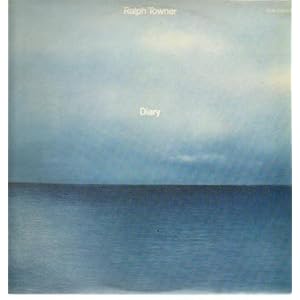
Even in the context of Towner’s brilliant career, „Diary“ is an outstanding album — one of the four or five masterpieces in Towner’s solo oeuvre. It’s an astonishingly intimate album, almost private and hermetic as it drills down through layers of gorgeous melody to the roots of music itself in free pieces like „Entry in a Diary.“ This is one of the great rainy day albums of all time, featuring probing dialogues between Towner’s guitar and piano, with occasional percussion. There’s a tender sadness here, but there’s also joy and triumph. Note: This is „early“ Towner — the same moody genius of Oregon’s „Distant Hills“ and „Winter Light.“ The oft-played „Icarus“ gets a victorious reading here, with a tension between the unbridled ecstasy of the melody and Towner’s fragmented attack; „Mon Enfant“ is a perfect solo guitar miniature for the ages — one can imagine Bach hearing it and musing on its delicate melancholy; „Images Unseen“ and „Entry in a Diary“ extend the guitar and piano landscape into free space, adding percussion, in the manner of Oregon’s set-opening improvisations; and one wishes that „Ogden Road,“ with its poignant exchanges between Towner’s inimitable crystalline guitar and his Bill Evans-style piano meditations, would go on forever. A fine introduction to Towner’s solo work — even more inward than, say, „Open Letter,“ if not quite as incendiary as „Solo Concert,“ and more intense than his later all-solo all-instruments outing, „Blue Sun.“ Highest recommendation. (Steven Silberman, Wired)


diary LP
 

Der Titel des Songs „My Cosmic Autumn Rebellion“  bezieht sich auf meine Rebellion gegen diese Narren, die meinen, daß die Weisheit des Lebens ihnen mitgeteilt hat, daß alles immer schlechter und kälter und dunkler wird. Dahinter  steht die Anschauung, daß mit dem Älterwerden, mit dem Herbst des Lebens  die Geheimnisse gelüftet sind – und was am Ende des Tages übrigbleibt,  sei  alles brutal und häßlich und leidvoll! Aber sie haben unrecht! Sie haben nur  Mist im Kopf!   Sie wissen gar nichts!  Natürlich werden  einige Rätsel gelöst. Eine Tür schließt sich, aber eine andere geht auf. Du kriegst ziemlich schnell mit, daß es keinen Weihnachtsmann gibt,  aber es sind wirklich Menschen da draussen, die diese Ideen  verkörpern von Großzügigkeit und Freundlichkeit und einen voruteislfreien Blick auf das Potential, das Menschen besitzen.  Dieses Verständnis von Welt wird nicht aufhören zu existieren. Vielleicht gibt es keinen Jesus, na und. Aber vielleicht ist da eine Magie in der Freundlichkeit, in der Fähigkeit, einander zu verstehen!  Vielleicht gibt es keine UFOs, aber vielleicht  ist, irgendwo im Weltraum, die Vorstellung von endlosen  Möglichkeiten real!  Die Geheimnisse der  Liebe und der Existenz  und des Todes, wir werden nie dahinter kommen!

https://www.youtube.com/watch?v=Maylcu3kT6I (My Cosmic Autumn Rebellion)

https://www.youtube.com/watch?v=ETI72zGyzZI (if you don´t  fall in love with this incredible song called DO YOU REALIZE, then the Flaming Lips will have nothing to offer to you!)

One, two, three, four –
Do You Realize – that you have the most beautiful face
Do You Realize – we’re floating in space –
Do You Realize – that happiness makes you cry
Do You Realize – that everyone you know someday will die

And instead of saying all of your goodbyes – let them know
You realize that life goes fast
It’s hard to make the good things last
You realize the sun don‘-go down
It’s just an illusion caused by the world spinning round

Do You Realize – Oh – Oh – Oh
Do You Realize – that everyone you know
Someday will die –

And instead of saying all of your goodbyes – let them know
You realize that life goes fast
It’s hard to make the good things last
You realize the sun don‘-go down
It’s just an illusion caused by the world spinning round

Do You Realize – that you have the most beautiful face
Do You Realize


Yoshimi Battles the Pink Robots

https://www.youtube.com/watch?v=WESzcFiEP4M&feature=related


Manafonistas | Impressum | Kontakt | Datenschutz