Manafonistas

on life, music etc beyond mainstream

You are currently browsing the blog archives for the month August 2021.

Archives: August 2021

2021 21 Aug.

„Let it be“

| Filed under: Blog | RSS 2.0 | TB | 5 Comments


Es dauerte ja damals etwas, bis wir begriffen, dass die Beatles uns nicht dazu anhielten, etwas seinzulassen, sondern loszulassen. Aber, gut, wir hatten verstanden. Im wahren Leben dauert es etwas mit dem Loslassen, bei den Herzensangelegenheiten. Im Dezember lasse ich los – offiziell und ohne Rücktritt vom Rücktritt: die Klanghorizonte im August, Oktober und Dezember werden meine letzten Nachtsendungen im Deutschlandfunk sein, und die Sendung heute Nacht enthielt schon alles, was einen Abschied besiegelt, es könnte schon die letzte sein. Mit Jon Hassell in South Kensington sitzen, in einem tropischen Sommer 1990 und vom Pearl Hotel erzählen, in 40, West Cromwell Road (es war einmal) – gibt es ein besseres „see you down the road“? Meine erste Ausgabe der Klanghorizonte war im Frühjahr jenes Jahres. Wenn alles wie geplant läuft, verabschiede ich mich im Oktober mit einer ganz „normalen“ Sendung  incl. einer „Rhapsody in Dub“ in der Mitte (Garvey‘s Ghost wird dabeisein), und im Dezember mit dem, was mein Freund Brian Whistler „free form radio“ nennt. Dann wird jeder Track eine Spur, ein Thrill, und eine Zeitreise sein. Bevor ich jetzt in Stimmung komme, von Herman‘s Hermits „My Sentimental Friend“ aufzulegen (ich erinnere mich an einen heissen Augustnachmittag, in dem der Song aus dem Transistorradio erschall, im Wildbannweg in Dortmund-Kirchhörde, und ich den bis dahin unerwartetsten, heftigsten Kuss meiner Teenagerjahre bekam),  verrate ich ihnen, was gerade auf sechs Schallplattenseiten läuft, während ich diese Zeilen mit kleinen Atempausen uptempo runterspule, ein Album, für das die Worte „turn the volume up!“ erfunden wurden, Robert Hoods „Minimal Nation(die Ausgabe mit weissem Vinyl). Mehr Bauhaus als Jugendstil!


Loslassen Nr. 2


Dieser Groove stammt vom Juno 2. Es war eine Art „Grauzonen-Sound“, wie ich ihn nenne. So einen Sound hatte ich noch nie gehört. Ich erinnere mich, dass ich mich mit King Britt zusammengetan habe und ihn ohne Führerschein durch die Gegend gefahren habe, um ihm Detroit zu zeigen, und wir wurden von der Polizei angehalten. Und die Polizei hielt mich einfach an. Es war einfach hart, Mann. Am Ende hat mich die Polizei einfach gehen lassen, ohne Führerschein, ohne Versicherungsnachweis. King Britt war bei mir in der Wohnung und hörte sich ein paar Tracks an, und ich weiß noch, wie er sagte: „Wow, was du da mit diesem Juno 2 und all dem machst – das ist einfach anders. Du hast etwas Gutes damit. Das ist dein Sound.“ Und so wurde daraus, das ist mein Rhythmus, „The Rhythm of Vision“, denn „The Vision“ wurde ich genannt, als ich bei Underground Resistance war. Es passte einfach zu dem Sample und dem Groove, es machte einfach alles Sinn.

(Robert Hood)


Loslassen Nr. 3


Take your time, let‘s say, three weeks, one for each season of „The Leftovers“, learn „The Boxer“, each verse, no  other preparation required, sit back and float downstream, be ready to join the karaoke version of that Paul Simon song, and let every episode rush over you. As the show broadens geographically it does the same tonally, newly injected with a kind of mordant humor as its characters begin to give in to rather than resist its grand, apocalyptic currents. 


2021 21 Aug.

the light, the serious, and the showdown

| Filed under: Blog | RSS 2.0 | TB | Comments off


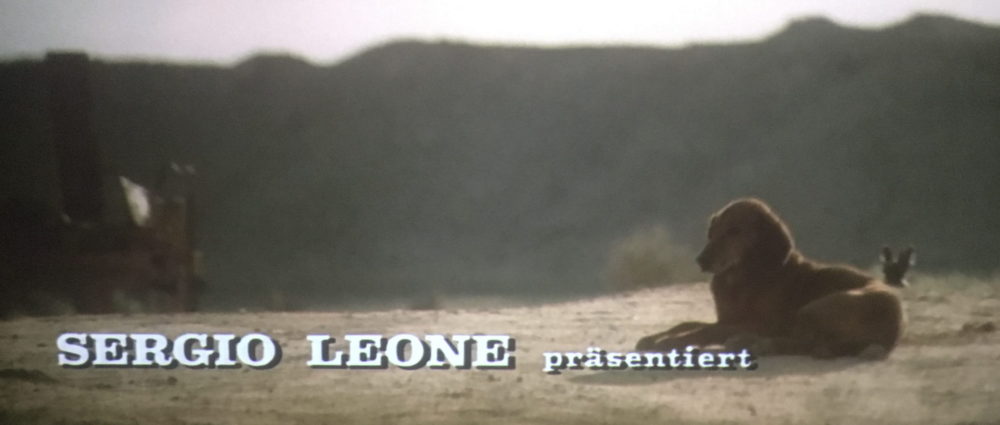
While „My Name Is Nobody“ feels like a step down from the grandeur of Leone’s spaghetti Westerns, that’s part of the point, and part of the charm. Nevertheless it is based on an idea by Sergio, and in its mix of the absurd, the non-sensical, and the tragic dimension of its core theme it is a journey worth the ride. Henry Fonda. Terence Hill. The soundtrack. And a film rarely fails with a dog in the first scene. 


„Es hat einen ganz anderen Effekt, wenn man sich im üblichen, meinethalben erprobt-analytischen, Jargon, über die Band The Mountain Goats auslässt, oder ob man, in Bezug auf ihr  Werk „Dark In Here“,  die vier Texte allein den Songs voranstellt. Dann spürt man erst mal, wie diese Diskrepanz sich anfühlt, von geschmeidig vorgetragenen Liedern, und ihren abgründigen Stories. Eine andere Art von Verfremdung, und die Stimme ist der „go-between“ zwischen beiden Welten.“


SIX KINDS OF DARKNESS


These „six kinds of darkness“ refer to the six records of hour one handling that thing called darkness in various, even illuminating ways. Again, apart from „Dark in Here“, no album would be regarded as patricularly „dark music“, and even John Darnielle’s song cycle has its uplifting moments. Thrilling it is anyway, from start to end.

And the safari of the North Men, well, they must have a decent amount of light sources on board for their special mission. By chance, days ago, I saw that old John Carpenter movie „Dark Star“, a low-budget sci-fi noir classic with a touch of humour and some bossa nova – always a joy, in fantasy or real life, to see what the astronauts‘ choices are when listening to music on their missions to unknown and distant worlds. In  case of Eivind Aarset‘s forthcoming work, Mojo writes: „However far out Aarset travels, he never loses touch with melody, and his ninth album as leader could be his best.“


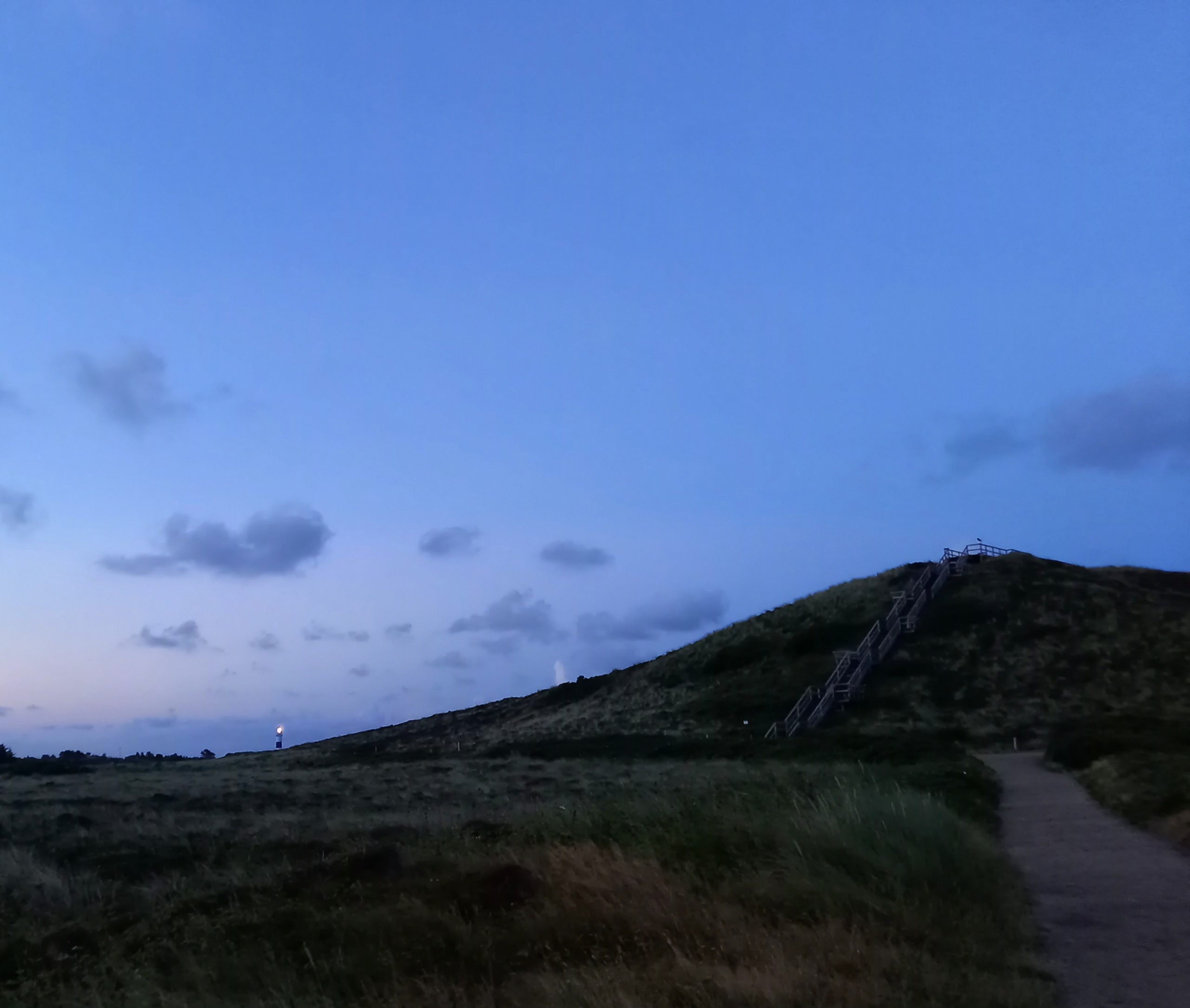
(This photo was shot on a dark star safari by Susanne Berndt. „Spider and i sit watching the sky / in a world without sound“). One of the darkest albums of the night will be the new record by Schwalm & Reuter, full of rare noise (to name-drop their label), a duo that will be part of the second night hour, and that has already earned critical praise, with a vocabulary oscillating between „nightmarish“, „black hole music“ and „Swans-esque blocks of sonic fear“. „For listeners willingly or not in the throes of this spellbinding trip, Schwalm & Reuter morph from the deeply cerebral to an equally penetrating visceral, then back again; that range of dynamics depends on the natural proclivity of the listener or a spontaneous surrender to temptation, to turn up the volume.“ Even that can be a joyous ride, and why so? Cause, in every second of listening to „Aufbruch“, you feel very, very awake. Call it survival instincts! Safe journey. 

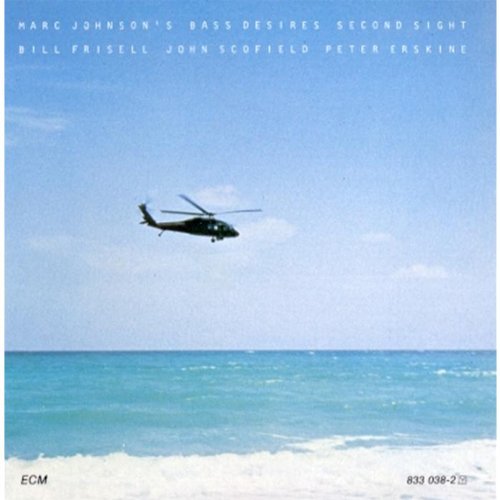
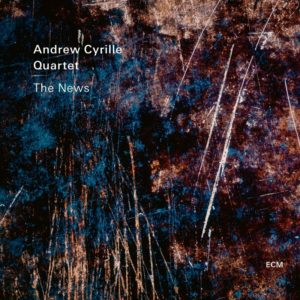
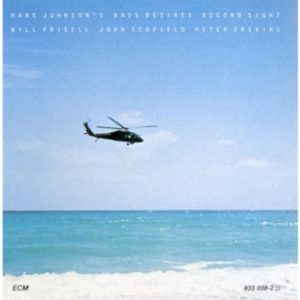
By the way: The 81-year-old drummer Andrew Cyrille deploys crisp cymbals, hushed snares and even brushes on newspaper for this entrancing set alongside Bill Frisell, Ben Street and David Virelles – „The Guardian“ just called „The News“, produced by Sun Chung for ECM, their „jazz album of the month“. Marc Johnson‘s bass solo masterpiece „Overpass“, another ECM highlight of 2021, will be featured in the theme hour of the night, no idea yet which version of „Nardis“ I will finally chose. The darkest one may be the one from Bill Evans, a long time ago, during a night in Paris. Marc Johnson was there!


Dark Star Safari
Eivind Aarset
lyrics by John Darnielle
The Mountain Goats
Andrew Cyrille Quartet: The News
The Mountain Goats

lyrics by John Darnielle
Eivind Aarset
OTON Marc Johnson
Marc Johnson


SINGING IN CAVES


Not every Mountain Goats album is shooting the stars from the sky, but this one does. For me „Dark In Here“ is, in all its elegance, understatement and intensity, one of their very best, in a broad collection of good, great and excellent albums. In the beginning The Mountain Goats were John Darnielle himself (I fell in love with this music when listening to „The Coroners‘ Gambit“, a long time ago, pure lo-fi shangrila of primitve equipment, and my love grew stronger, when John turned to crystalline chamber music solitudes on 4AD longplayers) – meanwhile they are a band that, in my decent opinion, are one of the most profound units on the planet. They can perform with the intricate charms of Steely Dan, the poignant sharpness of early Talking Heads, and the poetic depth of Leonard Cohen. „This time the band hones in on catastrophe; characters are never quite at the centre of disaster, but find themselves either in its anticipation or aftermath.“ The album has a  subtitle: „12 Songs for Singing In Caves,  Bunkers, Foxholes, And Secret Places Beneath The Floorboards.“  Good company guaranteed. And if you ever asked yourself recently, how Brian Eno’s „lighthouse radio station“, his co-operation with Sonos, might look like, here it is, in all its glooming glory:



STERNZEIT

Talking
Dark Star Safari
J. Peter Schwalm & Markus Reuter
lyrics
The Mountain Goats
Moritz von Oswald Trio
The Mountain Goats
lyrics

J. Peter Schwalm & Markus Reuter
Talking
Brian Eno – from a collection of hidden gems
Brian Eno – from The Lighthouse
Brian Eno and Roger Eno at the Akropolis


A SHINING ABSENCE


Nardis ist einer der schönsten Jazzsongs überhaupt, eine Erfindung von Miles Davis. Er hat seine Komposition wohl nie selbst eingespielt. Bill Evans erschuf das umfassendste Kompendium dieses wunderbaren Stückes – eine Welt für sich. Niemand hat die tiefe Melancholie dieser Melodie so freigelegt wie Bill Evans in fast balladesken Versionen, in verzweifelt ruppigen up-tempo Variationen wie jener aus Paris vom 26. November 1979 mit seinen Partnern Marc Johnson und Joe LaBarbera 10 Monate vor seinem Tod. (HDK)


there is no other composition by miles davis that in spite of its early recognition as an instant classic of modern jazz composition and countless versions played by others he himself didn’t breathe life into at all stunning no single performance no bootleg discovery just an empty page in a huge discography just a piece of paper with perhaps skeletal notation maybe he listened to bill evans one night and thought bill should own it kind of dance around it in his own peculiar ways maybe a gift for bill for putting his magic into kind of blue the album  think of all the other dancers who followed jackie terrasson john abercrombie ralph towner to name a few who added a dance a picture a ripple of time in my false memory nardis was played on one of those famous albums we know so well from the miles davis quintet or well well just another radical example for miles‘ less is more approach a shining absence imagine


Opening words
Marc Johnson‘s Bass Desires (second album)
OTON Marc Johnson (on Whorled Whirled World)

Marc Johnson: from Overpass
OTON Marc Johnson (on Dave Holland‘s Emerald Tears)
Nardis (version from Ralph Towner‘s „Solo Concert“)
Marc Johnson: Nardis (from Overpass)
Nardis (version from Jackie Terrasson‘s „Smile“)
OTON Marc Johnson (on the recording in Sao Paolo)
Marc Johnson: from Overpass
OTON Marc Johnson (on Marc Wade‘s cover)
Marc Johnson‘s Bass Desires (second album)
Closing words
KALENDERBLATT


THE LONG PARTY AT THE BREAK OF DAWN


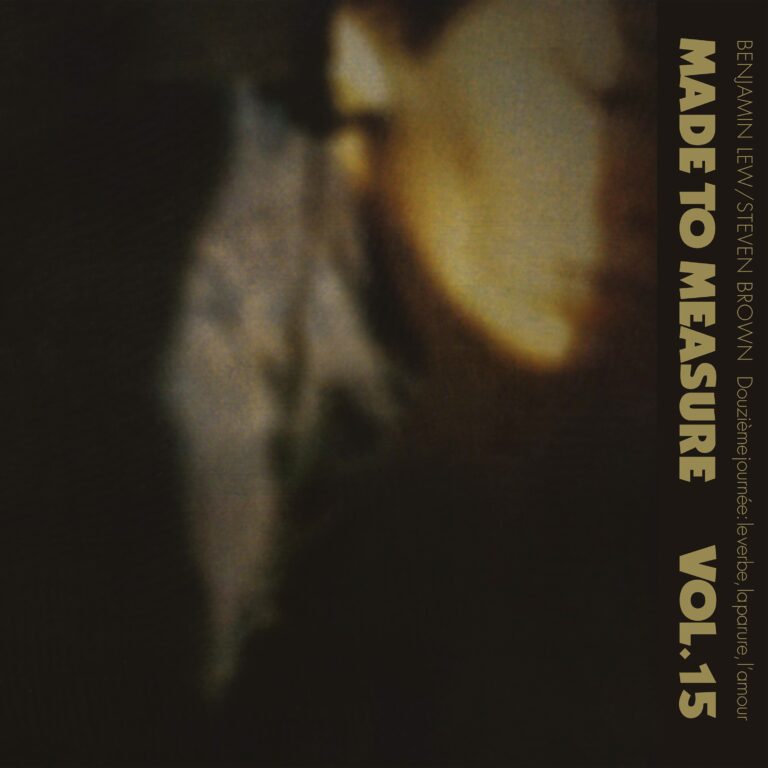
Over the last years, I called the fourth nightwatch „the strange hour“, that surreal zigzging between eras, sounds and memories in the time travel department. Dream logic as (un)reliable company in sequencing atmospheres. At times, it all falls into place, and then again, it falls apart like apparitions in nowhere land. I really don‘t know how the final sequence of the fourth nightwatch will work. At least, i once fell under the spell of its single components – later on, I took a second look and decided that, as the old saying goes, less is  more, and now looks like much more focussed journey: a buried treasure from „Made to Measure“ (kudos to Marc Hollander), and the adventures of Annette, Alice and, last minute decision, Laurie, now joining „The Wonderland Trio“. 
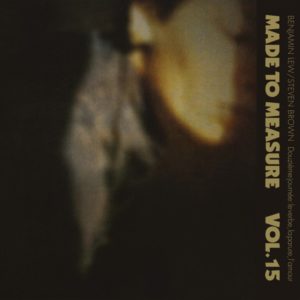


In case of „Douzième Journée: Le Verbe, La Parure, L’Amour“… NME called it “an album of mesmerising strangeness, an exotic, surreal trip. Elusive and fasctinating” and Glenn O’Brien wrote these nice lines : “You might say that this record is an acquired taste. Like raw sea urchin, methadone or Colt 45. No, this is a pure and immediate taste because it’s beautiful. A brilliant achievement, a great record.” 36 years later Pitchfork didn‘t go wrong when re-evaluating this classic from the margins: “Stunning surreal debut, dreamlike, both earthy and ethereal”. Newly remastered, this album will be available again on September 17, and  one of the highlights in my strange hour between 4.05 and 5.00 a.m. Btw, the radio night of „Klanghorizonte“ can be heard afterwards, seven days long, on the Deutschlandfunk‘s „audiotheque“. 


Surprise, surprise, the final hour, the long party at the break of dawn, two trumpet legends (always thinking outside the limits of their instrument’s history) – no second thoughts required here: Jon Hassell, his voice from an old interview, tropical London, summer 1990 (sweet dreams are made of this,  The Pearl Hotel, the hum of the city invading the open windows of Jon‘s appartement in South Kensington) – and Don Cherry in France, 1972. Two celebrations of life, the urban jungle, the countryside.


In case of Don and Moki: „The couple called the project Organic Music Theatre, as evocative a name as one can imagine for the holistic mystical experience they worked to create. A recovering heroin addict, Don hoped to forge a new way to present and experience music well outside of the jazz clubs and bars where he had formed his worst habits. Organic Music Theatre represented not just artistic inclusivity and openness, but a way of life encompassing health food (it’s not for nothing that his most revered record from this period is called Brown Rice), children’s education, and whatever else their cohort viewed as essential to a better life.


NIGHTWATCH FOUR: Benjamin Lew & Steven Brown: from Douzième Journee: LE Verbe, La Parure, L‘Amour (1982) –   / talking /  Alice Coltrane: from Kirtan Turiya Sings (1982) / Benjamin Lew and Steven Brown / Annette Peacock: from The Perfect Release (1979) / Benjamin Lew & Steven Brown / Laurie Anderson: from Bright Red (1994) / talking / Benjamin Lew and Steven Brown

NIGHTWATCH FIVE: In memory of Jon Hassell and City: Works of Fiction (1990) / excerpt from my old radio portrait of the fourth world wanderer / Jon  Hassell: City –  Works of Fiction / / Don Cherry: Organic Music Theatre – Chateauvillon 1972


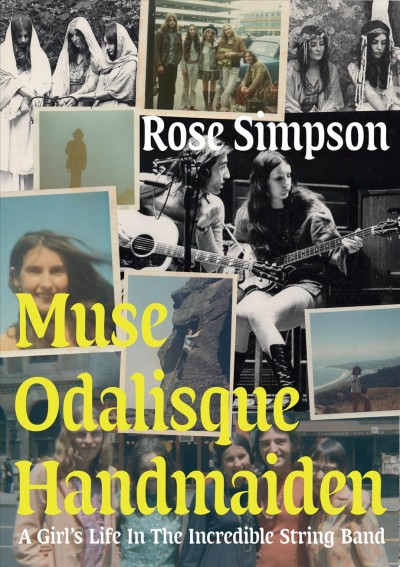
I just finished the Rose Simpson memoir, Muse Odalisque Handmaiden, which I absolutely loved. What a gifted writer.She strikes this reader as someone I can trust; Rose’s intention was to report as honestly as possible her personal experience in The Incredible String Band, yet she achieves far more than that in this marvelous book. It’s both a joyous and a bit of a heartbreaking read, a fascinating fly on the wall account of her time in ISB. I loved the little stories and the bits of gossip, as when she recounts meeting Joan Baez, who seemed to have little regard for Robin Williamson and Mike Heron’s  „airy fairy“ music, and was especially dismissive of the ladies of ISB. Her meetings with other super stars such as Joni Mitchell, David Crosby etc, go quite a bit better.

The whole story starts off almost as a fairy tale, with Rose the young mountaineer bumping into the mysterious elf-like beings living upstairs at the boarding house where she is staying. And falling in love with Mike, this innocent girl is eventually recruited into the adventure of a lifetime. Of course, being an unflinchingly honest narrator, besides the ecstatic joy of performing and living semi-communally with a group of lovely, gifted people, she faithfully recounts the playing out of their freewheeling sexual attitudes, reflective of the times, as well as the tensions of touring, the occasional spats and petty misunderstandings and the band’s later obsession with Scientology, which she makes abundantly clear she didn’t share.

One thing stood out for me among many: The book seems far kinder to Mike than Robin, who is repeatedly portrayed as arrogant, dismissive, egocentric and stubborn. We all know our heroes aren’t perfect, but this book reveals some of the complexities of character that weren’t seen on stage, where everyone was always trying to be „their best selves.“ This comes as no surprise of course. Who among us is playful, charming, deeply spiritual and “happy happy happy all the time”?

The book gave me a perspective and insight into the band’s personal dynamics, and I came away still loving them all, but with a better understanding of what it must have been like on the road for this band of idealists who had to learn to grapple with the realities of celebrity and changing fortunes.

Rose also devotes an entire chapter to the elusive Licorice. While all mysteries aren’t revealed, Rose manages to paint a vivid portrait of someone she lived in close quarters with, yet never really got to know or fully understand. Simpson manages to humanize this ethereal woman, her many facets seeming almost like contradictions of character, yet somehow all of these aspects of her personality coexisted beneath her placid exterior, emerging when the occasion demanded it.

Another thing that surprised me was how naive the boys were regarding finances. They were true artists and were proud of the fact that they cared little for material wealth and possessions. Yet at some point when they were touring and playing large halls, it appears they still weren’t really getting paid in the conventional sense. They had all of their needs taken care of, and were eventually able to live in somewhat better digs, and yeah, a limo started showing up to pick them up for gigs, but there was no regular paycheck, only just enough to cover their living expenses and whims. It also irked me that even after the ladies were finally officially listed as members of the band, they still never received a dime. I also wonder if Robin or Mike get any residuals from the sales of their albums, which have been remastered and rereleased a number of times over the years. And do they still control the rights to their songs? I know many artists from that era were ripped off by record companies and management. Nonetheless it was sort of shocking to read that were living in a kind of hippie squalor even after the first few albums were released. And from what I can tell, they never lived in upscale places. I know they weren’t geared towards the posh lifestyle, but still, one would like to think they were able to put away a nest egg during that period they were packing those halls. (Of course, they must have spent a fortune on Scientology, an organization known for taking its followers to the cleaners.)

In a way, this book goes beyond the simple story of young love, the arc of musical dreams exultingly realized, the inevitable disillusionment and the eventual breakup of a band. At its core, it’s a glimpse into the idealistic values we were all trying to live by, and the spirit of the time – a unique constellation of hope, idealism and fragile naïveté is well drawn in these pages. Moreover, it’s a sort of time capsule that captures the ineffable vibe of this unique moment in history, as well or perhaps better than any other account of the era I have read.


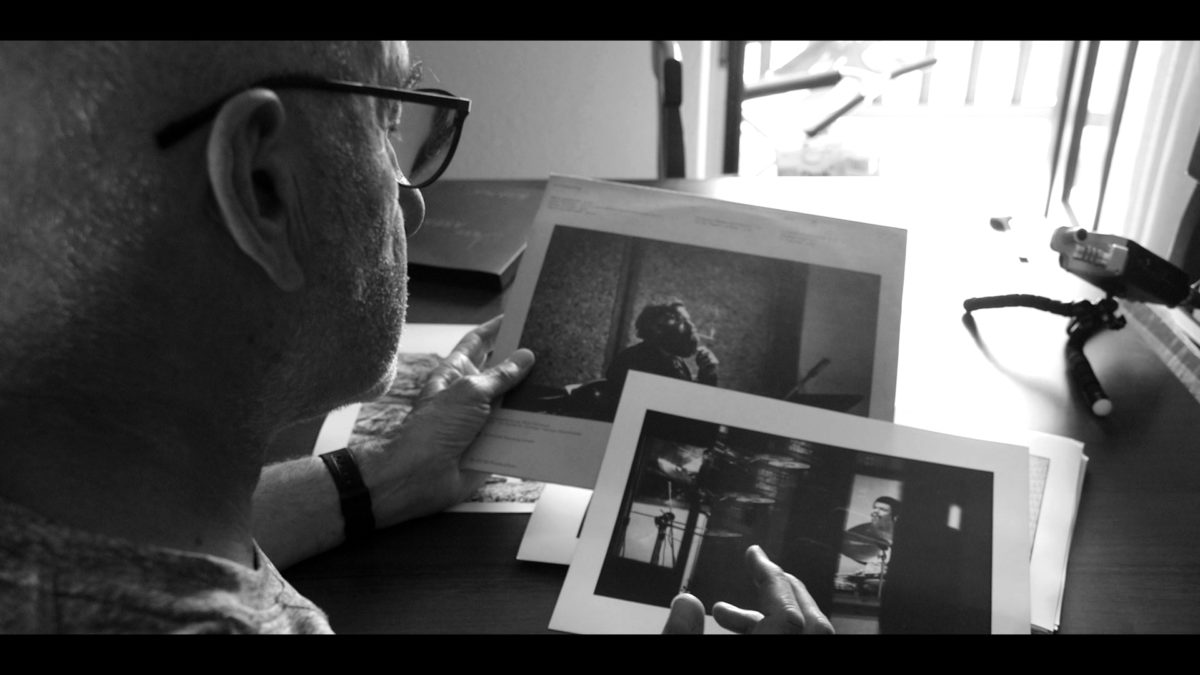
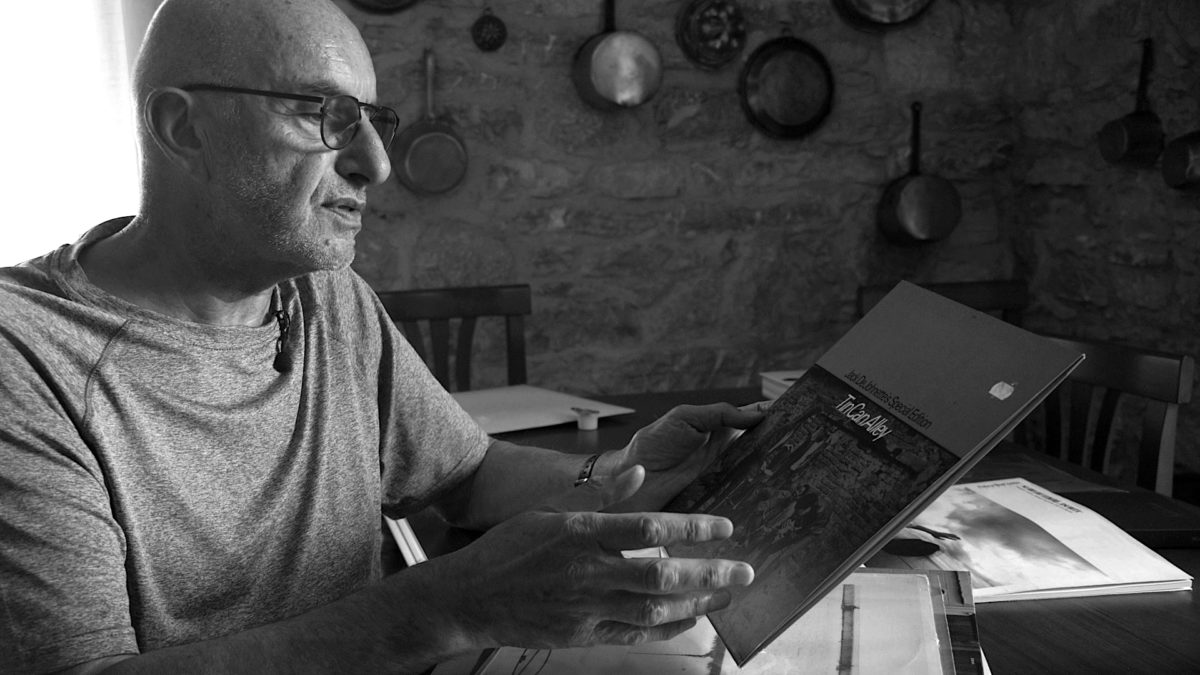
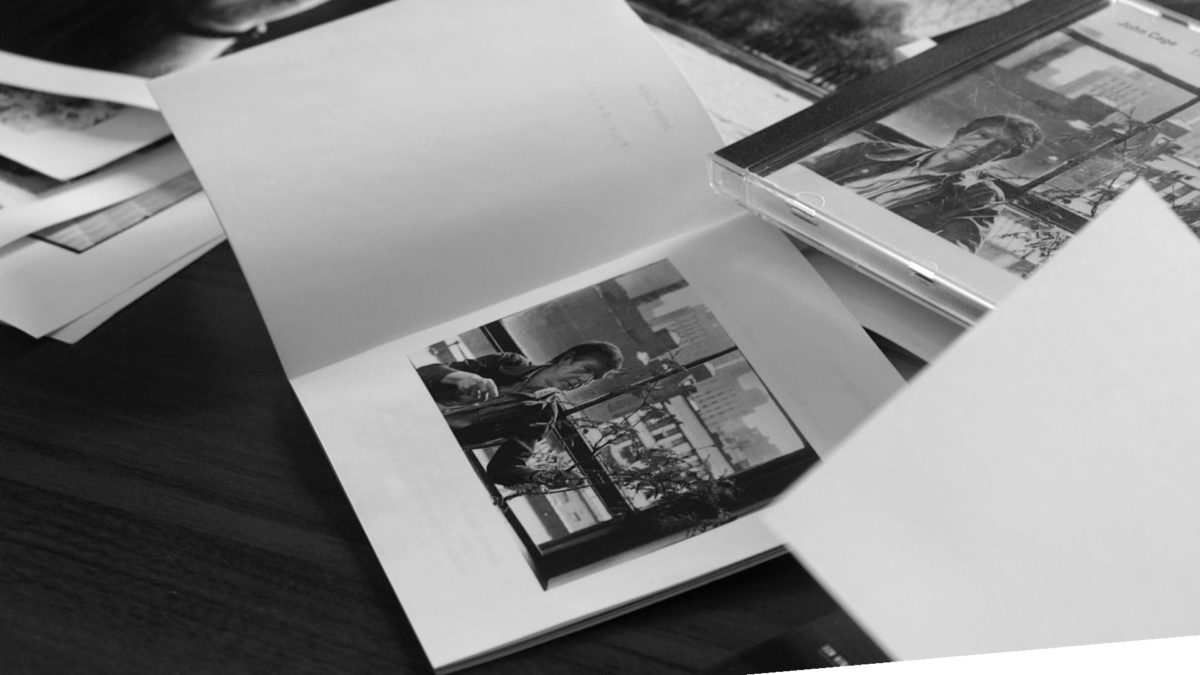
A short film portrait / interview with Italian photographer Roberto Masotti, whom I visited in Castello Tesino (Trentino) a year ago. Over the past 50 years he has captured countless iconic and memorable portraits and images of music productions, concerts, stage performances and studio sessions. His latest book collects photographies of Keith Jarrett, starting in 1968; and there’s also a very beautiful, and personal, book on black paper, collecting a huge variety of musicians in action (Jazz Area – La mia storia con il Jazz). He’s currently working on a book featuring his photos of John Cage, whom he met and travelled with a few times.


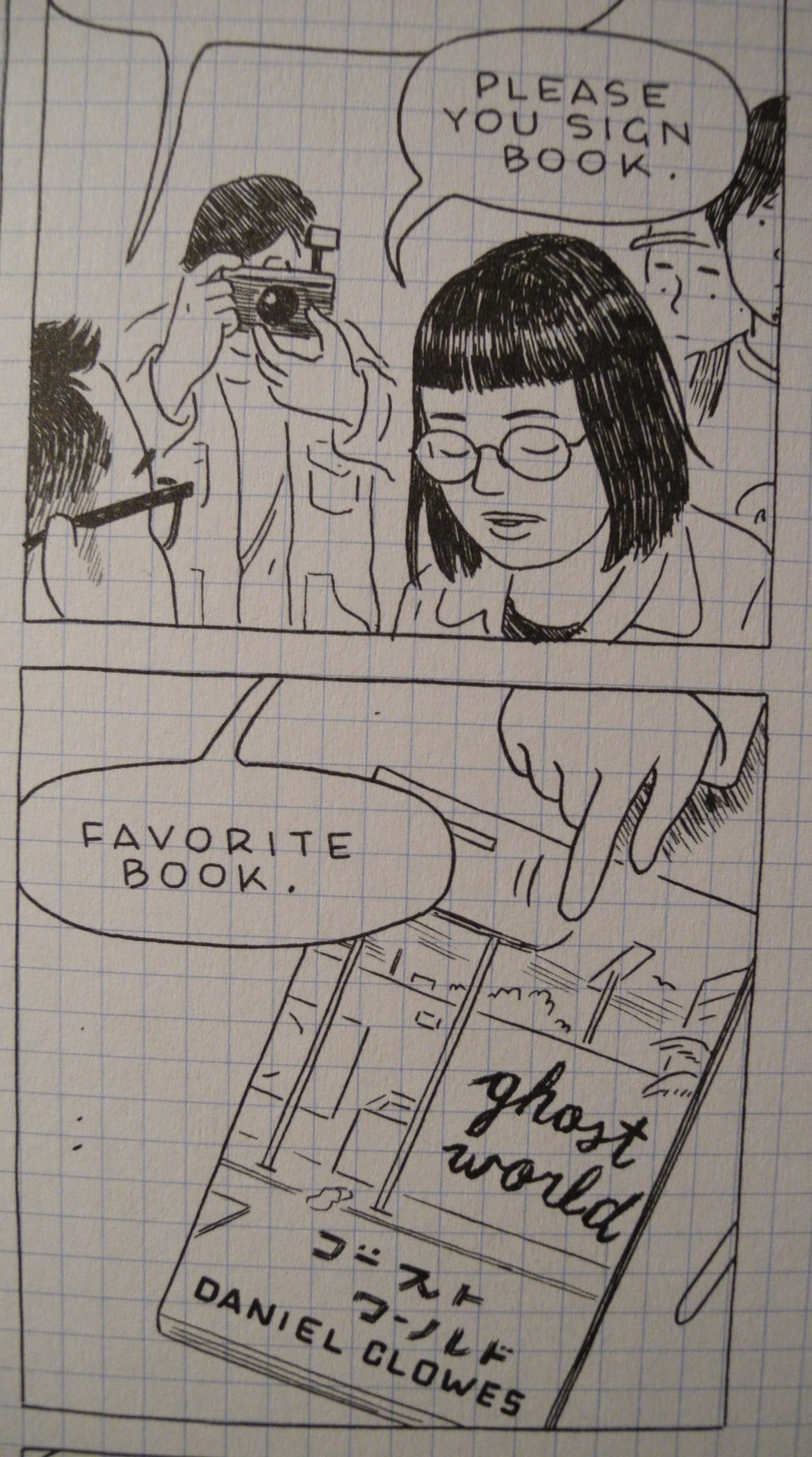
Tokyo 2003. Ein Comicautor sitzt zur Signierstunde in einer Buchhandlung an einem Tisch. Ein paar Leute haben sich angestellt. Eine Japanerin nähert sich, der Comicautor begrüßt sie auf japanisch, sie sagt Hi und „Favourite artist“, fragt höflich, ob er ein Buch signieren würde. Er bejaht, erfreut. Sie schiebt ihm ein Buch hin. Es ist aber nicht das Buch des Autors vor ihr, es ist Ghost World von Daniel Clowes. Dies ist der Anfang einer kleinen Story aus Adrian Tomines The Loneliness of the long-Distance Cartonist.


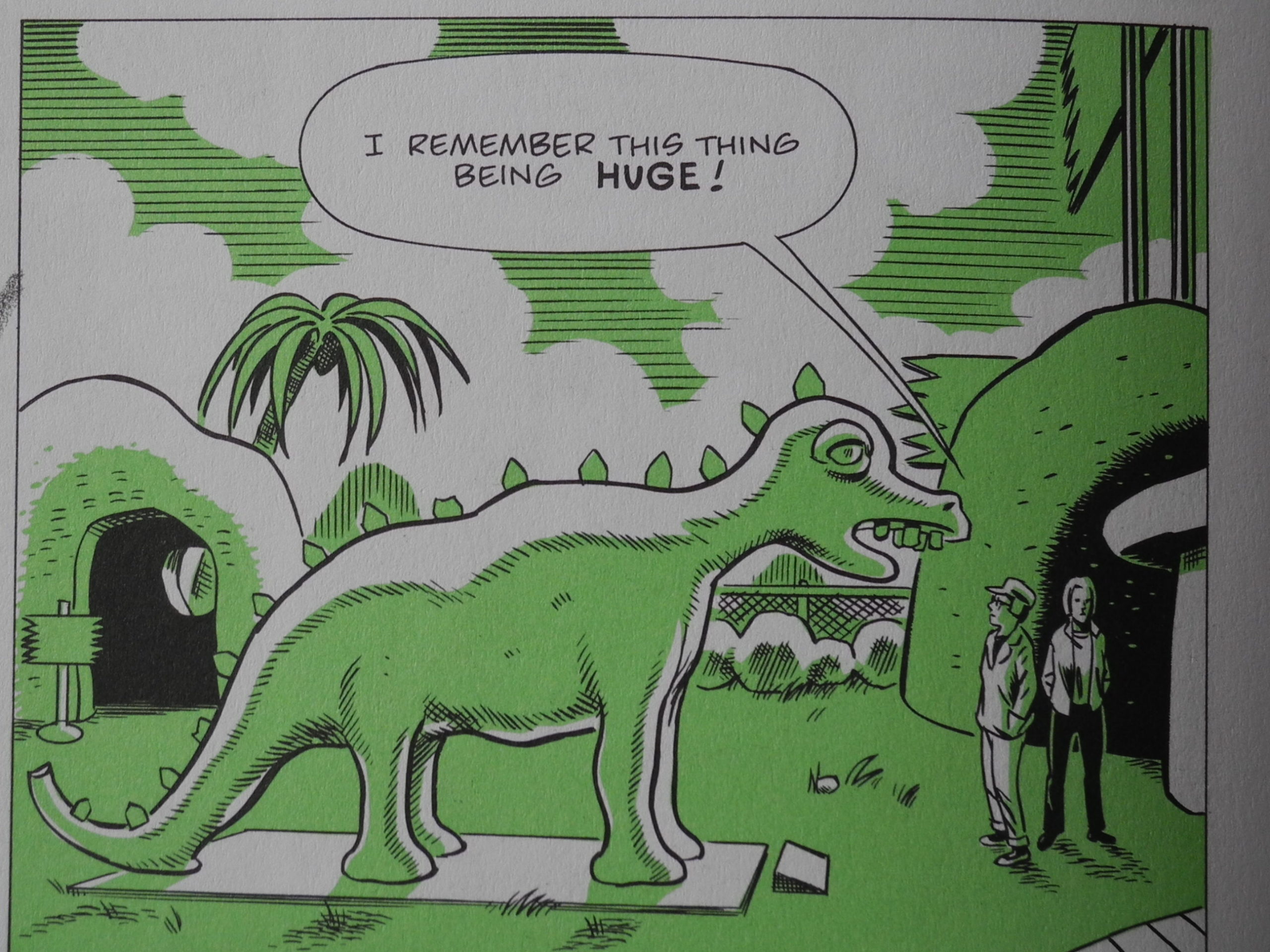
Daniel Clowes hatte einen enormen Einfluss auf die alternative Comicszene. Ghost World enthält acht sensibel erzählte Graphic Novel Geschichten aus dem Leben zweier Highschool-Absolventinnen in der Zeit nach dem Schulabschluss, einer Phase zwischen Plänen und Planlosigkeit, Rumhängen in Cafés und auf Partys, dem Ausbalancieren von Beziehungen, einem Yard Sale, auf dem Restposten der Kindheit verkauft werden. Es gibt nur Hass oder Liebe, an jeder Ecke lauert ein Drama, alles ist fragil, sucht nach Definition und Kontur, auch die launenhafte Freundschaft zwischen Enid und Rebekka. Einmal machen sie im Auto von Enid (einem Fehlkauf aus Trotz, es ist ein ehemaliger Leichenwagen) einen Ausflug zu einer Art Urzeitpark mit hüttenartigen Unterkünften, einem Höhlenbewohner mit Lendenschurz und Keule und einem – hoppla, schon wieder! – Tyrannosaurus rex.


Zwar haben Dinosaurier und Urzeitmenschen nie gleichzeitig gelebt, aber was sind aus der Sicht eines Gegenwartsmenschen schon so ein paar Millionen oder Milliarden Jahre Erdgeschichte. Ghost World mit seinen Geschichten aus den 90ern wurde von Daniel Clowes und Terry Zwigoff zu einem Drehbuch umgearbeitet und verfilmt, mit der 16-jährigen Scarlett Johansson als Rebecca. Der Film findet sich auf Youtube. Ich habe das Drehbuch gelesen. Eine amüsante Änderung: im Comic muss Enid für ihren Schulabschluss noch einen Sommerkurs belegen und eine Prüfung bestehen. Es bleibt unklar, zu welchem Inhalt. Im Drehbuch wird daraus ein Kunstprojekt. Roberta, eine ambitionierte rotgelockte Lehrerin (hab doch mal kurz in den Film reingeschaut) erklärt es so:


I’m not going to start a discourse on the subject of „good“ art versus „bad“ art; these judgements are for each person to make on his own. I merely want to help each of you find the best way to look within yourselves – the best key to your particular lock.


Zwei Werke aus der Klasse. Eine bunte Zeichnung. Jemand schlägt mit einem Hammer auf den Kopf eines Mannes. Roberta fordert den Schüler auf, etwas dazu zu sagen. Phillip verweist auf ein Videospiel. Rebecca (trying to make a joke): I thought maybe this was supposed to be your father. In einer anderen Stunde hat eine Schülerin einen Tampon in einer Teetasse als Kunstwerk vorgelegt. Sie erklärt: It’s a „found object“… that’s when an artist takes an ordinary object and places it in an artistic context and thus it becomes art. I guess I see the teacup as a symbol for womanhood, because of tea parties in die olden days, but instead of tea I was trying to kind of confront people with this… like…


ROBERTA

This shocking image of repressed femininity!


MARGARET

Right, exactly!


ROBERTA

I think it’s a really wonderful piece, Margaret!

2021 16 Aug.

Im Moor

| Filed under: Blog | RSS 2.0 | TB | 6 Comments


Vor vier Wochen war ich auf dem ersten Konzert in diesem Jahr, meinem zweiten seit März 2020. Auf der kleinen Insel Lonna, per Fähre in 10 Minuten vom Stadtzentrum Helsinki aus zu erreichen, veranstaltete das finnische Label WeJazz Records das zweitägige „Odysseus“ Festival, weitgehend Open-Air. Zufällig passten die Daten in unsere Ferienplanung, so kaufte ich am 09. 12. 2020 drei Karten (nachdem ich mich vorher versichert hatte, dass man einen Hund mit auf die Insel nehmen durfte). Danach war ich lange Zeit skeptisch, ob ein Konzertbesuch klappen könne, ja eine Einreise überhaupt möglich sei – doch dann kamen wir am 24. 7., dem ersten Konzerttag, morgens um 8:00 mit der Fähre in Helsinki Vuosaari an, konnten gegen 11:00 unsere Airbnb Wohnung beziehen und waren dann nach einem Treffen mit Freunden und Bummel durch die Stadt gegen 16:00 auf der Insel.


Uns empfing eine relaxte Atmosphäre, in dem durchmischten Publikum war von einer Pandemie wenig zu spüren. Das war ungewohnt, ebenso wie es etwas seltsam war, überhaupt wieder unter vielen Menschen zu sein; nach sehr wenig Zeit konnten wir uns aber darauf einlassen. Eine große Bühne war zwischen zwei alten Lagergebäuden aus rotem Backstein aufgebaut, die Musiker spielten vor Bäumen, dahinter funkelte das Wasser. In einem der Gebäude war noch eine kleine Bühne für intimere Konzerte, die zum Teil parallel, zum Teil versetzt zu den Open-Air Gigs stattfanden.


Als wir ankamen legte das Timo Lassy Trio los: Bass, Schlagzeug, Saxophon, energiegeladen, konzentriert und funky. Anschließend spielten Y-Otis, die mir zwar gefielen, aber auch ein bisschen überfrachtet vorkamen. Otis Sandsjö war dann in der Lagerhalle Gast bei der Zugabe des sehr guten Kit Downes Solo Sets und die beiden zauberten einen Höhepunkt des Festivals: Instrumente gegen den Strich gespielt, durch Mark und Bein fahrend; auch die zweite Zugabe mit der Sängerin Lucia Cadotsch war wunderschön. Der Rest des ersten Tages ging ein bisschen an mir vorbei, wir waren reisemüde und für den abendlichen Ostseewind zu sommerlich gekleidet, so dass wir gegen 20:00 die Fähre zurück nach Helsinki nahmen.


Um dann am nächsten Tag um 15:00 wieder auf der Insel zu sein, pünktlich zum Auftritt von Lucia Cadotsch (die auch etwas zu frösteln schien). Sie spielte gemeinsam mit dem Y-Otis Rückgrat Otis Sandsjö (Saxophon) und Petter Eldh (Bass) als Speak Low Interpretationen von bekannten Songs. Bei der Mehrheit der Stücke war wieder Kit Downes an der Orgel dabei, eine willkommene Zutat in der zerklüfteten Klangwelt. Danach ging es träumerisch und traumhaft mit Verneri Pohjola weiter, Trompete in sanft elektronischer Umgebung, gute Kombination. Anschließend brachten die omnipräsenten Kit Downes und Otis Sandsjö  gemeinsam mit dem finnischen Drummer Joonas Leppänen eine unerhörte Musik ohne Ufer, in die man tief versinken konnte, auf die Bühne. Zum Abschluss dann die von mir sehr geliebten 3TM (endlich weiß ich, dass es nicht „three“, sondern „kolme“ TM heißt). Die Freude, die die Musiker, vor allem Schlagzeuger Teppo Mäkynen, versprühten, war ansteckend, die rhythmische Musikalität beeindruckend; die drei strichen dann den meisten Applaus ein. 


Was bleibt? Na klar, Erinnerung. Lust, im nächsten Jahr wieder ein solches Festival zu besuchen (und vorher hoffentlich viele andere Konzerte zu erleben). Lust auch auf eine Veröffentlichung von dem Downes-Sandsjö-Leppänen Projekt. Und die Erkenntnis, dass Konzerte eher nichts für Hunde sind.

2021 13 Aug.

Sound & Vision

| Filed under: Blog | RSS 2.0 | TB | Comments off

1978. Ich sitze in einem dieser Schallplattenläden, die es heute nicht mehr gibt. Hinten, an der schummrigen Theke mit den Plattenspielern und Kopfhörern zum Anchecken neuer und unbekannter Scheiben. Auf den Stapel mit Post- Prog- Glam- Ska- Reggae- Philli- Disko- und Punk-Zeug legt mir der Verkäufer eine Scheibe mit fast schwarz abgetöntem Cover, hör mal rein, sagte er. Ich höre mir also Discreet Music an, von Brian Eno. Noch nie gehört, davor. Das, was dann kam, auch nicht: Ein Klangteppich, sanft und weich wie Kaschmir. Eine Tonfolge – Melodie zu sagen wäre übertrieben -, die sich repetitiv wiederholt, in einem scheinbar simplen, aber doch unvorhersagbaren Pattern, bei gemäßigtem Tempo. Ein Space entsteht, kontemplativ, draußen auf der Straße einer dieser allerersten Frühlingstage, Partikel tanzen in der Luft, alles scheinbar Zeitlupe. Faszinierend. Dann ging ich heim in mein kleines Appartment, mit dieser Platte. Dann hörte ich ich sie nochmal an. Dann hörte ich sie nochmal an. Dann hörte ich sie nochmal an. Dann ging ich in den MusicShop und kaufte mir einen Synthesizer. Damit veränderte sich mein Leben – wieder einmal, und nicht zum letzten Mal.


In meiner speckigen Telefonkladde aus dieser damaligen Zeit befindet sich unter der Rubrik „P“ die Telefonnummer von einem gewissen Conny, Plank, und sein Name taucht nicht nur als Toningenieur-Pionier auf Scheiben von Brian Eno auf. Mehr als das, beide Namen, Eno und Plank, sind gemeinsam in den Credits von Devo, Ultravox, David Byrne, Freur zu finden. Schaut man noch näher, kann man in dieser Sammlung auch Cluster, Harmonia und Neu! finden, Namen, die damals eigentlich nur außerhalb Deutschlands so richtig eingeschätzt wurden und in Deutschland abschätzig als Krautrock abgestempelt wurden. Sich kennenzulernen und gemeinsam eine Karriere zu beginnen, war sicher ein großes Privileg sowohl für Herrn Eno als auch für Herrn Plank. Wie auch immer: Das Wegsptengen von aufnahmetechnischen Konventionen, der hemmungslose Gebrauch von Effektgeräten, Einbau von Rückwärts-Schleifen, Aufnahmen in halber oder doppelter Bandgeschwindigkeit, gepaart mit dem Wegsprengen kompositorischer Konventionen und Harmonielehren, die atypische Verwendung von Instrumenten, das war für mich das Wesen einer Zeit, zu der sich das Universum noch ausdehnte. 


Und ohne es zu wissen, war ich mit meiner Art Musik zu machen ein Teil von genau diesem. Der Pοlyhistor Egon Friedell hat ungebildet Begeisterte wie mich „berufene Dilettanten“ genannt und konstatiert, dass eben durch den Verzicht auf Konventionen und tradierte Fertigkeiten das Neue entsteht. Für diese Interpretation bin ich sehr dankbar :-) 


Die Telefonnummer von Conny Plank habe ich übrigens leider nie gewählt.


Helmut Müller

Produzent von hel.de, Rhythmische Beobachter, Kontakt Pure.


Manafonistas | Impressum | Kontakt | Datenschutz