Manafonistas

on life, music etc beyond mainstream

2014 12 März

Im Krautrockhimmel

von | Kategorie: Blog | Tags: , , , | | Comments off


„Einmal, als ich mit Alice, lang ist es her, in einer dieser Städte war, Wuppertal oder so, legte ich diese Platte auf, die ich in einer Tüte mit mir schleppte, und sie sagte, diese Zahnpasta würde sie gerne mal benutzen. „Rastakraut Pasta“. Obwohl die Welt schon Jahre zuvor in lauter Farben explodiert war, schienen wir uns durch einen Schwarzweissfilm zu bewegen, als wären die idealen Wochen angebrochen zum Aufbewahren der flüchtigsten Momente.“

hi, michael

I’ve made a mixtape here of some music that I listen to

hope you enjoy it if you have time to listen

from seb

p.s.: oh, sorry

think my favourite classical indian musicians are

kesarbai kerkar
ustad amir khan
ustad bade ghulam ali khan
ustad ahmedjan thirakwa
pandit ajoy chakrabarty

2014 10 März

Zehn Drei Vierzehn

von | Kategorie: Blog | | 3 Comments


Zehn gute Filme, zehn gute Filmusiken

Ry Cooder: Dark Was The Night („Paris, Texas“)
John Newman: Rock Island, 1931 („Road To Perdition“)
Bing Crosby & Louis Armstrong: Now You Has Jazz („High Society“)
Mark Knopfler: The Rocks And The Water („Local Hero“)
Vangelis: Memories Of Green („Blade Runner“)
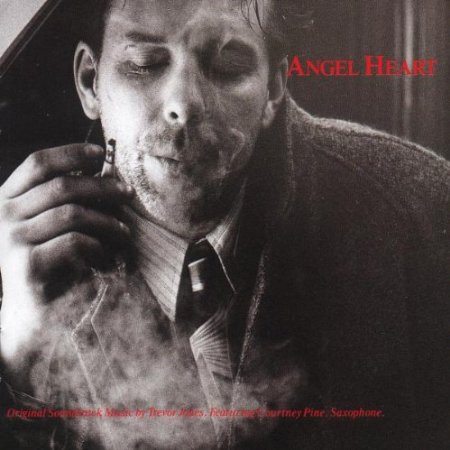
Trevor Jones / Courtney Pine: Johnny Angel („Angel Heart“)
Popol Vuh: Aguirre I (L’acrime Di Rei) („Aguirre“)
Suedwestfunk Symphony Orchestra: Atmosphères (György Ligeti) („2001“)
Peter Gabriel: A Different Drum („Passion“)
Herbert Groenemeyer: The Tunnel („The American“)
 

2014 10 März

no words today

von | Kategorie: Blog | | 2 Comments


Think for a moment about your Will Oldham aka Bonnie „Prince“ Billy aka Palace Music albums, and, no matter, if you don’t own any, only one, a few, or nearly everything: no doubt about it, the singer/songwriter from the Kentucky hinterlands has meanwhile released quite a big body of music. He is not a friend of happy tunes, and wrote at least some dozens of heartbreaking songs. The late Johnny Cash offered us a brilliant version of Oldham’s „I Can See a Darkness“.

If Will Oldham turns the light on in some of his songs, don’t expect too much brightness: I have a pale memory about one of his songs where a small lamp spreading tiny white light was installed into a grave, in companionship with a novel by R.L. Stephenson. Or was it a tune by Bill Callahan? Or another songsmith from the dark side of „Americana“? Now, on his new self-released album, simply called „Bonnie „Prince“ Billy“, we hear some interesting things about close relatives, old loves and long-gone friends. Whoever the „singing I“ might present, on one of the tracks we learn that his dad was a bear, his mum was a skunk, and that a „filthy spotted pig“ was hidden at the food of his bed.

So far, so sad. Another real delight in this great song cycle (that doesn’t offer too much hope but delivers great stories with voice and acoustic guitar only) is a special „vinyl experience“: on this long playing record you experience a new form of silence between the tracks. At first you think, oh, what a short record, but then, out of nowhere, the singer starts another song. By the way, the album is beautifully recorded without any reverb, just the naked acoustics – and the silences, long, beautiful silences between the songs of despair and desaster. Silences full of viny scratches and vinyl noises! I didn’t look on a clock, but the silences seem to last between 15 and 45 seconds, roundabout. And so it takes a long time till you realize that one side of black vinyl has reached its final round – you still expect another song. Highly recommended (I always wanted to write this sentence at the end of a review!)!

P.S. I have to ask the Will Oldham community one more question (the informations on the record are sparse, thankfully the lyrics are all printed): where has he recorded this? In a barn? In a living-room with piles of American folk songs? In a prison cell? Or a dead-house? Just wanna know.

 
woman’s voice with male echo: „Metafyzika“ (TUTAJ – HERE)


Photo (c) Adam Golek


Audiomitschnitt


Honour Your Error As a Hidden Intention“. A kind advice of Brian Eno in his Oblique Strategies. Or did he write that note in „old English“? My first error was the wrong speaking („Aussprache“) of Sebastian Rochford’s band „Polar Bear“ (like it would be „beer“ from the Arctic circle.) My next small mistake was the one concerning Joachim Kühn’s lost masterpiece „This Way Out“ (from 1973) – Daniel Humair contributed to the music, but Jenny-Clark was not yet part of the production – instead Peter Warren and Gerd Dudek were playing with fire. This slightly uncorrect memory led (on the day after) to a very special phone call, and ended up with an invitation to Ibiza. More about this at the end of this week, for all the good reasons!

I mean: Ibiza! Leonard Cohen had been there a long time ago, charging up his batteries and spending time with his former girlfriend Marianne (and, to risk another mistake: wasn’t the photo on „Songs From A Room“ shot in his house on the island?). Or  was it on Hydra? Anyway, there are still some great spirits living their quiet lifes on that Balearic island.

By the way, and for everyone not so familiar with German language: I was a bit sarcastic when speaking about the new work of Brad Mehldau –  his „groovy record“. A missed opportunity in many ways, for sure, and a highly overrated album! But the fun is: I never would have thought that, within the thematic frames of the JazzFacts magazine from the Deutschlandfunk – and in the context of my „thumbs down“ review of Mehldau’s wrong-footed attempts of „Taming The Tiger“ (the title of his work) – the names of the wild Eagles guitarist Joe Walsh and „Easy Rider“ Dennis Hopper would ever come out of my mouth.

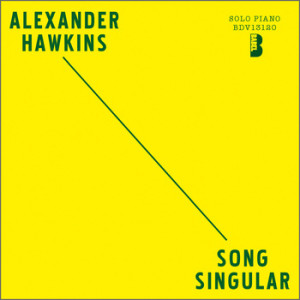
Besides, I want to thank Bert Noglik for his closer view on Joachim Kühn‘ forthcoming „Birthday Edition“, and Sven Töniges‘ special encounter with that „house-keeper“ from Baku (I could really imagine the big hall in which he was hitting the „drums“ of his piano. Ask Mr Hawkins: on the liner notes of his brilliant solo album „Song Singular“ he refers to the 88 „drums“ of his piano creating a kind of „orchestral approach“.)

So drink a glass of your favourite red wine – or ice cold beer from Reykjavik – and enjoy these 55 minutes that may, in the best sense, satisfy your appetite for time travelling including a short trip to the age of „space jazz“! Good night, and good luck! (m.e.)

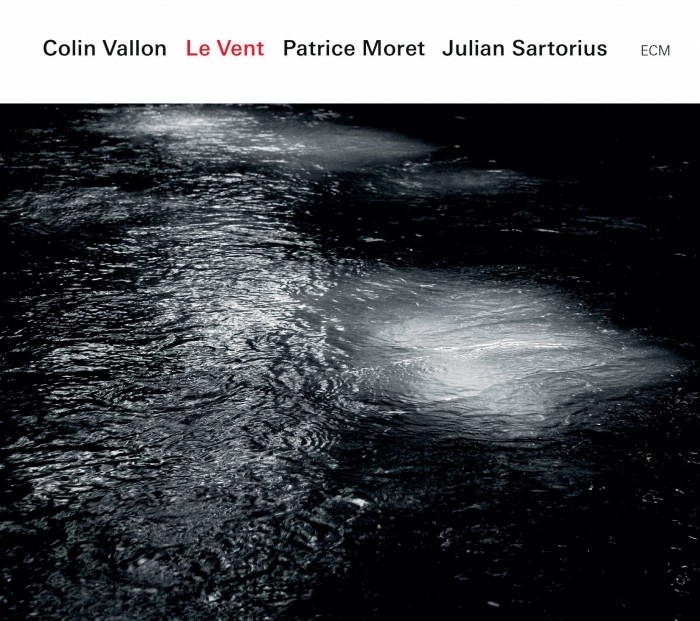
Dass es in der langen Musikhistorie von ECM Records immer wieder mal Sounds gab, denen zu lauschen einen in entlegene Naturräume versetzen konnte, ist keine Frage. Natürlich waren diese Inspirationen nicht immer so naturalistisch wie die Geräusche der Windharfe auf Jan Garbareks frühem Meisterwerk „Dis“ (mit Ralph Towner), aber ein Element der Identitätsfindung des europäischen Jazz bestand halt auch darin, eigene „Landkarten“ zu entwickeln. Viele Covergestaltungen von ECM sprachen da (schon in den frühen Jahren) Bände. Natürlich gab es auch die „Urban Bushmen“ in Form des Art Ensemble of Chicago, und etliche weitere Ausflüge in die grossstädtische „Wildnis“. Das Trio des Schweizer Pianisten Colin Vallon, mit Patrice Moret am Bass, und Julian Sartorius am Schlagzeug, belegt auf dem soeben erschienenen Album „Le Vent“, wie unerschöpflich dieses betagte Genre des Klaviertrios zu sein scheint. Und natürlich wundert es nicht, dass auch hier, im Alpenländischen, der Wind ins Spiel kommt, Berglandschaften, aber eben auch die seltsame Welt der Bahnsteige. Ein Album, das mich von Anfang an tief berührte, schon Wochen, bevor ich mit dem Drummer und dem Pianisten Fragen und Antworten austauschte. Schöngeistige Harmlosigkeiten? Fehlanzeige! Das Deutsche ist nicht die „Muttersprache“ der beiden, gelegentlich habe ich ein paar Wörter und Halbsätze weggelassen, auch mal was geringfügig nachgebessert, ohne an den Bedeutungen etwas zu ändern.


Michael: Manche perkussiven Sounds des Albums erinnern mich an Kuhglocken und anderes Schellengeläut, wie ich es mal im Appenzeller Hinterland gehört habe, und auch das Titelstück mutet wie eine Windstudie der besonderen Art an.

Colin: Naturklänge sind eine tägliche Inspiration für mich. Die probiere ich in meinem Pianospiel z.B. durch Präparationen zu integrieren. Bei Julian ist es, glaube ich, ähnlich. Es war aber nicht die grundlegende Idee vom Album Le Vent. Die allermeisten Kompositionen von mir haben direkt oder indirekt mit dem Tod zu tun. Oder dann mit der Auseinandersetzung mit dem Tod. Ich habe „Le Vent“ als Titel des Albums gewählt, weil es diese Idee der Flüchtigkeit, der vergehenden Zeit, schön und simpel beschreibt, ohne dabei pathetisch oder finster zu sein. Es hat für mich, ohne das jetzt zu stilisieren, einen Hauch von Zen.

Julian: Bei dem Stück „Le Vent“ beginne ich auf kleinen Metallschalen, die auf den Trommeln liegen. Als ich das gespielt hatte, bin ich ganz klar auf Phänomen des Windes eingegangen. Diese Metallschalen habe ich erst gleichsam zufällig, ohne bestimmten Rhythmus angeschlagen, nach und nach formieren sich die Anschläge mehr und mehr zu einen Rhythmus, fast unmerklich. Für den letzten Teil des Stückes übernehmen die anderen diesen Rhythmus und ich wechsle aufs „herkömmliche“ Schlagzeug. Ich höre übrigens sehr gerne Alltagsgeräuschen zu, seien es Kuhglocken, Abwasserkanäle oder Maschinen, die einen interessanten Rhythmus haben. Das inspiriert mich grundsätzlich.

Michael: Mir scheint da für jedes Stück ein neuer Zugang zu entstehen, etwa eine Suche nach unverbrauchten Stimmungen. Wie siehst du da als neuer Perkussionist des Trios deine Rolle?

Julian: Ich suche diese Erweiterung der Klangfarben und Klangsprache. Das Schlagzeug erweitere ich durch allerhand Präparationen, um solch neue Sounds zu finden. Dabei bin ich auch stark von der Ästhetik der elektronischen Musik beeinflusst. Colin macht es ebenso. Was er für eine Klangvielfalt aus dem Flügel rausholt, finde ich unglaublich.

Michael: Auf dem Stück „Le Quai“ macht keiner von euch Dreien, auf der Basis von „action“, sehr viel, du entwickelst dunkle Pulsierungen, die im ersten Moment fast fast elektronisch  wirken, zugleich entwickelt sich da eine fast hymnische Melodie, die aber nicht ad infinitum ausgereizt wird.

Julian: „Le Quai“ bedeutet auf Französisch „Bahnsteig“, oder „Perron“. Die Grundidee für den Beat oder Puls war Colins Idee, er basiert auf dem Rattern eines Zuges auf den Schienen. Natürlich ist diese Vorstellung nicht direkt erkennbar. Wenn es zu illustrativ wäre, wäre ich nicht glücklich damit. Den Puls spiele ich auf einem gedämpften „floortom“ und auf anderen Trommeln. Schlussendlich taucht er dann auch auf den Becken auf. Das Kommen-Und-Gehen des Pulses spielt auf solche Zuggeräusche auf einem „perron“ an.

Michael: „Rouge“ besitzt eine spezielle Atmosphäre. Colin scheint, wenn er nicht selbst ins Innere des Steinway greift, den Flügel präpariert zu haben, und Patrice und du sorgen einmal mehr für Schwebezustände, zwischen „Verweilen im Augenblick“ und „langsamer Bewegung“.

Julian: „Rouge“ bezieht sich auf den Ort Rougemont, Colin hat das Stück dort komponiert. Ein wunderbarer Ort; die Berge leuchten dort abends oft rot, deshalb wohl auch der Name … Wir haben mit dem Trio auch mal dort geprobt; wenn wir das Stück spielen, sehe ich immer diese Berge vor mir.

Colin: Ursprünglich war unser Arrangement von „Rouge“ viel klarer und direkter, aber im Studio hat es irgendwie nicht funktioniert. Wir haben das Material dann freier bearbeitet, und das hat das Stück dann gerettet.

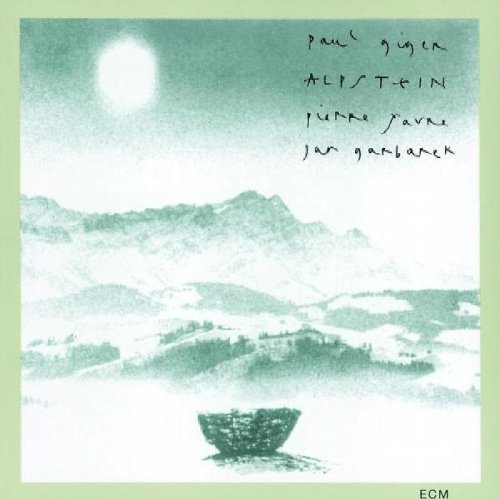
Michael: Manche Sounds auf deiner Perkussion erinnern ich mich von ferne an Momente des wunderbaren Albums  ALPSTEIN  des Violinisten Paul Giger, mit Jan Garbarek und deinem Schweizer Landsmann Pierre Favre. Ich bin sicher, du kennst und magst dieses Werk sehr.

Julian: Ich muss es nachholen! Ich habe das Album noch nie gehört. Ich selbst verbringe aber sehr gerne und möglichst oft (leider in letzter nicht so viel) Zeit in den Bergen. Im Sommer verbringe ich oft zwei bis drei Wochen auf einer Schweizer Alp und wandere dort viel. Ich bin definitiv ein grosser Fan von den Kuhglocken, es kann durchaus sein, dass das hörbar ist …


Michael: Aber Pierre Favre war gewiss ein Einfluss …

Julian: Auf jeden Fall! Ich war auch lange bei ihm im Unterricht, und wir haben viel Duo gespielt. Das war ein reger Austausch. Aber es haben mich andere Schlagzeuger auch stark beeinflusst, zum Beispiel der leider (jung) verstorbene Fabian Kuratli oder mein langjähriger Dozent an der Musikhochschule Luzern, Norbert Pfammatter. Nebst manch anderen Jazz-Schlagzeugern. Wie gesagt bin ich aber auch stark von der elektronischen Musik beeinfluss.

Michael: Die Arrangements macht ihr gemeinsam?

Colin: Ja. Wenn ich eine Komposition mit zu einer Probe bringe, habe ich manchmal eine Idee für einen Groove oder einen Klang, aber es passiert häufig, dass wir das dann verwerfen, wenn Julian und Patrice etwas anderes interessanter finden. Patrice hat grossen Einfluss auf die Arrangements und bringt stets Ideen ein, die den Trio-Klang mitprägen. Ich liebe seine konzentrierte Intensität. Sie findet sich in allen Aspekten seines Spiels – in einem wunderschönen Klang, in einem tödlichen Groove, in Melodien, die einen nicht loslassen.

Michael: Ein typischer „Eicher“ erscheint mir der Schluss des Albums zu sein. Der Produzent ist ja u.a. auch ein Dramaturg, der möchte, dass ein Album eine Art „storyline“ besitzt incl. Spannungsbögen etc. Bei euch hat er womöglich dieses „offene Ende“ vorgeschlagen, diese beiden kurzen Kollektivimprovisationen, keine knallende Schlusspointe, sondern ein Sich-Auflösen-der-Formen. Ein couragiertes Finale. Oder wie war das?

Colin: Leider war Manfred Eicher nicht im Studio, weil ihn hat kurz davor eine schweren Grippe erwischt hat. Manfred und ich haben den Mix und Mastering der CD in September in Oslo gemacht. Es war eine sehr interessante und intensive Zusammenarbeit, da das ganze Material schon aufgenommen war. Manfred bei der Abmischung zu beobachten, ist sehr beeindruckend. Mit einer unfasslichen Schnelligkeit blüht, durch seine zum Teil minimalen klanglichen Anpassungen, die Magie einer Komposition auf.  Es war übrigens auch rasch klar, dass diese beiden freien Improvisationen das Ende bilden sollten. Es macht ja auch Sinn bei der Thematik der Kompositionen, dass der Schluss des Albums offen bleibt.

2014 7 März

That Eno-Hyde song

von | Kategorie: Blog | | Comments off

 On my Mobile phone, strolling through Cologne before and after working on the script for JazzFacts, i was listening to Eno’s/Hyde’s „The Satellites“ very, very often. At first I was nearly annoyed by the „happy fanfare-like“ brass play at the beginning (a treated sound?), but meanwhile I even like that awkward motive. Brian’s singing with all its subtly understated yearning quality is pure genius, to say it in Ian’s way. The song has so many textures and layers without being overpowering.“  m.e. 

Kurz vor Erscheinen.
 
Auf dem Felde der Musik dreht sich es sich oft im Kreise. Der Jazzbereich ist berüchtigt dafür. Es muss auch nicht unbedingt schlecht sein. Schlecht sind nur die oftmals falsch oder leer klingenden Lobeshymnen (ja, auch Geschriebenes klingt, stimmt (nicht) oder ist (nicht) stimmig), der Trott und das Nichtbemerken desselben. Der amerikanische Bassist Eric Revis ist ein Musiker, der nicht aus dem Tritt kommt, wohl aber dem Trott entweicht. Auf bemerkenswerte Weise. Skepsis stand auch bei mir jedes Mal am Anfang. Zumal als ich ihn zum ersten Mal vor zwei Jahren in Ljubljana spielen sah. Das Gute an der Skepsis ist, dass man sich gewonnen geben kann und dann der Effekt umso stärker (sicherer, nachhaltiger) ist. Revis’ Musik ist heftig, aber es wird nicht in heroischer Pose drauflos gehammert. Soul kann eben auch rauh, uneben, karstig, verschüttelt sein.
 
 
Eric Revis – In Memory Of Things Yet Seen. CLEAN FEED


Bassist Eric Revis is a heavyweight in more than one respect. He is doing the improbable in a remarkably way thereby ignoring collectively imposed and maintained demarcations at work. Armed with his physically very present, raw and vibrant bass sound he beat his track into the realms of freely improvised music. In 2012 he made his debut on authoritative Lisboan Clean Feed Label with a dream team (11:11) of Jason Moran, Ken Vandermark and Nasheet Waits and their album Parallax. The follow-up in 2013 was an even more surprising trio with pianist Kris Davis and all favourite drummer Andrew Cyrille. The contrasts of the trio’s City of Asylum in 2013 proved to be a revelation. One of the best in its category. Not leaning back Revis has already set the next step with a new high calibre 2+2-constellation: Revis with percussionist Chad Taylor augmented by Bill McHenry on tenor and Darius Jones on alto, a line-up to drill through thick boards. Which actually happens on this bold new album.
 
Crazy things are claimed in jazz-related writing at times but a link between Branford Marsalis and Peter Brötzmann is not fictitious anymore. Eric Revis at least played and recorded with both musicians. One with Brötz and even nine albums with Branford Marsalis and, as a unifying matter of fact, Marsalis stepped in on two pieces of this greatly fine grinding album.
 
Revis is not the man to balance styles or whatsoever – how would it sound, such a teetering affair! He plays raw, uninhibited , direct, always full force instead. As a leader he does not primarily act harmonizing , supporting or anchoring. Sparking, firing up and energizing he makes the dust fly. The nuance is in the rhythmic fine-tuning, in the interaction with all greatly contrasting voices where the branding happens. These contrast are used in the music of the quartet in an impressive way. At high intensity, various temperatures with fervid, truthful sounds emerging. Revis‘ attack is the same type as that of Howlin‘ Wolf , the legendary blues giant. It is the primal force of the voice and soul which is manifested, far from stylized sadness, loneliness and longing smolder. It is revealing here in thirteen pieces equally striking and beautiful.
 
Only two of the 13 pieces, “Hits” and “FreeB”, are entirely free improvised. “The Tulpa Chronicles” are spread in three parts over the whole album. The first part of it is the starting point of the album. With its ostinato vibraphone lines it opens up a wide horizon after which the fierce roarings, whacks and spanks of “Hits” tumble and fly through space. “Son Seals” is a fast M-Base like blues with brilliant expansion-contraction movements. Superb how Revis and Taylor prepare the soil from which the two horns emerge with full thrust. “Somethin’s cookin’” is an apt title for the subsequent piece that at times comes across as a mixture of Tibetan and mariachi horns blowing. “Unknown” also is a killer piece, swinging hard and raw. “The Tulip Chronicles II” is short, with great resilience and above all catchy and danceable. “Voices” is a slow burner with full raw saxophone sounds of Darius Jones and Bill McHenry, no place for sentimental moods ! “Earned A Lesson” starts with a superb bass intro and has a high content including New Orleans second-line beat. “The Shadow World” is the decisive step to get the last slumber heads awake. It is like one can suspect a piece by Sun Ra. The qualities of all four musicians accumulate here in a highly intense way. “Hold My Snow Cone” is a slow blues in which Darius Jones takes the torch over from Arthur Blythe. The concluding “If You Are Lonesome, Then You’re Not Alone” is a hymn or a gospel of the future carried by a striking saxophone duet. Highly recommended: upcoming live-performances of this group!
 
march: 11 – Paris, 12 – Valencia, 13 – Barcelona, 14 – Amsterdam, 15 – Neuburg, 16 – Wien, 18 – Rijkevorsel (near Antwerp)
 
Eric Revis: double-bass; Chad Taylor: drums, vibraphone; Bill McHenry: tenor saxophone; Darius Jones: alto saxophone
 
Darius Jones is one of the most impressive young alto-players deeply routed in the Afro-American vocal tradition. He made a couple of records for the AUM-label, a.o. Man’ish Boy, and a duo-album, Cosmic Lieder, with pianist Matthew Shipp.
 
I made a RADIO-program which you can listen to ON DEMAND


Manafonistas | Impressum | Kontakt | Datenschutz