Category: Blog
2022 19 Nov.
Gegen Katar, aber für Fußball!
Lajla Nizinski | Filed under: Blog | RSS 2.0 | TB | 5 Comments



2022 19 Nov.
My Archival Discoveries, Reissues and Compilations of 2022 (the final edition)
Michael Engelbrecht | Filed under: Blog | RSS 2.0 | TB | 5 Comments
I cannot say how much i love the EXPOSURES boxset by Mr. Fripp circling the years between 1977 and 1983. Frippertronics, Exposure in four editions, Surround, Stereo, and, well well well, God Save The Queen / Under Heavy Manners in toto, with never released tracks is one of the best surround experiences I ever had. Don‘t hesitate to enter Fripp‘s world on our blogroll.
And, in regards to my number two: Steve Tibbetts‘ oeuvre is criminally undersung. For its openness to distant horizons, its exploration of studio technology’s imaginative potential, its instrumental facility and sheer beauty, Tibbetts‘ music deserves much wider recognition. That said, no guitarist got more airplay on my Klanghorizonte nights between 1990 and 2021.
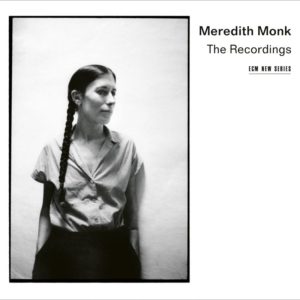
And, well, well, I imagine a listener who is adventurous and never before has encountered the music of Meredith Monk. Shangrila might be waiting for him. For this unknown reader I put Meredith‘s ECM box on Number 3. I never stopped returning (from time to time) to albums like Do You Be, Dolmen Music, Book Of Days and and and. Lifers! Here‘s something about Meredith, Ingo‘s film.
Nothing is complete. Life a history of holes anyways. Thank you, and dance.
- Robert Fripp: Exposures Boxset
- Steve Tibbetts: Hellbound Train
- Meredith Monk: The Recordings
- Grounation: The Mystic Revelation of Rastafari
- Julie Tippetts: Sunset Glow
- Neil Young & Crazy Horse: Toast
- The Beatles: Revolver (2-cd-set)
- Kevin Rowland’s Dexy Midnight Runners: Too Rye Ay*
- Brötzmann & Bennink: Schwarzwaldfahrt**
- XTC: Mummer (vinyl edition, 2022)
- Sun Ra: The Futuristic Sounds Of Sun Ra
- Branko Mataja: Over Fields And Mountains***
- Jonathan Richman: Modern Lovers 88
- Alva Noto & Ryuichi Sakamoto: Insen
- Various: United Dreadlocks Vol. 1 & 2
- Beverley‘s Rocksteady: In A Rocking Mood (1966-1968)
- Norma Tanega: I‘m In The Sky****
- Albert Ayler: The 1970 Fondations Maeght Recordings
- David Blue: Stories
- Mavis Staples & Levon Helm: Carry Me Home
* „Let’s make this precious! Having twice before revisited Don’t Stand Me Down, Kevin Rowland now presided over a “director’s cut” of Dexys’ 1982 opus. Rowland’s plan, it transpired, was to reframe specific moments – backing vocals brought down an octave, a female speaking role replaced by Rowland, a trombone instead of a pennywhistle – as well as a general clean-up that added warmth and intimacy to their creator’s Celtic soul vision.“ (Uncut)
** a classic of FMP Records in the 70‘s, now wonderfully put together again, from the Viennese label for free music, TROST RECIRDS: the music, a book with a lot of unseen photos from that legendary trip to the Black Forest, and an insightful essay by David Keenan. i will probably celebrate this re-discovery and extended edition in my JazzFacts Magazine on January 12, 2023.
*** „Born in 1923, this Yugoslavian guitarist and luthier ended up in Hollywood, where he built guitars and recorded his own versions of the folk songs of his childhood land, unheralded as an artist in his lifetime. This first compilation of his wildly inventive work, however, revealed it to be strikingly ahead of its time, with the likes of “Duboko Je More” delaydrenched instrumentals that deserve to stand alongside the work of Eno, Lee Perry and Vini Reilly.“ (Uncut, thx for letting me discover this! – Steve T., you should listen to this one😉 – the last comparison is slightly over the top, but fascinating it definitely is. m.e.)
**** It’s been rewarding to observe, over the past half decade, blossoming interest in the songs and life of Norma Tanega. Her body of work was slight – two solo albums, plus a third, unreleased – but as this anthology confirmed, there was a lot there: an elliptical writer, with songs that mosey and meander, her tenderness and grasp of melody was nonetheless effortless. (Uncut quote again, and every word is true)
2022 18 Nov.
Jakob Bro, Lee Konitz and more
Henning Bolte | Filed under: Blog | RSS 2.0 | TB | Tags: Jakob Bro, Kenny Wheeler, Lee Konitz | Comments off
In „Music For Black Pigeons“ saxophonist Lee Konitz plays an important role. As I told earlier here Jakob Bro was keen to play with older musicians as Jon Christensen, Palle Mikkelborg and Konitz. All three are embodiments of the history of jazz. Konitz (1927-2020) had a long long career and played with Charlie Parker and Lennie Tristano in his early years. Trumpeter Kenny Wheeler (1930-2014) was another candidate. I wrote about Wheeler’s involvement and the role Konitz got in Bro’s music. You can read it HERE. There you can also find music of Wheeler with Bro.
There is a lot of material with Lee Konitz on Youtube and there is this wonderful album „ANGEL SONG“ (1997) on ECM with Kenny Wheeler, Konitz, Bill Frisell and Dave Holland. Wheeler and Konitz are unique voices you must have heard in your life.
Lee Konitz has his very own funny manners as you can see in „Music For Black Pigeons“. Here is an early hilarious example of that when Konitz played in a show dedicated to the music of Charlie Parker
I saw Konitz, who lived in Cologne for quite some time, live several times. The most magical was a concert I saw in Bucharest, the evening of July 5, 2015, that took place on an open air stage on a midtown square in Bucharest:
a huge crowd lost in a leap of time listens to his music in full devotion. Time seemed to have been turned back for a while. A glow of sound arises from a nostalgic aura seizing the square’s listeners, a rare sensation. LEE KONITZ is playing … , a totally immersing experience, unforgettable.
It actually had started messy with some coordination problems between the musicians, Thomas Rückert, Jeremy Stratton, George Schuller and then all of a sudden it turned …
to read HERE
2022 17 Nov.
Christstolleneneis mit Apfelkompott
Michael Engelbrecht | Filed under: Blog | RSS 2.0 | TB | Tags: Bob Dylan, Michaels Restauranttipps | 1 Comment

Man begegnet gemeinhin keinen Wahlverwandten bei La Becasse, aber heute hatte ich Glück: Bob Dylan wich mir nicht von der Seite. Er kaute mir ein Ohr ab mit Bing Crosbys „Whiffenpoof Song“ von 1947, wunderbar. Und da sie dort keine Hintergrundmusik laufen lassen, hatte ich meinen unbekannten Evergreen des Tages gefunden.
2022 17 Nov.
Eine Kirche auf dem Rummelplatz
Michael Engelbrecht | Filed under: Blog | RSS 2.0 | TB | 2 Comments
Wirklich der beste Weg, „Die Philosophie des modernen Songs“, diesen mitreissenden Schinken von Herrn Dylan zu lesen, ist es, zwischen den 66, von ausgelassenen Bewusstseinsströmen durchtanzten, Kapiteln und den jeweiligen Songs hin- und herzupendeln. Das kiloschwere, schelmisch daherkommende und wunderlich durchtriebene Buch ist ein Schmöker, den ich höchstens für die Länge eines alten Liedes aus den Händen legen möchte.
Wenn die Leute über Bob Dylans „Wiedergeburtszeit“ sprechen, können sie den Punkt verfehlen. Wenn es eine entscheidende spirituelle Wiedergeburt gab, dann geschah sie nicht in den späten 1970er Jahren, sondern zwei Jahrzehnte früher, als der Junge aus Hibbing mit dem Kopf voller Hank Williams und Little Richard schwor, sich dem Gesang zu widmen. Es wurde zu einer nicht enden wollenden Taufe; er tauchte in diesen Fluss ein und kam nie wieder heraus, sondern schwamm immer tiefer.
In einem Gespräch mit Newsweek zur Zeit von „Time Out Of Mind“ – neben Harold Budds „By The Dawn‘s Early Light“ mein anderes Album für zwei Wochen, in Portsmouth erstanden am Tag des Erscheinens, auf einer Wanderung über den Coastal Path von Cornwall im Jahre der Dame 1997 – sagte Dylan unmissverständlich: „Die Sache mit mir und dem Religiösen ist die: Ich finde die Religiosität und Philosophie in der Musik. Ich finde sie nirgendwo anders.“ Er wiederholte dies gegenüber der New York Times: „Diese alten Lieder sind mein Lexikon und mein Gebetbuch… Man kann meine ganze Philosophie in diesen alten Liedern finden.„
Welche Religion, welche Philosophie ist das? Die Antwort findet sich auf den rund 300 Seiten seiner außergewöhnlichen Neuerscheinung The Philosophy Of Modern Song. Aber lassen wir den Trick der meisten Rezensionen dieses Tollhauses von einem Buch, ausgibig One-Liner und Sentenzen zu zitieren, und schauen uns kurz die hochglänzenden Oberflächen an.
Das physische Buch ist nämlich das wichtigste Artefakt. Die reichhaltigen Illustrationen, die von Coco Shinomiya gestaltet wurden, bauen eine Welt um Dylans Worte herum auf und bewahren gleichzeitig deren Geheimnisse. Keines der Bilder ist beschriftet. Man erkennt Sam Cooke, der Gene Vincent umarmt, oder auch nicht. Man nimmt das Telefonat von Julie London auf, oder auch nicht. Die Figur, die man am häufigsten sieht, ist jedoch Bob Dylan selbst, der wie ein Spiegelbild in einem zerbrochenen Spiegelsaal zwischen den Seiten hindurchgleitet. „Wie bei vielen Männern, die sich neu erfinden, werden die Details an manchen Stellen etwas fragwürdig„, schreibt er über den „ukrainischen Juden namens Nuta Kotlyarenko“.
Ernst, spielerisch, einfühlsam, unverschämt, verstörend, urkomisch und verschlagen, unflätig und engelsgleich, durchdrungen von Blut und lüsternen Gedanken, ist es weniger Musikwissenschaft als ein gnostisches Evangelium mit einer literarischen Stepptanzroutine darin. Es ist eine Kirche, die auf einem Rummelplatz gebaut wurde.
Es gibt auch das Hörbuch in der Originalsprache. Die nächtliche Großstadtatmosphäre ist eine Weiterentwicklung von Dylans „Theme Time Radio Hour“-Show. Dylan wird von Sprechern wie Jeff Bridges, John Goodman und Steve Buscemi aus „Big Lebowski“ sowie von Größen wie Rita Moreno und Sissy Spacek gesprochen. Ein Theater der Stimmen – aber das Bilderbuch ist unersetzbar. Grosses Kompliment für den C.H. Beck-Verlag und die Übersetzung von Conny Lösch, die Sprachfluss und Genauigkeit bestens kombiniert!
(geschrieben von Damien Love und Michael Engelbrecht, „truffle“-live remix by M.E.)
2022 17 Nov.
MUSIC FOR BLACK PIGEONS 2
Henning Bolte | Filed under: Blog | RSS 2.0 | TB | 15 Comments
To get an idea about the 90 minutes documentary here is the INTERNATIONAL TRAILER
Saxophonist LEE KONITZ (1927-2020) plays a key role during the 90 minutes. He also coined the title of the documentary. It is revealed at the end of the documentary and it’s to precious to tell at the moment you read this.
Together with Bro, Konitz played in a way that he had to get himself gradually. It was pure beauty from hidden deep down. There is this magic moment in the documentary in the Avatar studio when Lee Konitz, Bill Frisell, Thomas Morgan, Craig Taborn and Paul Motian recorded this simple beautiful song of Bro: the faces looking at each other after the last tone had faded tell a moving story. It is also a strong witness that they met in MUSIC not in a certain style. It was the gift of that young musician Bro to make that happen, to connect these musicians in MUSIC as their soul’s essential motion.
Another key role plays drummer PAUL MOTIAN (1931-2020). About MOTIAN there is also a documentary that I will post later and tell about how I connected to Jakob via Paul.
Jakob Bro preferred to play with certain key musicians of the older generation that not only brought in traces of the legendary past but also a life spirit. The first one who came in was legendary drummer JON CHRISTENSEN (1943-2020). He played mainly cymbals – and that in a truly amazing way as I could experience live several times. To see him playing together with trumpeter PALLE MIKKELBORG (1941) was unforgettable touching. Both. touched the essence with simple means.
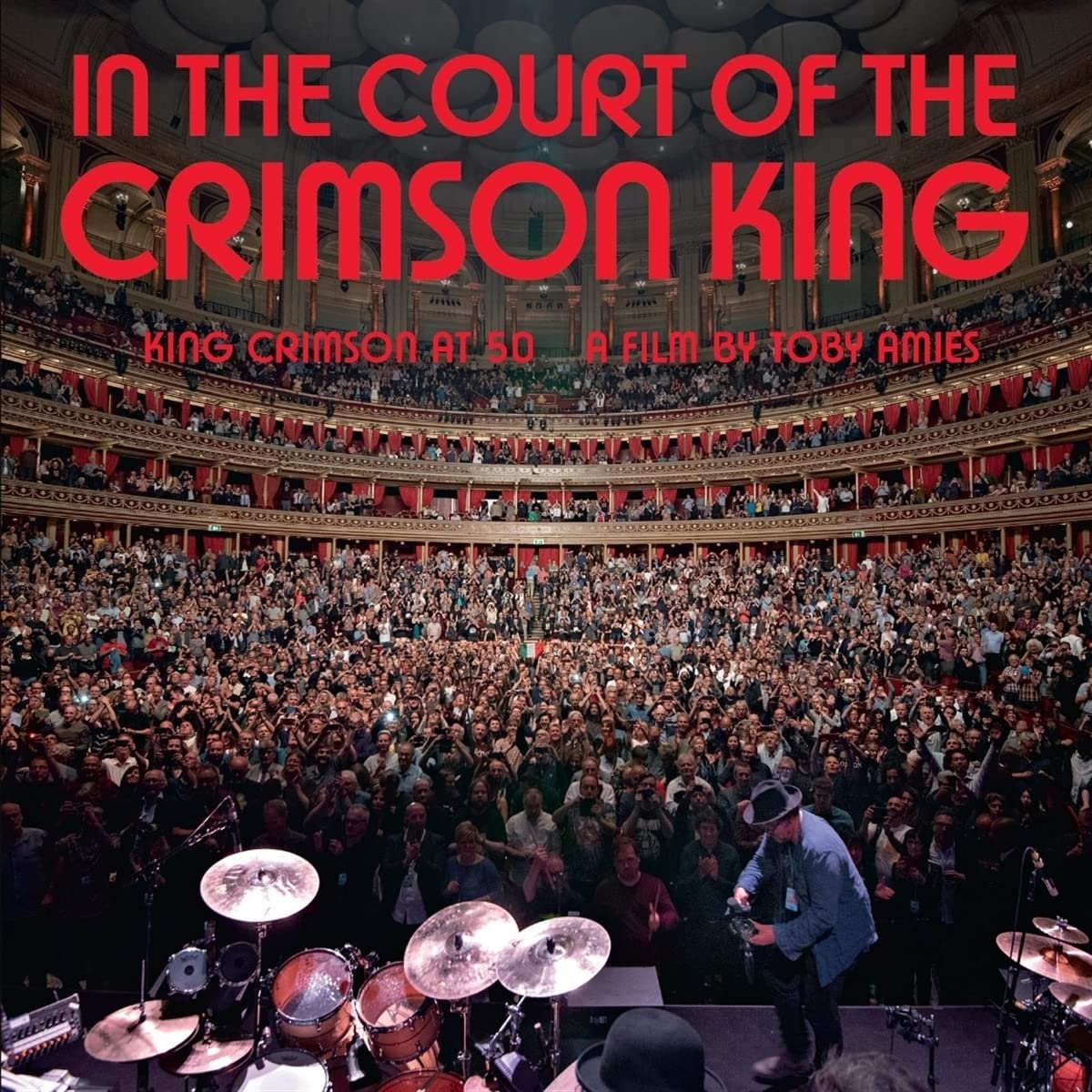
„Es handelt sich weniger um eine Geschichte des Avant-Prog-Haudegens als vielmehr um eine Darstellung der erweiterten Band von King Crimsons in ihren letzten Jahren, mit Porträts der wichtigsten Akteure im Laufe der Zeit. Es geht auch um das Geheimnis von Robert Fripp und seine unerbittliche Hingabe an Disziplin und Technik. Es ist ironisch und aufschlussreich, nicht zuletzt, wenn es um die Fans geht.“
Soweit Uncut vom Januar 2023, und jetzt ich: bei allem vornehmlich britischen Humor („sophisticated til black“) zeigt sich hinter mancher Fassade des Unerbittlichen und Sarkastischen auch eine sanfte Seite des Bandleaders, neben der durchaus zu erwartenden Verletzlichkeit.
Zum Ende des Dokumentarfilms (danke, Ingo!) von Toby Amies, die nun in Kürze als Doppel-Bluray-Dvd (Stereo und Surround, englisch ohne Untertitel) vorliegt, gibt es Passagen, die wahlweise erschütternd, tief philosophisch, sehr, sehr privat sind (bei vollem Schutz der Integrität der Protagonisten).
Für jeden, dem die Musik dieser um den Planeten Fripp kreisenden Band in der einen oder andere Verkörperung von King Crimson sehr, sehr naheging, einfach „nur“ bereichernd war, existenziell, oder lebensbegleitend, ist diese Dokumentation ein tiefer Einblick in manche Betriebsgeheimnisse einer Band, der mit viel Chaos, Konflikten, Verletzungen (aber auch Versöhnungen) einherging – eine ganz und gar aussergewöhnliche Veranstaltung, bei der es wohl nur selten beim einmaligen Sehen bleiben wird. Nichts Zusammengestoppeltes, vielmehr eine exzellent komponierte Dokumentation. Flow-Faktor 10. Mehr dazu demnächst.
🎩🎩🎩🎩🎩
2022 16 Nov.
Zum Lohnabstandsgebot
Jochen Siemer | Filed under: Blog | RSS 2.0 | TB | Tags: politics | 3 Comments
Hinsichtlich der Debatte um das neue Bürgergeld habe ich ein Problem. Einig sind sich alle Parteien, dass die Erhöhung des Regelsatzes von fünfzig Euro im Monat okay ist, ist er doch de facto gerade mal ein Inflationsausgleich. Dann aber wird von den konservativen Parteien und Journalisten ständig vom Lohnabstand geredet, der angesichts der Höhe der Sozialleistungen Arbeit unattraktiv mache. Erkennen sie die etwas schräge Melodie, verehrter Leser? Welche Konsequenz hätte denn eine Erweiterung des Lohnabstands? Ganz nüchtern und mathematisch betrachtet bleiben zwei Möglichkeiten: entweder das Existenzminimum zu drücken oder den Mindestlohn zu erhöhen. Diese Grundrechenart scheint aber in die polemische Bierdeckeldenke eines Herrn Merz und seiner geistigen Mitstreiter, in der ich übrigens grosse Schnittmengen zur AfD sehe, nicht hinein zu passen. Wer war denn gegen die Erhöhung des Mindestlohns? Bleibt also noch die Möglichkeit, den Regelsatz noch weiter unter das Existenzminimum zu senken, als er eh schon ist. Ein zweiter Punkt ist das Menschenbild herrschender Klassen, das sich aus meiner Sicht eines limitierten historischen Wissens seit den Feudalgesellschaften über die Industrialisierungs-Epoche bis zur heutigen Digitalgesellschaft treu geblieben ist: den Arbeitsbegriff als Disziplinarmassnahme im Dienste der Ausbeutung, zur Schaffung des Mehrwerts, zum Wohle und Machterhalt des Kapitals zu missbrauchen. Zudem fragt sich ein schlichtes Gemüt wie meines, ob denn das Lohnabstandsgebot auch zwischen einem Arbeiter, und sei es ein Zahnarzt aus der Mittelschicht, und den wirklich Reichen gilt. Ist der Lohn- und Besitzabstand hier angemessen? Blackrock sucks! Ein Top-Manager kann doch über Lohnabstand nur lachen. Der geht hier Hand in Hand mit einem Fussballprofi. Hinzu kommt, dass permanent Scheindebatten geführt werden, die vom wahren Kernproblem ablenken: wie wir angesichts der Klimakrise das Ende des Kapitalismus bewerkstelligen. Da bleibt dann für die Philosophie eines Herrn Merz recht wenig Platz.
2022 16 Nov.
Aus einem Interview der NYT
Manafonistas | Filed under: Blog | RSS 2.0 | TB | 1 Comment
Interviewer: Along those lines, there’s beauty in FOREVERANDEVERNOMORE, but it’s also deeply sad. Is that an accurate reflection of how you’re feeling about the world?
Brian Eno: For me, some of the music is very blissful. The last track is an idea of a kind of future that I would like. Also the track called “We Let It In” is not pessimistic. There is a threat built into it — that low barking sound — but that’s because I can’t conceive of a future where there isn’t a threat. I think we’re in for a hard ride for maybe half a century. Then it will either be the end of civilization or a reborn humanity with a different set of ideas about who we are and where we belong and how we must relate to things in order to survive. So I see a pessimistic short-term future. Not short-term for the person who’s living it but short-term in the history of civilization. Then I see this point at which we either really fail or we start to succeed. I think the succeed side has a very good chance because of the amount of human intelligence at work. There has never been more intelligence on the planet than there is now. Not only because there’s more brains than ever but there are also more augmentations of brains. There are more connections among all these brains. We’re in a sort of intelligence explosion. I hope. It doesn’t always seem like it. No, it certainly doesn’t. [Laughs.]



(c)FoBo_