Manafonistas

on life, music etc beyond mainstream

You are currently browsing the blog archives for the month September 2019.

Archives: September 2019

2019 9 Sep.

Go wild, go slow

| Filed under: Blog | RSS 2.0 | TB | Comments off


Bagels & Beans, cappuccino time. Back home at midnight after another morning and afternoon of heartfelt encounters with friends and other strangers. From the point of view of conversations, this was my best-ever year at the Punktfestival. It was quite a thing to use a little magic trick to make KLM care for two free seats on the last flight to Kristiansand, on a chaos day at Schiphol, five days ago. A bit of hardihood, haha. Christoph owes me one Gosht Chilli Karahi next year (lam med fersk chilli, purre, paprika og løk i en fyldig delikat kryddersaus (minimum styrke 4)). Yesterday: listening to the re-workings of Miles Davis’ „Rubberband Sessions“ on the first flight (to Amsterdam) – oh, well, let me find a way to write a funny let-down of this album that will probably be the most talked about jazz album of the year (the thing with legends). Talking with S. M., the Russian woman besides me, on experiencing Dostojevski as teenagers (and Arvo Pärt as grown-ups), was much more fascinating – the things tomato juice can get started. Listening to Tinariwen‘s new album on the second flight (to Düsseldorf), another pure joy. At home, I put the just released book by David Toop, „Living With Sound“, on the night board. I will write one more article about Punkt 2019, the lectures curated by David dealing with sound and memory. October will be a good time for that. But now, look at the photo, music from the future, with a primordial vibe, the sound of Hardanger Fiddle maestro Nils Okland in the electric wilderness! Do we have a deal?

2019 8 Sep.

Horizons

| Filed under: Blog | RSS 2.0 | TB | 1 Comment


Patrick and Björn on a paddle boat trip to the sea. (Hope they will give „Life Of“ and „Lost River“ some deep listening sessions, great guys and music talkers from Sweden.) New companions. From earlier years I know old weathered houses in the hinterland of Kristiansand, the fjord area, that look like 1955, time standing still. Having nice talks with a lot of wonderful old and new faces, and with my journalist hero from the glorious „Melody Maker“ days of old, Richard Williams. Early next year I will read and review his forthcoming book that is time traveling to old Germany. The horrendous Thirties, to be more specific. Sharing stories and memories with Steve Tibbetts and Marc Anderson on a daily basis, like being with friends you didn‘t know you have. Sitting with my soul mate Elin at Mother India and listening to her journey to München around 1967. And on and on and on it went. Small revelation: Nils Petter Molvaer told me that a big inspiration for the music of „Khmer“ (now out on vinyl for the first time) had been passionately reading Borges’ „Labyrinths“. One highlight for my not-so-innocent ears on day three was The Shamisen Concerto, composed by Daj Fujikura and The Trondheim Orchestra at Kilden. An old Japanese instrument shining in a contemporary ambience. Fragile and strong at the same time, it was never overpowered. The orchestra a living thing, no dead fish. Reminded me, slightly leftfield, of my student‘s days in Würzburg, being surprised and captured by the sound of a koto (appearing out of nowhere, on side two of David Bowie‘s Heroes). Different worlds, but two thrilling ways of placing a kind of „exotic“ instrument in an unusual landscape. The notes still lingerin’ in the air, Jan Bang and Sidsel Endresen did the live-remix, all from scratch, wild and beautiful and beyond words. Here we are in the years.


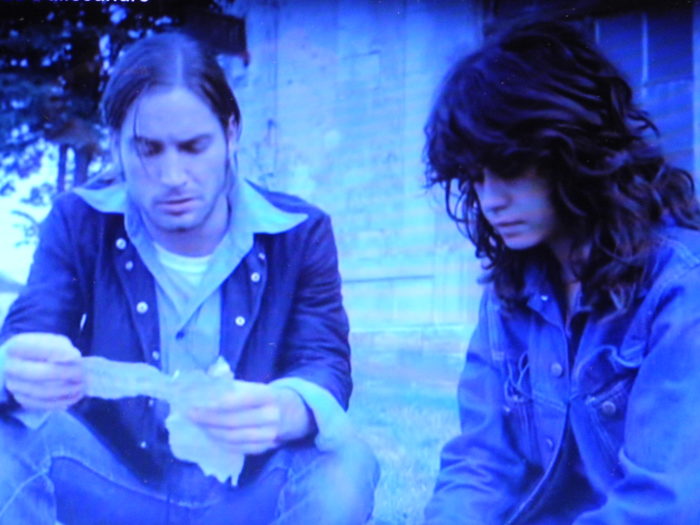
Unter den Filmemachern der Nouvelle Vague war Jacques Rivette der Beschwörer des Magischen und Mysteriösen. Es waren die Tagebücher von Jean Cocteau aus den Jahren 1945/46, die dieser während der Dreharbeiten an Beauty and the Beast geschrieben hatte, die Rivettes Begeisterung am Film entfachten. Er beschloss, Filme zu drehen, mit anderen gemeinsam an etwas zu arbeiten, nicht für sich allein. Er zog nach Paris und begann damit Filmkritiken zu schreiben. Es waren die Jahre, in denen er zwanzig Mal in der Woche ins Kino ging, manchmal in vier Vorstellungen an einem Tag, alle interessant: DeMille, Warhol, ein japanischer Film ohne Untertitel. Die Katogorien von Zeit und Raum lösten sich auf. Schnell lernte Rivette die späteren Hauptfiguren der Nouvelle Vague kennen. Merry-Go-Round (1981) entstand auf Wunsch von Maria Schneider, die Rivette vorschlug, einen Film mit ihr und Joe Dallessandro zu drehen. Als Ausgangspunkt für ein Zusammentreffen der beiden ließ Rivette sie im Film durch eine andere Person – die Schwester der einen, die Freundin des anderen -, in eine Hotelhalle nach Paris lotsen. Doch die Schwester bzw. Freundin erscheint nicht. Der Film wirkt zum Teil wie ein Experiment der Art, was passiert, wenn Maria Schneider (als Léo) und Joe Dallessandro (als Ben) gemeinsam vor der Kamera in ihren Rollen agieren. Der Dreh zog sich hin, Schneider und Dallessandro verstanden einander nicht. Neben persönlichen Spannungen gab es ernsthafte gesundheitliche Probleme der Beteiligten und zehn Mal wurde erwogen, das Projekt abzubrechen. Man merkt schnell, dass der Film seine Qualität vor allem durch die Montage erhielt und durch das, was zwischen Schneider und Dallessandro geschieht und was nicht geschieht. Die Faszination der beiden ist enorm und trägt den gesamten Film, auch wenn er sich mit seinen zweieinhalb Stunden ziemlich in die Länge zieht. In Anbetracht der Situation, in der sich die Schwester bzw. Freundin befindet und der dramatischen Hintergründe, die nach und nach enthüllt werden, wirken Léo und Ben fast surreal entspannt. Dallessandro verkörpert den Womanizer und Schneider spielt die jüngere Schwester: tough, lässig, unabhängig, intelligent und impulsiv. Merry-Go-Round öffnet einige parrallel laufende Räume, innere und äußere, zwischen Verschwörungskomplotten und suspekten Nebenfiguren, abgelegenen leerstehenden Bürgerhäusern, gefährlichen Begegnungen in den Dünen und im Laubwald, Transiträume, Pariser Vorortstraßen, einem Übungsraum, in dem Barre Phillips und John Surman musizieren. Ich mochte die Energie, die darin steckte, wenn Léo und Ben einfach nur nebeneinander saßen, sei es auf einer Gartenmauer oder auf einem alten Sofa. Gegen Ende gewinnt der Film an Tempo. Es gibt eine kleine Schlägerei, bei der es so offensichtlich ist, dass die Schläge gefakt sind, dass ich mich frage, ob es beabsichtigt war oder ob die Aufnahmen einer anderen Kamera verloren gegangen waren und es keine Kapazitäten mehr gab, um die Szene nochmal zu drehen. Der Schluss des Films lässt uns, wie Léo, sprachlos und irritiert zurück. „Jacques Rivette hat“, sagte Jonathan Rosenbaum, „das Kino mit ein paar Filmen in die Luft gesprengt.“


I like a stage scenery after everything has happened. Steve and Mark are always a treat, in their second half they played a fine version of „Threnody“, from their album „Natural Causes“. „You can’t be blamed for perceiving Natural Causes as a „grower“ in the truest sense“, John Garratt once wrote, „listeners need to reconcile the meditative nature of the music with the compositional complexity stirring beneath it all.

Marc played sitting on the floor with a cushion (i think), handling the percussion with a master degree in subtlety, Steve didn‘t risk to take his infamously weathered guitar on the journey, but his „touring instrument“ had a wonderful open sound. Both played with the acoustics of the space, never being trapped by false grandiosity. 

Seeing it from a little distance now, and as being part of his acoustic, non-ecstatic side, I look at „Natural Causes“ as a prequel to their 2019 masterpiece „Life Of“. If you want to go for a wilder ride with Steve, Mark and cohorts, start with „A Man About A Horse“ (2003). 

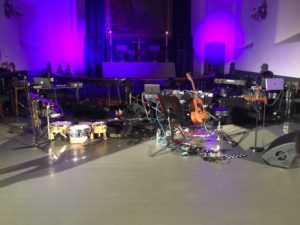
Look at the photo – psychedelic lights are still on from the inspired live-remix, Arve, Eivind, Jon and Erik did using samples from the performances of Trondheim Voices and the duo from Minnesota. Punkt‘s inner circle should finally publish a collection of this quartet‘s live remixes – it would not stand behind the thrills of „Punkt Crimes“, or the buried treasure of the „encounter“ of Jon Hassell and Sidsel Endresen.  

In regards to the Norwegian vocal music of Trondheim Voices: all took place with an impressive care for microtonal finesse, perfectly balanced with small breaks for turning pages. A minor quibble is (from a guy who has no long and surely no passionate story with choir music – Fiona is the expert here, and I‘m the bloody amateur), that it was a little bit too long in real time, meaning my headspace was drifting off at some occasions. Good thing is, I was always returning. By the way, being a long follower of Jon Balke’s adventures in modern music, I’m curious about his forthcoming collaboration with the ladies.

At the end, the blonde woman (crossing my paths here for years), who reminded me to not forget my petrol rain coat on a that cloudy Kristiansand evening, was entranced and fulfilled by this afternoon‘s musics that started with Stale Storlokken‘s take on church organ music. For someone like me who has a critical attitude towards the historical baggage of big church organs as being (amongst everything else) instruments of intimidation, I must confess: I liked his journey – turning the grey old pathos into a lovely playground, at least most of the time. 

A blue fade-out at the end would have suited better (for me) than the big „brumm brumm“. Anyway, at several moments Stale‘s moods were so light that I could imagine a Bo Hansson tune from „Lord of the Rings“ shining around the corner. From the days of old. I‘m now sitting in my room, totally in the mood for a really cold and sparkling coca cola, honestly. 


Some time ago now, you remember? Cattle and Cane“. Think of my very last radio night in December, and how to end it, songwise, no second thoughts, just a smile on my face. It just came to me, on my flight yesterday from Kristiansand to Amsterdam. The last sequence, twenty minutes long, four pieces of music, four small, well, not so small worlds. On my list of 50 things to do before I die: crossing the Go-Betweens-Bridge in Brisbane with earphones while some spring rain will gonna be fallin‘. This is an inventory for the love of a music. With a place. We are all Go-Betweens.
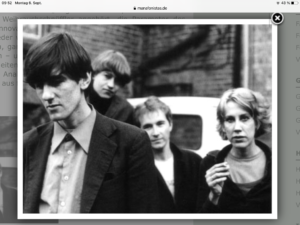


Grant McLennan dying so young,
 Robert Forster finishing Grant’s last three songs when going solo again on „The Evangelist“ after the end – and what songs that were!

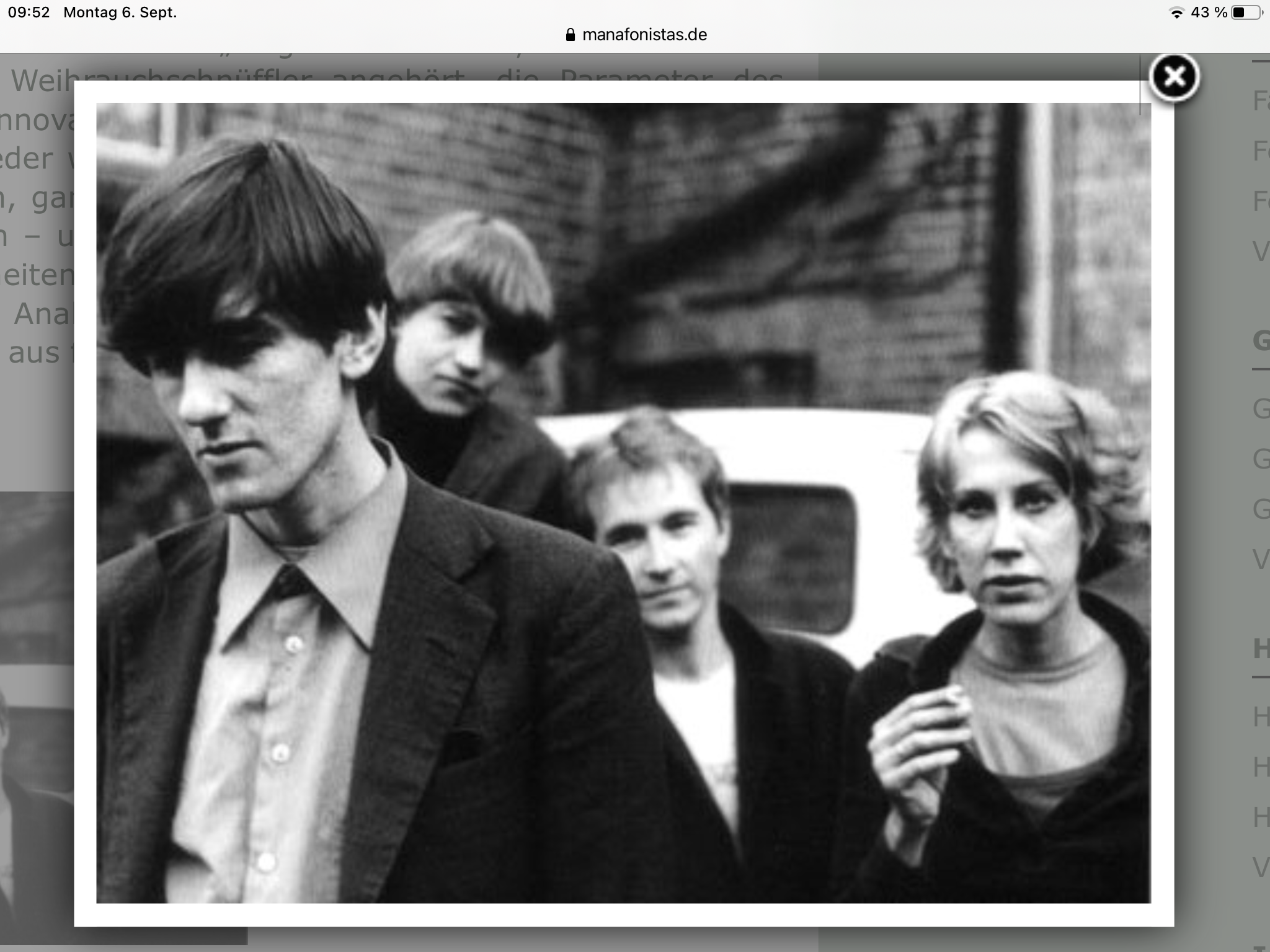
The Go-Betweens were looking for pure songs and melodies. With a twist. With undercurrents. Melancolia, sunbathed. Or rain. They wrote one of the best songs about rain since Creedence Clearwater Revival. „Spring Rain“. Passion and understatement. Fine lyrics all over the place. You can start anywhere.

And another way to enter their sunken world, the documentary „Right Here“. Some might find moody shots of Forster walking across an empty field or staring at a bonfire cliched or even trite. But they are people who hold more value in technique than soul. The Go-Betweens have always been about soul, not technique. As Lindy Morrison says, “We didn’t look the part, we didn’t sound the part, we were too intelligent.”

Haha. Well said, Lindy. It is an emotional, rolling thunder of a film, one this extraordinary band deserves. Those for whom the Go-Betweens are part of the architecture of their lives will love it. For casual watchers, it might introduce them to something special.


  • Send Me a Lullaby (1982) ***
  • Before Hollywood (1983) ****1/2
  • Spring Hill Fair (1984) *****
  • Liberty Belle and the Black Diamond Express (1986) *****
  • Tallulah (1987) ***1/2
  • 16 Lovers Lane (1988) ****
  • The Friends of Rachel Worth (2000) ****
  • Bright Yellow Bright Orange (2003) ****
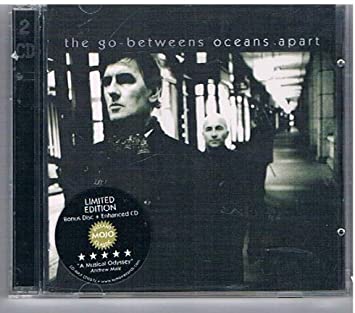
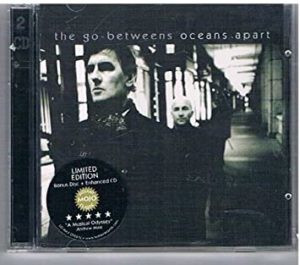
  • Oceans Apart (2005) ****1/2


„Before Hollywood“ was my ticket to ride. i saw  the band wheneer they came near – it was meant to be a company for a lifetime. Reading a lot of these small letters on the band’s website in the memorial section  can still bring tears to my eyes. There is a kind of „community“ of listeners that never really met (apart from local stages), but can tell one another so much. About their experiences of the music. I never had such an intense emotional reaction about the death of a musician. Not even linked to my meetings with the guys. Their songs found a deep way down into my soull. Next week I will do a radio show where death is present all around, playing Ali Farke Toure, Johnny Cash and The Go-Betweens. That night I will wear my old blue Go-Be´s T-shirt. Sky-blue. Grant will always be part of the music I love, here and there and everywhere.

(m.e., summer 2006)


Michael Engelbrecht: Grant was writing on three songs. Sketches. Originally for another Go-Between album. Were there only melodies – did you write or finsih the lyrics for „The Evangelist“?

Robert Forster:  For the song „Demon Days“, the first five lines were written by him, I continued the writing. When Grant worked on songs in the last few years, he always wrote the lyrics at the end. He loved choruses and melodies – this raw material fuelled his work on the lyrics. After his death I came across his notebook and there were no lyrics in it, except these five lines from „Demon Days“.

And, how moving these lines are, in retrospect. Especially on this song, your singing is so soft and warm – I have rarely you heard that from you.  Somehow close to the devastatng tone of Neil Young  from „On The Beach“, his album was about loneliness and alienation.

That’s a special compliment, Michael.  „On The Beach“ is my favourite Neil Young album. In fact, I was listening to side two of the album just a week ago. I don’t think I’ve sung much in that vein before because the melody wasn’t mine.  Grant’s melody changed my voice. And of course his lines established a basic mood that I had to follow.

The album starts with a very quiet drawn-out sound, and it takes quite a while for the first words come up in  „If It Rains“.  The beginning is an awesome kind of meditation on rain.

Meditation is a good word here. There was the end of the very last song by us Go-Betweens on „Oceans Apart“; and then, not much later, the terrible thing happened. I wanted the first song of „The Evangelist“ to be a kind of meditation. The album couldn’t start normally. I didn’t want to start with a song, but with a sound, which, by the way, came from an old Casio keyboard. I wanted people who listen to hear this point zero, this  sound close to nothing. Only then do things start to develop.  The album just had to start slowly for its own stake!
 

Azkadenya is a modern, casual-dining Arabic restaurant chain that offers a wide variety of Middle Eastern cuisine. I don‘t know exactly if there is any other meaning, but the trio‘s work surely offers a broad palette of sounds, flavours, and moods.  Violin, bass, voice. Introduced by Fiona Talkington’s empathetic words, and enhanced, all the way through, by first class imagery and light (shadow) effects. It is always a joy to experience Sidsel, one of the world‘s greatest vocal improvisors, at Kristiansand – the Punktfestival now celebrating without big fuzz its 15th birthday. Records with her unique „singing style“ (the word style seems a bit limiting here) are a rare treat, so normally you have to go see her live exploring an enormous field between the whisper and the cry – all delivered in an awesome melange of sounds free of meaning, and (as it appeared to me, but you easily get lost in the wilderness) remnants of Norwegian and English language that add another element of suspense. As does Vilde and Inga’s searching and finding of holes, exits, solutions, outbursts, wonder, real life ecstasies, never relying on nostalgia or l‘art pour l‘art. This trio is a perfect pairing – and, sorry for that, there‘s no recording available. ECM New Series would be a perfect place for such unrelenting magic. And, let me add this: the pleasure of experiencing such music is slightly undermined by hard floor sitting. Yoga experts might have been able to cope with such inconvenience.


Zwei besondere Alben in nur einem Jahr, das eine extrem surreal, wie ein Soundtrack zu einer ganz anderen Art von „X-Files“, das andere  ganz und gar irdisch, zornig, dunkel, zärtlich. Offenbar sind „Big Thief“ am Verwegenen interessiert. Fast jedes Lied (schreibt Sam Sodorsky in „Pitchfork“, und ich übersetze ein paar Sätze von ihm wie ein Simultanübersetzer, dem auch mal was entgeht) fliesst über mit Tränen und Blut. Es gibt nur wenige Overdubs auf „Two Hands“, und manchmal hört man einzelne Mitglieder des Quartetts, wie sie einander Instruktionen geben, als wären sie gerade im Probenraum. So lassen Big Thief ein sehr spezielles Rockalbum entstehen, einem Versuch gleich, die unvollkommene rohe Essenz einer Band einzufangen, zu zeigen, was passiert, wenn man einfach bis vier zählt und loslegt. Dieser Zugang ist bestens bekannt, um einen starken, zugleich ausgefransten Zusammenhalt zu betonen, einige von Neil Youngs Platten aus den Siebzigern könnten einem da einfallen. Je stärker sich Big Thief auf einen besonderen Sound fokussieren, desto magischer klingen sie. Ich habe (und ich bin jetzt nicht mehr als Simultanübersetzer aktiv) diese amerikanische Gruppe erst in diesem Jahr entdeckt, keine Frage, absolute Klasse.


2019 4 Sep.

Die Linder Ebene

| Filed under: Blog | RSS 2.0 | TB | Tags:  | 7 Comments

Die Linder Ebene kennt hier niemand – da bin ich mir sicher. Aber die Po Ebene kennt man bestimmt, und die Norddeutsche Tiefebene auch.

Die Linder Ebene ist etwas Besonderes, nicht absolut, aber in Relation zu ihrer Umgebung. Meine fränkische Heimat ist reich an Hügeln, Bergen und sogar Gebirgen. Hoch oben – in Presseck etwa – hat man einen weiten Blick auf eine wellige Hochebene. Man sieht die tiefen, manchmal klammen Täler nicht, die von den Schmelzwassern des Frühlings hineingefräst wurden. Wo die vielen nach Süden abfließenden Bäche des Frankenwaldes und des Thüringer Waldes von größeren Flüssen wie dem Main geschluckt werden, sind die Täler begleitet von steilen Bergen.


Die Linder Ebene ist etwas Besonderes, weil sie im engräumigen fränkisch-thüringischen Bergland nicht ihresgleichen hat. Dieser weite, flache, von Bergen gesäumte Kessel fasziniert mich durch seine Offenheit und den rätselhaften Muppberg, der von allen Seiten wie ein Sarg aussieht. Lange konnte ich – unwissend – mir vorstellen, mich in einer Caldera zu befinden. Der Muppberg ein alter Vulkanschlot? Falsch.

Der Muppberg ist ein sog. Zeugenberg. Er erhebt sich aus der Ebene, weil er ein harter Brocken ist, welcher der Erosion widerstanden hat. Er scheint im Wesentlichen aus Sandstein zu bestehen. Das Umland wurde in langer Zeit von Wind, Wetter und Wasser zugerichtet, weggespült und aufgebaut.


Das ist die Steinach, kurz hinter dem Dorf Mupperg. Dieses Bächlein und ein paar andere haben die Linder Ebene hergestellt mit Sedimenten, die seit Hunderttausenden von Jahren aus dem Thüringischen Schiefergebirge angeschwemmt werden. Der Flussname drückt es aus: Stein-Ache bedeutet Steinfluss. Wegen der Trockenheit dieses Sommers ist es ein harmloses Rinnsal. Aber wenn die Schneemassen des Thüringer Waldes im Frühling dahin schmelzen und starker Regen mithilft, wird der Bach zum Ungeheuer. Besonders in früheren Zeiten, als die Winter strenger und die Flüsse noch kaum reguliert waren, geschah dies häufig. Eine Chronik von 1763 aus Oberlind berichtet:


Neujahr sind wir mit großer Mühe bis an die Kirche gekommen, haben zum Turm hinausgesehen und sind sehr erschrocken. Bei vielen Häusern lief das Wasser zum Fenster hinein, so daß viel Morast mit hineingebrauset. Drei Tage lang konnte kein Nachbar dem andern Hilfe leisten.


In meinen ersten Jahren in der Drei-Flüsse-Stadt Kronach habe ich ein solches Frühlingshochwasser gesehen. Da stand das Wasser an der Schwelle des Hotels Sonne.


Bevor der Mensch hier eine Kulturlandschaft schuf, war es ein nordisch anmutendes Feuchtgebiet. Sümpfe (Müß, wie sie in der Gegend heißen), Torfmoore und ein Artenreichtum an Wasservögeln und des Fluges nicht mächtigem Getier gaben der Gegend ihren früheren Charakter. Zu Beginn des 19. Jahrhunderts begann die Trockenlegung des Areals. Diesen Teich hat man wohl vergessen.

Die Linder Ebene ist etwas Besonderes. Es ist mein Fahrradparadies, flach, die Wege mit gutem Belag und extrem wenig Autoverkehr, mit zwei zu Radwegen mutierten alten Bahnlinien. Doch wenn man Lust hat, kann man auch in die Gebirge hochfahren, welche die Ebene einkesseln. 500 Höhenmeter liegen zwischen Heubisch und Neuhaus am Rennweg. Immerhin 180 Meter Höhendifferenz sind es von Heubisch hinauf auf den Muppberg.

Um die Ebene zu überblicken, segelt man am besten mit dem Gleitschirm darüber hinweg. Zu fotografieren in der Totalen fällt nicht leicht. Man müsste in einem Haus am Südhang des Thüringer Waldes wohnen. Dort ist die beste Wohnlage Sonnebergs – gemessen an der Aussicht …


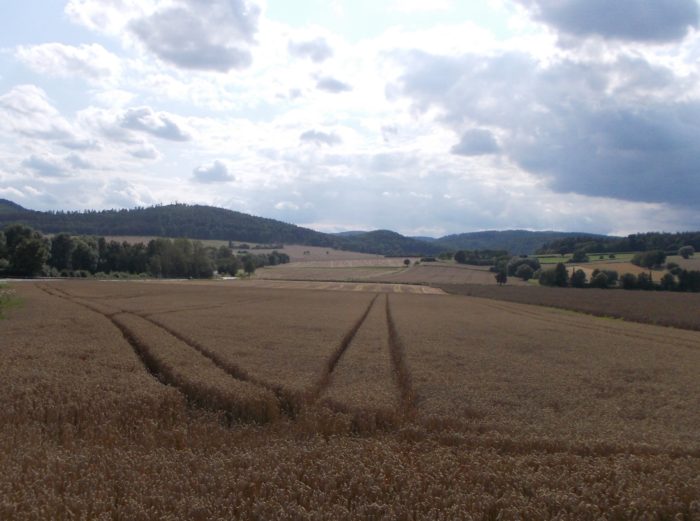
Jedoch am unmittelbarsten erlebt man das Gebiet mit den Füßen oder den Reifen auf dem Boden. Heute war ich zum zweiten Mal in meinem Leben auf dem Muppberg, dieses Mal mit dem Fahrrad. Bewegt man sich in der Linder Ebene, sind fotografisch nur kleine Teilbereiche erfassbar.


Der Fahrweg hinauf zum Muppberg beginnt an seiner Nordseite in Neustadt / Coburg an der Straße nach Ebersdorf. Für Kfz ist der geschotterte Weg gesperrt. Nur zur Versorgung der Arnoldhütte und anderer Einrichtungen dürfen Autos hochfahren. An einer Stelle – bei einer Haarnadelkurve – zweigt ein breiter Weg ab. Hier musste ich rasten. In der Kurve geht es ein paar Meter in Direttissima-Linie aufwärts. Auf dem Schotter drehte mein Hinterrad durch. Ich habe leider kein Allradrad. Ein E-Bike habe ich auch nicht, denn ich radle beyond mainstream. Deshalb musste ich ein paar Steilstücke schieben. Oben gibt es einen Aussichtsturm, von dem ein Blick in die Linder Ebene möglich sein sollte. Leider war die Türe verschlossen. Aber ein Bild des Muppbergs von oben, wie ein Gleitschirmflieger ihn sieht, kann ich am Ende doch noch anbieten.


Zum Schluss zeige ich den letzten Berg, den ich an diesem Tag in Angriff genommen habe. Trotz der Höhen kann ich mir vorstellen, dass Norddeutsche-Tiefebene-Radler Gefallen finden an der Linder Ebene.


2019 4 Sep.

Out of Reach

| Filed under: Blog | RSS 2.0 | TB | Tags:  | 1 Comment


„Nobody on the road / Nobody on the beach
I feel it in the air / The summer’s out of reach
Empty lake, empty streets / The sun goes down alone …“


Don Henley: „Boys of Summer“ (live version)

Loop Reprise (covered)


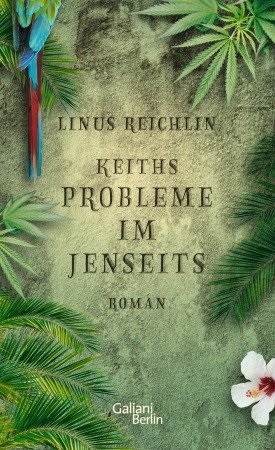
Mein Gott, ist das ein gutes Buch. Ich liebe es, wenn ein Roman  einen scharfen Witz hat, abgründig absurd ist, und zugleich noch eine Geschichte umwerfend klug serviert. Selten geworden in sog. moderner deutscher Literatur, die gerne taumelt zwischen aufgeblasenen Posen der Ergriffenheit, und einem Staccato trister Bestürzungen.

Ja, Keith Richards hat es auch erwischt, nach Cash, Bowie, Cohen undundund. Es gibt Leute, die glauben bis heute nicht, dass Elvis tot ist. Aber Fakt ist Fakt. Der Held dieses Romans, Physiker, Stones-Fan, und Leader einer Cover-Band,  stellt sich den Fakten, und heult Rotz und Wasser.

Hier auf dem Blog wurde vor Tagen, im Kleingedruckten, tatsächlich mal angefragt, ob der eine oder andere an Gott glaube. Es wurde über transzendentale Gewissheiten und karmische Illusionen gesprochen. Linus Reichlin nimmt sich nun  des Themas,  im weiteren, post-existenziellen Sinne, mit der  gebührenden Schärfe an.

Nicht immer funktioniert das mit dem Sterben so, wie man denkt.  Ich hatte, und es ist ja nicht der reine Spass, wirklich nicht, aber ich hatte, vor lauter Lachen, einige Male Tränen in den Augen. Linus Reichlin hat ein kleines Meisterstück abgeliefert, das zwar blendend unterhält, aber doch tiefer dringt als jeder biedere Lesespass, jeder triefende Zeitgeist-Hype. Sollte den Kurt Tucholsky-Preis bekommen, oder gibt‘s den gar nicht?! Ein richtig guter Trip!


Manafonistas | Impressum | Kontakt | Datenschutz