Manafonistas

on life, music etc beyond mainstream

You are currently browsing the blog archives for the month Juni 2019.

Archives: Juni 2019


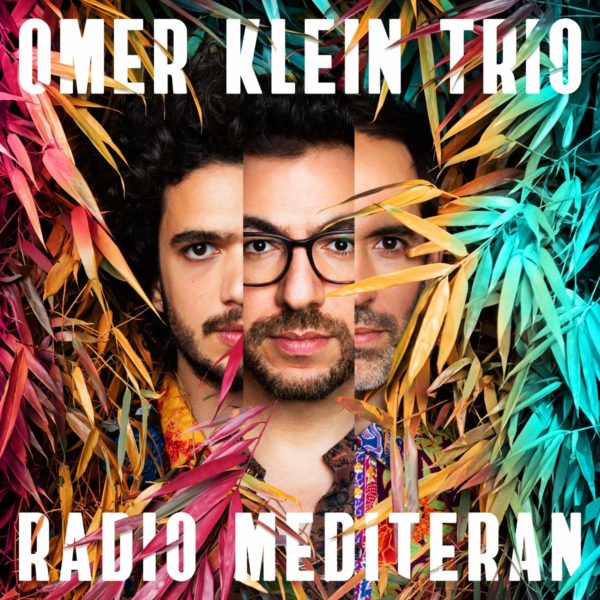
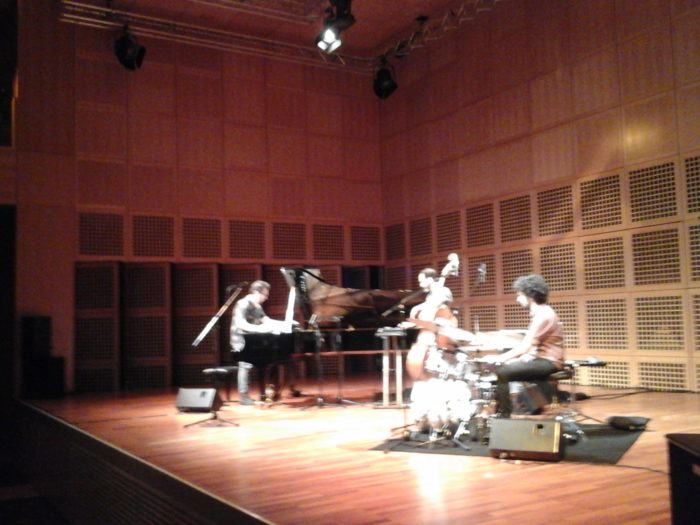
Gestern Abend gab Omer Klein Clara Schumann und uns die Ehre. Das Konzert begann mit einem wundervollen, wie aus einem Schlüsselblumenbouquet geschüttelten Vollklang. Omer am Piano strahlte seinen Bassisten Haggar Cohen-Milo an, der lachte zurück und dann hinüber zu Amir Bresler am Schlagzeug. Da fand musikalische Höchstkommunikation statt. Was für eine Spielfreude! So nur gesehen bei Ravi Shankar, lang ist’s her. Dann stand Omer auf, nein, er lehnte nicht am „wankenden Spinett“, sein Bassist hielt mit, das Ganze ein Bild von: wir halten die Richtung. Das Musikboot steuerte mediterrane Häfen an: Stücke rund um das Mittelmeer erklangen. Mir gefiel besonders das zweite Stück: „Tripoli“. Omer haute in die Tasten, der Drummer übertönte ihn. Fantastisch wie er die Trommeln bediente: wake up, stand up, beat up for your life. Ich denke an Heinrich Bedford-Strohm, der jetzt auf Sizilien steht und für die Entkriminalisierung der Seenotretter kämpft. Die drei Jungs aus Israel hämmerten ihre Anklage, dass ein Raunen durchs Publikum ging, meine Freundin flüsterte mir zu: „They got the rhythm.“ Hillary Clinton schwebte vorüber, was hat sie  für Unheil angerichtet. Und please, free Assange. Musik kennt und tröstet mit wunderheilsamen Melodien. Das Omer Klein Trio besitzt alle musikalischen Rezepte dazu. Ihre komponierten Stücke schlugen einen weiten magrittschen Friedensflug über das Mittelmeer. So heisst denn auch ihr drittes Album: Radio Mediteran. Unbedingt empfehlenswert!


2019 7 Juni

A diverse trio of video portraits

| Filed under: Blog | RSS 2.0 | TB | Tags:  | 2 Comments

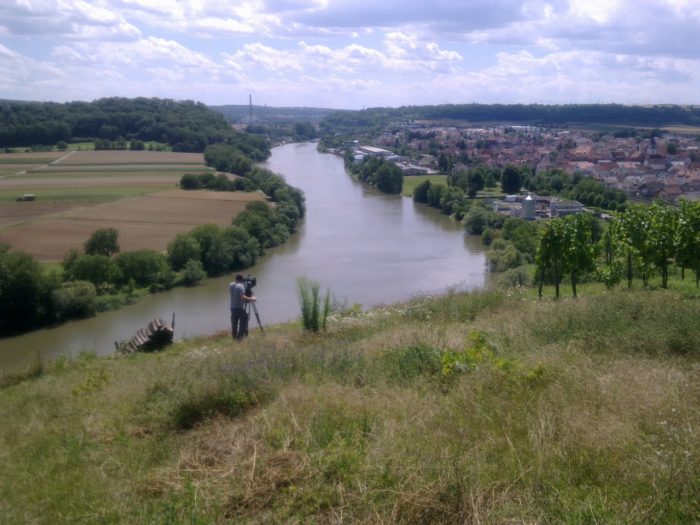
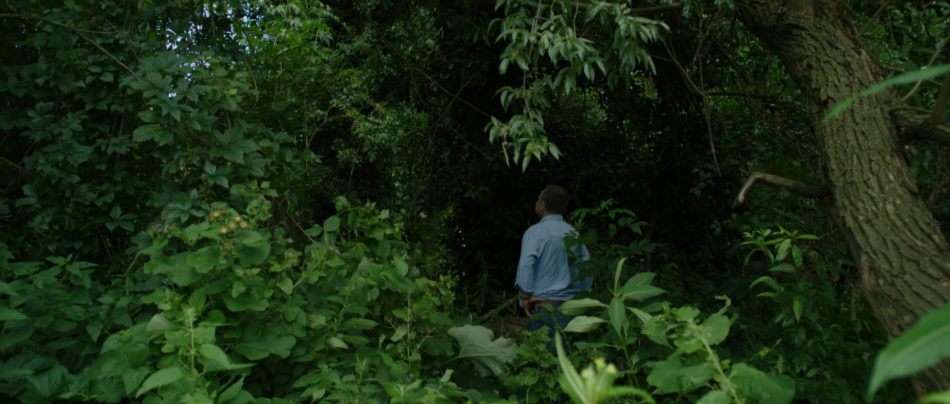
Please enjoy three quite diverse videos about 1984, 2001 and 2014.

This time with a look „behind the scenes“:


2019 7 Juni

Hundred Weight Hammer

| Filed under: Blog | RSS 2.0 | TB | Comments off


… from Underworld – #DRIFT Ep.4 Pt.3


Woozy, low-slung, detuned, twanging, questing, nagging, dissonant, dreaming … Hundred Weight Hammer is a pure disorientation groove. From Underworld‘s ongoing Drift series …

Hundred Weight Hammer’s brilliantly weird urban voodoo visual was created by tomato’s Simon Taylor. “I made the masks in the studio with my assistant Leina. The performers are actors, dancers and architects. What was really interesting to see was how they each chose and inhabited their own masks, then brought them to life. These inanimate objects suddenly became human.”

2019 6 Juni

Far away

| Filed under: Blog | RSS 2.0 | TB | Comments off


„There’s a place on a blank stretch of road / where nobody travels and nobody goes“ 


2019 5 Juni

Utopia

| Filed under: Blog | RSS 2.0 | TB | Comments off


oder wenn die Dämmerung einsetzt, spät am Abend, wenn die Hitze des Tages sich verflüchtigt im freien Gelände, dort, wo der Horizont noch sichtbar ist (Rekonstruktion eines Ausstellungsstücks). Um diese Stunde erobern kleine Insekten die Wege neben dem Fluss. Wie irrealer Regen strömen sie mir, Argonautin mit fliehender Stirn, entgegen. Und ich sehe mich in den Facetten ihrer winzigen Augen, endlos gespiegelt.


2019 3 Juni

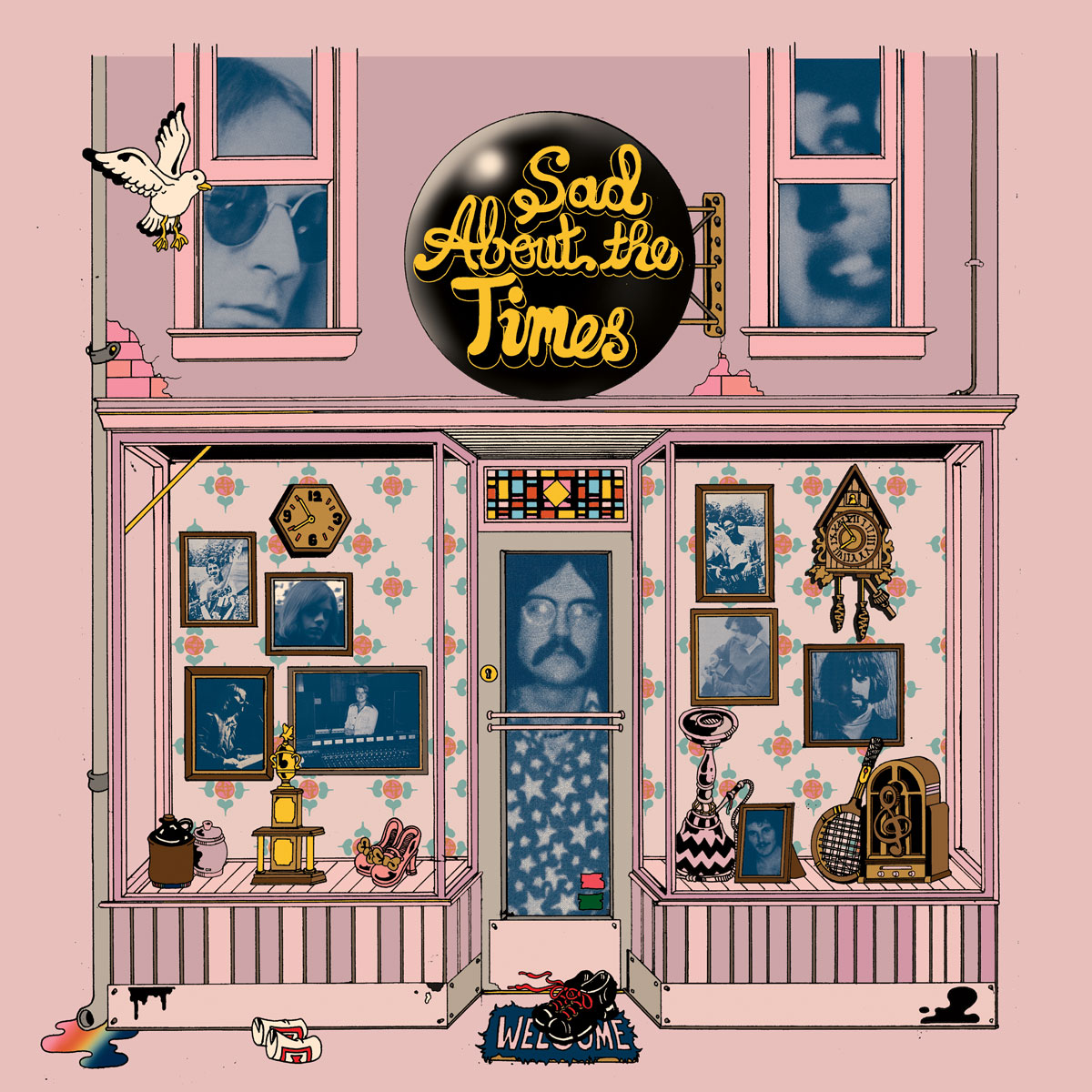
Sad About The Times

| Filed under: Blog | RSS 2.0 | TB | Comments off


The men behind this record, Australian DIY producer Mikey Young and Anthology Recordings founder Keith Abrahamsson, have aimed for a definite mood, namely “alone in a hot tub on a warm ‘70s summer night [when] a song you’ve never heard comes on the radio, sad but [with] a healing quality.”

Here are forgotten and overlooked soft rock, folk and powerpop heartbreakers that tap into the chilly sunset melancholy of the early ‘70s, when free love idealism turned sour and brown-acid flashbacks came with tears of regret.

Standouts include Norma Tanega’s bright and lonesome Illusion, Jode’s folk-jazz lament for the future Tomorrow Is Gone, and Dennis Stoner’s lambent, unhurried plea for understanding, Maybe Someday/Maybe Never. But Ron Cornelius’s group West hit hardest on their 1968 title track: “Feel so lonesome that it hardly seems worth living/No one’s here but you and me.”

2019 3 Juni

Drei Sechs Neunzehn

| Filed under: Blog | RSS 2.0 | TB | Comments off


Und nachts kommen die Nachrichten. Blaue, rote und vor allem schwarze. An den schwarzen und roten Nachrichten hängen Noten, Hinweise, Schnittmengen und weisse Flecken auf deiner literarischen und musikalischen Landkarte. Die blauen sind ein Fortsetzungsroman aus Sprachnachrichten, aufgesprochen auf Raststätten und Autofahrten zurück von Begegnungen in Hörsälen und lokalen Treffpunkten, die in allen Städten anders heissen und doch nur dem einen Zweck dienen: Ein panic room zu sein, Gemeinschaften zu bilden und Bestehendes aufrecht zu halten. Und morgens, wenn alles noch schläft und Du mit kleinen Augen deinen ersten Kaffee trinkst beginnt dein Tag damit festzustellen: ich habe an Dich gedacht.


2019 2 Juni

Ein Termin mit Herrn Rihm

| Filed under: Blog | RSS 2.0 | TB | Tags:  | 4 Comments

„Ich muss nicht an irgendwelchem Zirkus teilnehmen, um wahrgenommen zu werden, sondern ich kann ich sein – und ich kann das in aller Radikalität. Ich kann wirklich eine ganz private, zurückgezogene Existenz führen – mir sehr zur Freude.“

(W. Rihm)


Dieses Fernsehporträt hatte ich mir vorgemerkt. Dem Misstrauen gegenüber Mediatheken geschuldet (nicht alle sind so fix wie Netflix) schaltete ich gegen meine Gewohnheit schon tagsüber den Fernseher ein, denn normalerweise bekomme ich vom daytime viewing eine semi-depressive Stimmung. Zur besten Frühschoppenzeit am Sonntagmorgen also wurde wiedermal eine Regel durch die Ausnahme bestätigt. Ich ahnte, es würde sich lohnen, aber dass es so gut war – wer konnte das wissen? Was kam, war der Hammer! Soweit ich mich erinnere, waren CDs von Wolfgang Rihm die einzigen aus der Abteilung Klassik, für die ich bereit war, Geld auszugeben, damals als man noch CDs sammelte, wenn auch in stets bescheidenem Maße. „Gesungene Zeit“ beispielsweise, ein Violinkonzert mit Anne-Sophie Mutter. Dann erinnere ich mich gerne auch an ein Interview aus der Essaysammlung Wie kommt das Neue in die Welt?. Dort erzählt der Komponist, sobald ein Termin warte, habe er schon drei Tage vorher schlechte Laune. Das sprach mir mir aus der Seele: hoch lebe die Terminfreiheit für alle Tage! Bemerkenswert, wie dieses empfohlene Fernsehportät zeigt, ist nämlich auch die Qualität der sprachlichen Äusserungen Wolfgang Rihms, in denen sich die Prägnanz seiner Kompositionen widerspiegelt: direkt, präzise, gehaltvoll, existenziell. Wen wundert es, dass ein Denker namens Sloterdijk zu seinen besten Freunden zählt. Es könnte mich positiv umstimmen, solcher Neuer Musik zukünftig mehr Interesse zu schenken. Ins Offene … Kein Zufall, dass auch zu den jüngst zu Gehör gebrachten Piano Improvisationen eines Manafonisten, was die Körperlichkeit und haptische Kraft betrifft, eine Verwandschaft besteht. It´s a stony road he told us and we trusted what he said. Einem Label namens ECM dürften solche Klänge auch nicht fremd sein. Also, Freunde der Musik in Schottland, Kalifornien, Pennsylvania, hierzulande oder anderswo: Wolfgang Rihm – über die Linien. Grenzgänger des Klangs, man schaue sich das an und wird hernach verwundert und verwandelt sein.


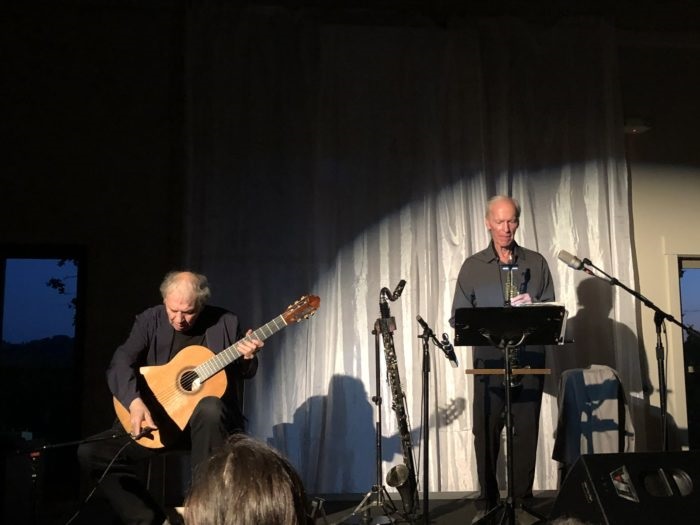
I was lucky to see the first duo performance ever by Ralph Towner and Paul McCandless, two of the founding members of Oregon last night at the Healdsburg Jazz Festival. It’s interesting to note that Oregon is celebrating its 50th anniversary this year, which has to be some kind of record. Yet considering the enormous influence this group has had, it’s surprising and sad to realize the short shrift they have received here in the States. They haven’t performed on the West Coast for nearly 10 years, and amazingly, they have never graced the stage at the SF Jazz Center. With Ralph having turned 79 this year, and Paul not that far behind him—it is anyone’s guess whether there will be another Oregon tour or album. All of which is to say that seeing these guys perform together is a very precious and rare thing.

I’ve been a follower of Oregon since I was a teenager. I was lucky enough to see the original lineup featuring Colin Walcott on numerous occasions. I am an unabashed Oregon completist, having tracked down virtually everything they ever recorded (except for the elusive Oregon Trio’s Music for a Midsummer Night’s Dream.) No, it’s not all essential, but it all tells something of the Oregon story, a long strange trip of a very different sort.

The history of that legacy was palpable in the elegant, light-filled room at the Soda Springs Winery last night. The crowd was mix of local concert supporters and Oregon fanatics, those of us in the latter category seeming to immediately gravitate towards one another. One guy had traveled from Sacramento to see the duo; another had come all the way from New Jersey. I recognized amongst the fanatics, music journalist extraordinaire Anil Prasad, who has a wonderful website (and a great book) where one can read interviews with cutting-edge musicians from the jazz, pop, and prog worlds. There is a fairly recent McCandless interview and at least one major Towner interview (www.innerviews.com). We shared a bottle of wine and the stories began to flow. We started to talk about our most memorable concert experiences. I realized that many of mine belonged to those performed at San Francisco’s Great American Music Hall. In its heyday, amidst its excessively ornate, velvet-Victorian beauty—the building once housed a brothel—the stage hosted some of the greatest jazz acts of the mid to late 20th century. (The Great American has since become a boring venue which hosts mostly mediocre rock and pop acts.) It was there in that intimate hall in 1977 that I saw the original Pat Metheny Group. They played “San Lorenzo” and all the white album stuff, threw out new tunes from the yet-to-be-released American Garage. It was here that I saw Eberhard Weber and Colours play the entire Silent Feet album, with the added bonus of “T on a White Horse” for quartet. (Imagine my surprise to find the entire concert was recorded and is up on YouTube.) And it was here that, around 1976, I saw Gary Burton with the Passengers lineup sharing the bill with none other than Oregon. While Gary and Ralph were playing duos between band sets, my date asked Paul to come over to our table and share a blunt. That was the first time I met Paul. He now lives in Healdsburg, and we are friends.

Last night, Ralph first appeared on stage solo and played a lovely set comprising old and new tunes, mostly off of the latest album. The title track, “My Foolish Heart,” was given a tender and detailed rendition. A new as yet unrecorded tune called “Flow” (Ralph spelled out the title to make sure we understood it wasn’t a woman’s name,) was presented. A spirited performance of “Saunter” followed, along with a lively version of “Dolomiti Dance” and a very sweet rendition of “I’ll Sing to You” (which Ralph forgot the title to for a minute, but, hey, he remembered all the notes).

Paul came on stage, armed with just his soprano sax and bass clarinet, and the two launched into a set of classic and lesser known Oregon tunes, all Towner compositions, including Duende, Anthem and The Prowler. It was a beautiful set, and a deeply emotional experience for me. As I mentioned, I grew up listening to these guys, and here they were, still playing, exploring and taking chances, leaning into the moment some 50 years later. The duo received a warm welcome and undivided attention through the set. After the the classic Oregon closer “Witchi Tai To,” on which Paul played penny whistle, the duo came out and played an encore of Towner’s “Celeste,” a delicate tune written for his daughter. Afterwards, I spoke with Paul about the show. He told me the fact that the duo had never performed before made the music feel very fresh for both artists.

It was hard and a little embarrassing for this fan nerd to do, but I had brought the cover to Ralph’s newest solo disc and was determined to have him sign it. When I approached him, he smiled disarmingly as if he recognized me. I reminded him of a workshop the original lineup of Oregon had given at Sonoma State University back in the late 1970s. I had taken a composition class with Ralph and recounted how he had sat at the piano and asked students to throw out chords for him to play at the piano. He wrote them down and attempted to find melodic common ground, a thread that might bind together these random chords. (It was almost as if the students were messing with him, suggesting the weirdest possible succession of chords.) He remarked, “Hey, that was a cool idea. How did it go? Did I succeed?” “Not really,” I told him and we both broke out in laughter. But it was a fascinating exercise in getting a glimpse at his composition process: Start with a couple good chord voicings, which hopefully suggest a melody on top, and then keep at it until a tune emerges. It was a revelation for me personally: His process was no different than that of the rest of us mere mortals; he just had a better ear and perhaps a lot more determination and patience than we did.

After the performance, Ralph and Paul hung around, and no one seemed to want to leave. Pictures were taken. I got my precious autograph and drove home, thinking of all the musical gifts I had received from these two masters for the last five decades.
2019 1 Juni

Eins Sechs Neunzehn

| Filed under: Blog | RSS 2.0 | TB | 2 Comments

Wenn ich zu Moment und Erlebnissen zurückkehren möchte, dann sind es auch die Momente, als Fernsehen und auch Kinofilme für mich noch frisch, aufregend und neu waren. Als sich Bildeindrücke in die Netzhaut einbrannten und einen noch lange danach beschäftigten.

Das zerschnittene Auge von Bunuel, die von Dali gestaltete Traumsequenz in Hitchocks „Spellbound“, die Edgar Alan Poe Verfilmungen von Roger Corman mit Vincent Price, in denen er in seiner Rolle langsam, aber sicher in den Wahn abdriftete – vorzugsweise kurz vor Mitternacht beginnend (wg. FSK 18 im Fernsehen!), bis früh in die Nacht gesehen und erschlagen dem Filmende entgegen gefiebert. (Es wäre eine eigene Untersuchung wert warum einen spät abends genossene Filme mehr mitnehmen als tagsüber angeschaute !). Restpartikel der Filme waren am nächsten Morgen immer noch im Kopf und hinter den Augen.

Oder all die früher in den dritten Programmen gezeigten Schwarz-Weiss-Filme aus den 1950igern, Thriller zumeist; und vorzugsweise mit Untertiteln, die man so gut mit herunter gedrehtem Ton  bei der familiären Nachtwache im Wohnzimmer anschauen konnte, ohne jemanden spätabends zu stören!

Diese Liste könnte ich noch fortsetzen; nicht ins Unendliche – aber der eine oder andere bedenkenswerte Kinomoment wäre noch zu nennen.

Aber all das war einmal. Und irgendwie ertappe ich mich immer mehr dabei, dass an diese Momente nicht mehr viel heranreicht. Für mich zumindest; es mag ja sein dass mir da zwischen dem ganzen Kommerzmüll im Kino die eine oder andere Sternstunde entgeht. Oder bei den immer unübersichtlicher werdenen Flut von Serien auf DVD und Blu Ray.

Oder bin ich irgendwo stehen geblieben und kultiviere nur noch das Hochhalten meiner Erinnerung daran, als Kino noch nicht ausschliesslich aus Plastikverfilmungen mit dem ewig gleichen Superhelden und der x-ten Neuverfilmung halb vergessener, aber erfolgreich gewesenen vorherigen Verfilmungen gewesen ist? Ist es Übersättigung? Kapitulation vor der Bilderflut? Und war die heute mühevolle Suche nach Perlen früher einfacher? Alles ’ne Spur übersichtlicher?

Die Zeiten, in denen z. B. Julian Schnabels „Van Gogh“ mit William Dafoe nicht nur in entlegenen Programmkinos — also unter dem Radar — anzusehen ist, die sind endgültig vorbei.  Man mag es bedauern, leugnen lässt es sich nicht.

Am vergangenen Wochenende entdeckte ich diesen Film in einer Ankündigung eines Dorfkinos in Hasefeld, und ich wäre gerne noch länger dort vor Ort geblieben, nicht nur wegen dieses Filmes; auch weil der Samstagabend so wohltuend war.  Das Kino dort war in einer Gaststätte mit Kegelbahn untergebracht. Schön, wenn solche Einrichtungen so etwas Programmkino-artiges weiterhin anbieten. Denn manche Filme muss man halt im Kino gesehen haben. Und sich erinnern wie es einmal war: Those were the days, my friend.


Manafonistas | Impressum | Kontakt | Datenschutz