Manafonistas

on life, music etc beyond mainstream

Author Archive:

What has been your last great jazz concert?


In fact that has been yesterday, in Torino, so to speak. I have been listening to Part 1 of Keith Jarrett‘s performance from 1998, about 43 minutes long. And I‘ve been obsessed with these 43 minutes during the last weeks. Nothing against the other performances, but this one grabbed me mysteriously, and I love every second of it. A Multitude of Angels is a gas, the whole box.


What record are you really waiting for at the moment?


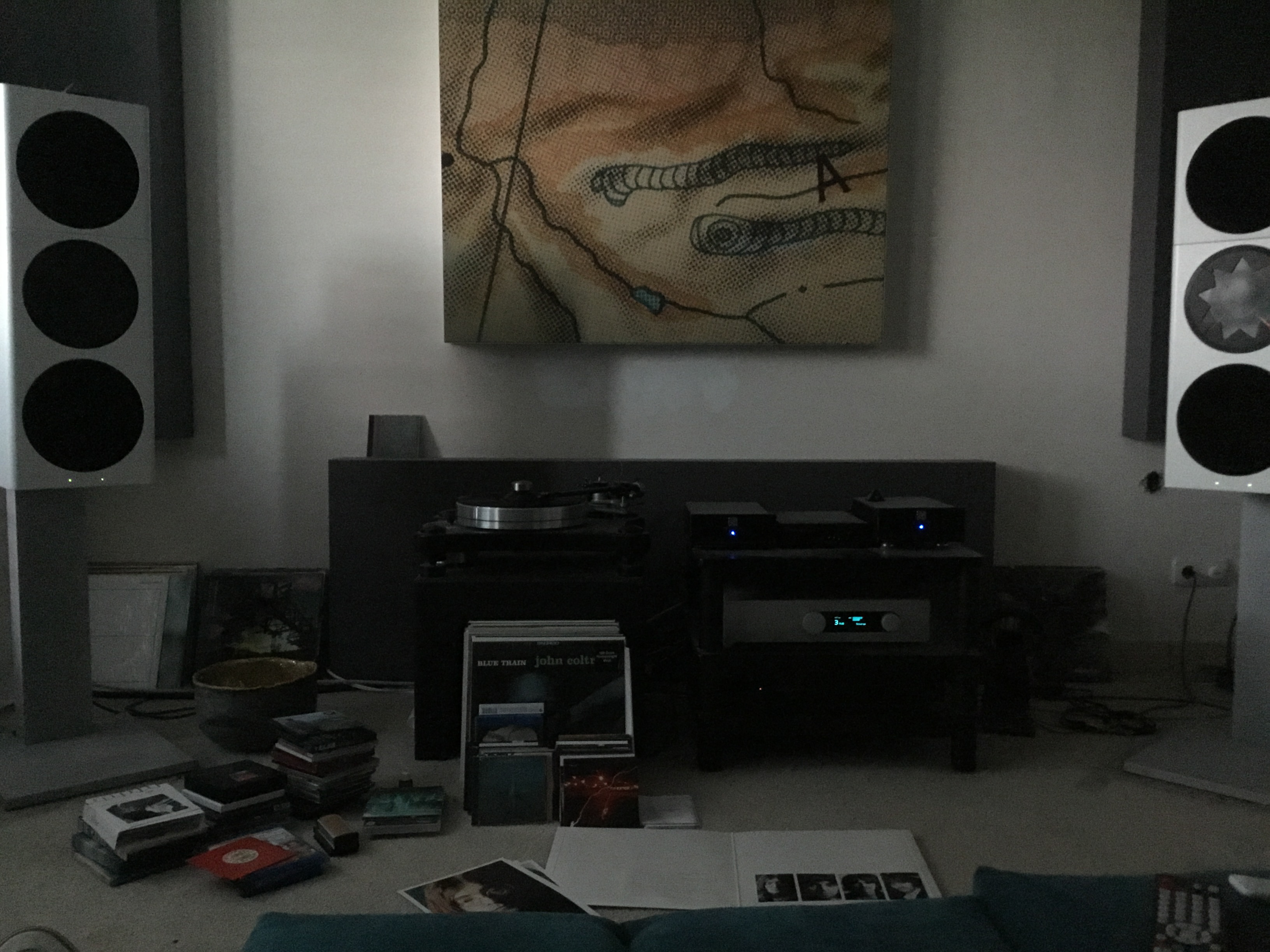
Well, I think the best record of 2018 will be from 1968. I really hope they put out the surround version of the Beatles‘ so-called White Album. I recently listened to the excellent mono-remastering on vinyl, gosh, unbelievable. The pieces float into one another, and the way they do it, or George Martin did, thrills me since I listened to the album nearly every day in my first winter in Würzburg. My room mate had a cheap cassette player, and we were real White Album addicts.


You sound a bit retro-minded!


Boy, I wouldn‘t be so sure if the word retro-minded is in official use, haha, but, yes, I‘m so fucking retro-minded that I should get a professional look at my mental state. Another example: in two weeks from now, I will play, in my night show, two bands I always thought I should stay away from as far as possible, Tangerine Dream and Yes. In my mental map they have been equally pretentious and boring as, say, Coldplay or U2 or Simple  Minds, and now a change of my own simple mind, haha …


More symptoms you want to speak about?


Well, I tell you something quite embarrassing. Recently I ordered music by Deodato that has been reissued in a quadrophonic version, and lots of people got crazy about it. I do really have pale memories about Deodato, he had one or two hits, a grandioso version of „Also Sprach Zarathustra“, and I think he very much went for showmanship anf big gestures, but I fucking like to lose myself inside that sound. One more time. The last time I have heared it, hundred years ago, I must have been in love with a daughter of a priest and been listening to Genesis‘ „Foxtrot“. Deodato, come on – possibly purely regressive behaviour. Hopefully my blinking red lights for a loss of judgement abilities all go wrong. But I‘m not totally lost – the Jarrett magic from 1998 still sends me places.


Is there some deeper reason for all this moving back in time?


You mean, if I can talk some sense into it?! I can. And it‘s sad enough.


Da scherten die Erinnerungen gleich aus, als ich das Bild von der Insel da unten sah, mit der ich soviel Kindheit und frühe Jugend verbinde, und ich huschte nur über ein paar Zeilen, die von der Entrüstung eines Paares handelten, das jetzt Brüssel verklagen möchte, weil es die Klimaschutzbestimmungen missachtet sieht. Sofort fesselte mich der Wald von Langeoog, durch den ich so oft geradelt bin, die geliebten Lichtungen, die Verdunstungskälte, der Weg zum Teehaus. Ja, ich glaube, auf dem Foto erkenne ich die kleine Einbuchtung, in der es damals stets riesengrossen Apfelkuchen (gedeckt, heute eine Seltenheit) und ostfriesischen Tee mit Sahne und Kluntjes gab. Die Erinnerungen schwappen stets zwischen Borkum und Langeoog hin und her, nirgendwo war ich damals öfter in den grossen Ferien. Unzweifelhaft verliebte ich mich auf Langeoog in die Pensionsbesitzerin des Hauses Westfalen (habe ich tatsächlich den Namen behalten?), es war der Urlaub, in dem ich 8 Jahre alt war, und einen Drachen besass und einen Roller. Einmal stand der Wind so kräftig im Rücken, dass ich mit dem linken Fuss nur einmal zum Schwung auf Asphalt ausholte, und dann gelangte ich ohne jedes Absetzen bis zur Bäckerei am Stadtrand, und war ganz glücklich, ein Rosinenbrötchen zu erstehen. In Langeoog gab es, und gibt es noch heute, das Cafe Leiß, und dort ass ich zum ersten Mal eine Eisspezialität jener Jahre, komm, sag mir, wie sie heisst, eine Porzellanschale mit Vanilleeis und einer heissen Banane, ordentlich Sahne dazu. Ja, den Michael Naura und seine magischen Jazzsendungen habe ich auf Borkum entdeckt, auf Langeoog hatte ich frühe Kinoerlebnisse. Am Bahnhof hingen die Plakate, was wann zu sehen ist, aber ich kann mich an keinen einzigen Film erinnern, nur an die Vorfreude, und dass es gar nicht genug Western sein konnten. Ich weiss auch nicht, welchen Strand ich vor mir sah, den von Langeoog oder Borkum, als meine Mutter mir geschichtenhungrigem Kind immer wieder (auf meinen Wunsch) diese zwei erfundenen Märchen erzählte, in einer kam dieser Strand vor, ohne Menschen, nur das Meer, und ihr Satz: – In hundert Jahren sind wir alle tot. Vielleicht habe ich mich deshalb als Teenager so sehr für Gespenstergeschichten interessiert, die oft genug von Toten handelten, die nicht in weissen Gewändern durch ein Schloss, sondern gern auch in luftiger Höhe, am Meeresaum, entlang schwebten. Jahre später erstand ich in der Inselbuchhandlung Krebs (ich glaube, sie heisst Krebs) Peter Rühmkorffs Lyrikband mit dem Titel „Haltbar bis Ende 1999“. Auf dem Umschlagcover ein überquellender Aschenbecher. In diesem Gedichtband habe ich eine gute Woche gelebt, in dem ich wahlweise in einem Strandkorb sass, oder abseits von dem Getümmel in den verbotenen Dünen.


2018 28 Juli

The Book of Hidden Things

| Filed under: Blog | RSS 2.0 | TB | Comments off


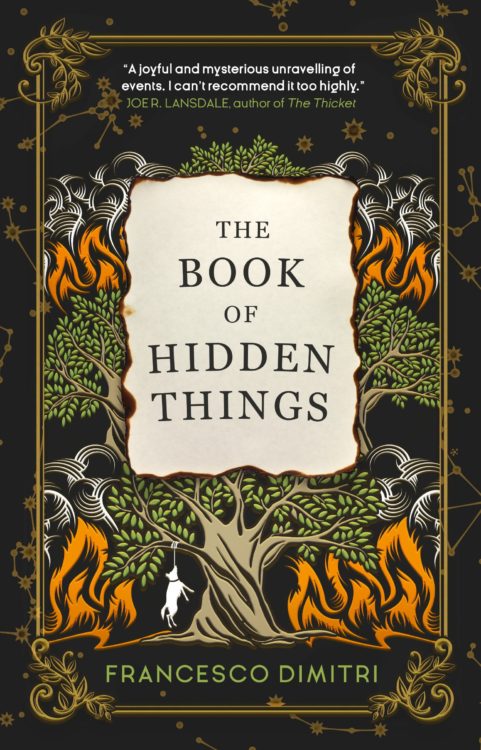
Ich kann nicht sagen, dass ich eine längere Verweildauer hatte in Büchern italienischer Geschichtenerzähler. In der Jugend las ich die ironischen, sich selbst auf die Schippe nehmenden Krimis von Carlo Manzoni und schätzte die Umschlaggestaltungen der kleinen dtv-Taschenbücher. Als Abiturient war ich ein wenig vernarrt in die Novellen von Luigi Pirandello. Heisst er überhaupt Luigi? Etwas später dann doch eine heisse Affäre mit den Büchern von Italo Calvino (Wenn ein Reisender in einer Winternacht beeindruckte mich nicht minder wie David Mitchell, der dort Anregungen fand für seine Art des Phantastischen Realismus; Jon Hassell ist vernarrt gewesen in Die unsichtbaren Städte, und hat sein Album City: Works of Fiction danach benannt). Ach ja, auf der Suche nach erotischem Traumfutter stöberte ich einst im Decamerone herum, aber das war es im Grossen und Ganzen auch schon. Und jetzt lese ich seit vorgestern den Roman Das Buch der versteckten Dinge, das der waschechte Italiener Francesco Dimitri in englischer Sprache verfasst hat. Eine Mischung aus Detektivroman und Mystery, bei dem ich so mitfiebere, wie einst bei den besten Büchern von Enid Blyton. Obwohl ich kein Fan von Mystery bin, hebelt dieser mit leichter Hand und klugem Witz geschriebene Roman all meine Skepsis aus, und erzählt eine Geschichte von Freundschaft, Liebe und Verlust, wie ich sie zuletzt selten gelesen habe. Vier Freunde, einer ist verschwunden, die trostloseste Gegend im Süden Italiens. Einmal im Jahr treffen sie sich in der alten Heimat. Fabio, mässig erfolgreicher Modefotograf, lebt in London. Ob die Erzählung da auch noch ankommt? Ich bin ja erst auf Seite 66. Joe Lansdale ist voller Lobes für dieses Buch, und ich weiss jetzt schon warum. Hoffentlich findet das funkelnde Schmuckstück einen guten deutschen Übersetzer.


Two of the most monstrous regimes in human history came to power in the 20th century, and both were predicated on the violation and despoiling of truth, on the knowledge that cynicism and weariness and fear can make people susceptible to the lies and false promises of leaders bent on unconditional power. As Hannah Arendt wrote in her 1951 book The Origins of Totalitarianism, “The ideal subject of totalitarian rule is not the convinced Nazi or the convinced communist, but people for whom the distinction between fact and fiction (ie the reality of experience) and the distinction between true and false (ie the standards of thought) no longer exist.“

(Michiko Kakutani, The Guardian)


Viele dachten, nach dem Ende der dritten Staffel, und dem Finale der Kerngeschichte, sei die Luft aus der Serie raus. Dem war mitnichten so. Und man kann sogar diese sechste Staffel anschauen, ohne die vorigen gesehen haben zu müssen. Allerdings wird man, wenn das letzte Bild erloschen ist, kaum Lust verspüren, alles auf Anfang zu stellen und nachzuholen – der Blutzoll sympathischer und gebrochener Charaktere ist zu hoch.


In dem Buch The Death of Truth (s. comment 1) wird das neue Zeitalter der fake news und Neuen Rechten gnadenlos analysiert, und man kann vermuten, dass alle politische Aufklärung einer Sisyphosaufgabe gleicht, und selbst die faktenreichste Demaskierung allzuoft unter „preaching to the converted“ laufen wird. Der ultrarechte Bannon wird womöglich die elenden Rechtsaussenparteien in Europa koordinieren, der amerikanische Präsident kann weiterhin Tag für Tag Lügen auftischen, ohne in irgendeiner Form dafür einstehen zu müssen.


Homeland 6 greift diese Welt der Demagogie in einer fiktiven Geschichte um eine neue amerikanische Präsidentin in der Zeit vor ihrer Amtsübernahme auf. Hinter den Kulissen werden alle Fäden gesponnen, sie für eine Fortführung einer kriegstreiberischen Aussenpolitik zu gewinnen, die schon den jüngeren Bush und den seinerzeitigen britischen Premier zu Kriegsverbrechern haben werden lassen. Zum grössten „Helden“ der sechsten Staffel wird ausgerechnet ein von den Folgen eines Schlaganfalls gezeichneter ehemaliger Elitesoldat, der mit dem Rest seines Verstandes eine Verschwörung aufdeckt, die alle Register der Desinformation zieht.


Diese Staffel geht unter die Haut von Anfang bis Ende, ist unerträglich spannend, und leistet für das Jahr 2018, was uns in einer anderen Zeit Robert Redford und Die 3 Tage des Condor bescherten, allerdings noch um einiges vielschichtiger. Hier werden nie Thesen abgearbeitet, hier werden Geschichten erzählt von Meistern ihres Fachs. Von ähnlich politischem Kaliber (im Serienformat) ist da nur noch The Americans, eine Zeitreise in die Ära von Ronald Reagan.

„Like the revenant ghost that Cahun eventually becomes to Moore, this quietly passionate coupling of Eros and history lingers on to haunt the darkest recesses of the reader’s mind.“ Isn‘t this a wonderful last sentence of Miranda‘s review of Rupert Thomson‘s latest novel? Might be seductive enough to persuade some of you to finally discover one of my favourite English writers. When I had been in contact with him a long time ago, I sent him a record that turned into one of his all-time favourites, Stina Nordenstam‘s collection of „noir covers“, People Are Strange. And he described to me, in full detail,  the vibes  of that long London summer when the first Massive Attack album could be heard out of so many windows.


Another writer of undisputable class is James Lee Burke, and admirers of John Steinbeck will love Mr. Burke for his ways of epic novels. It‘s never a straightahead thing! Speaking of classics that never lose their impact, one can always go back to the first three Wire albums, and it‘s only fair to say that Pink Flag had been the only punk album I literally inhaled. And Chairs Missing and 154 belong to  my ten favourite song albums ever made by English artists (okay, I do not include beloved Beatles and Kinks and Eno and Wyatt works).


And our album of August may come as a surprise, cause who really knows a band called „Immersion“? Pure joy it is to read Tim Sommer‘s review of the album of Maika Spigel and Colin Newman (yes, the man from Wire). And though his appraisal seems a little bit over the top, he very nicely captures the essence of a thouroughly immersive and elegant  work that, aside from his nods to the dancefloor, reflects some of the virtues of old krautrock with a very British accent. There‘s a deep 70‘s atmosphere in the music easily crossing decades resulting in strangely modern music. Deal?

2018 21 Juli

Kleines Gespräch

| Filed under: Blog | RSS 2.0 | TB | 1 Comment

Was hat dich in den letzten Tagen besonders gefreut? Dass es einen Band mit „selected lyrics“ geben wird von Robert Wyatt und Alfie Benge. Sicher mit vielen Bildern von Alfie. Noch andere Helden von einst, die sich gemeldet haben? Green Gartside. Green ist Scritti Politti. Und nach so vielen Jahren ist sein erstes Lebenszeichen eine Single mit englischem Folk. Zwei Coverversionen. Ein Eremit. Welche Schallplatte hast du zuletzt aufgelegt? „Hether Blether“ von Erland Cooper. Wenn ich das Album höre, weiss ich seltsamerweise, warum mir amerikanischer Hip-Hop gestohlen bleiben kann. Du redest bislang nur von Engländern. Wohl, weil mir die Themenstunde der nächsten Radionacht durch den Kopf geht. Über die Dörfer im alten Britannien. The Unthanks. Darren Hayman. Hannah Peel. Will Burns. Richard Skelton. Und, bingo, Erland Cooper. Richard Skelton? Er spielt Cello, aber auf seiner letzten Arbeit gibt es nur Klänge tief aus der Erde. Gesteinsschichten, hunderttausend Jahre alt. No cello. Du liest gerade „Utopia Avenue“? Ja. Und wer taucht gerade auf in London, so um 1968 herum? Nina Simone. Elf war schwer beeindruckt. Die linke Hand spielte Blues, die rechte Bach. Und ich spiele in der nächsten  Nacht einen Song von ihr, der so absolut grossartig und ergreifend ist. Von der Stimmung hat er mich an Robert Wyatts Album „Rock Bottom“ erinnert. Und das fand ich wirklich seltsam. Und doch, es gibt ein gemeinsames Thema, zwischen dem Song und dem Album. Gebrochene Flügel.


Als Lajla neulich rundschrieb, es gäbe ein Porträt von Brian Eno, zur besten Sendezeit im DLF, lauschte ich also der, aus ca. zwanzig Begegnungen, altvertrauten Stimme, und dachte, dass, wenn Dinge sich im Kreis drehen, nicht immer Spannendes herauskommt. Brian ist sicher einer der intelligentesten Menschen, die ich je getroffen habe, aber (und da spinne ich Gedanken weiter, die in der Stunde gar nicht vorkamen), seine Vorträge kreisen seit 1988, und dem öffentlich geführten Essay über Parfüm, Haarfrisuren und andere Marginalien, die „cultural issues“ ins Visier nehmen, bevorzugt um dasgleiche (natürlich voller Variationen und ‚sidesteps’): wozu Kultur da ist, obwohl sie ja etwas sei, dass ein Luxusfeld jenseits des Notwendigen sei, wie wichtig das freie Spiel sei (und eigentlich landet man da bei jenen alten Hüten, die schon der Dichter Schiller in seinen Aufsätzen ins weite Feld der kulturellen Reflexion führte). Dann doch lieber jene Kreisläufe und Wandlungen, die Brians „Music for Installations“ zu einer wahren Schatztruhe machen. Dass solch systemische, funktionale Musik ihren eigenen Algorhythmen entkommt, und tiefe emotionale Schichten in Schwingung setzen kann, ist das feine Rätsel.


Einmal sagte der Autor, und da greife ich gerne korrigierend ein, Brian Enos frühe Werke seien gefloppt, sie hätten sich zu stark an tradierten Rockformaten orientiert – das ist natürlich Unsinn. Kommerziell waren „Here Come The Warm Jets“ und „Taking Tiger Mountain (By Strategy)“ sicher zu ihrer Zeit (der Fluch der Avantgarde) keine Reisser, aber sie gingen radikal und subversiv und extrem vielseitig mit der Formensprache der Rockmusik um – Klassiker, die von Generation zu Generation neue Hörer finden.


A propos „Zukunftssicherung“: manche Künstler, erzählte Brian Eno Marcel Anders, seien wegen des Geldes unterwegs, andere wegen den Ruhmes, und letzteres sei sein Motiv: er wolle in die Geschichtsbücher. Tja, als überzeugter Atheist wird Eno nicht die Fantasie haben, seiner Wirkungsgeschichte aus dem Jenseits entspannt zuzuschauen. So wohltuend Anerkennung zu Lebzeiten ist, scheint mir diese Sehnsucht nach anhaltender Berühmtheit seltsam kurz gegriffen, und auch flüchtig, trotz all der schon existierenden und noch folgenden Publikationen, Ehrungen, Jubiläen (hunderster Todestag etc.).


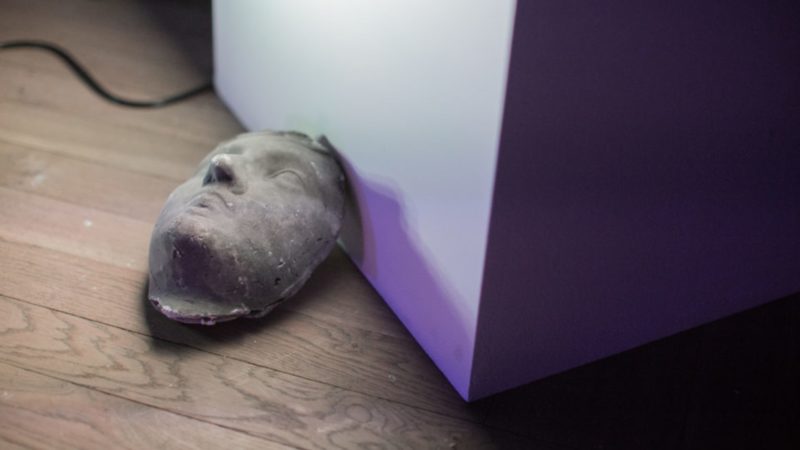
Hat er da weit genug gedacht, tief genug empfunden: geht es nicht letztlich in der Kunst darum, Verbundenheiten aufzuspüren mit dem „Ganz Anderen“, „Unbekannten“, vielleicht gar vergessenen Ursprüngen, statt einen Olymp zu besteigen, und den Applaus einer amorphen Menge zu empfangen; geht es nicht vor allem darum,  Menschen zu beglücken, zu bereichern, zu trösten,  ihnen neue Horizonte zu erschliessen, sie aus lang bewohnten Dachkammern zu locken?! Man könnte diese Liste der Wirkungsweisen von Kunst noch poetisch und sachdienlich verlängern – Ruhm und Anerkennung sind doch arg verkürzte Triebfedern. Und „Unsterblichkeit“, na ja. (Lassen Sie dazu kurz das Foto auf sich wirken – es stammt aus einer Installation des Meisters, den ich nur im Spass Meister nenne.) Die Verbundenheit von Allen mit Allen (eine Art  „archetypisches“ Kraftfeld) ist schon ein anderes Kaliber, und nicht  allein mystisches Gedankengut. Jeder ist „bedeutend“, jeder „Anonymus“. Lassen wir mal offen, ob das hinduistische Weisheit, Hobbymystik oder Post-Existenzialismus ist. So wie Brian das Ego in seiner Ambient Music zur Auflösung treibt, und zwar ziemlich radikal, so ist das Ego ohnehin eine Konstruktion des Geistes, und stete Quelle zahlloser kleiner Irrtümer. Sternenstaub trägt keine Signaturen.


Vor vielen Jahren bekam ich das Angebot, vier Stunden am Tag, in einem „independant tea and coffee shop“ in Soho, London, als Servicekraft zu arbeiten, gleichzeitig „alternative coffeehouse music“ aufzulegen (mit zwei Cd-Spielern) – neben einem  ordentlichen Salär konnte ich in einer kleinen Wohnung im selben Haus frei wohnen. Der Spass dauerte sechs Wochen und wurde von einem guten Bekannten der BBC vermittelt, in einem Projekt, das Radiomenschen in ungewohnte Settings unterbrachte. Da lernte ich auch die Zubereitung von cremig grünem Matcha Latte mit Eiswürfeln. Ich war einst argentinischem Matetee sehr zugetan, als ich rauschhaft Julio Cortazars Meisterwerk „Rayuela“ durchlebte, doch Mate und Matcha sind zwei verschiedene Kaliber, der kalte Matcha war für mich ein ekliges Gesöff wie selten eins. Soll gut gegen Krebs sein, und ich kenne kluge Leute, die ihn sogar köstlich finden, Martina etwa, wie sie jüngst in ihrer Geschichte zu „Sans Soleil“ kundtat. Allein optisch ist der Iced Matcha-Latte schon eine einzigartige Kreation. Das Matcha-Pulver wird aus den zerstoßenen Teeblättern hergestellt. Der Trinker nimmt also keinen Extrakt zu sich, wie es bei normalem Tee üblich ist, sondern konsumiert das gesamte Blatt. Der Matcha-Tee wird in Japan auch gerne als “grüner Espresso” bezeichnet – der Matcha-Latte ist dann wohl der grüne Latte-Macchiato! Die Zubereitung des Matcha-Latte ist relativ einfach und nicht komplizierter als die Zubereitung eines normalen Latte-Macchiatos. Alles in allem also die perfekte Latte-Alternative im Sommer, wenn man dieses Gesöff halt mag. In dem Laden war es damals das Szene-Getränk no. 1. Die Zubereitung ist einfach, und außer dem Matcha Pulver und Milch sind keine besonders exotischen Zutaten notwendig: 1/2 TL Matcha Pulver, 50 ml heißes Wasser (80°C), 200 ml kalte Milch, 1 Handvoll Eiswürfel. Lassen Sie sich also nicht abschrecken von meinem fast schon körperlichen Ekelgefühl, ich finde ja auch Marzipan und Buttermilch widerlich. Viel interessanter waren aus meiner Sicht die vielen tollen Musikgespräche mit Gästen aus allen Altersgruppen, während meine Musik lief. Jeden Morgen lag auf jedem schwarzlackierten Tisch ein Flyer mit dem „drink of the day“, und den Namen von drei Musikern, die sich zwischen 8 und 12 Uhr munter abwechselten. Diese Blätter habe ich jüngst  auf dem Dachboden gefunden, aber sie sind grau und hässlich geworden mit der Zeit. Hier einige der „Blue Morning Music Wonders“, „Trios“ der besonderen Art, Musik, die man, von Ausnahmen abgesehen,  tatsächlich eher spätabends, nachts,  oder nie zu hören kriegt: Brian Eno / Tuxedomoon / Steve Tibbetts  ——-  Jon Hassell / Ras Michael / Joni Mitchell ———  John Martyn / Penguin Cafe Orchestra / Bill Connors ——— John Surman / Vaughn Williams / Jacques Brel ——— Nits / Talking Heads / Caetano Veloso ——— Sun Ra / Nick Drake / Cluster ——— eine kleine Auswahl. Es gab in diesen sechs Wochen ausser ethnischer Vielfalt, nahegehenden Begegnungen und einem Hauch von Routine noch eine besondere Sache, die ich nicht unerwähnt lassen möchte. Ben, der Chef des Lades, bat mich, allabendlich eine Runde mit dem Hund zu gehen, ein Golden Retriever namens Mister Phelps. Auf den Strassen von Soho möge ich den Hund zudem stets mit vollem Namen ansprechen, was zu witzigen Situationen führte. Ich verstand mich grossartig  mit Mister Phelps, er war offensichtlich ein Fan der Talking Heads, bei Psycho Killer führte er gar ein Duo mit David Byrne auf. Allein, wenn ich seinen Namen rief, schauten die Leute immer wild umher, welchen Gentleman ich da zur Raison rief, und dachten wohl, ich wäre ein weiterer Irrer, der mit Geistern kommuniziert. Der tiefere Witz der Story ist, dass ich  ein Jahr später, in der Normandie eine kurze Affäre mit einem  britischen Photomodell in den zweitbesten Jahren und einem astreinen Audrey Hepburn-Pony hatte – sie hiess, bingo, Mrs. Phelps, und ich nannte sie auch immer so (was im Bett dann schon mal den Charme einer Rock Hudson-Komödie hatte) – ihr früh verstorbener Mann war der Gründer einer Gruppe, die sich fast in Vergessenheit geratenen Vertretern des „spiritual jazz“ zuwandte, und regelmässig in einem englischen Jazzmagazin publizierte. Mrs. Phelps war vom Jazzvirus ihres Mannes infiziert – und sie hatte einen Riesenfundus an Platten, bei denen der Jazzpianist Stanley Cowell mitwirkte, ihr Lieblingsalbum war „Illusion Suite“. 


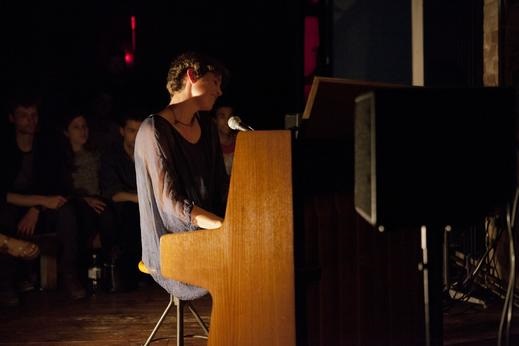
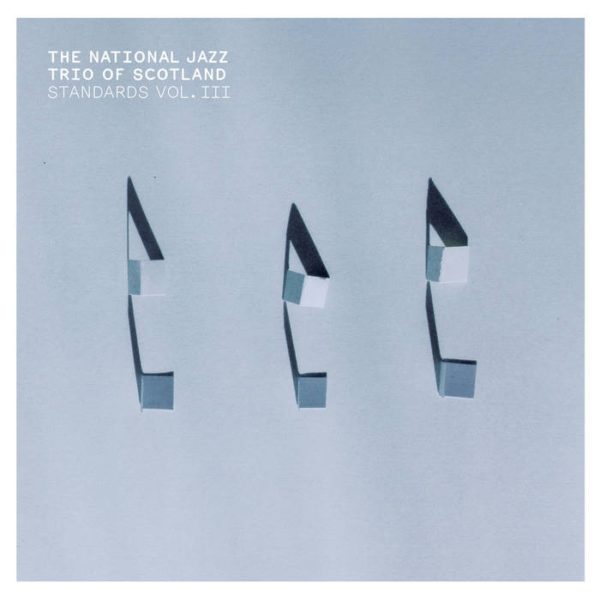
Multi-instrumentalist, singer, composer, lover of free improvisation, and music therapist Aby Vulliamy takes a long look back to first musical revelations and „non-musical“ sounds from an old clock in the hallway to birdsong. She gives  insights in her love and learning of instruments, and how someone encouraged her to trust her voice to sing. I really  didn‘t know much about her musical life when I first contacted her. Simply being fascinated with her viola and rare vocal contributions on the last two installments of Bill Wells‘ fabulous National Jazz Trio of Scotland (Bill has a knack for special voices!), and reading about her therapeutic activities, this was enough for me: a starting point. 

The diversity of her musical activities goes way beyond the viola and vocal moments on Bill‘s albums, but sometimes a small snippet, the bending of a note, are enough for stopping you in the tracks. I would be very surprised if she didn‘t have David Darling‘s „Cello“ or the early albums of The Penguin Cafe Orchestra in her record collection. Also, I do think (after our first „conversation“), she must certainly be in love with Kate Bush’s song „Mrs. Bartolozzi“ – and, talking about ancient, worn-out instruments, she followed the link leading to  my recent interview with Steve Tibbetts –  and „Life Of“ will soon have another listener in Glasgow. 

Aby Vulliamy also thinks back  of growing up in Hull. A town that I only know from the history of lucid dreaming. Psychologist Keith Hearne made his famous discovery concerning ocular-signaling from the lucid dream state on the morning of 12th April 1975, at Hull University’s sleep-laboratory. He communicated the data, and other examples, to Professor Allan Rechtschaffen of Chicago University. Much later, Stephen LaBerge, at Stanford, produced similar work.  In following conversations  I will (and do write this with a big smile) try to raise her  interest in the subject. By the way, when these conversations will come to an end, her debut album will  have been released, in October, on Karaoke Kalk. 
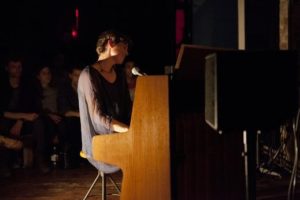


  1. One record or two that put a spell on you and made you feel this music will accompany you for a long time.


I remember hearing Keith Jarrett’s Koln concert for the first time maybe in my late teens, and just being blown away by the fluency and energy of his piano improvisation. Someone made me a cassette tape of it, and I kept it for about 15 years until my tape player broke. It’s the only music I could ever listen to whilst writing essays or reports – somehow although I loved it, it didn’t distract me like all other music did, it helped give me momentum and energy and focus. I remember listening to a Charles Ives piece years later and finding some of it familiar, and realising that Jarrett references it in his Koln concert, and I’m sure there are many other references in there too.

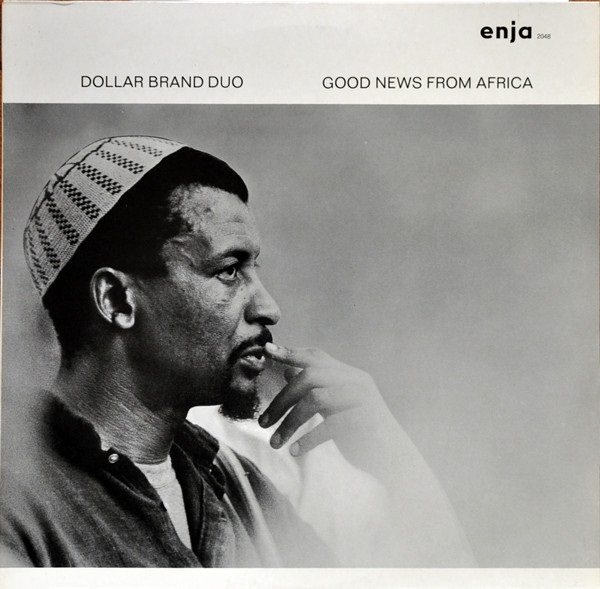
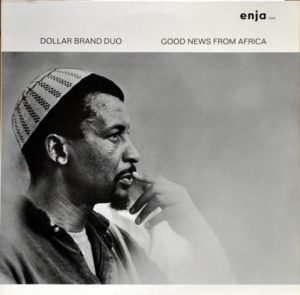
Abdullah Ibrahim’s Water from an Ancient Well has accompanied me for a long time too. My dad once said the trombone sounds like a bull elephant and it often makes me tearful when I hear it. Also Ibrahim’s duo as Dollar Brand with Johnny Dyani (Good News From Africa) will stay with me throughout my life, I’ve no doubt; it’s their liberated vocals and intuitive connection with each other, I love it.


  1. What was the 1st non-musical sound experience in childhood that had a deep emotional impact?


I’m not sure there is such a thing as a non-musical sound experience? Everything can be viewed through a ‘musical lense’, it’s just whether it’s received as such by the listener.  People say to me ‘I’ve not got a musical bone in my body’ but we’ve all got a pulse, we’ve got a unique tone of voice and particular pitch range, we have a natural walking pace etc. All communication is based on the elements of music; rhythm, tempo, timbre, melody, pitch contour etc. We are all musical beings.

Aidan Moffat and Bill Wells used the clicking of a car indicator as the opening sound which dictates the rhythm and pace of the first track on their brilliant 2nd album, The Most Important Place in the World. We had a beautiful old grandfather clock (since stolen) in our hallway when I was growing up, and it’s background ticking and hourly chime structured my childhood, making me feel safe. I would always be subdividing the rhythms in my head, or practicing 3 beats over 2 etc.

There must be millions of examples of ‘non-musical’ sounds being incorporated into music, or inspiring composition. Washing machines are musical; I often find myself humming harmonies or singing along to the drone of the washing machine. I can often hear different frequencies the more I listen to simple drones. Birdsong is of course music, it has plenty melody and repetitive rhythmic patterns, although birds don’t get any publishing rights. I love Messiaen’s crazy birdsong inspired organ pieces, and of course Vaughan Williams’s Lark Ascending. Melodies from birdsong feature in loads of folk music.


  1. How did your private surroundings (the town you grew up in, family, friends) inspire your love for music?


I grew up in Hull. Its a very special place, home to some beautiful people. But it gets so much bad press and has some terrible statistics in terms of life expectancy, teen pregnancy, addiction problems, poverty etc. It’s the end of the line, and I think it’s quite hard to get bands to include Hull on their tour schedule, although Paul Jackson of the very special Adelphi Club has single-handedly changed the lives of many local music-lovers and musicians by persuading a fabulous array of touring bands to make the detour to Hull.

Music was escapism for me. I grew up in a very busy household with my 3 brothers and 1 sister and many visitors. I was shy and quiet and not assertive, but when I was practicing my Khachaturian on the piano I was like a different person! I loved the Russian composers, they’re wild and intense. My piano teacher used to enter me into the competitive music festival, at the magnificent and overbearing Hull City Halls, which seems like a terrible idea (music as competition?!?) but in fact I think it helped me a great deal with performance anxiety – I mean, what’s the worst that can happen? Now, music is a social thing for me and it has been the way I’ve made new friends in each new city I’ve moved to. I need to play – after water, food, shelter, love – I’d soon go mad if I didn’t play music.

My mum and dad are music lovers but not musicians themselves. All 5 of us siblings played instruments at various points; 2 brothers played double bass, one played cello, my sister played clarinet, and we had the piano too. What a fabulous ensemble that would have been! But we never played altogether, sadly. My sister and I did some duets far too occasionally, which was always a treat to me.

My dad’s dad was a brilliant pianist and I inherited his beautiful faded black baby grand piano when he died. I feel sad I never became accomplished and confident enough to play the wild Rachmaninov duets that he wishfully shoved in front of me when I visited him.

My mum, despite having 4 other kids and a household to run and studying for a degree etc etc, would sometimes spend her precious time sitting beside me whilst I practiced the piano, coz she knew that it helped me stay focused and motivated, so she did it despite all the other demands on her attention. A gentle, quiet but incredibly powerful and generous gift.


  1. Tell me about your main instruments. Love at first sight, just classical training? And, a propos  viola, a special  record that made you fall for it? Just let your thoughts flow, I keep quiet, in listening mode:)…


Piano is really my main instrument. All of the songs on my upcoming album were written on the piano, although there are several short viola ‘interludes’ on there too. I had my first piano lessons aged 4, with a music student we referred to as ‘Julie Fingers’, who charged 50p per lesson.

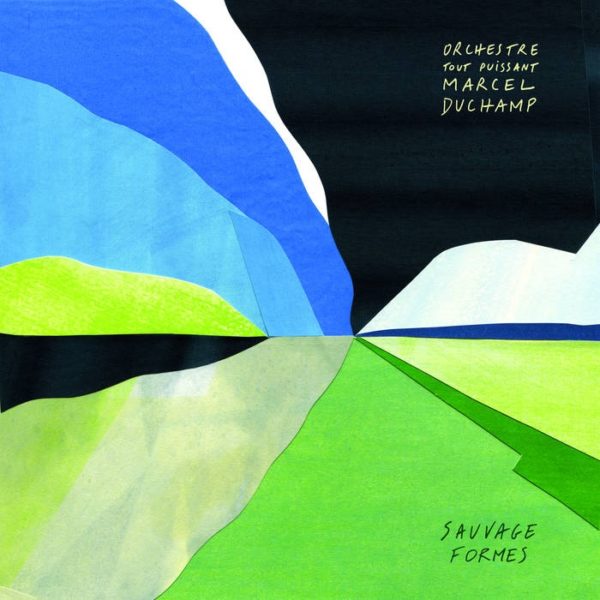
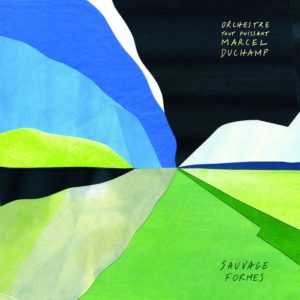
I started on the violin when I was 7, and was given free lessons at school, on a borrowed instrument. I soon switched to the viola. It suits me so much better; it’s deeper, more mellow and rich to my ears. The violin and viola sit so close to the player’s ear, and can sound so jarringly tinny and reedy there; too many high frequencies for my sensitive ears. The viola suits my personality much better than the violin. In orchestral music it’s often hard to discern the viola, you only notice us when we screw up. But we have a really important role to play, supportive and containing; the fabulous Swiss band I play with, Orchestre Tout Puissant Marcel Duchamp XXL recently played a gig without me, and the band leader said it felt out of tune without the viola! Its often the glue that holds parts together, quietly but enrichingly.


My parents bought me my viola when I was about 10, and my mum kept apologising, fearful that I would experience it as a pressure and expectation. I love that viola so much! I still use the same one, and though I’m often surrounded by musicians who’s instruments cost 10’s of £1000’s more than mine, I feel safe and solid with my trusty old viola. It’s like an extension of my body- it’s getting a bit old and battered but it’s strong and resilient and full of instinctive memories.

I think at first I just went along with the music lessons I was offered, but didn’t initially feel very moved by the music, strangely. People were encouraging, and I knew I was lucky to get free lessons at school, so I kept going with it. I’m gutted that nearly all music services in British schools have to be paid for now, so that learning an instrument is only for children with families who have spare money. I believe that the opportunity to learn an instrument as a child is one of the most powerful and influential experiences available; it could be key to solving some of the major societal problems we face; intergenerational poverty, unemployment, demoralisation, depression and addiction. The Big Noise project which is now well-established in some of the most deprived communities of Scotland (based on the Venezualan El Systema model) has far-reaching goals and some amazing statistics and research showing how the discipline, team-work, mutual responsibility, co-operation, shared purpose of music-making have a huge influence on positive development in terms of self-worth, self-awareness and social conscience. At the same time, making music is a form of self-expression and communication that can process feelings that are otherwise too strong and disturbing, and can provide an intimacy that it is hard for some people to access using just words. Learning music enhances so many crucial skills; academic (particularly maths) and life skills such as self-esteem and communication skills, it’s crazy to deny children this. For the tricky teenagers, that I work with as a Music Therapist, music can be a form of expression far more powerful than words – a place where they can feel heard and understood and accepted and valued for who they are.

I started with classical music on both piano and viola. Although I know how lucky I am for the opportunity to learn classically, I sometimes regretted the limitations of a purely classical training, when, aged 17 or so, I began to make music with my friends who had taught themselves to play guitar, bass, drums, and I lacked their confident spontaneity, intuition and creativity. It took time to gain confidence to stop relying on the safety net of music notation and theory, and to just listen and trust my instincts in response. Now I’m very grateful to have both, the theory, reasonable technical knowledge, and instinct/sponteneity.

I think I was 13 when I joined the City of Hull Youth Symphony Orchestra. I remember sitting at the back of the viola section, going through the motions and not feeling very connected to the parts I was playing, when suddenly the 100-piece choir began to sing behind me. My hair stood on end, I felt the force of their voices, my whole body vibrating, the feeling of being part of something immensely powerful. I think this was the first time I was wholly physically and emotionally moved (blown away) by music. I wish I could remember which piece we were playing – I’ve got a terrible memory! I know Verdi’s Requiem has given me the same overwhelming feeling since.

My dad got into jazz when I was a young teen, so having provided the obvious musical foundations of a 70’s child (Bob Dylan, the Incredible String Band, Bonzo Dog Dooda Band, Van Morrison, Pink Floyd, Dire Straits (almost exclusively male line-ups I now realise) he then began playing Abdullah Ibraham and Keith Jarrett as previously mentioned, Brotherhood of Breath, Dudu Pakwana, John Surman, Annie Whitehead, District Six, Jessica Williams, Colloseum (Tanglewood 64 – I played that when I was in labour with my first daughter. I love men singing, and in this case they’re using their voices as instruments, just ‘bah’ing the melody – it’s ace) etc etc. Brilliant stuff.


I also loved Funk/Northern Soul in my later teens. I joined my first band at 18, playing folky-style viola over guitar-based songs sung and played by my friend Shelley’s dad and his pal. Also a funk ensemble with me and my teenage friends as the rhythm section (I played ‘the Beast’ a ridiculously heavy old electric organ) and my friend’s Social Worker parents as the horn front line. We initially called ourselves ‚The Funkateers’, but decided to add an extra prefix every time we played a gig; we got as far as ‘the Almighty Allstar Funkateers coz gigs were hard to find in Hull and it was time for the younger generation to buzz off to university. And now I’ve come full circle, playing in another (much better) band making tongue-in-cheek claims of superpowers since the ‘Tout Puissant’ of Orchestre Tout Puissant Marcel Duchamp translates as Almighty (All Powerful). It is a very powerful band, the music moves people psychologically and physically, but the power to connect and move is in it’s collectivism and shared emotion, not a reference to a higher being.

The violinists / violists that influenced me are perhaps obvious; my dad subtly introduced me to Stefan Grapelli and although I loved listening to him, it never occurred to me that if I practiced hard enough I should eventually be able to play over changes fluently (Grapelli-style was unachievable but I could definitely improve my fluency). I wish I’d started practicing that earlier, because I’m still not fluent and confident over changes, and there’s no excuse really. My dad also pointed me towards Billy Bang, the ganster-turned-jazz violinist, who’s self-taught style of jazz improvisation was absolutely liberating and unique. I don’t understand why it’s still so unusual to include improvising strings in jazz front lines, they can add such different textures and sounds to the same old wall of saxophones that so many band leaders opt for. Saxophones are beautiful, but why not add something a bit different?!

John Cale (and Velvet Underground) and Laurie Anderson were a revelation and stopped me from wishing I’d learnt a funkier instrument than the viola – their music was immediately accessible for me, and although massively inspired and unique, didn’t feel technically out of my reach. More recently the free-improvising violist Mark Feldman is an obvious person to pick out, and my good friend and improvising mentor, Seth Bennett’s double bass playing is a massive source of inspiration.

I love free improvisation. I know some people find it too disturbing and un-nerving, and I was the same at first (I thought of it as musical masturbation – a self-indulgent exposure in front of an audience), but now it’s free improvisation that makes me feel most alive, to listen to and to perform. The spontaneity, fluidity, the emotional roller-coaster of intensity and dynamics (volume, speed, texture) makes for breath-taking unpredictability, moving through tension and resolution (or non-resolution!), tenderness and aggression, beauty and ‘ugliness’- it’s absolutely liberating. Stephen Nachmaninov writes really beautifully about free improvisation in his book Free Play. Good free improvisation is the ultimate music for me, though I love a lot of differet genres and I fully understand that it takes time to learn how to access and enjoy free improvisation.

In relation to some of the free improvisation I love, the piano-based songs on my upcoming album are very conventional!

When I moved to Glasgow, Scotland, in 2004 it was amazing how quickly people began inviting me to play. I knew only my partner George Murray (trombonist) when I moved up there, but Daniel Padden and Peter Nicholson (The One Ensemble), Chris Hladowski (Scatter, Nalle, The Family Elan), Hanna Tuulikki (Nalle), Bill Wells (NJTOS) and Stevie Jones (Sound of Yell) welcomed me with huge generosity and facilitated many brilliant learning opportunities for me. It’s such fertile and open-minded creativity that thrives up there – people inspire and nurture each others’ musicality with such generosity. There is such potent possibility to jump between genres (and therefore to stretch yourself and learn more). I wonder if it was partly because as a viola player I inherently offer something slightly different to the proliferation of traditional/folk violinists in Scotland. I played in indie, pop, jazz, folk, free-improvisation ensembles, and I did music for theatre/dance, performance art etc and I learnt tonnes.


In Glasgow I also began singing, having always been far too self-conscious to open my mouth- I was too shy and easily embarrassed. It was Hanna Tuulikki who cajoled me into singing with her trio Nalle with Chris Hladowski in 2005/6. I was terrified at first but she insisted and I’m so glad she did. She’d kneel on the floor with me, our thighs touching, sometimes using walkie-talkies to distort the sound, often letting her voice slide fractionally below or above my pitch to create oscillations between us that disorientated and connected us at the same time. It was precarious and exciting.

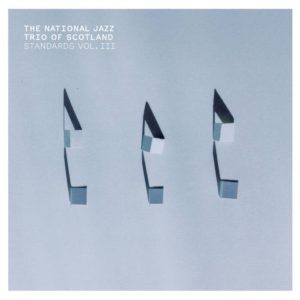
Not long after that, with his National Jazz Trio of Scotland, Bill Wells began rearranging traditional jazz and folk songs and writing original songs, often leaving the voice brutally exposed, and often at the very bottom of my vocal range, where it’s hard to get a sound out at all, let alone to control the sound of my voice. These were utterly terrifying gigs where my knees shook as much as my voice wobbled. Often the lyrics were devastating and I feared it (and I, as a nervous wreck) would be just too much for the audience to cope with; too raw and fragile and exposed. I’ve learnt that some material is supposed to feel precarious, it wouldn’t work if I could sing it confidently, and audiences generally cope!

I’m well aware of how extremely lucky I am, to have had opportunities to learn several instruments (including lessons on piano, viola and flute), and to have met so many beautiful generous talented musicians who’ve shared musical space and skills and opportunities with me, stretching me and inspiring me to learn more, take more risks, experiment more. For a long time I thought I couldn’t self-generate music; that I was dependent on other musicians to initiate and give me something to respond to and that my main skill was my ability absorb whatever was thrown at me, and come up with creative ideas in response. It took me by surprise when my piano-based songs emerged, and although I’m really proud of finally producing my own material I’m also keen to convey that my new album is not the whole of me, and there is lots more very different stuff to come in the not-too-distant future.
Es waren die liner notes von Jon Hassell zu seinem Album „Dream Theory in Malaya“, und ein Artikel von Prof. Paul Tholey, die mich Einst auf die Spur der luziden Träume brachten. Es öffnete sich eine Erfahrungswelt jenseits meiner Vorstellungskraft, und das, obwohl ich während des Psychologiestudiums, in der Schlaf- und Traumforschung,  sowie Traumdeutung, einiges an Ausbildung und Praxis gesammelt hatte. Bis dahin war das Luzide Träumen weitgehend bloss an einer kalifornischen Universität erforscht worden, von Stephen LaBerge.

Trotz meiner nicht ganz so bescheidenen didaktischen Fähigkeiten scheinen die wenigsten Menschen, denen ich von luziden Träumen (synonym mit Klarträumen) erzähle, zu begreifen, was Klarträume sind, selbst wenn ich es anschaulich ausführe, mit Beispielen, mit einfachsten Analogien. All diese Menschen sind überdurchschnittlich intelligent, wissbegierig und neugierig. Ich glaube, es gibt eine Sperre, sich ausserhalb der eigenen „Konzepte“ zu bewegen. Man verschliesst sich dem Neuen, weil man sich in den Schwungrädern eigener „patterns“ gut aufgehoben fühlt.

Folgendes Unverständnis erntete ich im Laufe der Jahre: luzide Träume seien wie LSD nehmen, luzide Träume seien besonders intensive Träume, luzide Träume seien wie Kino, man sähe „von aussen“ zu, und erkenne, dass auf der „Leinwand“ ein Traum ablaufe. Luzide Träume seien absolut gefährlich, weil man ins Unbewusste eingreife. Alles Unsinn. Dies ist übrigens eins der besten Bücher für Ensteiger:


Nun muss man nicht  auf dieses Thema abfahren, aber grosses Unverständnis ist die Regel. Dass man im Traum (via Übungen am Tage, oder Übungen am frühen Morgen, vor den längsten R.E.M.-Phasen, evtl. mit Hilfe von bestimmten Nootropica) klares Bewusstsein erlangen, und dann die „unglaublichsten“ Dinge initiieren kann (!!!), hellwach im Traum (!!!), wird wie ein  „Exotikum“ wahrgenommen. Eine Story.

Im normalen Traum, man könnte ihn auch „Trübtraum“ nennen, ob wir nun Traumerinnerung trainieren, oder Träume nur gelegentlich erinnern, hält jeder das, was er träumt, w ä h r e n d  er träumt, für r e a l, obwohl es oft völlig abstrus ist. Man mag den grenzenlosesten Irrsinn träumen, man hält es für die „schlichte Wahrheit“, man hält sogar den wahnsinnigsten Alp für real, statt den Realitätszustand im Traum zu überprüfen, und dann das klare Erwachsenenbewusstsein „anzuknipsen“. In den letzten fünf Jahren habe ich bloss zwei „humans“ gefunden, die hochmotiviert waren, das Klarträumen zu lernen. Erstaunlich.


„In other words, following the old dream theory of Senoi (unknown to Freud and Associates), and modern, scientific dream studies: in a lucid dream you’re director, actor, and you create the events with an improvised  script in your mind, always ready to face  the unexpected! And, yes, you are fully awake, inside the dream world.“


2 – Mein erster Klartraum


Ich stehe im Rombergpark, am Anfang des Rundweges, es ist ein herrlicher Sommertag. Ich stelle mir die Frage, ob ich wache oder träume, und ein Schauer fährt durch mich hindurch: ich träume, ich bin bei klarem Bewusstsein, und weiss, dass mein Körper in Bergeinöden im Bett liegt. Glücksgefühle schiessen durch jede Zelle meines Traumkörpers, der sich völlig real anfühlt. Ich sehe, wie die Sommerblätter zittern im Wind, und bin berauscht von dem Zustand. Da fällt mir ein, dass ich ja im wahren Leben tottraurig bin, und was ich im ersten luziden Traum machen wollte. Einen weisen Mann um Rat fragen. Da hinten kommt ein Jogger, ein Muskelpaket, so stellte ich mir einen Ratgeber nicht vor. Als er an mir vorbeilaufen will, rufe ich ihm zu: „Hallo, können Sie mal kurz anhalten?“ – Was ist? – „Passen Sie auf, das hört sich verrückt an, Sie sind in meinem ersten Klartraum.“ – Das interessiert mich nicht. – „Gut, klar. Aber ich möchte Ihnen eine Frage stellen: was kann ich tun, damit H. zurückkommt?“ Nachden ich diese Frage gestellt habe, verwandelt sich sein Kopf vor meinen Augen in eine Schwarzweissfotografie des Gesichts der Wölfin, und dann in einen Totenkopf. Ich erschrecke mich und wache in meinem Bett auf.


3  – Mein kreativster Klartraum


Nachdem ich in Berlin genug Gelegenheiten für „reality checks“ hatte, war ich heute fest entschlossen, meinen ersten luziden Traum 2017 zu erleben. Nachdem ich genügend Schlaf für die langen R.E.M.-Phasen gesammelt hatte, stand ich gegen 6.30 Uhr auf, schaute entspannt in die bitterkalte Nachtlandschaft, schrieb einen Kommentar zu meinen Berlin-Notizen, nahm die von Thomas Yuschak empfohlene Kombination von Galantamine und Choline ein, verdunkelte die Jalousien vollständig und machte mich an die mentalen Übungen, die Thomas Yuschak en detail beschreibt, um bei klarem Bewusstsein in die Traumwelt einzudringen. Es gelang, Wahnsinn, eine seltsame „Klarträumerei“, weil ich zwischendurch öfter meinen realen Körper zu spüren meinte, und mich besonders in der langen Anfangsphase, die ich hier nicht gross beschreibe, immer wieder in den Traum „hineinkämpfen“ musste.


Wenn man bewusst in die Traumwelt und den Traumkörper schlüpft, beginnen viele dieser Träume im Schlafzimmer, das aber nicht das reale physische Schlafgemach ist, sondern ein nachgebildetes. Da lauern viele Gefahren eines „falschen Erwachens“, aber genug der Vorrede. Immer wieder erhaschte ich Schlaftraumbilder, während ich noch meinen physischen Körper fühlte.

Dann war ich in der Traumwelt. Ich sagte laut zu mir, dies sei nur ein Traumschlafzimmer, öffnete die Tür, schloss meine Augen und gab mir den Impuls, nun durch das grosse Glasfenster hindurch zu schweben. Ich hielt die Augen weiterhin geschlossen und wünschte mir, in einen warmen Sommertag hineinzufliegen. Ich spannte meine Arme breit und erhob mich in die Lüfte, in gemächlichem Tempo. Als ich die Augen öffnete, war ich überrascht, denn es waren zwar gefühlte 22 Grad, aber tiefe Nacht am Rande eines Waldes.

Ich flog nur eine kurze Weile, dann erblickte ich eine Vorstadtsiedlung, die mich im Nachhinein entfernt an den Weissdornweg in Dortmund erinnerte, wo ich zwischen meinem fünften und zehnten Lebensjahr lebte. Im Traum sah ich wie zwei, drei Löwen (!) sich auf den Weg zu mir machten. Ich sagte zu ihnen: „Ganz ruhig, Jungs. Ich bin in friedlicher Mission.“ Die Löwen verlangsamten ihren Gang und hockten sich hin.

Ich betrat ein grosses Haus, in dem sich offensichtlich viele junge Leute zu einer Party versammelten. Mein Traum-Ich wird wohl auch so um die 18 gewesen sein, und ich dachte, es wäre Zeit für ein erotisches Abenteuer. Also rief ich in die Runde: „Wo ist meine alte Schulliebe?“ Plötzlich riefen alle Anwesenden im Chor: „Wo ist meine alte Schulliebe? Wo ist meine alte Schulliebe?“ Das schwarzhaarige Girl neben einer Musikanlage schaute wohl (ich konnte ihre Augen nur ahnen, weil ihre Ponyfrisur das meiste verdeckte) in meine Richtung, ich ging zu ihr und fragte, ob ich sie küssen dürfe. Endlich konnte ich ihre Augen sehen, die allerdings ein wenig asymmetrisch angeordnet schienen. Wir umarmten und küssten uns, und ich spürte den schönen Anfang einer schönen Empfindung.

Ich freute mich total über das Bewusstsein, in einem Traum zu sein, hielt die Hand des Girls und rief in die Runde: „Es ist ja gar keine Musik zu hören, ich möchte gerne einen neuen Song von Brian Eno hören.“ Ich wiederholte den Wunsch innerlich, um ihm Nachdruck zu verleihen, und plötzlich erschall Brians Stimme aus der Anlage, nicht sonderlich laut, aber gut zu hören. Es war ein melodisches Lied, mit sanfter Polyrhythmik, stilistisch der Zeit von Before and After Science zuzuordnen. Ein absolutes Glücksgefühl durchrauschte mich, und ich konzentrierte mich so sehr auf das Lied, dass ich meine „alte Schulliebe“, die nicht annähernd so aussah wie meine alte Schulliebe (Jutta K.) vergass, und mich voll auf die Musik konzentrierte.

Im Klartraum ist ja das kritische Bewusstsein voll auf Touren, und so konnte ich, ganz und gar der Musikjournalist, feststellen, dass der Song eine Granate ist, dass er nicht die Coverversion irgendeines anderen Liedes ist, sondern „vintage Eno“ – nur, dass Brian dieses Lied nie aufgenommen oder komponiert hat. Vielleicht währte der Song drei Minuten. Im luziden Traum kann man die Realzeit sehr gut einschätzen. Danach hatte ich das Gefühl, in meinen schlafenden Körper zurückgezogen zu werden. Aber was für eine Freude!


Manafonistas | Impressum | Kontakt | Datenschutz