
on life, music etc beyond mainstream
You are currently browsing the blog archives for the month Mai 2018.
2018 8 Mai
Manafonistas | Filed under: Blog | RSS 2.0 | TB | Comments off
Oh, man, I think this record would be too much, too enigmatic for that strange, booom-booom driven neighbor of Brian W. „Singularity“ starts with danger & upheaval – and ends with the most beautifully captured nirvana of apparently acoustic piano notes. Beware of the software, as they say. It‘s avantgarde mixed with dancefloor, angelic drones – and sweat without tears. Dig it, please! Jon Hopkins claims that his 2013 album “Immunity” was an MDMA trip, while this new one evokes the rollercoaster of an out-and-out psychedelic experience. Hardly surprising then that this isn’t a party album, and even less background music. While there are moments of irresistible sweetness and stillness, there are also excursions way out of the comfort zone – indeed much as might happen with acid or the more natural mind-blast of mushrooms. A five star album, I dare to say!

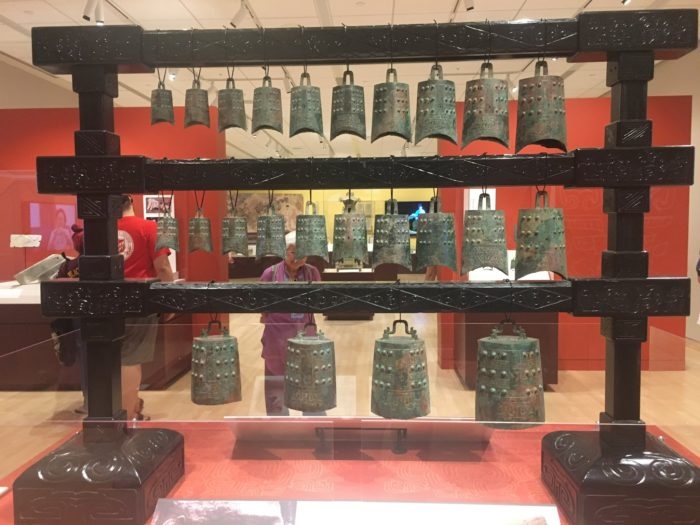
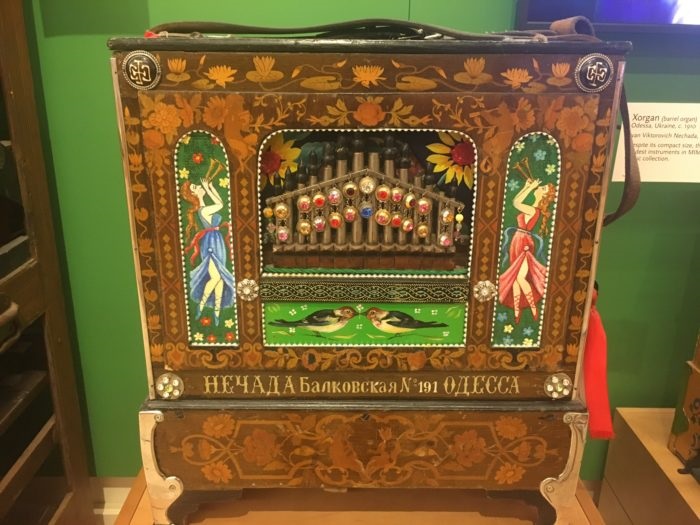
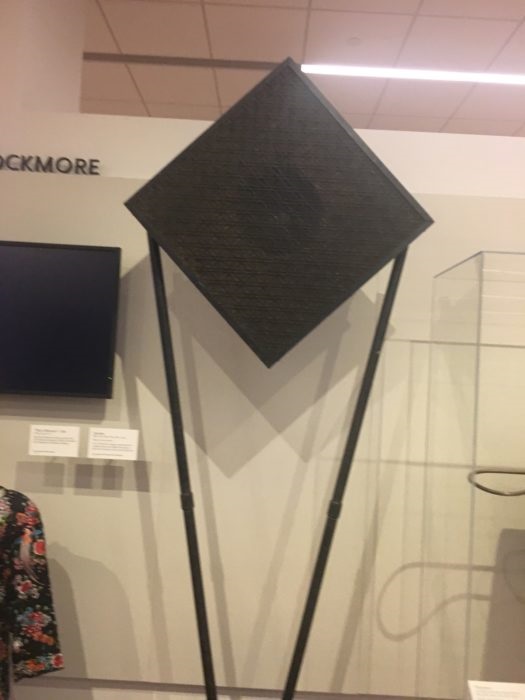
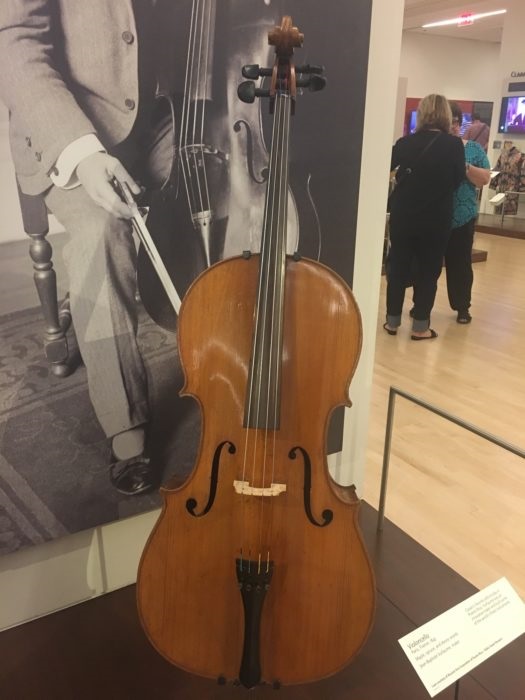
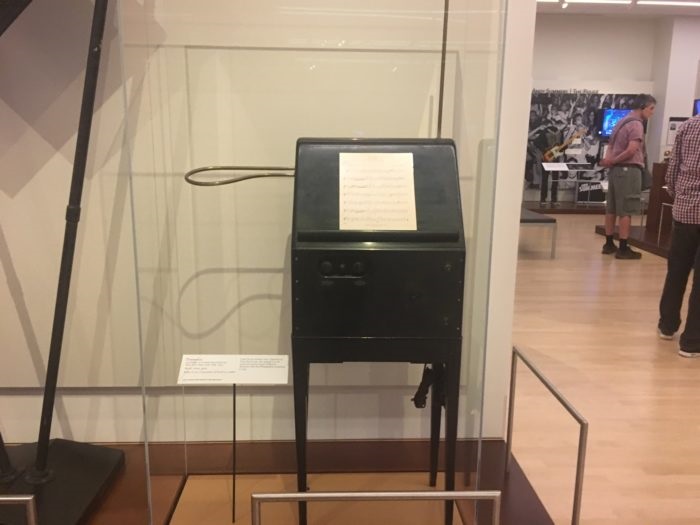
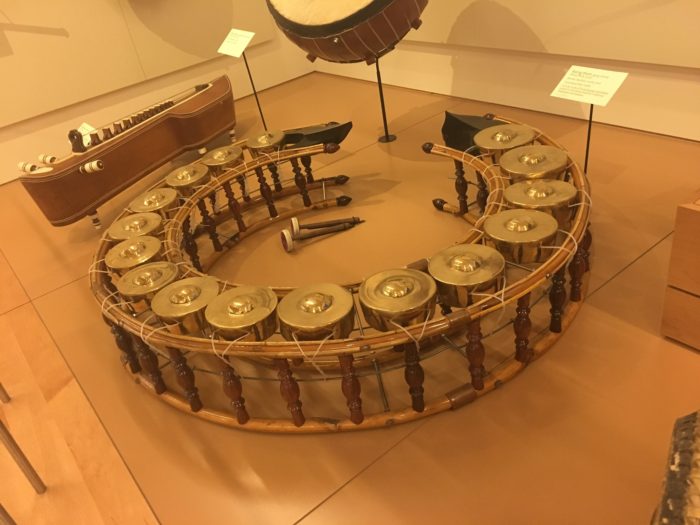
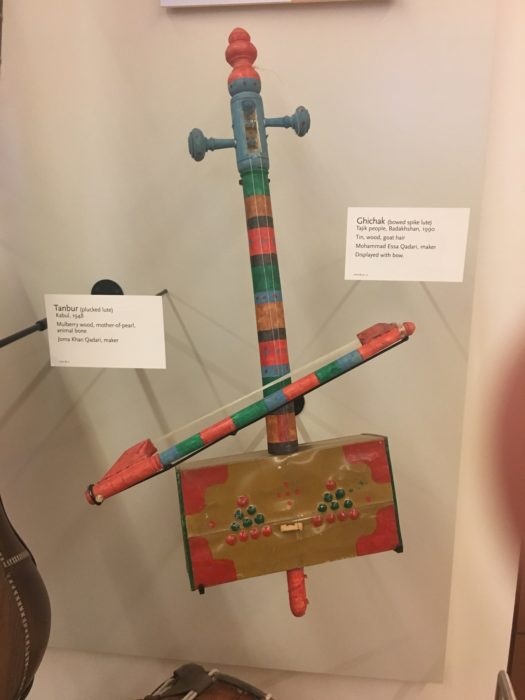
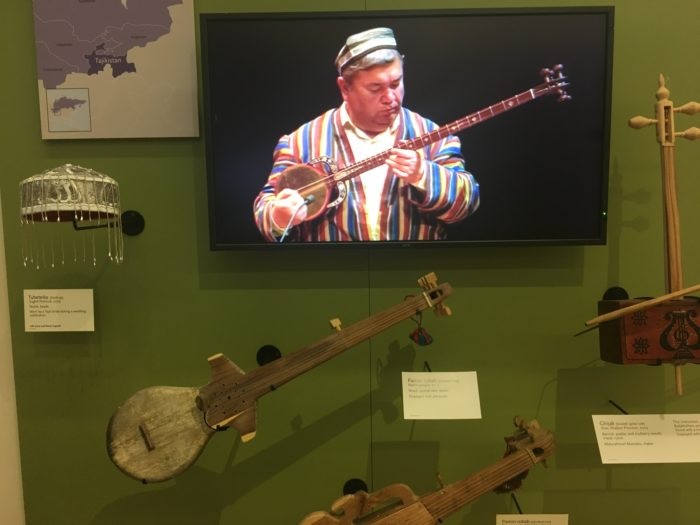
A hidden gem, the Musical Instruments Museum is the most comprehensive museum of instruments in the world. The museum’s inventory is so large, there is only space to display about 1/2 of the 15,000 instruments in their entire collection.
I have no idea what this astounding museum is doing in Phoenix AZ, but it’s amazing not only in the breadth and scope of the collection, but in the ingenious way the museum presents the instruments and associated music.
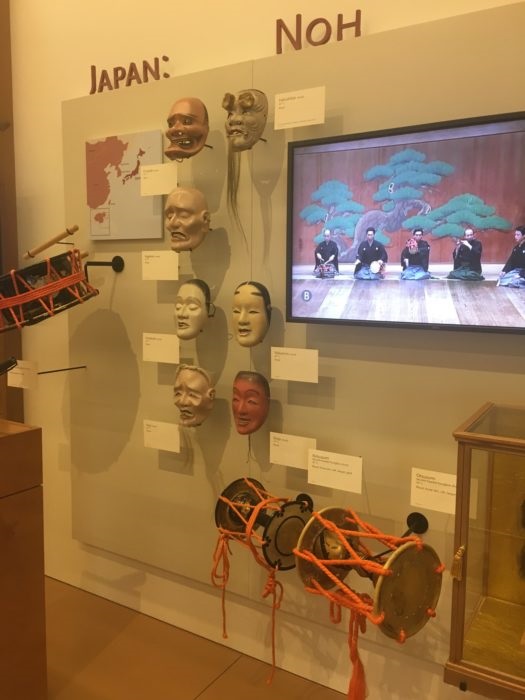
On entry, the visitor is issued the usual headphones and sound producing box, except in actuality, there is nothing usual about it. Each exhibit has a large video screen, demonstrating the various instruments on display. Using Bluetooth technology, the moment the visitor stands in front of the exhibit, the sound of the video syncs to the headset. As soon as the user moves away, the sound fades down, until it’s reactivated by the next exhibit. It works seamlessly. These are high quality audio/video clips presented in stereo. Many are rare field recordings. There is almost no narration, except when the occasional scholar explains the historic significance of say, the Japanese Noh play, or sheds light on the wedding music of Tajikistan.
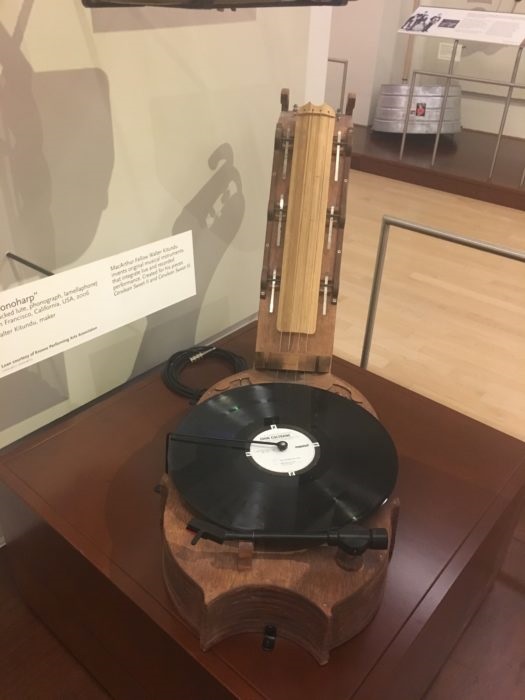

Downstairs one can spend hours exploring just the pop, rock, world and new music exhibits. This exhibit focuses on famous stars to represent certain genres or periods. It must’ve been difficult to decide which pop/rock star to pick to represent an entire musical genre or period within that genre. They do a pretty good job, but it’s simply impossible to decide who to pick for say, the entire 80s pop era. (They picked the Police.) Johnny Cash, The Carter family, Dolly Parton (and a few others) for country. But why in God’s name pick The Nitty Gritty Dirt Band over The Band to represent the early roots of Americana? Oh well. Elvis of course, but also Duane Eddy and Roy Orbison. You’ll find John Lennon’s piano on display, as well as Pablo Casals’s cello, Clara Rockmore’s theremin (!) and a very cool exhibit on Kronos Quartet. (On the other hand, almost an entire wall devoted to Taylor Swift – Really?)
They also try to include various stars of popular world styles, such as Cuban music (Tito Puente,) Qwali music maestro, Nusrat Fateh Ali Khan, as well as sitar master, the late Ravi Shankar (and his daughter Anousha) for Indian music. In addition to the pop, world and classical stars, there’s an amazing room filled with historical orchestrions and other fascinating automated instruments built over the centuries.
There’s also an interactive room filled with instruments that one can touch and play.
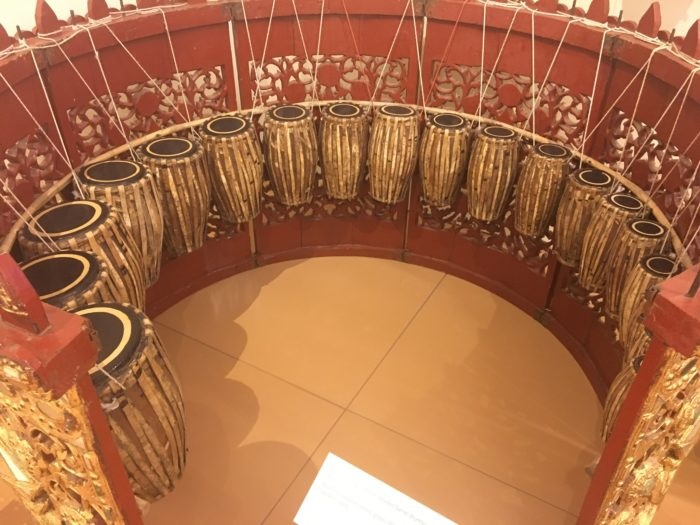
But all of this is just the warmup to the main event, which is upstairs. The MIMs collection of world instruments is simply staggering. Divided by regions and broken up into countries, it’s a mind blowing experience. We started in Asia exploring Indonesian and other island cultures, dipping into China, Japan and India. The collection is simply too vast to see in a day: we never even got to the America’s, Europe or African collections! My partner called it the Louvre of musical instrument museums, and that about sums it up.
The museum also has an impressive and eclectic concert series as well.


2018 8 Mai
Manafonistas | Filed under: Blog | RSS 2.0 | TB | 2 Comments
Früher habe ich am Theater gearbeitet, weil ich dachte, dass es dort um das Erzählen von Geschichten geht. Aber statt Geschichten und interessanten Figuren, statt Handwerk und Inspiration fand ich dort viel zu oft Egomanen, denen es nicht um Inhalte ging. Als ich nach sechs Wochen ohne einen freien Tag, zu vielen Zigaretten, zu wenig Schlaf und zu wenig Nahrung eine Treppe hochlief, versagte mein Kreislauf. Ich setzte mich auf die Stufen und suchte den Grund, warum ich am Theater arbeite, aber ich fand ihn nicht mehr. Meine Geschichten und die Figuren, die immer in mir waren und hinaus wollten, hatten mich allein zurückgelassen. Ich hörte mit dem Theater auf, weil es nichts mehr in mir gab.
Ich folgte keinem Weg mehr außer dem der Wut. Der Wut und der Angst, nie irgendwo anzukommen, nie einen Platz, ein Zuhause zu finden. Ich nahm Aushilfsjobs und befristete Verträge an, und vier Jahre später fand ich eine neue Aufgabe. Ich wurde von einer Medienfirma engagiert, für die ich das Script für eine Bühnenshow erstellen sollte. Für einige Zeit lebte ich nur für dieses Projekt, hatte kleine Flügelchen auf dem Rücken und ein Dauergrinsen im Gesicht. Eines Morgens um 9 Uhr fiel ich aus dem Himmel. Die Firma war insolvent, wir wurden alle entlassen. Ich lag auf dem Asphalt und eine weiße Kreidelinie umrandete meinen Körper.
Mein Partner hob mich auf und besorgte mir einen Job als Monteurin beim Messebau. Ich wurde stark und hart im Nehmen, wurde respektiert und bald schon besorgte ich mir die Jobs selber. Ich behauptete mich in einer Welt aus Schweiß, Muskelkraft, Krach, Dreck, 24-Stunden Schichten, Autobahnen und Hotels. In dieser lauten Welt fand ich meine innere Stimme wieder. Ich nahm Dinge aus dem Leben, Bilder, Augenblicke, Satzfetzen und notierte sie auf Post-Its. Ich begann, über Menschen zu schreiben, die ihren Weg suchen in ein selbstbestimmtes, erfülltes Leben, die scheitern und wieder aufstehen, die ihren Platz suchen. Ich schrieb eine knapp hundertseitige Geschichte in fünf Tagen herunter. Einfach so.
Es fühlte sich an wie nach Hause kommen.
Nach und nach entwickelte ich aus den Notizen einzelne Geschichten, thematisch völlig unterschiedlich. Dabei benutzte ich immer das Verfremdete. Ich nahm die Post-Its als Basis und fügte frei erfundene Geschichten hinzu. So entstand innerhalb von drei Jahren der Kurzgeschichtenband „Von Menschen“. Ich als Person bin in den Geschichten nie zu finden gewesen. Ich habe vielleicht einfach nicht viel Potenzial als literarische Figur. Doch dann schrieb ich eine Geschichte, die grob auf meinen Erfahrungen basiert, und die Worte, die ich schrieb, fühlten sich richtig an.
Eines Tages kam mich mein Bruder besuchen und erzählte mir von einem seiner Freunde und dessen Leben. Das schrieb ich auf. Ich schrieb von meinem Bruder, von seinem Freund, von früher. Ich schrieb über reale Dinge, über das, was wirklich geschehen war. Und wieder fühlte es sich richtig an.
Heute weiß ich, dass ich die Geschichten überall finden kann. Im realen Leben als komplette Handlungsstränge, in Beobachtungen, als Momentaufnahme in einem Bild, in einer Liedzeile. Ich sammle alles ein, mache mir kurze Notizen und warte. Denn eines weiß ich: Ich kann nicht eine Geschichte schreiben, wenn ich es will, sondern die Geschichte kommt, wenn sie sich aus den vielen Post-Its zusammengefügt hat und bereit dazu ist, geschrieben zu werden. Das ist mein Weg, denn das Schreiben ist mein Zuhause.
Iris Antonia Kogler: „Von Menschen“.

2018 7 Mai
Ian McCartney | Filed under: Blog | RSS 2.0 | TB | 3 Comments
It was great to read the recent post here on Manafonistas that referenced the inner goth in relation to Ocean Rain by Echo & The Bunnymen.
The idea of Echo & The Bunnymen being goth had never occurred to me before. I guess the French language, and French smoking influence got in the way.
I always imagined Echo & The Bunnymen lighting up Gauloises or Gitanes and digging Brel’s „La Valse à mille temps“ rather than reading Bram Stoker and sleeping in coffins. But it did kinda make sense. Look at The Royal Liver Building, its granite face. Liverpool’s most famous building – if it can be said to be representative of the city – isn’t exactly a splash of colour.
Anyway, the idea of the inner goth got me thinking about what is goth and what isn’t. And there’s no real answer to that, apart from the fact that Havergal Brian’s „Gothic Symphony“ is most definitely gothic. Inner goth though? That’s a subjective call. So here’s my Inner Goth Top Five. (Lifers, every one.)
Bauhaus – Third Uncle (Beggars Banquet, 1982). Eno’s original is post-punk, but it was recorded and released before punk, in 1974. That is an achievement, of course – and a big one. Bauhaus are wise enough not to try and alter the style of Third Uncle too much. They just put it back out there, and remove any sunlight from the original, replacing the sunlight with moonlight.
This Mortal Coil – Kangaroo (4AD, 1984). Another cover, this one is a rendition of Kanga Roo by Big Star. It’s the singing style that makes this, as well as the bass and the strings. The overall effect is of moonlight turning ramparts and flagstones silver-blue under a midnight sky.
The Cassandra Complex – Second Shot (Play It Again Sam, 1988). „All that glitters isn’t gold, but who cares, anyway? Let me bounce off your lens and into the trees.“ Goth with saxophones. A powerful and shattering listen.
The Royal Family & The Poor – Art on 45 (Factory Records, 1982). „Vast emptiness, nothing holy“. This song’s words echo the writings of Belgian philosopher Raoul Vaneigem, especially the 1967 book The Revolution of Everyday Life. With style.
John Maus – … And The Rain (Upset The Rhythm, 2011). „And the rain came down, down down down down down.“
2018 7 Mai
Michael Engelbrecht | Filed under: Blog | RSS 2.0 | TB | Tags: TV Serien | 4 Comments
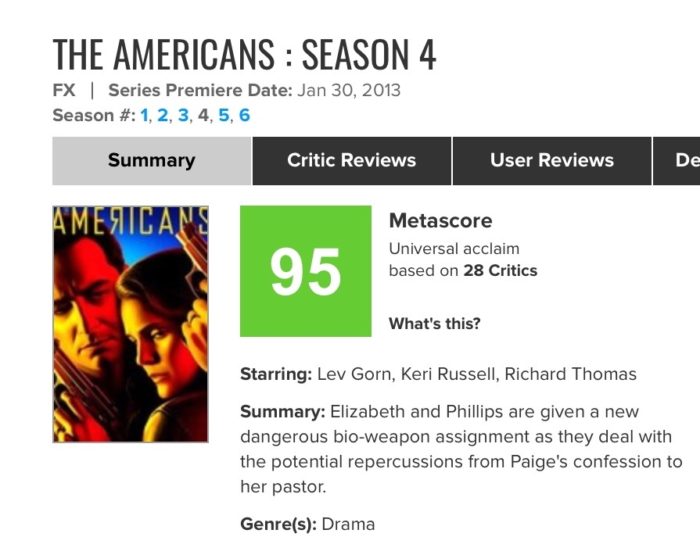
THE AMERICANS is one of the best American TV series ever. Located in the time of Ronald Reagan when the world was threatened to be set on fire (with some different circumstances and a slightly different agenda compared to today‘s scenarios of worst possible cases), there were Russian spies, of course, on American soil – and what could unfold as another decent spy story, turned out to be outstanding in every way. Even the vast majority of the critics were stunned (and some possibly wrote their best, inspired reviews, starting from season one onwards to season 6 and maybe 7) – and though I often trust my minority opinions, in this case I’m happy to be part of a general consensus, and hereby just want to share my uninhibited and, well, well-judged, enthusiasm. So just as reminder here, in „Joey style“, my favourite TV series of the 21st century (and, gosh, what do I have to leave out, from VIKINGS to HAPPY VALLEY, from highly impressive MINDHUNTER to nearly instant classic LITTLE BIG LIES (greatsoundtrack choices!), from THE OA to RAY DONOVAN :)) – some may call „Banshee“ a guilty pleasure, but that‘s the gist of lists, to be utterly sincere and don‘t deliver cultural correctness whatever the fuck that is …
01) LOST
02) THE LEFTOVERS
03) SONS OF ANARCHY
04) JUSTIFIED
05) TWIN PEAKS – THE RETURN
06) GAME OF THRONES
07) HALT AND CATCH FIRE
08) THE AMERICANS
09) GODLESS
10) MAD MEN
11) SEVEN SECONDS
12) BANSHEE
13) FARGO
14) THE DETECTORISTS
2018 5 Mai
Michael Engelbrecht | Filed under: Blog | RSS 2.0 | TB | Comments off
01.Brian Eno: Music for Installations ***** (my choice of number one is free of personal taste) 02. Steve Tibbetts: The Life Of ***** (aural bliss) / 03. The National Jazz Trio Of Scotland: Standards Vol. 4 ***** (In another year without records by Robert Wyatt, this is the ecstasy of understatement!) / 04. Jon Hopkins: Singularity ***** (everybody’s talking about psychedelia here, but it’s certainly the work a sharp mind) 05. Yo La Tengo: There‘s A Riot Goin‘ On **** 1/2 (we‘re going in the underground, underground, underground – now all of you!) / 06. Jakob Bro: Returnings **** 1/2 (producer Manfred Eicher never loses it – blue, blue, blue, and free) / 07. Fire!: The Hands **** 1/2 (killer album) / 08. Nils Frahm: All Melody **** 1/2 (makes me believe in new age, fucking heavenly music) / 09. Christina Vantzou: No. 4 **** (oh my gosh, if she would have been my math teacher, I would have reached for symmetrical skies) / 10. Sly and Robbie with Nils Petter Molvaer et al: Nordub **** (minor quibble: the title) / 11. Dave Liebman / Adam Rudolph / Tatsuya Nakatani: The Unknowable **** (so it sounds, when jazz is a mystery and not a style) / 12. Venetian Snares & Daniel Lanois: dito **** (beware, if this record is a dog, it really bites, impossible music of highest order) / 13. Gas: Rausch **** (always different, always the same, the music „rocks“ inside)
2018 5 Mai
Lajla Nizinski | Filed under: Blog | RSS 2.0 | TB | Tags: Hauschka | 2 Comments
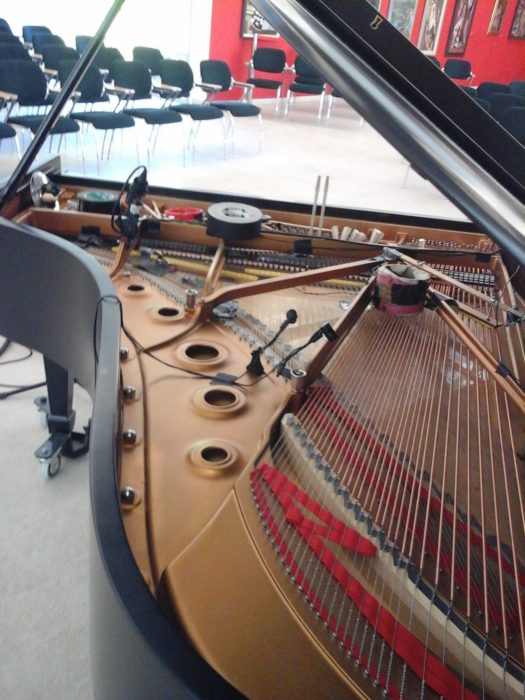
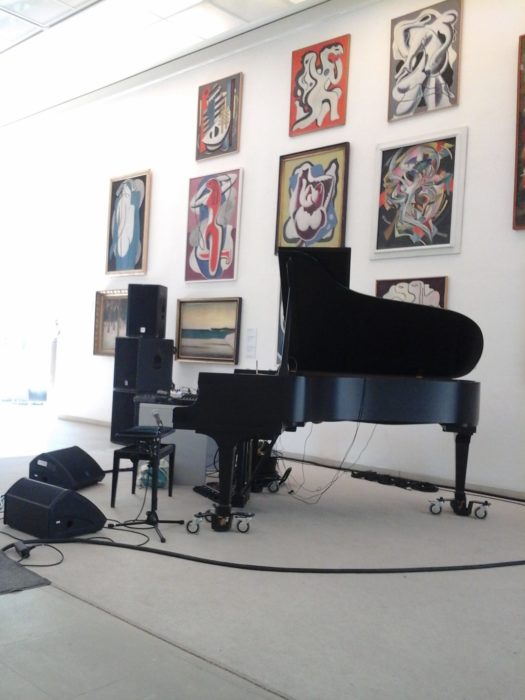

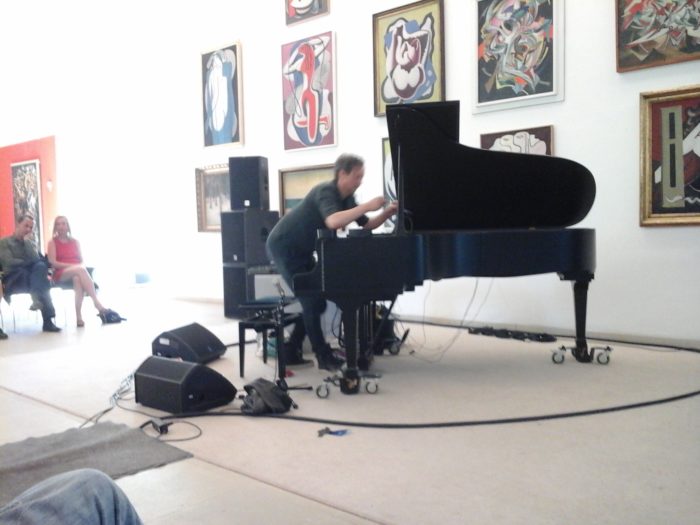
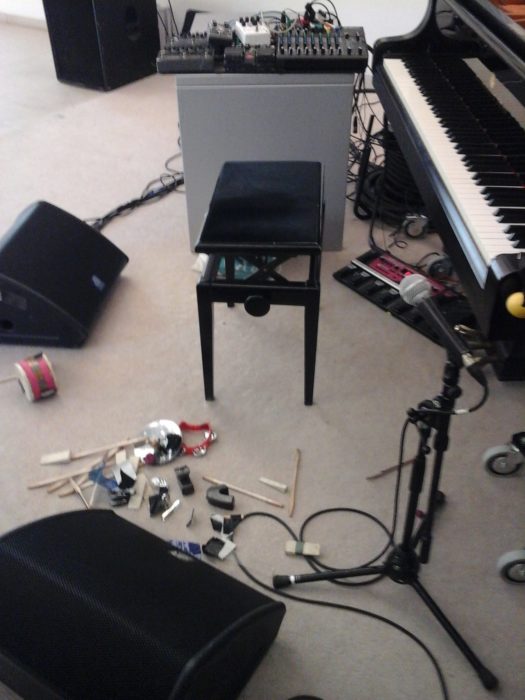
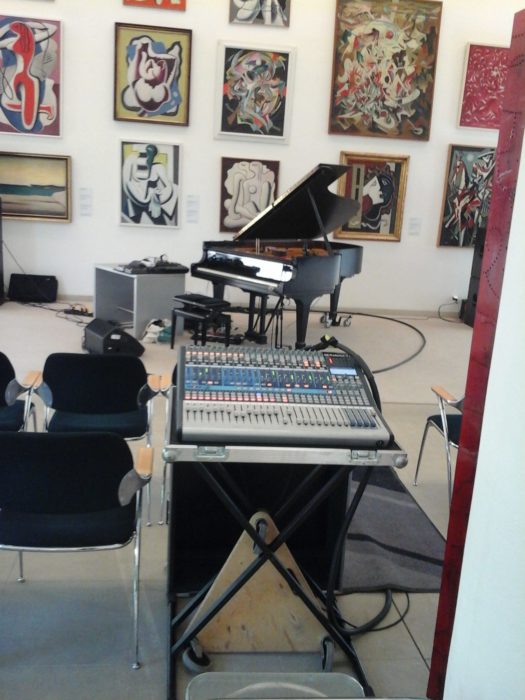
Hauschka spielte 70 Minuten ohne Pause vor etwa 50 Museumsbesucher. Zugabe waren die „Gaffertapes“. Wahnsinnskonzert.
2018 5 Mai
Martina Weber | Filed under: Blog | RSS 2.0 | TB | Comments off
Vor ein paar Tagen hat Schöffling & Co. die Belegexemplare verschickt, Honorare gibt´s keine, aber das macht nichts, denn im Jahrbuch der Lyrik vertreten zu sein, hat immer noch etwas von einer Adelung und ich erinnere mich an T., mit dem ich viele Jahre lang im Austausch stand und der mir einmal – er tendierte gern zum Pathos – schrieb: „erst jetzt, wo ich im Jahrbuch bin, kann ich mich wirklich als Dichter bezeichnen.“ Seit 1979 ist Christoph Buchwald ständiger Herausgeber des Jahrbuchs (das eine Zeitlang nur alle zwei Jahre erschien) und lässt sich bei jeder Ausgabe auf Diskussionen mit einem anderen Copiloten ein, in diesem Jahr Nico Bleutge. Und das sind die Regeln: Einreichen darf jede und jeder maximal zehn Gedichte, die (noch) nicht in einem eigenen Gedichtband veröffentlicht sind. Nachdem die Herz-Schmerz-Texter mit dem Einsenden aufgehört haben, sind es, so Christoph Buchwald, pro Jahr 600 bis 900 Einsendungen, also bis zu 9000 Gedichte, von denen in diesem Jahr 119 Lyrikerinnen und Lyriker ausgewählt wurden, die meisten mit einem, wenige mit mehreren Gedichten. Der Auswahlprozess ist von Offenheit und Unbefangenheit geprägt („keine Rücksichtnahme auf Freunde, Verwandte, Verlagsangehörige, Geliebte oder bestimmte lyrische Schulen“) und dies sei, so Christoph Buchwald in einem seiner beliebten Selbstinterviews im Nachwort, einer der Gründe dafür, dass das Jahrbuch überlebt habe. Da die Lyrikszene klein ist, hat das Jahrbuch etwas von einem virtuellen Klassentreffen. Ich habe das Buch schon fast durch und gerate immer wieder ins Staunen, wie einzelne Bekannte, die sich seit Jahren auf eine bestimmte Poetologie festgelegt zu haben schienen, diese ändern, Haken schlagen, oder wie andere, mit deren Texten ich bisher nichts anfangen konnte, mir gerade jetzt in einem anderen Licht erscheinen und für meine eigene Arbeit plötzlich absolut notwendig werden. Musiktipps gibt´s auch, bei Ulf Stolterfoth werden die throbbing gristle erwähnt, und die bow bells. Die Themen? Nun, in Gedichten geht es eher weniger um benennbare Themen, eher geht es um alles oder jedenfalls um etwas, was man nicht direkt benennen könnte, – das macht die Magie ja aus. Und Trends? Nico Bleutge schreibt in seinem Nachwort, ein großer Impulsgeber seien innere und äußere Landschaften. Liebesgedichte fand ich eher wenige; das Thema scheint durch (kleiner Witz). Unter die Haut ging mir die Anschaulichkeit in der Abstraktheit im Liebesgedicht von Nadja Küchenmeister („es beginnt mit einer hand, die um einen schlüssel wächst./ es beginnt mit einem schlüssel, und es endet ohne tür.“). Ja, und Grenzen werden ausgelotet, zur Prosa, zum Essay und bis in die Wortlosigkeit hinein, mit der Oswald Egger die inhaltliche Spannung seines „insichdichteste(n) Gedicht(s)“ mittels Klammern und kleinen Häkchen wie mit einem selbstgeschaffenen musikalischen System veranschaulicht. „Die Poesie riecht zu sehr nach Poesie. Die Philosophie zu sehr nach Philosophie. Die eine wie die andere leiden an einer schrecklichen Redundanz. Geziertheit des Verbs, Geziertheit in der Tiefe. Beide langweilen uns gleichermaßen.“ Dies schreibt Jean Baudrillard in seinem poetischsten Buch, den Cool memories 1980-1985, einer Sammlung meist kürzerer Statements mit alltäglichen Beobachtungen und Gedanken, geschrieben im Stil der Freiheit eines Blogeintrags, dem die Zahl der clicks egal ist. Der Vorwurf Baudrillards trifft das aktuelle Jahrbuch eher nicht. Nach der Auswahl der Gedichte steht für das Herausgabeteam die Frage nach der Anordnung der Texte im Buch an. Die Anordnung in sieben Kapitel und die Korrespondenzen zwischen Gedichten, die nebeneinander stehen – das ist sehr fein austariert. In einem achten Kapitel findet sich eine Auswahl an übersetzten Gedichten, fast alle aus dem Englischen. Dass schon immer mehr Gedichte geschrieben als gelesen werden, ist bekannt. In Buchhandlungen gibt es immer weniger Gedichtbände und selbst nach Lesungen, die größeres Publikum anziehen, werden kaum Gedichtbände verkauft. Die Auflage des ersten Jahrbuchs der Lyrik (1979) betrug 8000. Vom aktuellen Jahrbuch wurden 2000 Exemplare gedruckt. Christoph Buchwald schreibt dazu in seinem Nachwort: „Was ist an vermutetem gleichbleibenden Interesse an Gedichten an die Stelle des stillen Lesens eines Gedichtbandes gekommen (und sei´s auf dem E-Reader oder Tablet)? Und warum?“

For quite a while I have wanted to take the opportunity to recommend a few current albums that are not (yet or otherwise) mentioned here. There are already numerous albums on this list, which is why I’m now shortening my recommendations in a telegram-like style.
Although I have been a big fan of the English duo Autechre since the mid-1990s and appreciate and strongly recommend almost all their albums, I can only be amazed at their latest album. This is not necessarily because the opus is eight hours long (the previous album elseq 1-5 was almost five hours long, the preceding exai a 2-CD album of over two hours, and the two preceding ones – Quaristice and Oversteps – were each followed by a one to two hour-long „EP“). Autechre have released so many CDs since the early nineties (and their numerous so-called „EPs“ were in most cases album-length releases, plus their first live album consisted of nine tracks each lasting around an hour) that it is almost astonishing how varied and complex, how imaginative and surprising and at what high level each new release still is – even though Autechre still keep their own unmistakable style and never have guests or producers on board on their regular albums. NTS Sessions 1-4 is an 8-hour-opus; as of now it is only available as download, but the 8-CD-version can be pre-ordered at the Autechre Bleep store and will be produced according to the numbers of the pre-orders.
Mark Smith writes in his epic Resident Advisor review (and he actually only states „Autechre“ as their „style“ or „genre“):
The majority of artists in Autechre’s cohort either dropped off in quality or entered the extended victory lap period of their careers. […] ‚NTS Sessions 1-4′ […] their best record in many years. […] The range Autechre get out their patches is staggering. You can feel their own sense of discovery as they’re pushing and pulling parameters. They navigate treacherous skies but they always breach the cloud line, providing clarity, a sense of scale and structure. Even though they’re challenging themselves, there’s no doubt as to who’s created the rules.
Without question one of this year’s top 10 albums.
Far less spectacular, but most likely also among my album favourites at the end of this year, is Meshell Ndegeocello, an extremely versatile and fascinating songwriter, singer, bassist and producer (Anthony Joseph, Jason Moran and others) from the U.S., who will celebrate her 50th birthday this August. 25 years ago a certain Madonna released Meshell’s first CD Plantation Lullabies on her then newly founded label Maverick, and since then I have fallen in love with almost every Ndegeocello album. Ventriloquism is a personal collection of songs the singer interprets as if it were her own. Which is obviously because she has a very personal relationship with each one of them.
In the frequently very recommendable songwriter podcast Sodajerker, Meshell Ndegeocello talks very openly about her work process and also mentions her many role models and inspirations, some of whom she has already honoured by interpreting songs in her very personal way, such as her gorgeous Nina Simone tribute album Pour Une Âme Souveraine with guests like Valerie June or Sinead O’Connor, among others, and a flamboyant version of Leonard Cohen’s Suzanne. Taking into consideration that I can easily recommend every single Meshell album with all my heart, Ventriloquism (with a terribly uninspired cover image, though), reflecting personal episodes and recent experiences, may be an album rather for the advanced listener, an unusually quiet one at that, but the intensive, masterful 7-minute rendition of Prince’s (another one of the singer’s idols) Sometimes it snows in April, which condenses the song to its essence and emotional core, is worth the purchase of the album alone.
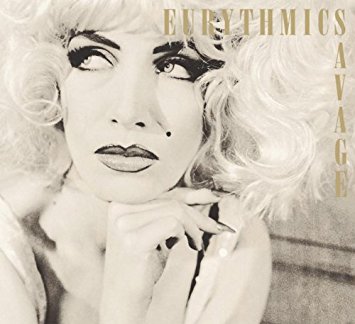
At this moment I am listening to Eurythmics’ 1983 album Touch — admittedly I have never been a big Dave Stewart fan, but Annie Lennox has been one of my favorite pop artist since the days of my childhood. So it is worth mentioning that all but one of Eurythmics’ studio albums are now, long overdue, being re-released on vinyl, and PopMatters’ Adam Mason has written this extensive recommendation of their body of work. No two albums of theirs sound alike, but arguably best of them, and my personal favorite for 30 years — though most people prefer Touch — is 1987’s Savage. Both these albums are halfway between avant-garde and pop. Mason concludes,
we are here to witness again the powerful counterblow of ‚Savage‘, now becoming the firm fan favorite of the Eurythmics catalog, while building up a reputation as the duo’s ‚Revolver‘, or maybe ‚Low‘, with an experimental sound dominated by Stewart’s adopted digital synthesizer of choice, a synclavier, facilitating Lennox’s excursions into concept-album territory, where the distinctive two sides of the record tell the unsettling story of a woman’s descent into heartbreak, cynicism, emotional devastation and masochism.


Jon Hopkins, whom some of you will know as Eno’s collaborator on the wonderful Small Craft on a Milk Sea album, finally has a new album out, five years after his deserved breakthrough with the excellent techno-ambient-electronic album Immunity, which ended up on many best-of-the-year lists in 2013. I loved Immunity, and I instantly loved Singularity on first listen. „As striking as Immunity was, Singularity feels more developed, and it’s ultimately a tough call as to which album is more exciting,“ writes Paul Simpson. And Paul Carr summarizes, „Jon Hopkins‘ Singularity evokes the euphoria and vivid awareness of a psychedelic experience.“
The man behind the pseudonym Amen Dunes is Damon McMahon, and his fourth album Freedom is strongly reminiscent of the songwriting and style of Robert Forster, though with a different, slightly softer and more versatile sound. „Everything feels silvery and romantic, like a hallucination of the classic-rock songbook,“ writes Sam Sodomsky.
Meg Remy reaches a new level of complexity with her latest album under her U.S. Girls alias, In A Poem Unlimited, an idiosyncratic sound palette of noise pop, funk with saxophones, trumpets, synths and multilayered percussion; she crafts catchy songs between old-fashioned pop and contemporary art. „[…] her glorious, danceable new album is a righteous collection of razor-sharp songs, full of spit and fury, a high-water mark for political pop music,“ says Jonah Bromwich.
Mouse On Mars, another unique duo, this time from Germany, has also recently released a fascinating new album, which – while retaining the duo’s peculiarities – once again sounds completely new and different from any of their 14 preceding albums. They changed their M.O. and recorded Dimensional People abroad with dozens of (star) guests, including Justin „Bon Iver“ Vernon, rapper Spank Rock and the National bros. Bryce and Aaron Dessner. In the band’s 25th year the album may sound less radical than some predecessors, Jan St. Werner and Andi Toma may enter their „mature“ phase, but they are by no means less inspired and dazzling. The epic, 13-minute opening piece in three parts already surprises with its confrontation of Steve Reich’s stylistic devices and Bon Iver vocals. Mouse On Mars remain their unique universe. Benjamin Moldenhauer:
None of this should really fit together. But the perceptible naturalness with which techno, hip-hop, dub, krautrock, indie pop, drum robots, violins, ambient, dissonances and all kinds of indefinable things are brought together here is very delightful. […] Perhaps Mouse on Mars are the most thorough dialecticians of the electronic avant-garde. Two opposing attitudes determine what happens: that of the child euphoric about his own world discovery, who wants to touch everything and tests its suitability for his own, purely intuitively controlled mind. And that of the control-mad tinkerer, who still has to define the smallest sound shred and can do so. ‚Dimensional People‘ draws its tension from this entanglement of exuberant joy of discovery and demiurgical virtuosity.
Germany’s currently best rock band is arguably Die Nerven (The Nerves). Even Thurston Moore recommended them. Their new album Fake may not be as urgent and punchy as the preceding Out, but it is still great. Andreas Borcholte: „The fundamental [..] disorientation of society is the theme of Fake. It is, that much is already certain, one of the most haunting German albums of the year.“
… to be continued …