Manafonistas

on life, music etc beyond mainstream

You are currently browsing the blog archives for the category ‘Blog’.

Category: Blog

2017 24 Sep.

Froher Herbst

| Filed under: Blog | RSS 2.0 | TB | Comments off

Die Verlängerung der pränatalen Adventszeit


Jedes Jahr kurz nach den Sommerferien Mitte September beginnt die Weihnachtszeit. Das habe ich von einem meiner Klavierschüler, die meine Musikinstrumente finanzierten, gelernt. Für ihn war es wichtig, der Erste zu sein, der Lebkuchen und Schokonikoläuse mitbrachte und damit den Unterricht sabotierte. Wir aßen alles auf, unterbrochen nur von seiner eindeutig gespielten Entrüstung, es sei doch noch nicht einmal Advent. War es aber doch irgendwie, denn es wurde höchste Zeit, mit dem Einüben von Weihnachtsliedern zu beginnen, die an Heiligabend zu präsentieren waren.

Das erwarteten die Eltern wie mein Schüler die Lebkuchen. Gefürchtet war besonders die Großmutter, die jedes Jahr pünktlich unterm Baum saß. Der Grund für die recht frühe Vorbereitung des Weihnachtsrepertoires war, dass sie bei jedem Fehler laut nach einem da capo verlangte und dadurch die Bescherung bis ins Unerträgliche verschob, was den mühsam ausgehandelten Kompromiss über den friedfertigen Ablauf des Abends ernsthaft gefährdete. Der Bericht über die Rezeption des Weihnachtskonzertes gehörte jedes Jahr zur ersten Klavierstunde im Januar; ich spendete Trost mit dem Hinweis, wir könnten froh sein, nicht so eine postnatal weihnachtssüchtige Tante zu haben wie Heinrich Böll sie beschrieben hat.

Vielleicht bin ja auch ich von Weihnachtszwängen beherrscht; obwohl ich seit Jahren keinen Klavierunterricht mehr gebe, komme ich im September nicht an Aldi oder Lidl vorbei, ohne nach Weihnachtswaren Ausschau zu halten. Ich kaufe dann extra was anderes und fühle mich für kurze Zeit frei. Ich komme aber dann nicht drum herum, anstatt schleunigst mit der Manafonistas-Jahresliste zu beginnen, zuerst das alljährliche Weihnachtsmixtape fertig zu stellen. Zur weiteren Einstimmung dazu bestelle ich etwas aus dem pünktlich am 15.9. im Briefkasten liegenden Lebkuchenkatalog aus Nürnberg, der von der Aufmachung her voll auf Weihnachten macht, ohne freilich das W-Wort auch nur ein einziges mal zu erwähnen. Heuer bestelle ich 2×12 Fläschchen aus Schokolade, gefüllt mit bekannten Spirituosen. Das hilft über den verlängerten Advent hinweg und verweist auf Silvester.

Das 2017-er Weihnachts-Mixtape scheint mir besonders gelungen zu sein, vereint es doch angemessene Stimmung, dinner-geeignete Dynamik, perfekte Übergänge, geschmackvolle Auswahl und eine kleine Portion Ich-kenne-mich-aus-mit-Musik-Besserwisserei – wie sich das für ein gutes Mixtape gehört.

Es beginnt mit dem Instrument der weihnachtlichen Fußgängerzonen: der Blockflöte, hier geblasen von Moondog, dem Pionier der Minimalmusiker. Ergiebig ist die CD „Himmelslieder“ (von Poulenc, Britten, Pärt und Kaminsksi; mit dem SWR Vokalensemble). Dazu ein Ausschnitt aus Paul Hindemiths Oper „Das lange Weihnachtsmahl“ über die Eskalation der Unterhaltung vor dem Christbaum. Jazzbeiträge liefern die vor kurzem verstorbene Pianistin Geri Allen und Carla Bley (mit Steve Swallow und dem The Partyka Brass Quintett) jeweils aus dem Repertoire einer ganzen Festtags-CD. Wenn noch etwas World Christmas dazu gemixt werden soll, dann empfiehlt sich stets als zuverlässig gute Quelle eine CD der „rough music guides“. Besonders erwähnt werden soll das entsprungene Ros in der extrem langsamen Version von Jan Sandström, die Bugge Wesseltofts vom Schnee berieseltes Klavier wie ein fliehendes Pferd (A flying ross) erscheinen läßt. Den Platz von „Last Christmas“ nimmt diesmal Nick Lowe mit „Christmas at the Airport“ ein.

Die Abschlussworte stammen von Ernst Jandl (Auszug):


„Machet auf den Türel, machet auf den Türel!
Dann kann herein das Herrrel. Dann kann herein das Herrrel.
Frohe Weihnacht! Frohe Weihnacht!
Und ich bin nur ein Hund.“

Jahrelang haben Björn Meyer, ein Vertreter des elektrischen Bassgitarrenspiels (man denke an seine Arbeiten mit Nik Bärtschs „Ronin“ oder Anouar Brahem) und der Instrumentenbauer Richard Rolf daran gearbeitet, eine akustische Bassgitarre zu entwickeln, die den Vorstellungen des Musikers entspricht. Auf der soben erschienen, fantastischen CD „Provenance“ (ECM) ist sie auf zwei Stücken zu hören.  Ich  fragte ihn, was genau er sich vorgestellt hatte, er könne es ruhig in analytischer Sprache formulieren, und dann habe ich sein charmantes Schweizerdeutsch (Björn ist gebürtiger Schwede) nur ganz dezent aufpoliert. (me) 


„Zuerst, nur dass es klar ist – die akustische Bassgitarre  kommt ja nur auf „Squizzle“ und „Garden of Silence“ vor, gell?

Also, zuerst physische Parameter: Mensur (leere-schwingende Saitenlänge) wie ein “normaler” E-Bass (ca.85 cm) – 6 Saiten, von tief bis hoch in etwa E-A-D-G (wie ein normaler Bass) dann C – F … mit der Möglichkeit, ein wenig herum zu experimentieren … ich  habe danach fast immer das E einen Ton tiefer gestimmt …  – Genügend Klang und Volumen, um unverstärkt mit z.b. Nyckelharpa und Geigen etc zu spielen, u.a. beim schwedischen Spielmannstreffen. Dabei will ich sowohl Bass als auch Malodie und Akkorde spielen können! – Wahrscheinlich eher Stahlsaiten …

Eher schwierige Parameter: “Wie eine sehr tief gestimmte stahlsaitige Gitarre klingen, aber mit ganz klar definierbarem Grundton! Bei Akkorden soll jeder Ton hörbar sein. Es soll „Attack“ haben wie z.b. Das gezupfte Cello, aber gleichzeitig lang klingen können, was natürlich mehr oder weniger unmöglich ist … – es soll dynamisch auf verschiedene Spielarten – Plektrum, Zupf, Slap, Flamencotremolos und Sonstiges sehr “organisch” reagieren können … nicht dass mit Plektrum gespielte Passagen unkontrollierbar stärker kommen als mit Finger gezupften …

Dann beim Saiten-Hersteller: Mehr Grundton als Marke X und mehr Obertöne / Brillianz als Marke Y … – Saitenzug möglichst wenig, so dass der Deckel möglichst frei schwingen kann, aber genügend,  um gute Volumen zu erhalten …

In etwa so ist es zu- und hergegangen … alles was mit Konstruktion und anderen Details zu tun hatte (Holz, Form, Grösse etc.) habe ich den Fachmännern überlassen!!

Was hört man wo ?

„Squizzle“:  Mensur länge wirkt hier fantastisch,  finde ich – der Klang der leeren Saiten in den melodiöseren Teilen – Auch dass jeder Ton heraushörbar ist, obwohl ich ziemlich wild herumschrumme – Attack und Dynamik bei verschiedenen Spielweisen erscheint mir  auch sehr gelungen.

„Garden of Silence“:  Es hat auch beim tiefsten Ton (D, den Grundpuls von Stück) genügend Klang, um das Auditorio Lugano zu füllen! – Der Deckel (Top) ist dünn genug um schwingen zu können aber stark genug um den gesammten Zug von 6 Saiten zu halten. Der Klang von diesen spezialgewickelten Stahlsaiten inpiriert mich sehr … Es wurden eben Stahlsaiten, aber mit ein wenig Nylon (im Dünnsten / Höchsten), um den Klang nicht ZU glitzerig zu machen …“


Auf Vinyl und CD nun wieder zu moderaten Preisen erhältlich, dieses kleine Juwel des wunderbaren belgischen Labels „Made To Measure“, das in den 80er Jahren schillernde Exkursionen in den Grenzgebieten von Avantgarde, Pop und Post-Pop verbreitete. Im Falle von Yazuaki Shimitsu ist solche Musik für den Kommerz (Jingles, Mini-Soundtracks etc.) mit hintersinnig doppelten Böden nicht so paradox, wie es erscheint, und auch schon früher realisiert worden: die begrenzte Zeit, das zu bedienende, mögliche Objekt der Begierde, solche vermeintlich einengenden Auftragsarbeiten haben die Kreativität oft auf verlockende Abwege geführt, Sinn gemacht und (Be)-Sinnlichkeit hergestellt, in prägnanten Dosierungen. Eben nicht NUR skurril! Und wie gute Filmmusik kann sie sich von den bewegten Vorlagen lösen. (im comment one eine treffliche Besprechung von Alan aus „Modern Vinyl“)


2017 23 Sep.

Japanese Jewels (4): Lisa

| Filed under: Blog | RSS 2.0 | TB | 3 Comments

Diesmal möchte ich von einem Album berichten, von dem ich rückblickend nicht mehr die geringste Ahnung habe, wie es in mein Leben kam. Manche Dinge stranden halt einfach irgendwo, treten in Erscheinung und bleiben. Bleiben, weil sie sich einfach als unerwartet und schön herausstellen. Wobei „schön“ hier keine aalglatte, sentimentale Grösse darstellt, sondern eine Art musikalisches Vexierspiel mit hohem ästhetischem Reiz. Da holt sich ein japanischer Rockmusiker, Masahide Sakuma, einen japanischen Viola da Gamba-Spieler und einen japanischen Blockflötisten und spielt Kammermusikstückchen, die irgendwo zwischen mittelalterlicher Musik aus streng japanischer Perspektive, experimenteller Elektronik, meditativen Drones und einer grandiosen Interpretation der Titelmelodie des Dritten Mannes (in Moll!) zu verorten ist und trotz der vielen subtilen Ecken und Kanten eine ungemein friedliche Atmosphäre hervorbringt, die nur in einer bislang unentdeckten musikalischen Parallelwelt angesiedelt ist. Produziert hat das Seigen Ono, von dessen eigenen Alben noch ein andermal zu berichten sein wird. Kleine, raffinierte Miniaturen, die über 30 Jahre nach ihrem Erscheinen und nach unzähligem Hören nichts von ihrem Reiz eingebüßt haben und ich zudem bei jedem weiteren Hören noch etwas entdecke, das mir bisher verborgen blieb, so als ob sich diese Musik über die Zeit ganz langsam verändert haben könnte und sich subtil an meinen Klangerfahrungen vorbeischleicht, um beim nächsten mal zwischen den Noten die Frage zu stellen, ob ich wirklich glaube es jemals kennen zu können …


lashmusic.com / bright-phoebus-songs-by-lal-and-mike-waterson …


(to the friendly knowledge of Gregs and Michael at least, who are, among the Manas, his most regular listeners)


1935 wurde er in Campo Santo (Provinz Salta / Argentinien), ein kleiner Ort am Fuße der Anden, geboren. Hierher, ins Tal seiner Kindheit – El Valle de la Infancia (ECM 2014) – sollte er, Dino Saluzzi, im Frühjahr 2013 zurückkehren. Bruder Felix „Cuchara“ ist mit seinem Saxophon und seiner Klarinette dabei und auch seine Söhne José Maria (Gitarre) und Matias (Bass). Erweitert wird die Gruppe durch Quintino Cinalli (Drums, Percussion) und Nicolàs “Colacho“ Brizuela (Classical Guitar). Aufnahmeort ist Buenos Aires.


Die lange Zusammenarbeit mit Manfred Eicher und ECM begann allerdings viel früher, in Ludwigsburg nämlich, im Tonstudio Bauer unter Tonmeister Martin Wieland. In der Nähe von Ludwigsburg, in Stuttgart, wohnte der Meister auch eine Zeit lang. Damals in Stuttgart arbeitend, lernte ich Saluzzi kennen und schätzen. 1982 erschien sein Debutalbum bei ECM: Kultrum. Zu meinen beiden frühen, ebenfalls in Ludwigsburg aufgenommenen Lieblings-Saluzzi-Produktionen, gehören allerdings das 1985 entstandene Werk „Once upon a time – Far away south“, mit Palle Mikkelborg, Charlie Haden und Pierre Favre und Volver (aufgenommen im Herbst 1986), mit dabei dieses Mal Enrico Rava, Harry Pepl (Guitar), Furio Di Castri (Bass) und Bruce Ditmas (Drums).

Once upon a time – Far away south“ zähle ich zu meinen Top-100-Lieblingsplatten, auf ihr finden sich so wunderschöne Kompositionen wie Josè, Valeria and Matias und Far away south. Charlie Haden steuert Silence bei, das er unter eigenem Namen zusammen mit Geri Allen – sie starb am 27.Juni 2017 mit nur sechzig Jahren – und Paul Motian 1988 in Italien in unvergesslicher Weise aufnehmen sollte. Palle Mikkelborg bringt We are the children ein, man hört auf diesem Stück Kinderstimmen, aufgenommen in einer Primary School in Argentinien.


All das ist lange her, doch gerade auf meinem Plattenspieler einmal mehr angehört, verzaubert diese Musik wie beim ersten Hören.

Diese Musik im Ohr, kurz vor Sonnenaufgang in den Wald, besser noch zu einem abgelegenen See mitten im Wald zu gehen, der aufsteigende Nebel, die Dämmerung, das erste Licht … das ist es eigentlich!

Michael Engelbrecht: What is your approach to field recordings? Your fascination seems endless and coming from different angles. By the way, one of my favourite field recordings has been recorded in England, Scotland and Wales during the early ’60s, „Trains In The Night“, the final years of steaming locomotives, beloved rhythms of early childhood memories …


BJ Nilsen: I am not a purist when it comes to field recordings, I allow myself to approach my recordings or methods in any possible way I want. It is in many ways a orchestra of sounds with an open air studio, things reverberate, coming from different directions and so on. I think the experience and energy that you partake by interacting with a sound source or location is half of the benefits doing field recording, together with that you never exactly know what you are going to get. It is never just about pressing REC. I am also interested in the anthropological sense of field recordings and that you can read in so much information in a single recording.


Michael: The record sounds, in certain passages, like a rather dangerous and unsafe journey. Is that right, or a wrongfooted impression … I mean, the composer has been t h e r e, but the listener has to develop the place in his own mind …


BJ Nilsen: It can be dangerous yes, but so is crossing the street in some cities. This was no dramatic mountain expedition … . However you always have to be prepared, the mountain does not care if it is suddenly snowing and you are poorly dressed …


Michael: The source material was recorded in Gran Paradiso. What are your basic principles (intellect vs intuition) if you shape, change, reshape the original material?


BJ Nilsen: I allow the material to take form and the sounds should work together, there is a great deal of processing, editing and rhythm. I go through many versions and mixes before one is decided upon. Great deal of experience and intuition, chance. Always pay attention to the mix.


Michael: By sequencing the album, has there been the idea to give the music a narrative arc, or at least, if not exactly storylines, then a kind of „energetic suspense curve“?


BJ Nilsen: When I compose for an album I tend to work in one timeline. Track order can of course change later. Sometimes one longer piece becomes 2 or 3 separate pieces in the end, but I prefer to work on the album as one long piece. Hopefully then I always have an overview how it works as a unity. I do a great deal of shortening of passages and deliberately try to not fall into personal or obvious classical tricks.


Michael: A quote by André Daumal accompanies the album. In which way has this quite enigmatic figure been an inspiration for „Massif Trophies“?


BJ Nilsen: That happened after the material was composed, I was reading the book for the first time and did not realize it had been such an inspiration for many, for example Jodorowsky or Zorn. The album is not in any way related to „Mount Analogue“ more than it has a mountainous theme and I could relate to the book. Perhaps what I wanted to touch upon was the same idea of observing the act of climbing with all its psychic and physical properties. An alpine environment can also be quite surrealistic, mythical and almost otherworldly, all this was attractive to me.


Michael: In Kristiansand, during the Punkt Festival, I heard a lecture and had a little breakfast talk with Jez Riley French. He spoke about the difference between how we listen to the world and how the world actually sounds. I assume you also more interested in a kind of „hyperreality“ different from usual connotations with climbing mountains or mountain walks – or is the aim to deliver a somehow raw, naked experience?


BJ Nilsen: Mountains are „Massif Trophies“ in a sense of achievement but also of energy and symbolism. People have always read into all sorts of connotations and symbolism, the mountain being center of the world, point of creation, contact between heaven and earth. Being a place to hide or meditate, myths of mountain demons and the accursed mountains in Montenegro. To me they are timeless and raw and therefore a place where the mind can expand. Worst that can happen is that all mountains turn into a new type of tourist destination mecca.


Michael: My next radio night show will probably start with that long first track of „Massif Trophies“. Maybe you can tell me (and the listeners) about its story and components. At some point some nearly subliminal sounds emerge from nothing, slowly merging with this huge space …


BJ Nilsen: During one hike we got caught in a massive thunderstorm, as the weather can be very unpredictable in the mountains it is advisable to take shelter, especially with lightening involved. We ran to what happened to be an old farmhouse (Alpe Djouan at 2.200m) and squatted under the roof.

I immediately set up my equipment on a dry pile of bricks that was reaching up to the roof. The panorama view over the valley was incredible and as the storm took shape rain and thunder was building up. Lightening was striking both horizontal and vertically. One lightening hit a nearby peak creating a rock avalanche that threw head size boulders down the same path as we ascended from. Truly mesmerizing event that went on for at least half an hour, the thunder rolling around in the valley was creating the most incredible real time phasing effects.

I could not believe my ears when I suddenly heard the farmers bringing out the cattle from the larger farmhouse behind us, trying to navigate them onto the grassy knoll for grazing. I looked to the side and there a huge bull stood majestically looking out the valley, 10m away. I wanted to use the whole version but felt too long so I edited it down and decided to add some underlying electronic manipulations, bringing it somewhere else.


Darmstadt, März 2015, Zentralstation. Auf dem Podium sitzen Monika Rinck und Heinrich Detering – beide gut gelaunt, je mit einem Mikro in der Hand. Heinrich Detering schwärmt davon, wie begeistert seine Studenten von Monika Rincks Gedichten seien. Aber, sagte er, sie sagten, man könne die Gedichte nicht verstehen, ohne Roland Barthes gelesen zu haben. Nein, sagte Monika Rinck, man könne ihre Gedichte auch verstehen, ohne Roland Barthes gelesen zu haben. Und hier zum praktischen Test.


Neulich fand ich einen Poesiefilm zu Monika Rincks Gedicht „Teich“.

Recently I detected a poetry film to Monika Rinck´s poem „pond“.


2017 21 Sep.

Epiphany

| Filed under: Blog | RSS 2.0 | TB | 13 Comments


Heading home from a freewheeling trip—to visit friends in Long Island, New York, to visit old and new friends in the verdant hills of Vermont; and to meet my girlfriend’s extended family in upstate New York—I was left with a lingering sense of the friendly intimacy of the eastern landscape. Its green rolling hills, dotted with farms and forests, offered a welcome respite from the west’s big sky and relentless, dry summers.

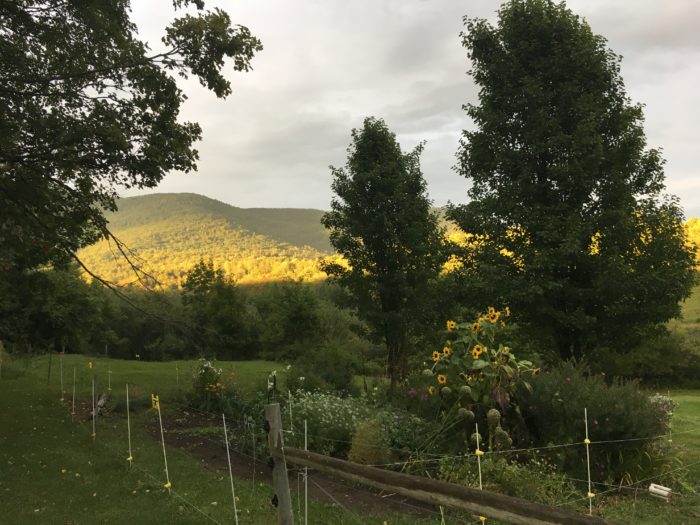
The east coast had a mild summer this year. I was happily surprised to be greeted by pleasant temperatures, low humidity, swollen lakes and rivers, and lush forests just beginning to be tinged with red and gold. The green grass was like a luxurious carpet under my feet, which carried me along, so buoyant I felt almost weightless treading the meandering paths in the summer sun. The rain, when it came, was a shower of sweetness, so delicate, warm and soft, like a delicate kiss. At dusk, the trees, bathed in gold, stood in sharp relief against dark thunderheads.

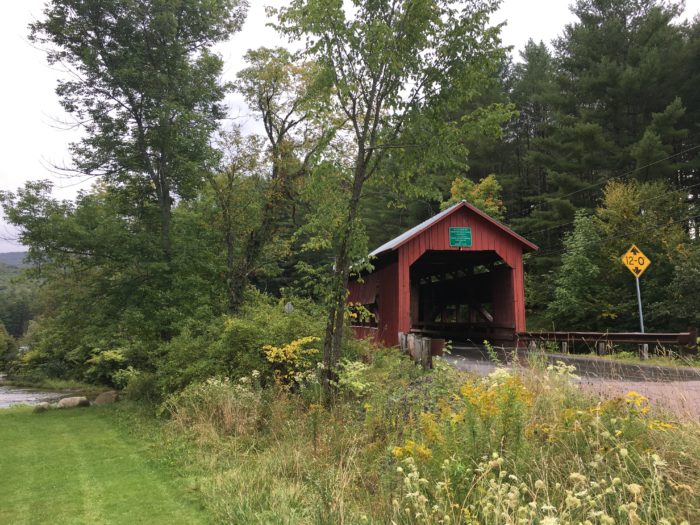
Walking by a river with my partner, we were giddily happy, smiling in childish delight at charming covered bridges, taking silly selfies by flowing waters, giggling hysterically as we were drenched by a sudden downpour while hiking to a hidden waterfall. I thought to myself, „Does it get better than this, this life?“


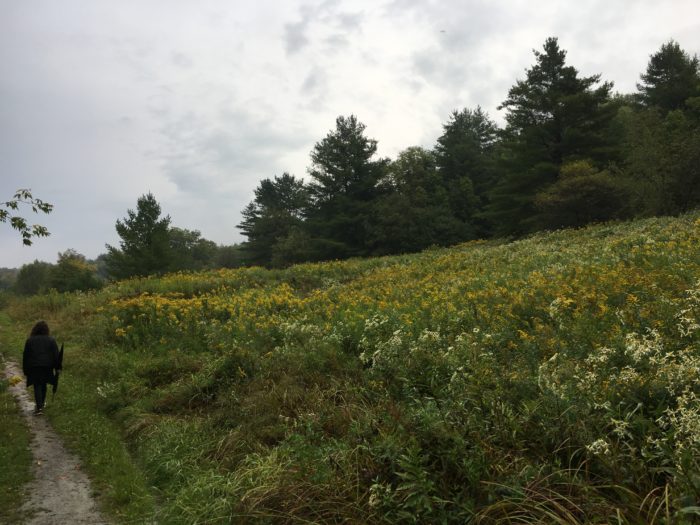
Having spent my whole life waiting to be happy, I asked myself whether this was the epiphany I had always sought—this evanescent moment with the light just right, the sun’s shimmer reflected in a solitary creek, the hills dotted with cozy farmhouses and lazy grazing cows,  fields of goldenrod glinting with raindrops, the grey sky resting against a green mountain laying across the earth like a sleeping dragon.

As we traveled, I found my reverie tempered by the circumstances of the people I met. Everywhere I went I saw adversity and resiliency, friend’s new and old struggling, some looking for meaning, some without the luxury of time to do so, simply trying to make it through another day.

My Long Island friend, whom I’ve known since college, is battling serious illness, bravely meeting each day with determination, wry humor, and a strong spiritual practice. Despite the obvious discomfort and psychic weight of his condition, we had a wonderful connection.


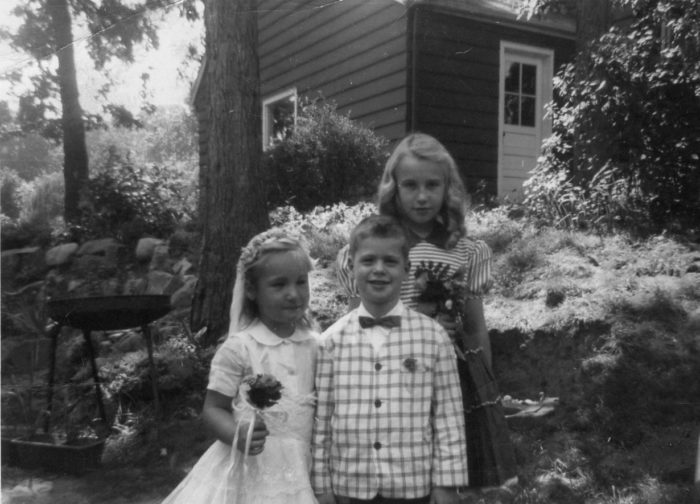
He kindly drove me to my childhood home in New Jersey, where I walked down the placid suburban streets that had once been home to the kids I played with, past the elementary school I had not seen in 47 years. There was the spot the school bully Bobby Bull (his real name) had thrown a punch that hurled me to the pavement. There were the ghosts of the girls on whom I had harbored secret crushes, the creek I had played in, the house of a childhood pal with whom I had had terrible fight that ended our friendship, and finally, the house where my first love had lived. Her name was Alice. We were both 4, when one day her dad, a botany professor, turned his shirt collar around beneath  his black jacket and solemnly married us near the rock garden, she veiled in a tiny white dress, and me looking ever so serious in my checkered suit and bow tie. There was the spot in her backyard where her dad had built us a tiny playhouse. And the chimney where I first met the fairies Alice had discovered.

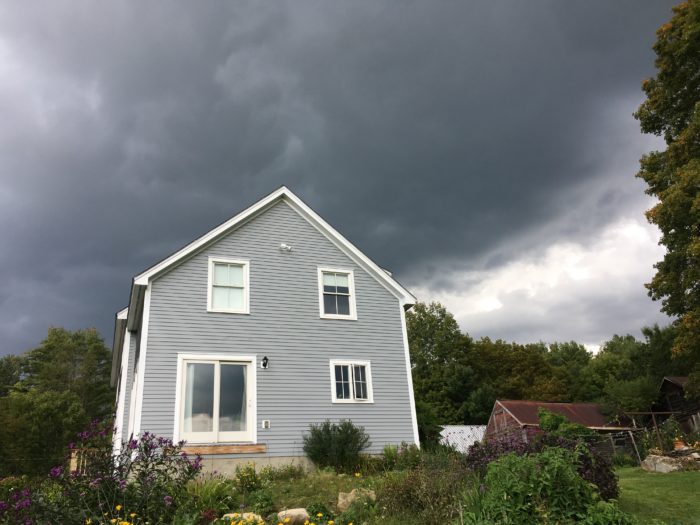
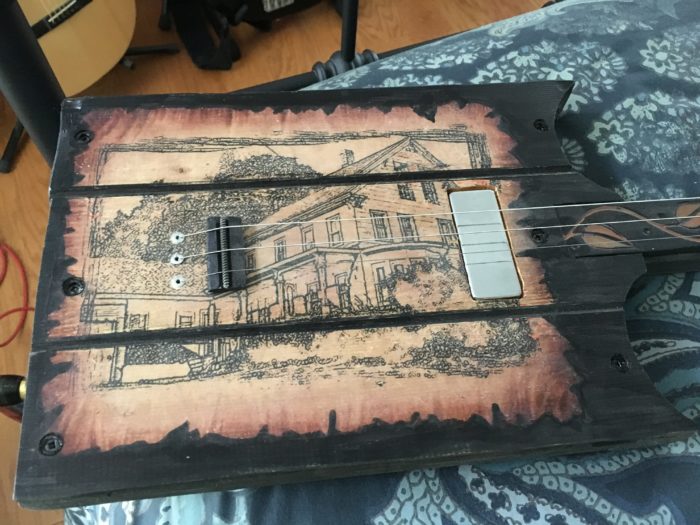
Up north, on a blueberry farm in Vermont, were two old friends brought together by fate, one a talented musician, struggling with depression, the other a retired school guidance counselor. Two years ago, their 150-year-old farmhouse burned to the ground, and they lost virtually everything. Friends came out of the woodwork, sending funds to rebuild their foundation. Precious instruments lost in the fire were miraculously replaced, some by complete strangers who mailed surprise gifts of guitars. My friends had rebuilt their house but are still in the process of rebuilding their lives.


Sitting on the plane, reflecting on my own past and absorbing the beauty, tragedy, and quiet dignity of people’s lives, I found myself playing Vince Mendoza’s Epiphany on my portable player. From the grandeur of the opening strings, this was the music I was seeking; this was balm for the soul. It is full of melancholy and sorrow, imbued with spiritual longing.

As each distinct voice came to the forefront–first John Abercrombie’s soulful opening phrase, then Michael Brecker’s powerful tenor, Kenny Wheeler’s plaintive flugelhorn horn, and John Taylor’s refined and understated piano accompaniment–it suddenly struck me: all of these great artist’s unique voices have been stilled.

There is something in knowing these artists are no longer with us that imparts even more poignancy to this stellar album, in which classical music and jazz come together in a natural marriage of orchestra and jazz sextet.

I often quip that at this stage of life, most of my heroes are either really old or dead. This unavoidable truth is made that much more apparent with the almost weekly report of the passing of yet another master.

Each of us is part of a wave; all of us witnesses to the waves of the generations before us breaking on the shore. For many of us in our 60s, we have already lost one or both of our parents, and most of us have lost friends and colleagues, some of whom have left us all too soon.


Even though we all know death is a natural part of the life process, somehow each loss feels like a shocking surprise. We’re just wired that way, perhaps for a reason: if we fully comprehended the human predicament, would we be able to manifest anything at all, create art, build cities, make a family, go about our day?

On my trip, I experienced the joy of life. But the lives of the people I met, even the autumnal landscape itself, reminded me of life’s inevitable losses. True to its title, the album gave me my own realization: the fleeting appearance and disappearance of all things makes every one of us—all our loved ones and each moment in which we miraculously reside—that much more sacred and precious. Like the grey clouds set against the illuminated green hills, our impermanence stands in stark contrast to our desire to be happy and our need to feel our lives matter. And within the mysterious web of these seemingly irreconcilable polarities, there is beauty and grace.


Manafonistas | Impressum | Kontakt | Datenschutz