Two talks with New York City musicians, combined with a lot of images from the Big Apple:
This composer turned 78 last week. And this saxophonist celebrated his 55th birthday earlier this month.
on life, music etc beyond mainstream
2020 25 Nov.
Two talks with New York City musicians, combined with a lot of images from the Big Apple:
This composer turned 78 last week. And this saxophonist celebrated his 55th birthday earlier this month.
In guter alter Engelbrecht-Tradition, my official rating of all albums by English avantgarde electronic duo Autechre:
1 Chiastic Slide (1997)*****
– sublime electronic masterpiece, underappreciated & frequently overlooked
2 Untitled Album [aka LP5] (1998)*****
– creative experiments for the future of music
3 NTS Sessions 1-4 (2018)*****
– might as well have been the conclusion of this unparalleled œvre
4 Confield (2001)*****
– departure into the duo’s second decade and a new millennium
5 EP7 (1999)*****
– usually referred to as an EP, but with 70 min. + 11 tracks it’s surely a real album
6 Tri Repetae / Anvil Vapre (1995)*****
– the classic album plus the companion mini-album
7 elseq 1-5 (2016)****1/2
– 4-hour, 5-part opus magnum of avant-garde epics
8 Amber (1994)****1/2
– subtle + atmospheric ambient techno beauty
9 Untilted (sic!, 2005)****1/2
– most challenging focus on rhythm, but of outstanding skill
10 Incunabula (1993)****1/2
– early Warp Records classic
11 Oversteps (2010)****1/2
– atmospheric ambient techno beauty 15 years later, new century, more refined
12 Exai (2013)****1/2
– missing coherence a bit (120 minutes on 2 cds), but many masterful tracks
furthermore:
Warp Tapes 89-93 (2019) ***1/2
Anti- (EP, 1994) ****1/2
EPs 1991-2002 (2011) ****
Draft 7.30 (2003) ****
Quaristice (2008) ***1/2
Quaristice.Quadrange.ep.ae (a 150-minute digital-only „EP“, 2008) **1/2
Move of Ten (2010) ****
SIGN (2020) ****
Plus (2020) ****
[…] ‘gr4’, perhaps the prettiest track here, showcases see-sawing synths that keen like a string quartet. I don’t think I’ve been struck in such an emotionally direct way by an Autechre tune since ‘Pir’ on 1999’s EP7. Both ‘th red a’ and ‘psin AM’ cycle through just a handful of held, open chords, allowing the listener to home-in on the granular complexities of these with little else getting in the way.
Of course, being Autechre, this is far from a straight-up ‘melodic ambient’ record. […] It is complex, but never busy. […] SIGN’s relative accessibility would make it a fine introduction for the uninitiated, which is more than can be said for anything they’ve released in at least twenty years. Some hardened fans looking for the next step in Autechre’s evolution might feel underwhelmed. But honestly, there’s more than enough opaque futurism on the NTS Sessions for any carbon lifeform to unpack for years to come. Instead, SIGN is a welcome detour, a diversion, and in these difficult and complicated times, a salve of sorts. It’s as close to chill-out music as the duo are ever likely to get, making it the perfect Autechre album for 2020. With SIGN, Autechre prove they are in tune with their audience, and that this is still (and will always be) human music made by humans for humans. – Charlie Frame, the Quietus
How do you feel about the album when you listen to it now?
SEAN BOOTH It’s strangely jarring. It’s sort of too real. All this Covid stuff has put me in a really different place from where I was when we were just compiling it. Back then we were saying, “This is totally right.” But now I’m wondering if it’s too right. And I’m really feeling a bit self-conscious if I’m being totally honest. It’s difficult to listen to because it’s too emotionally resonant. I was going for making something pure and new and sort of surprising, and now I’ve ended up with something that’s almost predictable. So I’m reluctant to play it too much because I feel like that place it puts me in is perhaps a little bit too cathartic.
(…)
As I understand it, your latest system allows you to use many more channels, many more layers, than your previous setup.
BOOTH But when you’re building stuff up incrementally, even though you have the ability to add lots and lots of layers, you’re reluctant to add too many. I’ve done a lot of work to disguise the amount of stuff there is in there.
BROWN Suppose you are looking at a turned acrylic vase on a lamp stand. You might see loads of different layers, but it’s been on a lathe and it’s been curved and you’ll see a silhouette, and you’ll see light travel through it. You’ll get ideas about what its construction is or what its materials are but you still see one surface, one curve.
2020 18 Okt.
ijb | Filed under: Blog | RSS 2.0 | TB | 3 Comments
Short documentary: Visiting Jan Jedlička in Prague, June 2019
(English translation of the text below in comments)
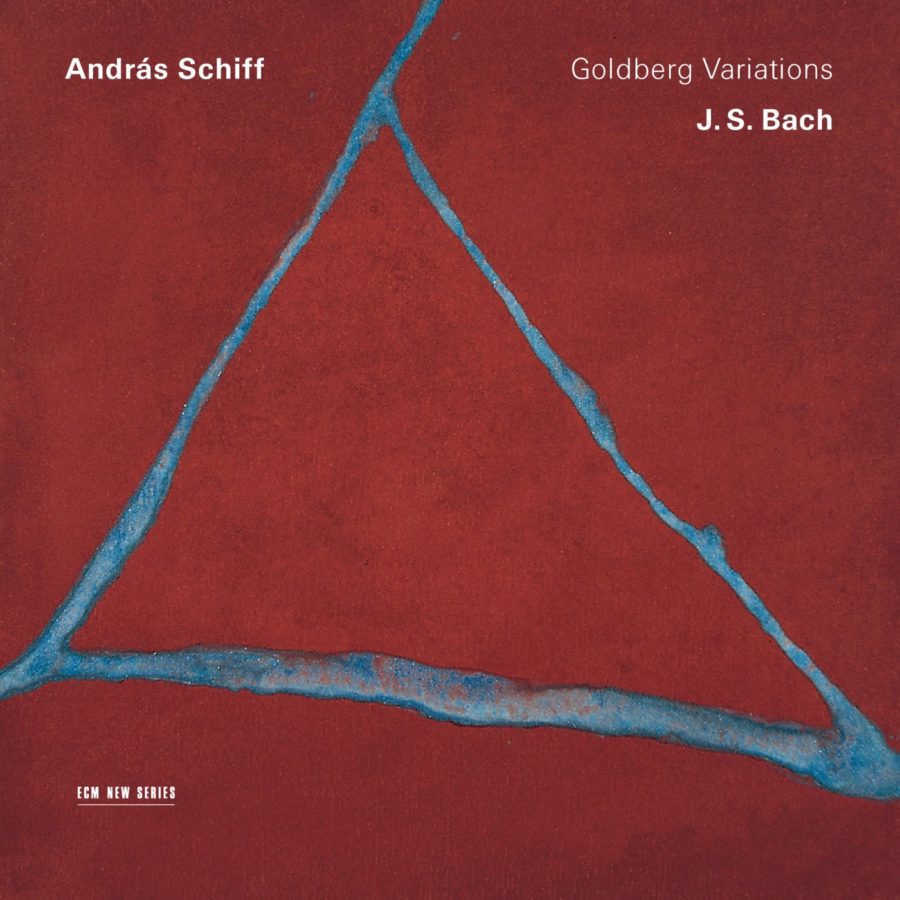
From The Green Hill von Tomasz Stańko ist eine der besonderen, typisch singulären Eicher-Produktionen: Eine einmalige, einzigartige Band kam im Rainbow Studio in Oslo zusammen, wie es sie davor und danach nicht gab. Mit dem 2018 verstorbenen polnischen Trompeter spielten der englische Baritonsax-Individualist John Surman, der argentinische Bandoneon-Meister Dino Saluzzi, die sich rar machende US-Amerikanerin Michelle Makarski an der Geige, der Schwede Anders Jormin am Bass und der ebenfalls unlängst verstorbene, allseits verehrte Schlagzeuger Jon Christensen aus Norwegen. Es war die erste CD von Stanko, die ich entdeckte, und entsprechend ist sie mir bis heute die liebste. Die Musik ist, wie ich es liebe, unklassifizierbar zwischen Genres und Stilen, kein Wunder bei dieser Besetzung. Zu einer ähnlichen Zeit entdeckte ich John Surman auch auf Anouar Brahems Thimar, und so sind diese beiden CDs vielleicht die in meiner Musikbiografie wichtigsten ECM-Alben der 1990er geworden.


Immer hatte ich mich gefragt, was auf dem Cover von From The Green Hill zu sehen ist. Offenkundig ist es kein normales Foto – wenn man genau hinsieht, kann man auf dem CD-Cover die Schlieren von altem VHS erkennen. Ich habe mich immer an diesem Bild gerieben, weil ich nicht der größte Fan davon bin, Filmstills von VHS auf CD-Cover zu verwenden. Auch konnte ich mich nie entscheiden, ob ich es eine gute oder eine alberne Idee finde, den grünen Hügel des Albumtitels im Motiv widergespiegelt zu sehen. Andererseits ist das Motiv genauso singulär wie das gesamte Album, und das quasi in der Zeit eingefrorene Feuer und der dazugehörige Rauch ist in jedem Fall eigenwillig.
Da Jan Jedlička über die Jahre noch für eine ganze Reihe anderer einzigartiger und eindrücklicher ECM-Covermotive verantwortlich zeichnet, unter anderem meinem persönlichen Piano-Solo-Lieblingsalbum, Der Bote von Alexei Lubimov, hatte ich immer die Idee, den tschechischen Künstler irgendwann einmal zu besuchen und ihn zu seiner Arbeit zu befragen. Dies sagte ich auch vor Jahren Manfred Eicher, der ein solches Portrait ebenfalls als eine gute Idee bezeichnete, und bei einem meiner Besuche in Gräfelfing tatsächlich direkt mal mit Jan Jedlička telefonierte und ihm das sagte. Es verging noch ein wenig Zeit; die Idee der 50 Kurzfilmportraits reifte, wurde gemeinsam besprochen und bei einem späteren Besuch am selben Ort mit grünem Licht bekräftigt.
Und so machte ich vor rund eineinhalb Jahren gemeinsam mit meiner Frau, selbst bildende Künstlerin, einen Wochenendausflug nach Prag, um Jan Jedlička in seinem dortigen Atelier zu besuchen. Zur selben Zeit war bereits ein tschechisches Team damit beschäftigt, einen längeren Dokumentarfilm über den Künstler zu drehen; sie hatten ihn in seiner Züricher und seiner italienischen Residenz in der Maremma besucht und gefilmt, und aus irgendeinem Grund hatten sie auch die Idee, mich beim Filmen zu filmen. Dies führte zu einer etwas unguten Filmsituation für mich, weil die drei Tschechen entgegen der Absprache nicht nur „kurz“ mit anwesend war, sondern fast den gesamten Zeitraum, so dass ich einigen Aufwand mit dem Bereinigen meiner Tonaufnahmen (lauter Holzboden … geräuschhaft mit Equipment agierende Techniker) hatte und hin und wieder auch den tschechischen Tonmann in meinem Bild hatte.
Der Schnitt zog sich bis letzte Woche immer wieder in Etappen hin, da ich die Interviewpassagen mit mühsam millimetergenau schnitt und auch visuell einige verschiedene Vorgehensweisen ausprobierte, bevor ich zu dem vorliegenden Endergebnis kam. Ursprünglich hatte ich den Plan, zu Jedličkas 75. den Film fertig zu haben; nun ist es ein Jahr später geworden. Aber ich denke, das Ergebnis ist sehr schön. Natürlich ist der Aufhänger Tomasz Stańkos From The Green Hill, aber man erfährt auch einiges andere mehr.
Sehr knapp, aber gerade noch rechtzeitig: Hier mein kleines Geburtstagsständchen zum 80. von Steve Swallow.
Das Video ist der zweite Teil des Gesprächs, das ich vor einem Jahr im Haus von Steve und Carla im kleinen Örtchen Willow, rund eine Viertelstunde außerhalb von Woodstock, aufgenommen habe.

Mit gut 25 Minuten ist es ein wenig länger ausgefallen, dafür aber ist es nicht nur sehr informativ, sondern vor allem auch sehr unterhaltsam. Letztlich ist es eine Auswahl unterhaltsamer Erinnerungen und Reflexionen rund um das klassische „ECM Touchstones“- Album von 1975, Dreams So Real – Music of Carla Bley.
Die verschiedenen Kapitel behandeln u.a. die Beziehung zwischen dem WATT-Label und ECM, die Entstehung von Dreams So Real“ und warum Carla das Album nicht mochte, wie Gary Burton und andere Jazzmusiker ihre Kompositionen spielten, und wie Steve über das Verhältnis von Jazzmusiker/innen und -komponist/innen denkt, aber auch Erinnerungen an die allerste Begegnung zwischen Carla und Steve, 1954(!) in einem Jazzclub New York. Steve spricht recht viel über Carla als Komponistin, was dann auch im dritten Teil des Interviews noch eingehender behandelt werden wird.
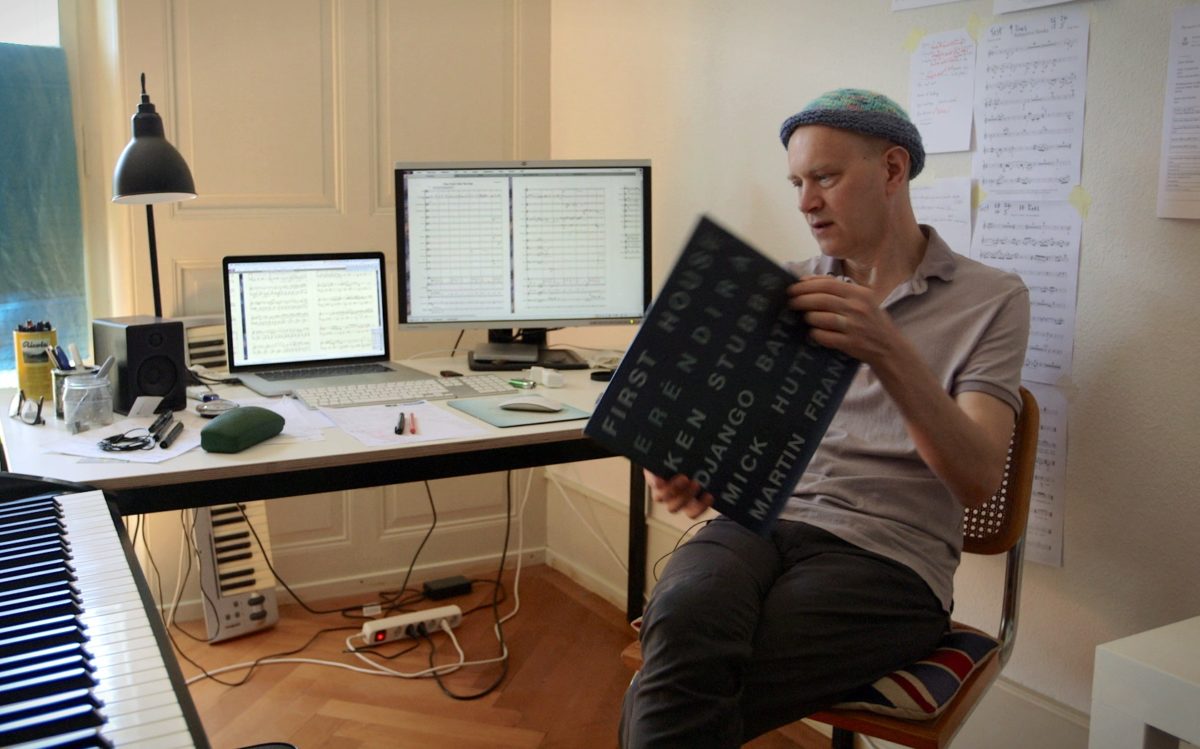
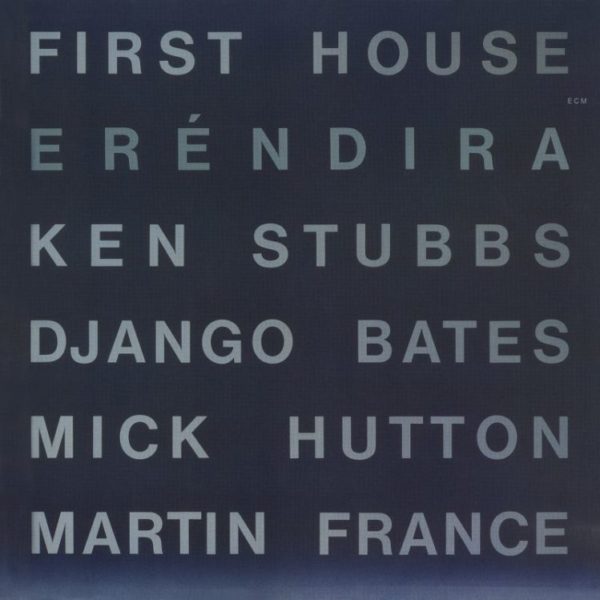
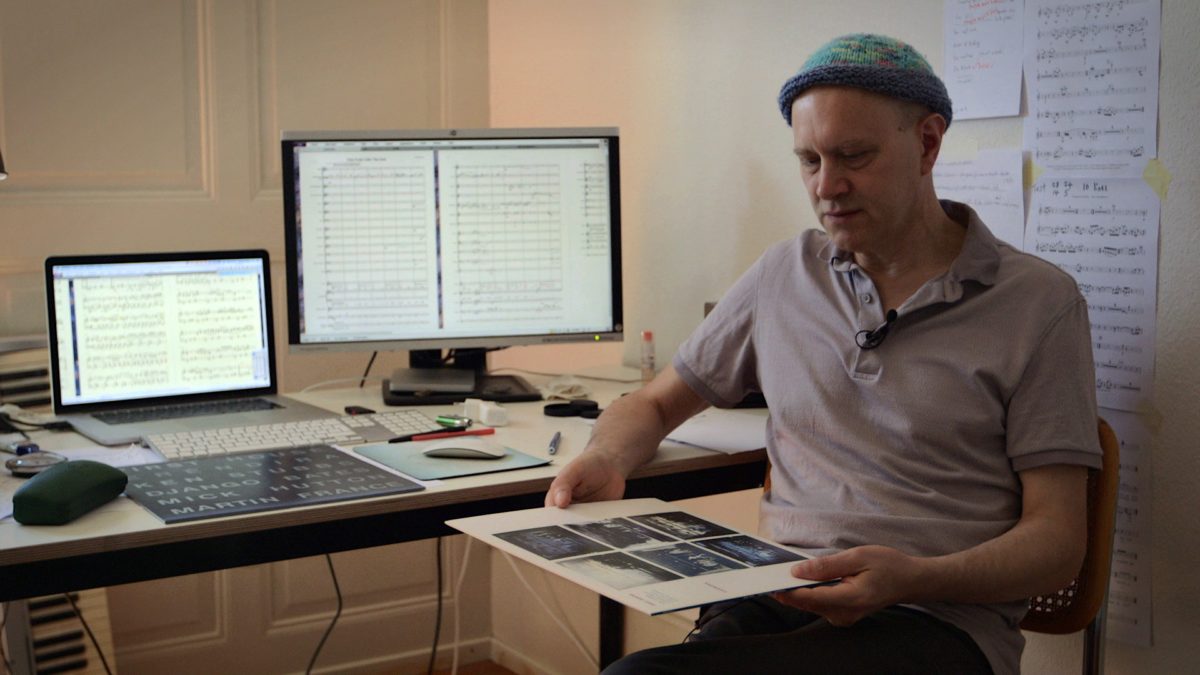
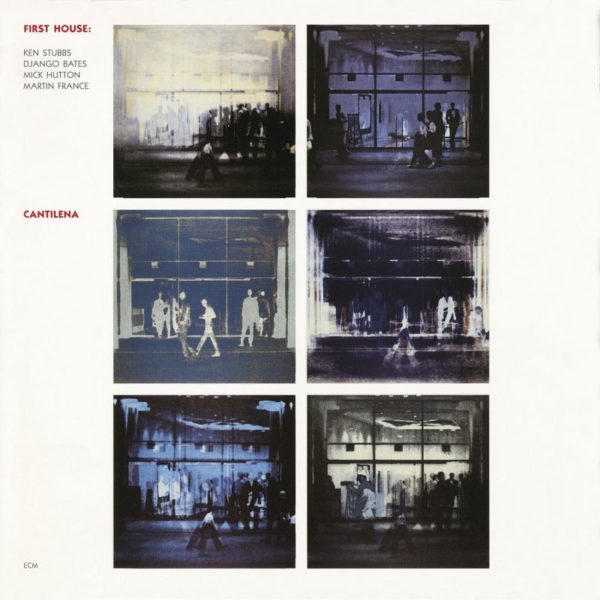
Zum heutigen 60. Geburtstag von Django Bates habe ich dieses Interview mit ihm fertig editiert (knapp 15 aus insgesamt rund 70 Minuten Interview). Über länger als ein Jahr hinweg habe ich versucht, ein Treffen mit ihm organisiert zu bekommen; erst in der Corona-Zeit hat es schließlich geklappt. Er lebt seit einigen Jahren in Bern, und das passte dann gut mit einer meiner Schweiz-Ausflüge zusammen, zumal ein sehr guter Freund von mir ebenfalls (seit 14 Jahren) in Bern lebt. Django selbst meint, seine First-House-Zeiten seien nicht besonders wesentlich in seinem Schaffen, aber seine Erinnerungen sind durchaus schön zu sehen und hören. Leider kann ich Ken Stubbs nicht so einfach treffen und interviewen – es sei denn, mir sponsort jemand einen Trip nach Australien. Andererseits ist Django auch der einzige des Quartetts First House, der nach diesen Alben noch eine Beziehung zu ECM weitergeführt hat. Passagen aus dem Gespräch, die über die Zusammenarbeit mit Sidsel Endresen berichten, habe ich aus Fokussierungsgründen außen vor gelassen, werde aber versuchen, davon etwas in meinem demnächst anstehenden Sidsel-Interview/Portrait einzusetzen.
Shortfilm directed by Jack Hazan
Jack Hazan caused two of the bigger splashes in 1970s independent British filmmaking. Groundbreaking both technically and conceptually, his portraits of David Hockney (A Bigger Splash, 1974) and The Clash (Rude Boy, co-d. David Mingay, 1980) fused documentary and fictional elements in a way that was highly controversial at the time – not least as far as their often uncooperative subjects were concerned. However, in retrospect they clearly anticipate the post-2000 rise of celebrity driven ‚reality‘ projects, whose content often proved anything but real.
Despite making two unusually high-profile features for an independent British filmmaker, Hazan’s directing career then stalled: his third feature, the little-seen Comic Act, set among London’s stand-up comedy underground, would not emerge until 1998. In the meantime, he made pop promos (outstanding examples being Dexys Midnight Runners‘ ‚This Is What She’s Like‘ and ‚Knowledge of Beauty‘ in 1985) while continuing to work as a cinematographer, most notably on commercials in the US. (source: Michael Brooke, BFI)
2020 7 Sep.
ijb | Filed under: Blog | RSS 2.0 | TB | 28 Comments
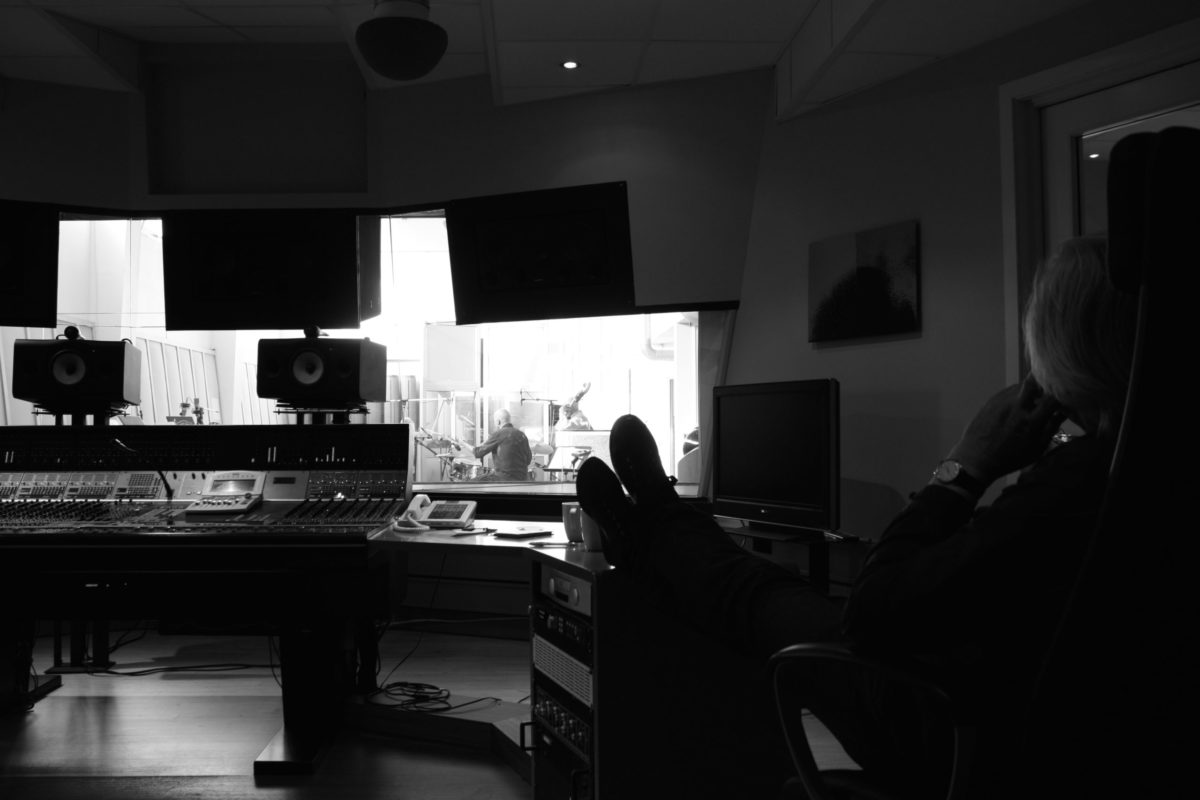
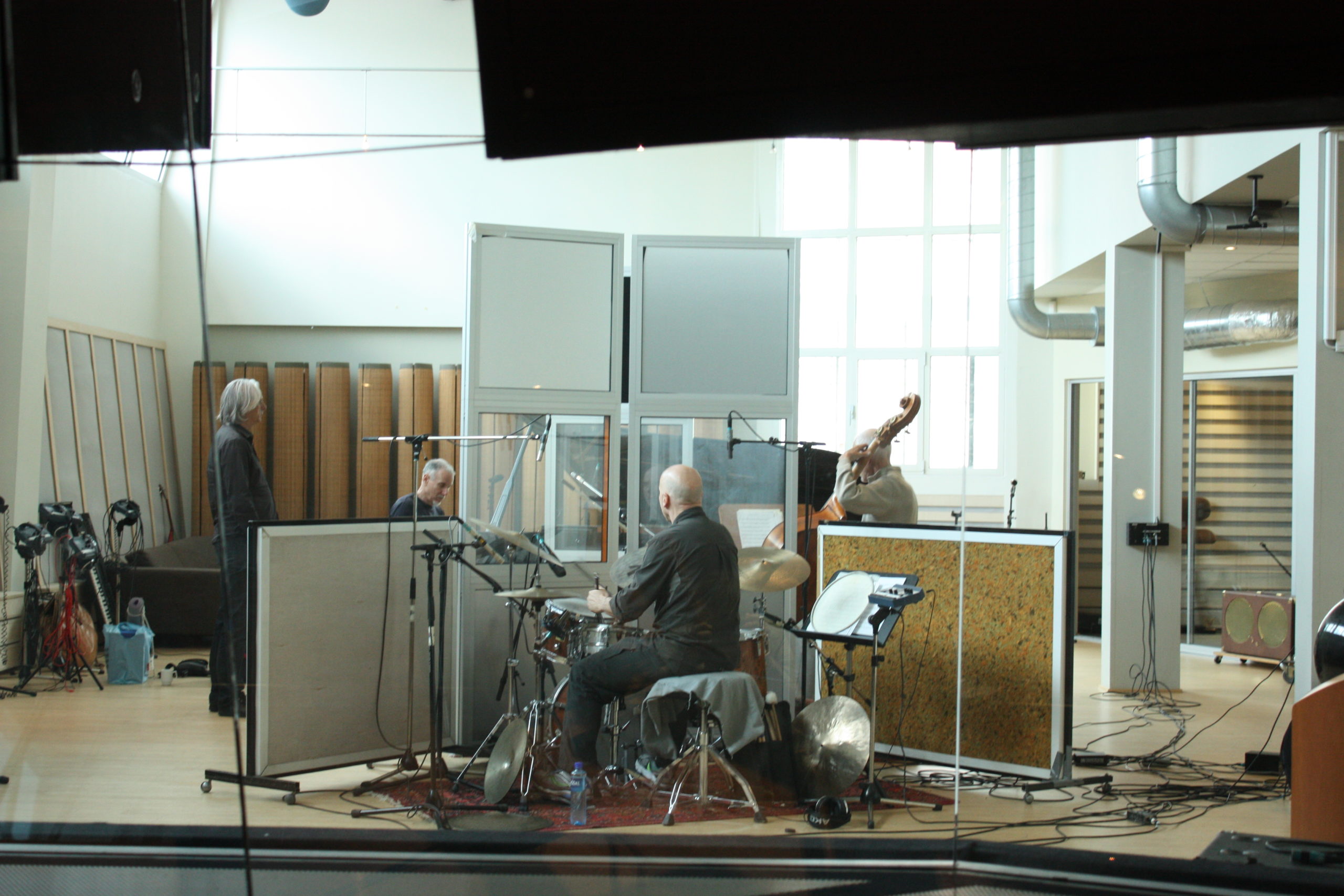
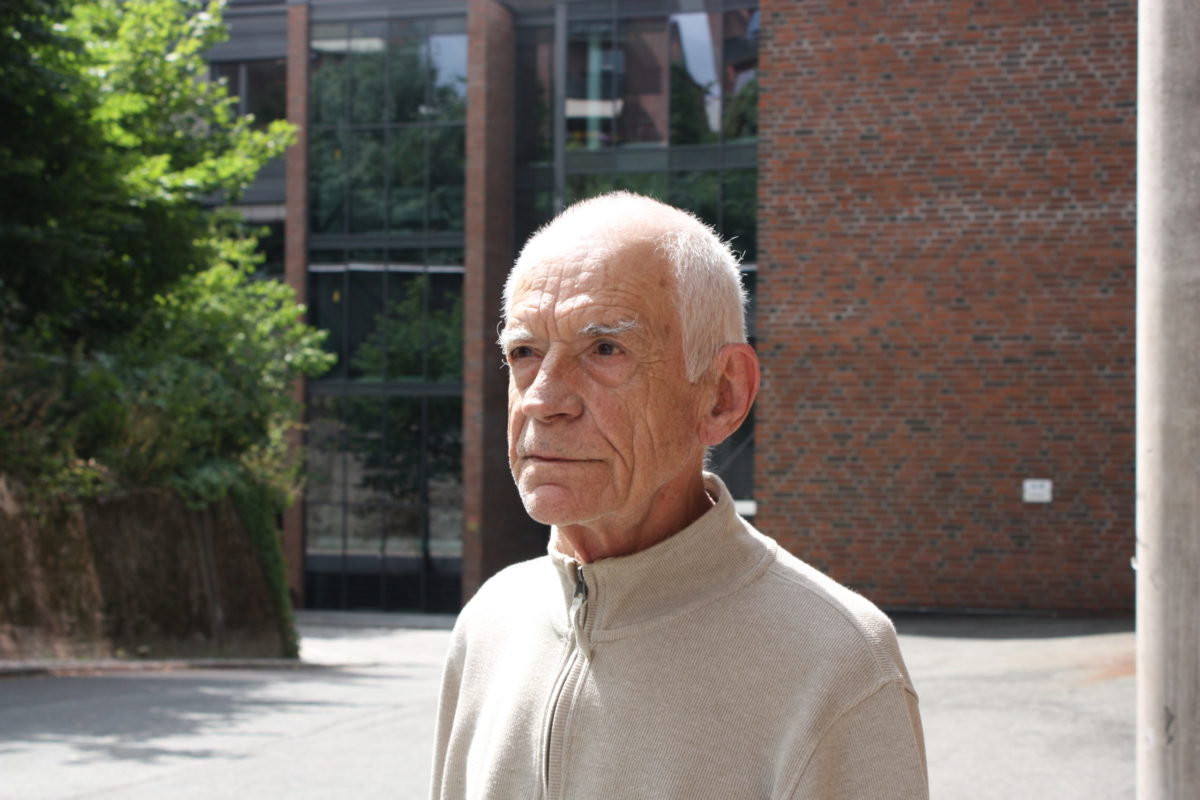
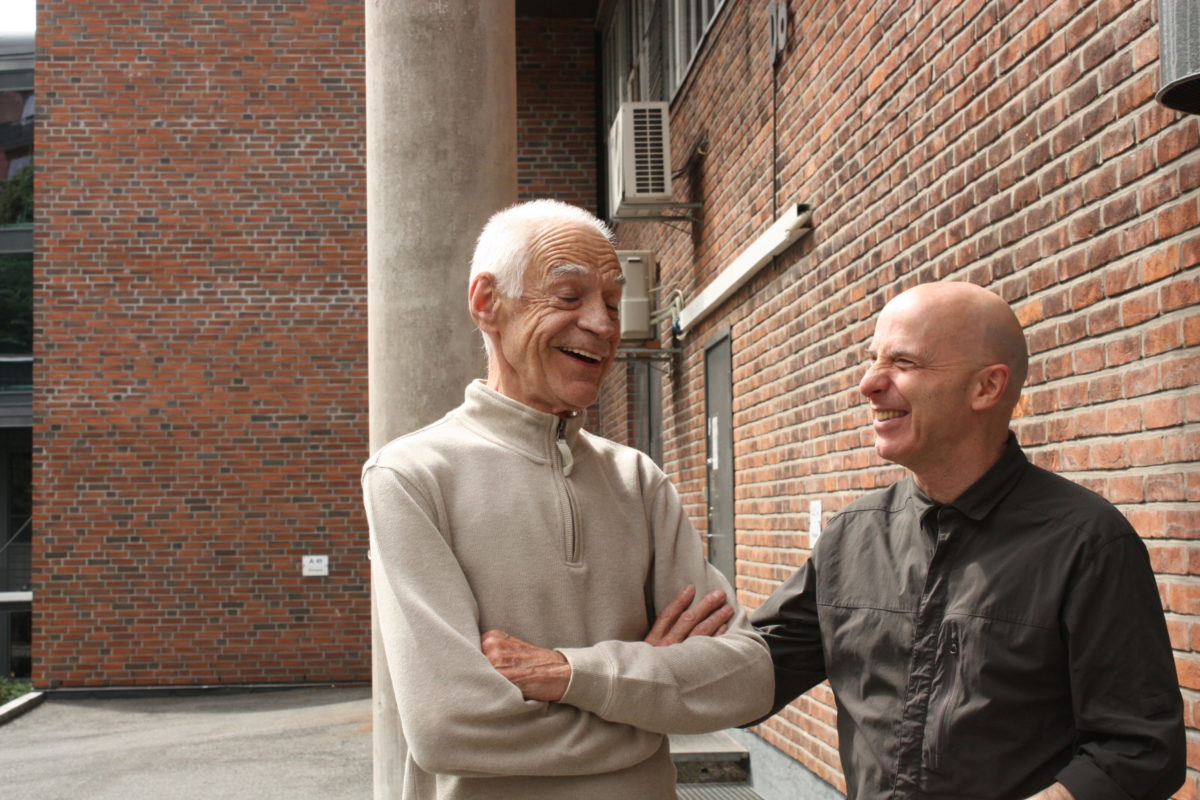
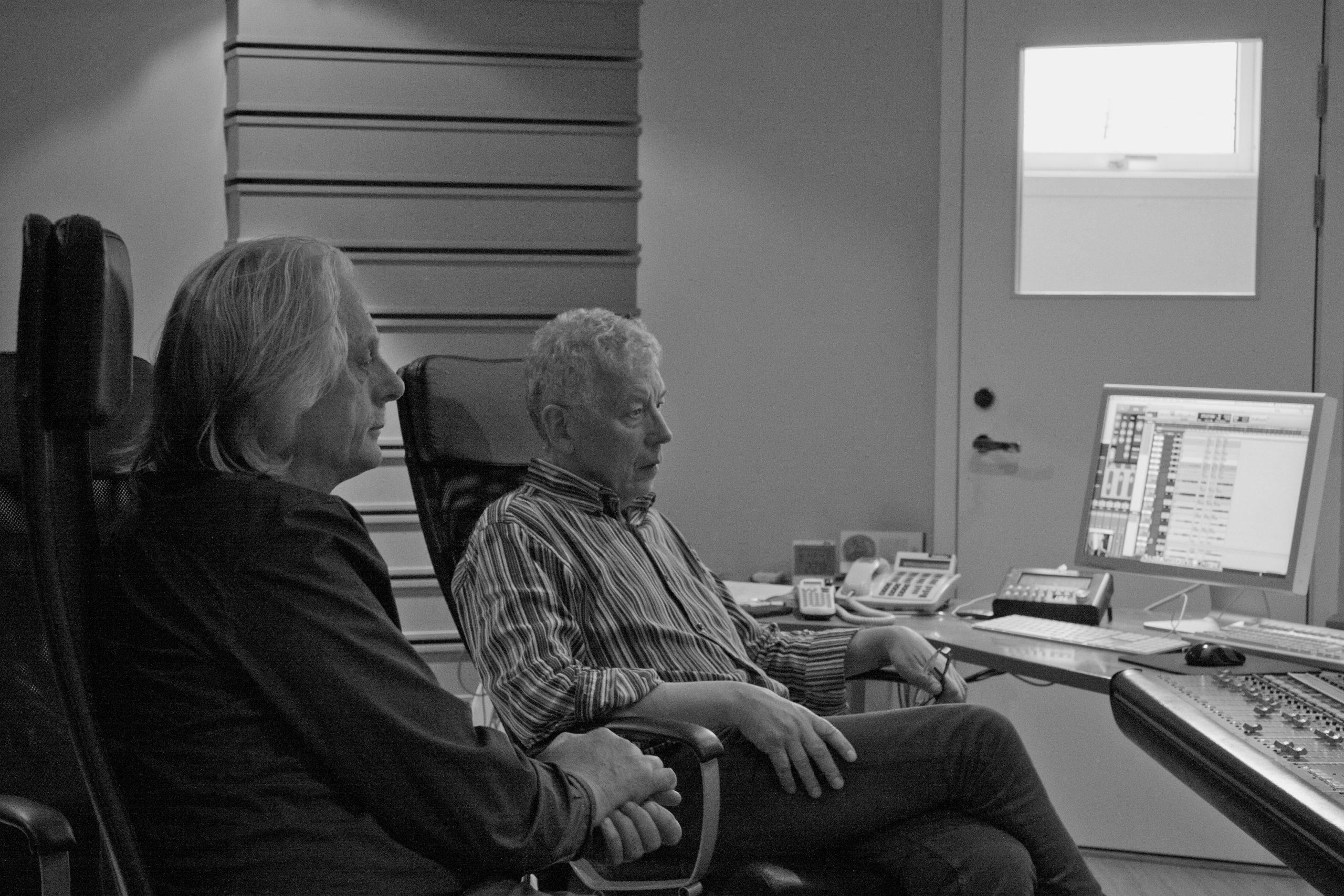
Vor gut fünf Jahren erschien zum 80. Geburtstag von Gary Peacock das Album Now This mit Marc Copland und Joey Baron. Ich hatte die einmalige Chance, den Aufnahmen mit Jan Erik Kongshaug und Manfred Eicher in Oslo beiwohnen zu dürfen. Nachvollziehbarer Weise ist es für mich seither stets eine ganz persönliche Sache, das Album zu hören, und ich liebe besonders die späten Einspielungen der Stücke Gaia und Moor, die Peacock schon Jahrzehnte lang begleitet hatten. Im letzten September unternahm ich die Anstrengung, einen gemeinsamen Wiedersehenstermin zu finden, um mit den Musikern über die Aufnahmen und über ihr Selbstverständnis als Künstler zu sprechen. Am Ende fand das Treffen an eben jenem Tag statt, an dem ich (vormittags) auch Steve Swallow und Carla Bley besuchte, die nur rund 20 Minuten in nördlicher Richtung entfernt leben, ein paar Kilometer westlich von Woodstock. Marc kam eigens zu diesem Treffen aus Brooklyn angefahren (zweieinhalb bis drei Stunden Fahrtzeit), und ich verbrachte zwei Stunden mit den beiden nahe dem Ashokan Reservoir in dem Dörfchen Olivebridge (zu Olive gehörend) im Staate New York, das sicherlich kaum jemand einmal aus Versehen passiert. Ein paar Eindrücke von diesem Ort und aus dem Gespräch habe ich in diesem kleinen Gesprächs-Kurzdokumentarfilm zusammengestellt, den ich im Mai – mit ein paar bislang unveröffentlichten Fotos aus dem Rainbow Studio in Oslo im Juli 2014 – zu Garys 85. Geburtstag teilte. Als kleine Hommage auch eine Aufnahme mit dem zwischenzeitlich verstorbenen Tonmeister.
Als ich Gary das fertig montierte Gespräch zu seinem Geburtstag im Mai schickte, wusste ich bereits, dass er nicht mehr spielen und touren würde; schon zu meinem Besuch hatte er seinen Bass seit rund neun Monaten nicht mehr angefasst, und im Frühjahr 2019 hatte er sich einer schweren Operation unterziehen müssen, infolge der er sich nicht mehr von seinem Haus fortbewegen konnte. Er hörte zwar bereits ziemlich schlecht (was in unserem Gespräch gelegentlich dazu führte, dass er etwas ganz anderes antworte, als ich gefragt hatte), das war bereits in Oslo im Sommer 2014 offenkundig gewesen. Er hatte aber an einem Buch geschrieben, das zumindest im Herbst 2019 noch nicht ganz abgeschlossen war.
Ein paar Tage später ergänzte ich dieses Gespräch übrigens noch um dieses „Outtake“, in dem Gary und Marc sich speziell zu Manfred Eicher und ECM äußerten. Das hatte in dem eigentlichen Kurzfilmchen (Episode 2015) keinen Platz gefunden.
Das letzte, was Gary mir im Mai, als Antwort auf meine Geburtstagsmail schrieb, war: „Whatever has a beginning has an end.“
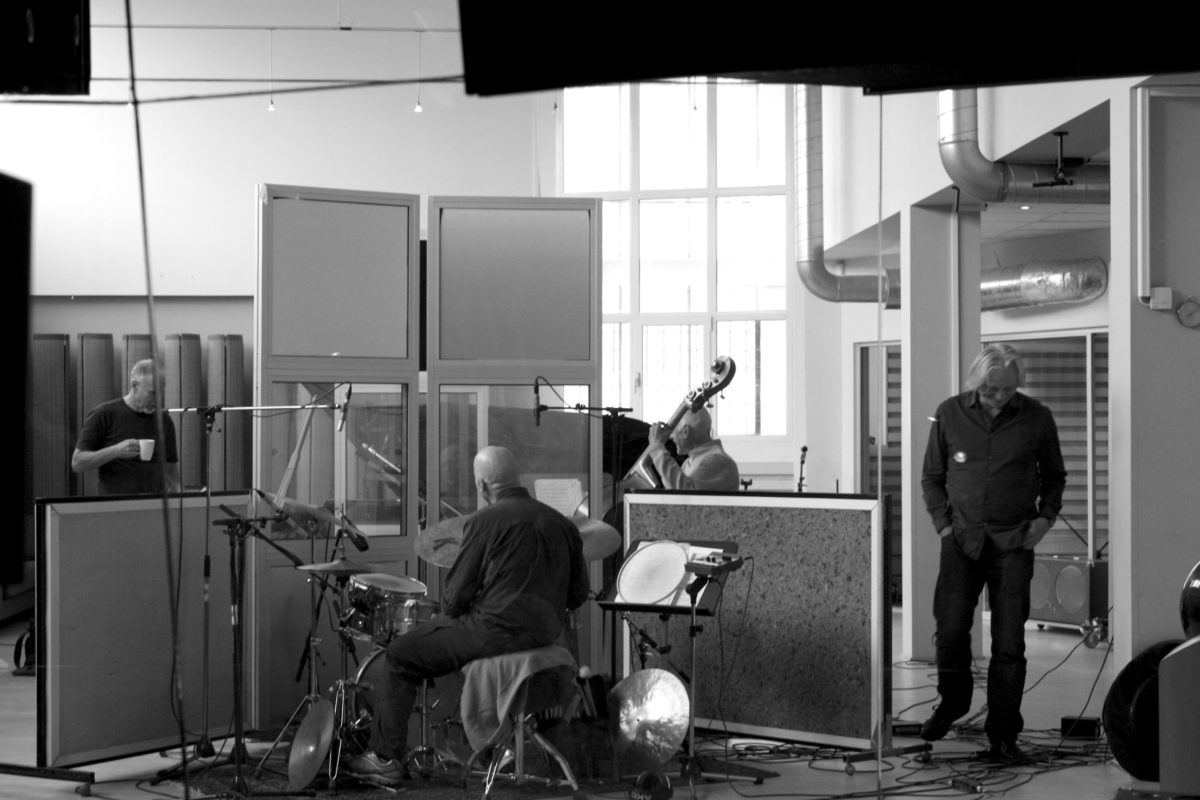

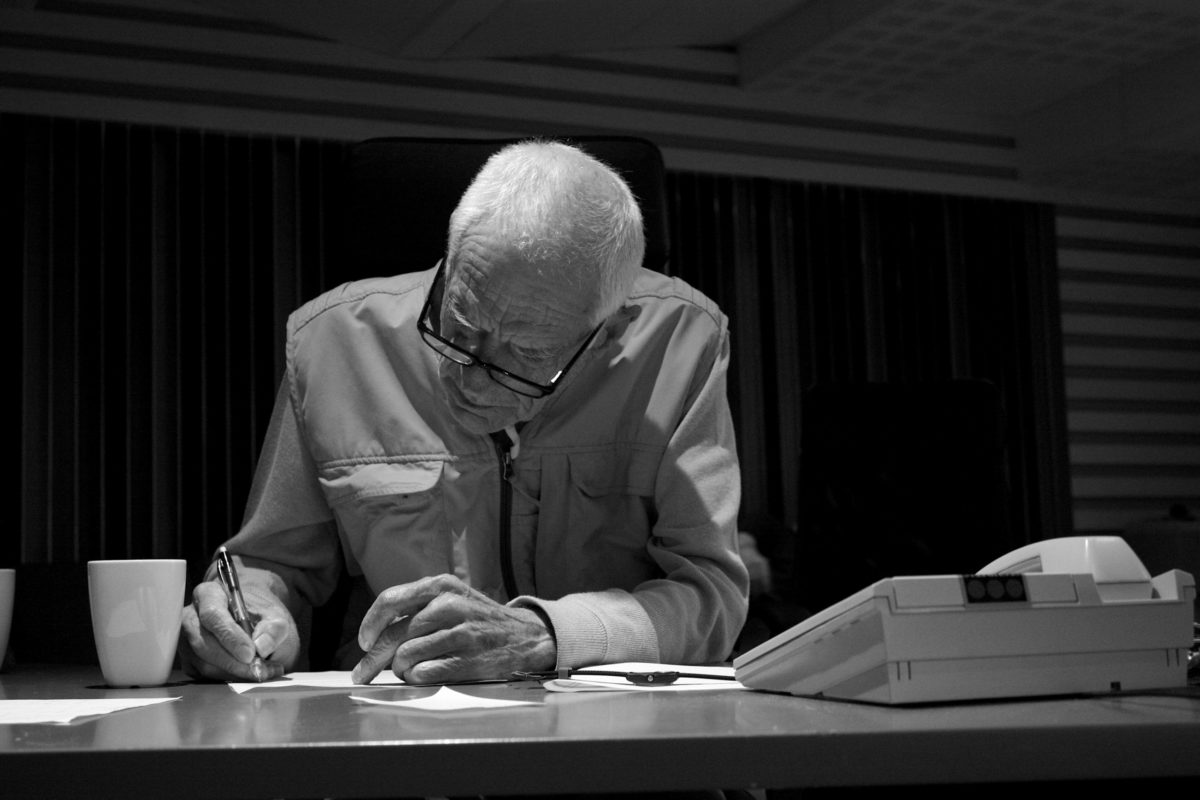
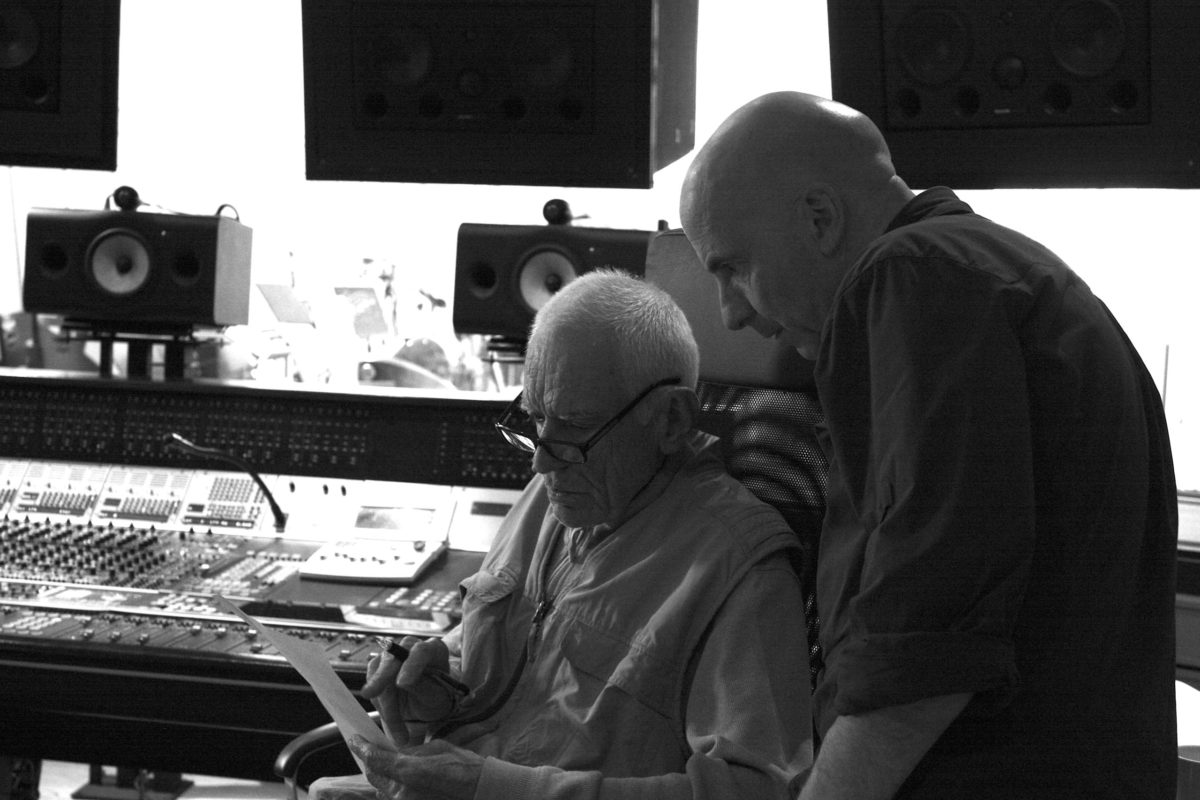
Meine bereits gebuchte, knapp zweimonatige Nordamerikareise (in Kombination drei verschiedener Film- bzw. Buchprojekte plus angehängter (Klein-)Familienreiserei) musste aus bekannten Gründen leider ausfallen, und auch die Hoffnung auf eine verkürzte, spätere Ersatzreise im August oder September blieb aufgrund der wankelhaften Lage in den Vereinigten Staaten leider unrealisiert. Als eine Teil-Ersatzreise bin ich nun im hohen Norden unterwegs. Zum einen wollte ich, sobald Norwegen die Grenze wieder öffnet, meine aus dem März (bzw. genau genommen schon aus dem letzten Jahr) aufgeschobenen Besuche bei u.a. John Surman und Sidsel Endresen nachholen, und zum anderen Recherchen und Kontakte für ein anderes Filmprojekt, das bereits seit mehreren Jahren im Drehbuchstadium verweilt, etwas anschieben — durch Ausweitung verschiedener Kontakte. Und als Ausweichmanöver für die geplante Filmerei in Nordkanada für das Dokumentarfilmprojekt (We’re all going to die – a film about social collapse) eines Freundes bin ich nun in Nordnorwegen und Svalbard gelandet.
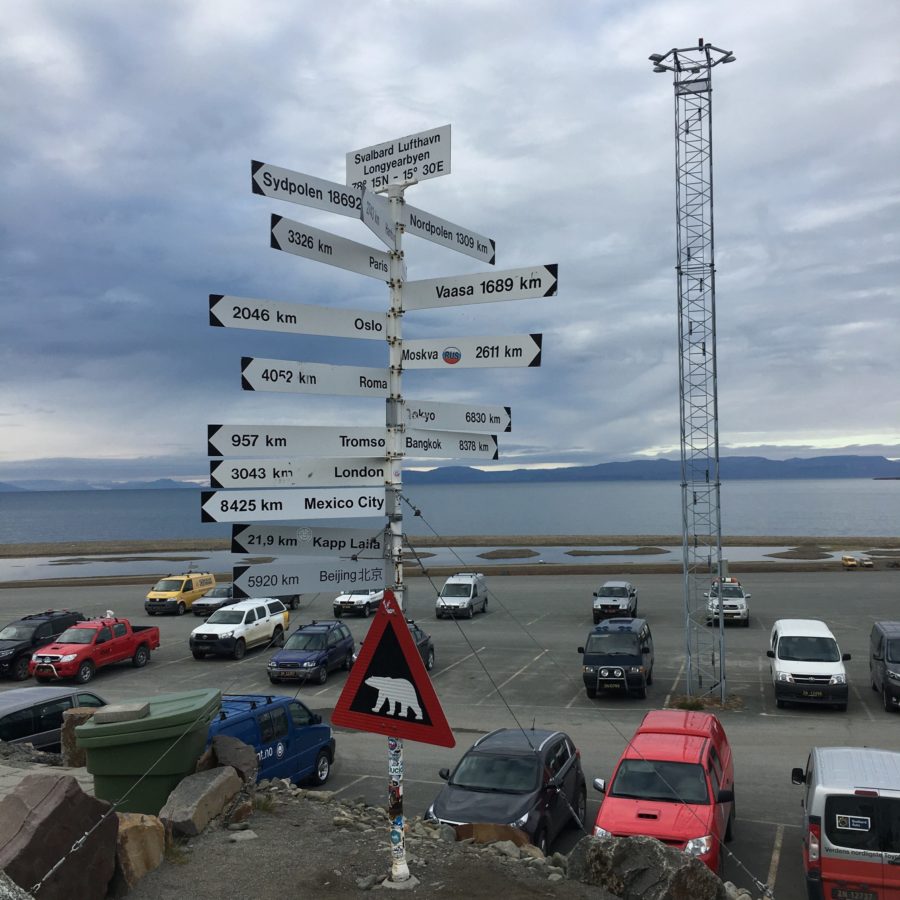
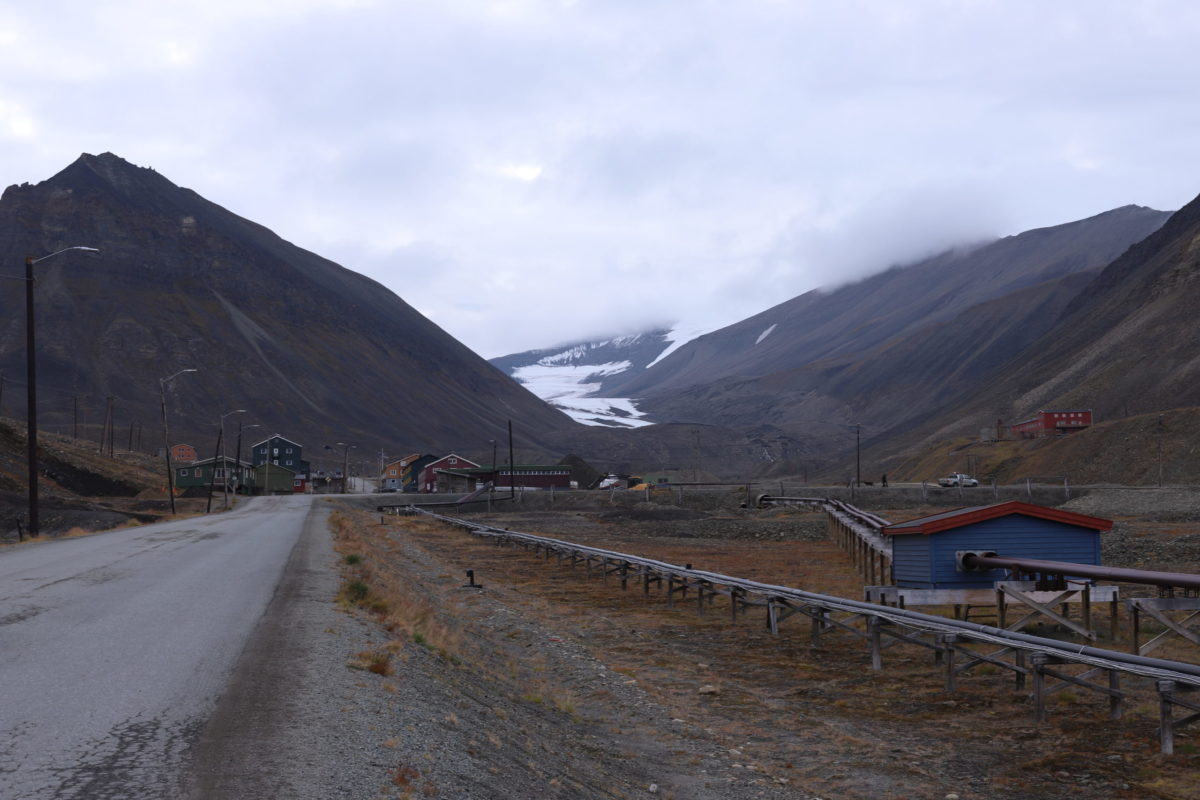
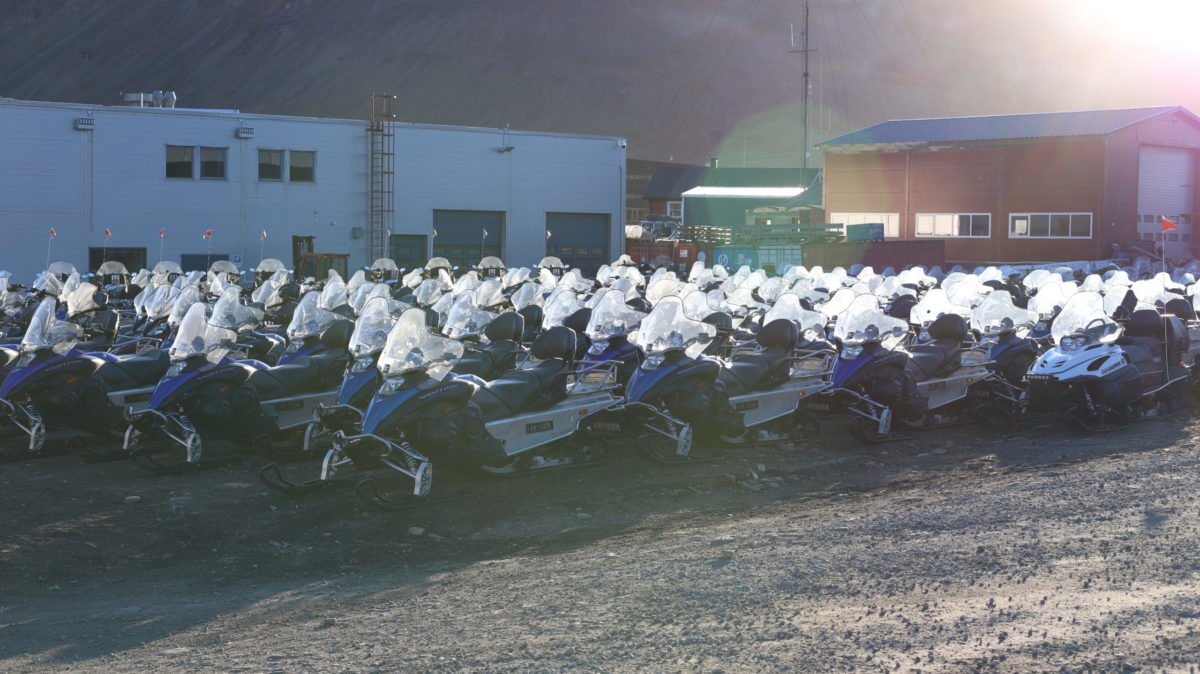
Longyearbyen auf Spitzbergen in Svalbard ist die weltweit nördlichste (Klein-)Stadt bzw. Siedlung (von einzelnen Forschungsstationen abgesehen) bzw. der nördlichste Ort, den man auf normalem Reiseweg erreichen kann. Die Inselgruppe Svalbard liegt auf halber Strecke zwischen dem Nordkapp und dem Nordpol, zu dem es von hier nur noch ca. 1200 km sind. Ich bin gerade noch in den letzten Tagen des Polarsommers hier angekommen, gestern verschwand die Sonne zum ersten Mal seit über vier Monaten kurz hinter dem Horizont — aber es ist dennoch rund um die Uhr taghell. Die Tageszeiten werden sich jetzt rasant verschieben, denn schon Anfang Oktober wird die Sonne bis in den Februar hinein nicht mehr über den Horizont kommen. Zum Glück herrscht in diesen Tagen freier Himmel, was zwar zu kalten Temperaturen führt (allerdings auch nicht kälter als man es aus einem beliebigen November oder Februar in Berlin kennt), aber die Gelegenheit für einige schöne Aufnahmen bietet.
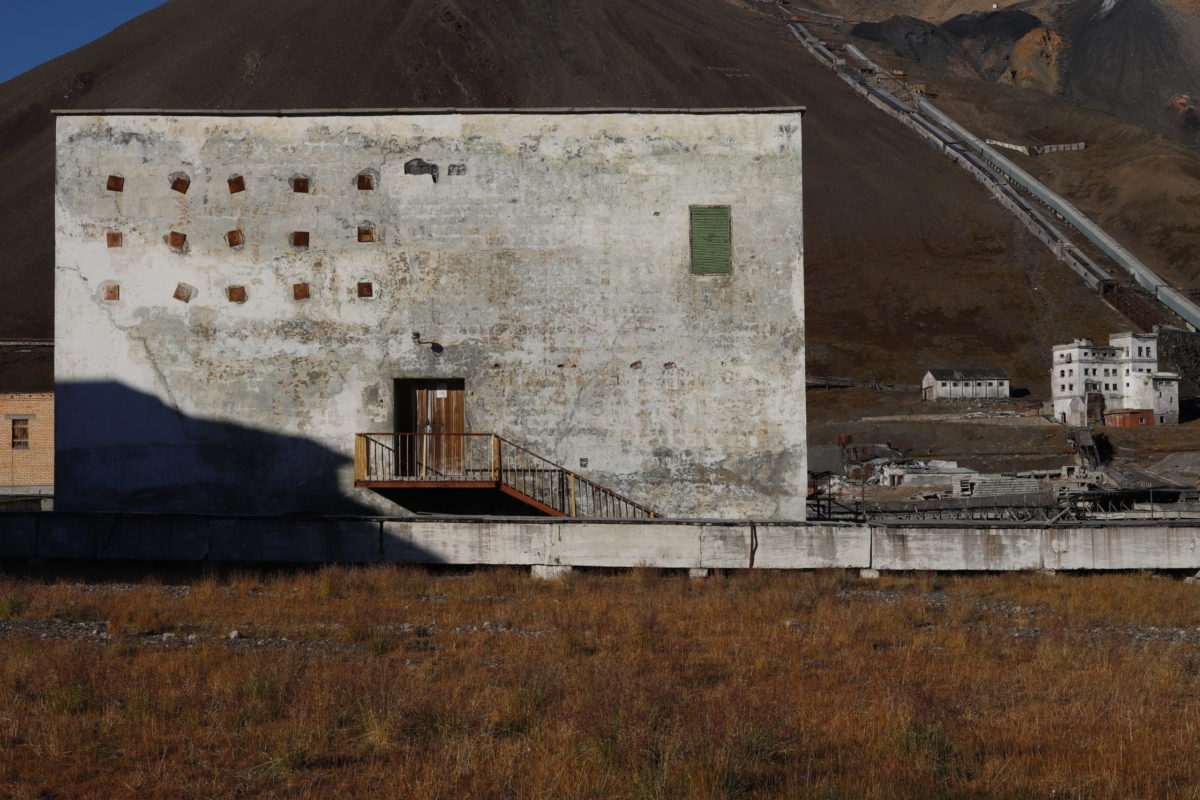
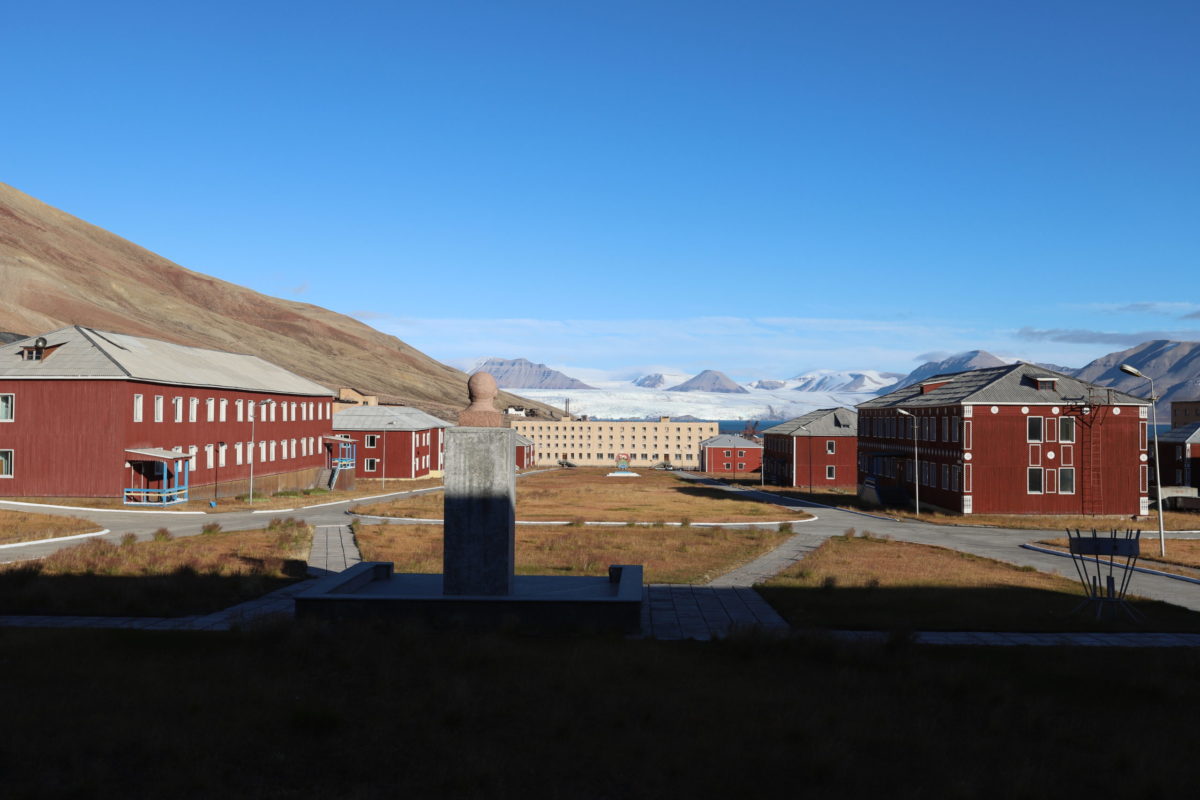

Svalbard ist allerdings ein recht seltsamer Ort, zwar offiziell Norwegen zugeordnet, aber relativ frei, was die Wohn- und Aufenthaltsgenehmigungen für Menschen aus anderen Ländern betrifft. Es gibt allerdings kein Krankenhaus, daher sind die Einreisebedingungen derzeit sehr streng (Stichwort „rote Länder“). Steuern bleiben im Land, werden nicht an Norwegen weitergeleitet. Nur gut 2000 Menschen leben hier, und die paar Siedlungen wurden Anfang des 20. Jahrhunderts vorwiegend von russischen und norwegischen Kohleabbaufirmen aufgebaut. Manche Orte und die meisten Kohleminen wurden längst verlassen; eine Mine ist noch übrig bzw. in Betrieb, vor allem, um den Energiebedarf vor Ort zu bedienen — und für deutsche Industrien. Ästhetisch wirkt in der mehr oder weniger einzigen (Klein-)Stadt Longyearbyen alles etwas provisorisch; es gibt nur wenige Straßen, und die Infrastruktur verläuft aufgrund des Permafrosts überirdisch. An den Berghängen sind überall ehemalige Minen- und Transportanlagen, einige seit vielen Jahrzehnten am Verfallen — und viel Geröll. Aufgrund der hohen Lawinengefahr (Folge des Klimawandels) dürfen einige Häuser nicht mehr bewohnt werden, viele sind bereits abgerissen (oder eingerissen durch Absinken in den tauenden Boden); dafür werden stetig neue Häuser errichtet, die wiederum auch eine gewisse provisorische Ästhetik haben. Außerhalb der Ortsgrenzen darf man sich wegen der potenziellen Eisbärbegegungen nur mit Gewehr fortbewegen (zu Fuß allerdings, da es keine Straßen gibt, und die Schneemobile nur im Winter bzw. Schnee fahren können), und seit Tagen kommen tatsächlich auch immer wieder Bären aus den Bergen herunter und suchen in Hütten (auf der gegenüberliegenden Seite des Fjords) nach Nahrung — durch die klimatischen Veränderungen finden sie bekanntlich nicht mehr viel zu fressen. Ein Hubschrauber kreist immer herum, wenn jemand einen Bären gesichtet hat; teils werden die Bären dann an entlegenere Orte auf der Insel abtransportiert.


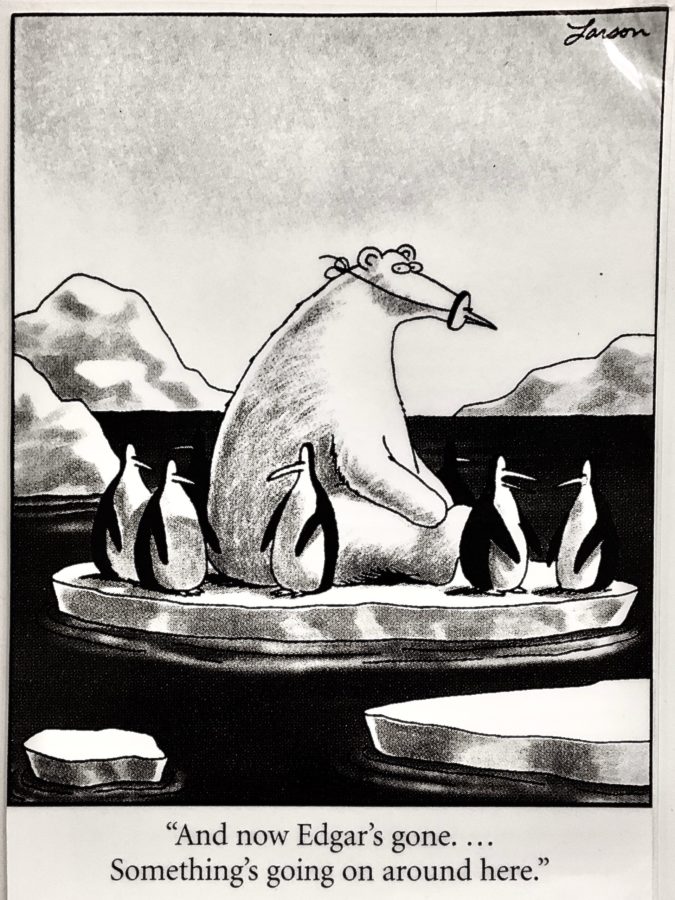
Aufgrund vieler Umstände ist Svalbard derzeit einer der am massivsten von klimatischen Veränderungen betroffenen Orte der Welt. Allerdings muss man vielleicht auch festhalten, dass es für Menschen eigentlich gar keinen richtigen Grund (mehr) gibt, hier überhaupt zu weilen. 40% der Menschen arbeiteten mittlerweile im Tourismus, aber seit März lag der fast komplett brach. (Andere, die nicht in der Kohleindustrie arbeiten, arbeiten in der Forschung oder in der Satellitenübertragungstechnik.) Jetzt werden wieder ein paar Ausflüge angeboten, aber die weniger gewordenen Flugzeugverbindungen sind doch weitgehend leer.
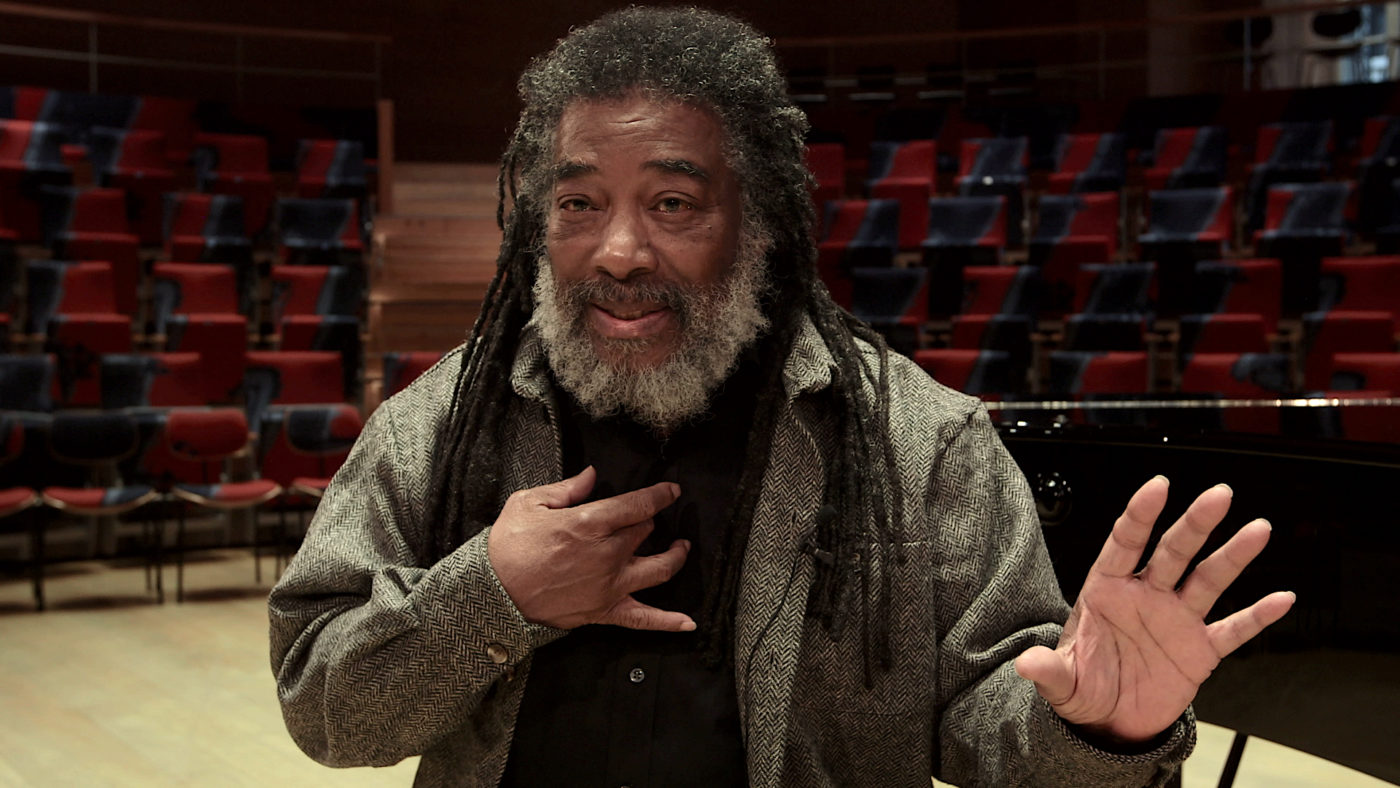
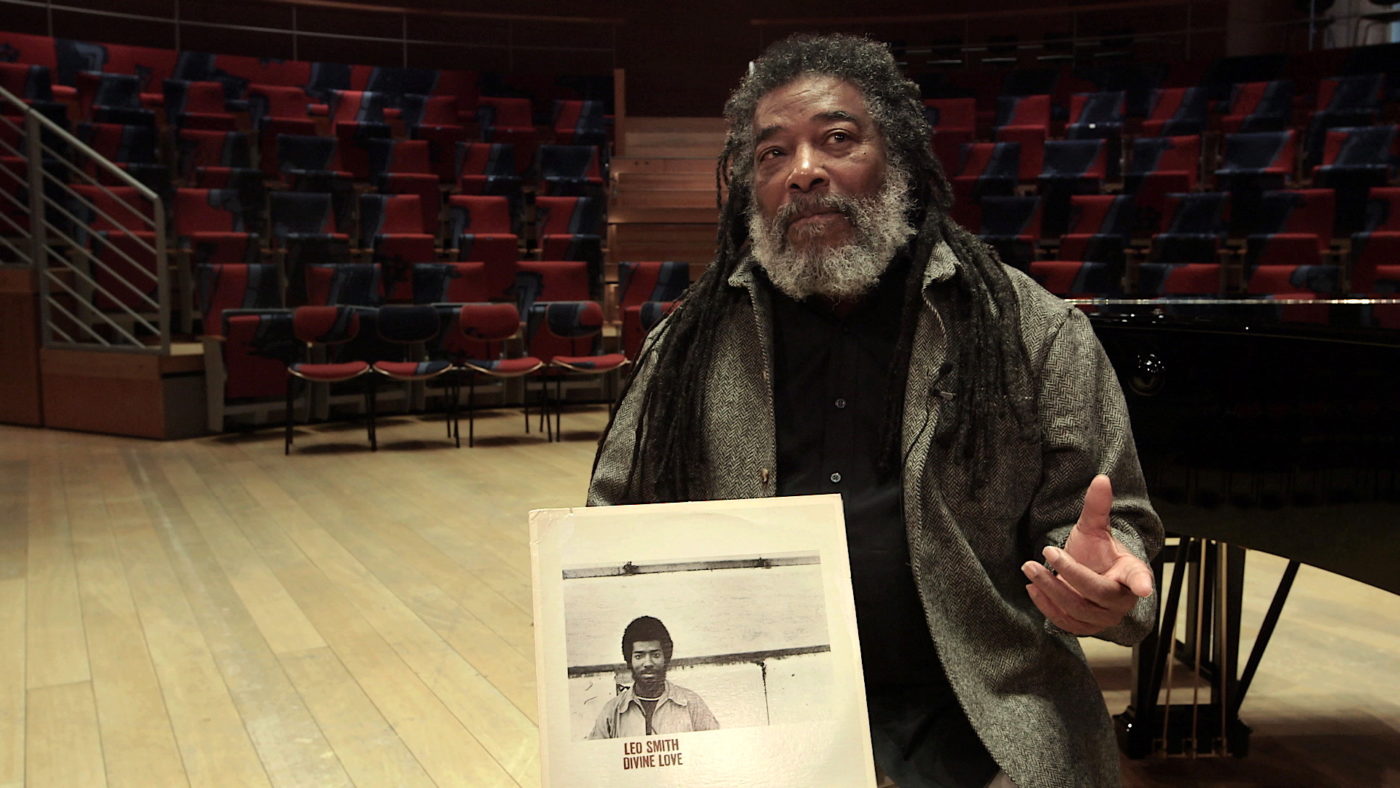
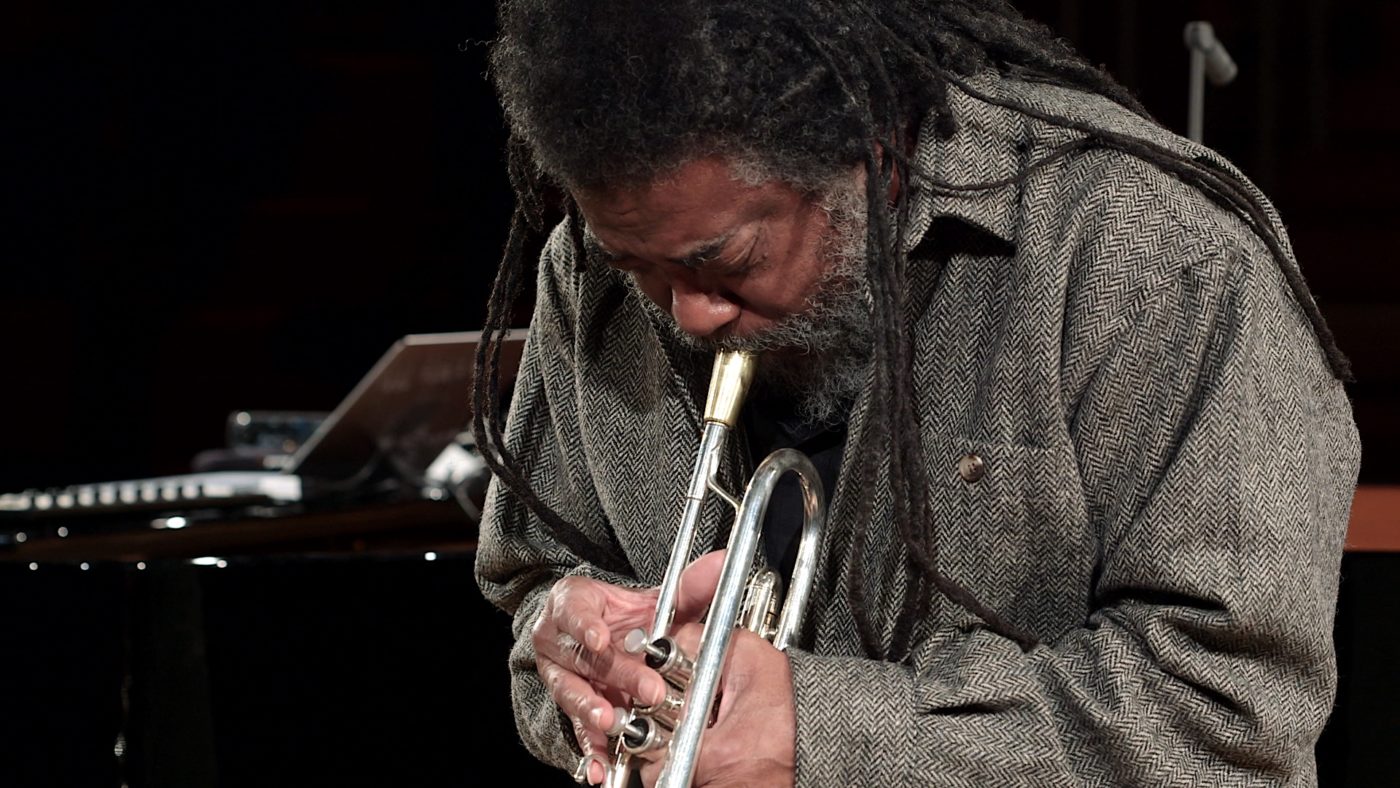
During these tumultuous times for people of color, in particular in America, I have been pondering about how we can show some support. As my encounter with Wadada Leo Smith and talking with him about his views as an artist was very affirming and inspiring, I am hoping that with this short film I can contribute a little bit and pass on some of his inspiring ideas.
It was a huge pleasure for me to spend a day with him in Berlin last November. He’s one of the truly great composers and performers, and I felt honored to have recorded an extensive conversation with him, of which this short film presents some of my highlights. He talks about recording with and for ECM (obviously), but also about what being an artist means to him (one of my favorite topics in many of my films).
Watch the short documentary on Vimeo or on YouTube.
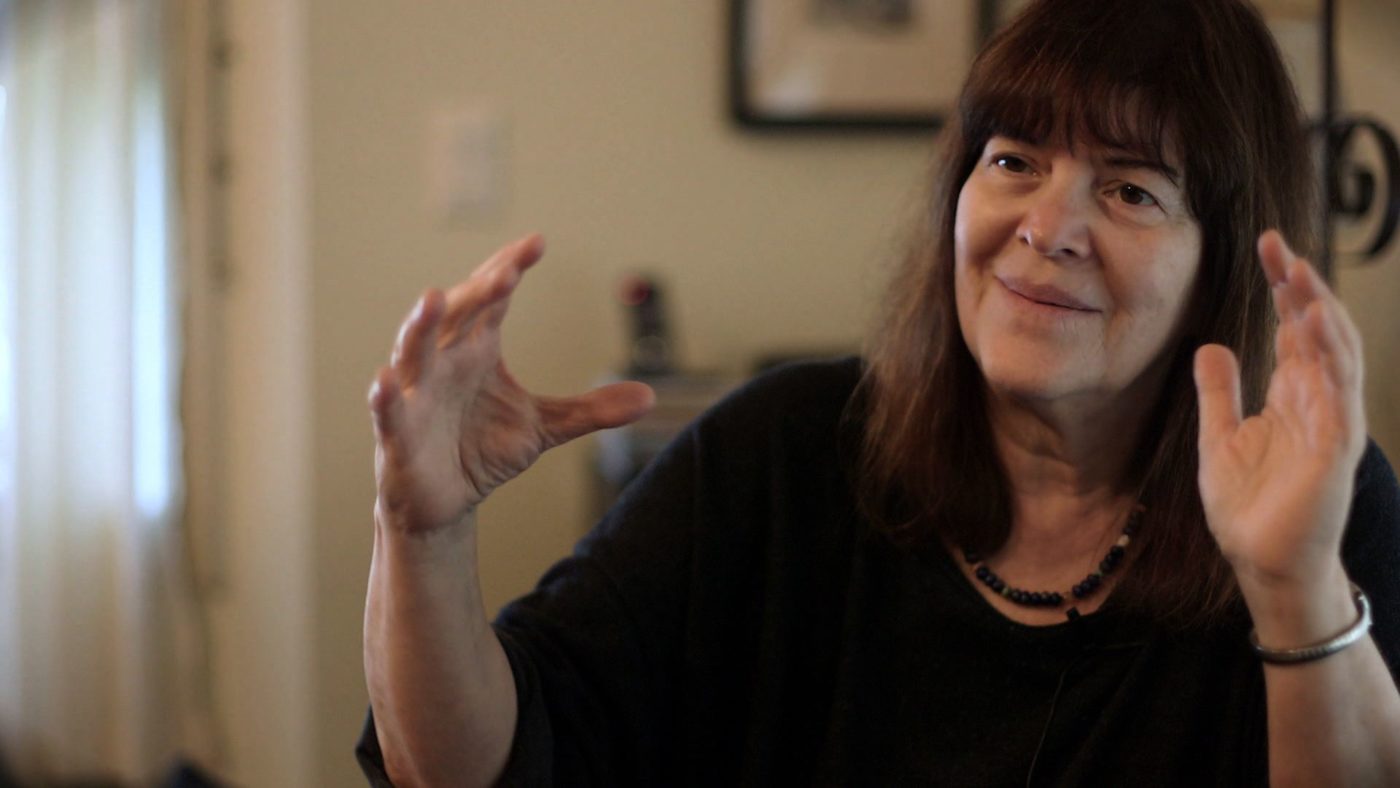
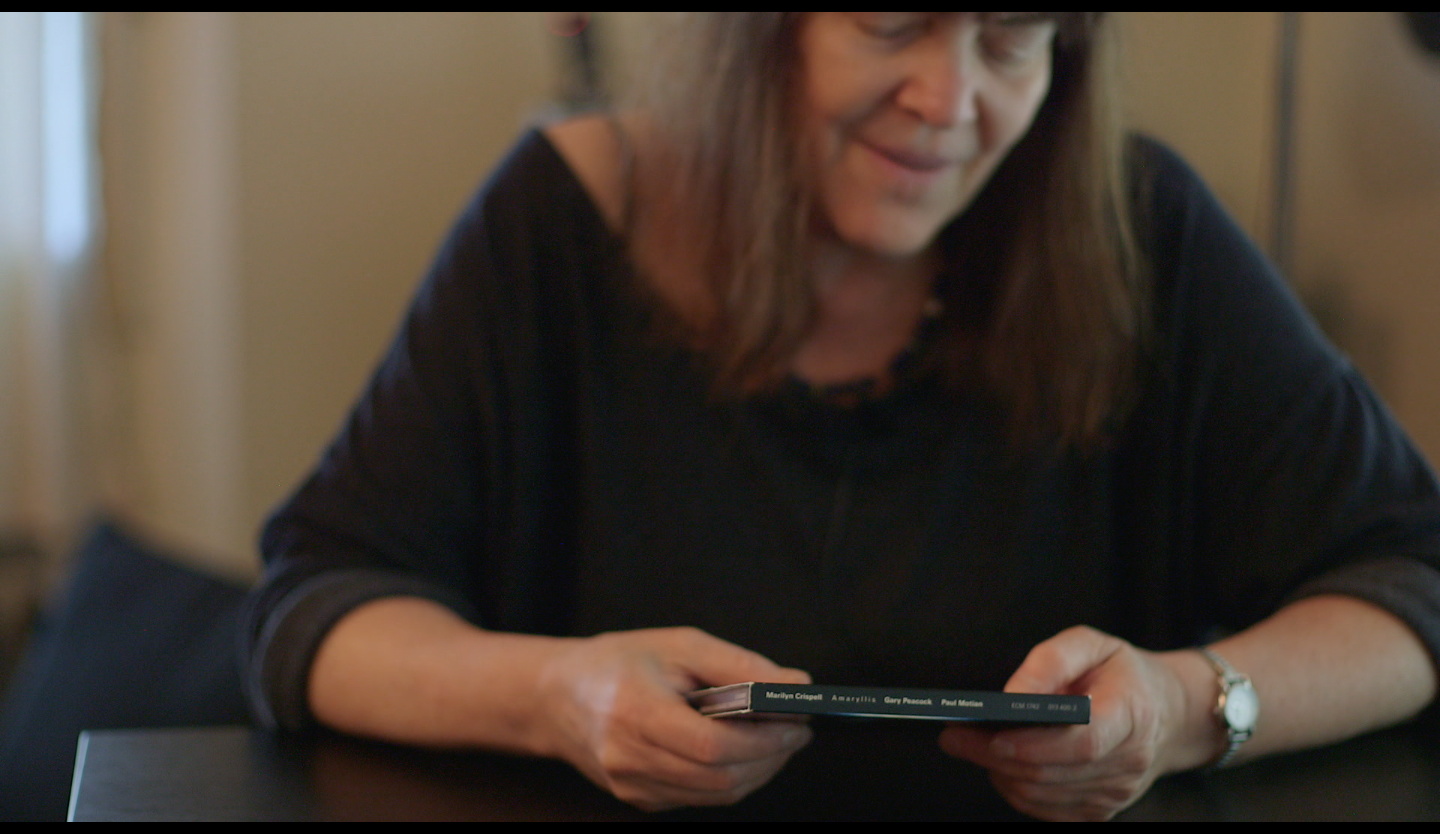
Also, a couple of weeks ago, I edited this kind of different short film about Marilyn Crispell, filmed during an afternoon in and around Woodstock.
2020 24 Mai
ijb | Filed under: Blog | RSS 2.0 | TB | Tags: ijb interview series | Comments off
As you know, I’ve written about several RareNoise album releases over the last couple of years. And it’s actually kind of surprising now to find someone like you on the label, isn’t it? How did your album end up there with RareNoiseRecords?
When I was trying to find a label for this record, I looked at a lot of jazz labels and I thought this is not really a typical jazz record, it’s just not going to fit. I kind of had the feeling it won’t fit anywhere. Then I stumbled across RareNoise by accident. I read about what they go for, and I thought, “This is it! This is the label!“ They go for styles of music that don’t really fit anywhere. And then I was very happy when Giacomo [Bruzzo, head of the label] said he really loves it. He’s great to work with, very reliable, positive, and respectful.
So the album was already finished then.
Yes. That was one year ago. I finished the mix on my birthday last year. That was my deadline. And then I thought, “okay, now I can celebrate!“. I went with my gut feeling on this album for every decision, and I’m very happy about how it turned out.
Their description fits with what you do—although the name RareNoise addresses something else.
Totally. I know. This album is really not representative of “noise“ music, but I quite like the label’s name, although it might be a bit misleading for my music. I see the label name as meaning more ‚rare sound‘ which I feel better describes my album. I was not originally familiar with many of the bands on the label, probably because I’m not somebody who checks out a lot of music in general. I always listen to the same stuff over and over.
Such as?
Johnny Cash. Ligeti—but just this one piece on the piano, Fanfares, it’s just fantastic. David Bowie—Ziggy Stardust is my favourite. Some Fado music … It’s very selective. There’s a lot I can’t hear, because it’s too painful—because it’s so beautiful. I spoke with a friend about it because I wondered, “why am I not listening to all these beautiful albums?“ I can’t. Like Jeff Buckley’s album, his only album: For me, it’s just out of space. It’s so deep, emotionally. Or Joni Mitchell, Blue—can’t hear it anymore. I also love the one with Vince Mendoza’s arrangements. I listen to Chopin’s first concerto regularly. And I really love what Bowie did with Donny McCaslin, the final album, it’s really great. I have it on vinyl, but I don’t put it on very often. It’s also so beautiful.
Bowie did a lot of interesting things with his vocals, too. I’ve been listening to a podcast a lot, by a friend of a friend of mine. He invites lots of people to talk about all Bowie albums—one person at a time to talk about one specific Bowie album. And then he puts out the conversations as podcasts. At times they’re rather long, up to three hours, but it’s immensely inspiring to hear these different perspectives and all sorts of different thoughts and background information on this complex body of work, including how Bowie used vocal performance, how he used all those different characters and approaches in each song. I guess you know that he started out working with theatre and performance, and then he used those elements in his stage productions and his recordings throughout his life. So most of his recordings are in a way very close to acting, even though they’re not always about characters, but he performs each song with a specific character and a specific approach to singing. He always puts on a persona. His singing style is very different on all the different tracks and albums. I am fascinated by the way he was using his voice as a unique instrument.
I just bought myself a record of Russian Orthodox choir music. And I find that so beautiful. I went to Russia many times and I used to go to the orthodox church just to listen to the choirs. And sometimes I incorporate that in my music, especially on this album.
I was thinking of something like that, although I couldn’t specify it. You’ve been here in Berlin for about 12 years and done lots of different projects. So would you say that this album is kind of a culmination of your work over the last 10 or 12 years?
Yeah. Thinking about it, I realized that this is really a mixture of all the influences since I was a child. And it’s, in a way, funny to think, “Oh yeah, I put it all in a box. There it is.“ It feels so good when you do something that’s really personal. I just thought, “I want it like this,“ and that’s what mattered most. Of course I am hoping people are going to like it, but it was not made to please someone else. So for me, it’s the first one that’s really true and honest. I think other albums were hiding a certain part of me.
I think I can sense that it’s the result of a long development over years and also a very personal approach, but on the other hand it’s also very simple. Working with loops and different layers, you can always do a whole lot of things. Was it difficult to achieve this simplicity and not include too many elements?
I had a big rule when I started this project: I just wanted to use the voice, I didn’t want to use any MIDI elements or effects. So when I say “voice and electronics,“ there are a few loops here and there that I have worked on, and they’re embedded, they’re not obvious. Nothing has been changed—maybe one note: There’s a very low D in Descending Time, and I think the sound engineer pitched it, or he did something else that makes it sound one octave down. But that would be the only thing that has been changed. All the low notes I recorded at like four o’clock in the morning after a party or something. I would wake up at four or five in the morning and record those low notes, because then they would come out. That was my basic rule and that was also a big constraint. You say there’s a simplicity, but I think this is the most complicated thing I’ve ever done. It’s full of complexity, but of course I hope that no-one hears it. For example, in Cum Dederit, there are 88 different voices that at some point come in and out. So this is really complex, but I’m glad that it sounds simple to you, because there’s nothing worse than listening to music and thinking, “Oh my God, that sounds hard!“
Okay, if we take the song “Jolene,“ it’s almost pop, it’s basically just the tune. Others, like “La Nuit,“ do sound rather complex.
Yes, it’s true. Don’t Be So Shy With Me is fairly simple—and Witches as well.
They are, but I can hear that there was a long process behind them. I also heard these different layers, although I didn’t exactly hear 88 of them. I always admire people who are so versed with working with these loops, using layers of sounds and then singing and playing on top of them. So this must be something you’ve been doing for many years.
Yes, that’s the thing. I think I bought my loop station in 2006, so it’s been, yeah, 14 years! Back then I started building something up with it. You want to do something interesting, not just repetitive. Then in 2009 I was lucky to work with a Japanese dancer just for one short thing, at a tea ceremony in Prenzlauer Berg in a tiny cafe that doesn’t exist anymore. I was doing tons of sound stuff with this loop station. That evening a woman was there, she was curious about how I was doing that and asked for my phone number. And a year later she said, “I need your voice, I need to work with you on a theater project.“ That was Elzbieta Bednarska. I’ve done six theater pieces with her since. And that work inspired me to research and try out a lot of stuff, because you rehearse a lot when you work in the theatre field. On the first piece we did, there was one actress doing a monologue, and I had to do all the music by myself. So I was constantly looking for different things that work so that the audience wouldn’t get bored with just hearing the voice all the time. Working with Elzbieta has always been very inspiring and so much fun. And a lot of that ended up somewhere in here, on this album; for example, the birds in the beginning of Jolene, they’re mixed very softly, because I’m in this little church—I wanted it to be an Orthodox church—and the sound engineer said the birds are outside. That’s why they’re so quiet. Those were inspired from the theatre piece. And the beginning of Descending Tide, that melodic line, was also part of that first piece that I improvised.
La Nuit comes from a longer improvisation I did with Simon Vincent, an electro-acoustic composer I’ve worked with for years in the improvisation project Charlotte & Mr. Stone. It was like a composition within a composition, I took that out and slightly changed it when I listened back to it. I always thought this was a cool melody. Cum Dederit comes from a very different place: I had learned it during my years of classical training, but I never really developed the classical singing. Obviously I got something out of that technique, but I don’t really know how it works. The piece has haunted me for about 20 years, especially with its chromatic development.
Was it a deliberate choice to use all those different languages?
No, because starting with this album, I decided that I wanted to have a project similar to what I do in the theater, but do it alone. It was more like a dare, because in some ways I have a bit of a shy personality. Especially on stage, I’m not always that confident. But when I perform in theatre I feel much more confident and people like it a lot. So I planned to make myself one set and to perform it on my birthday six months later or something like that. Then I thought, as it’s going to be my birthday, I’m going to choose all the songs that I want to do just for myself—as my own birthday present. I chose only songs that for some reason really touched me. That explains why the selection is very unique. It was very complex to record this on my own. I had always dreaded that because I’m not so good with software and all that.
So these are all songs you had performed a lot in your shows?
Yes. It was so nice that often after my solo concerts people came up asking for a CD and said, “I want to take that home with me.“ And I replied, “But I don’t have a CD.“ They suggested, “You could simply record what you just did live.“ And I thought, no, it’s not going to be the same. It’s not going to sound like what you hear because you’re in that specific room. You don’t actually hear the little mistakes and the loops that are glitching, the pops, you know. So when I started to work on the album I had to redo 90% of the loops that I had created over time. I had to deconstruct, transcribe and rerecord everything using a different microphone. It took me about a hundred hours per song to recreate what I was doing live.
Wow. It does sound very meticulous. One can hear the long process, but it’s not overpowering. It’s obviously not just like you went in front of a microphone and did some singing.
In 2015 I learned Ableton Live, so I could do a lot of more complex things that I prerecorded and prepared. There are some textures, for example in La Nuit, which I could create with higher notes. I would record one note and then I would copy that note and place it slightly underneath but in a different track. And then that would be looped. So it would sound like one long thing. Or I would just record the same note five times and place them next to each other. So I would have one note and then I would do that with another one and another one. And I would record those notes louder and softer so that I can create this moving texture with these long notes. That was super fun. So then I had that texture, which I could bring in and out whenever I wanted to.
So basically you knew what kind of sound you needed. And then it was a lot of work constructing the different layers.
Exactly. Mysteries Unfold is actually one that I composed a while back, in 2015. I composed it on the piano. I had the chords and the melody, and I took that with me when I went to the International Centre for Composers in Visby (VICC). First I recorded the A section; I wanted some melodic lines that create harmony and sort of develop the melody. And the second part was a total experiment. I just cut some notes short and placed them in a way that it created some sort of rhythm.
When you choose these songs from different origins and in different languages, is the content of the lyrics important to you? The first song, “Gubi Okayannie,“ for example, I guess many people won’t understand anything you sing there, as it’s in Russian. And even more so the song in Latin. And there are other parts on the album where the voice is not even conveying lyrics but turns into something abstract, it’s not just a song anymore. “Jolene“ works almost like a story, whereas others don’t.
Actually, whenever I listened to songs, I never used to pay attention to lyrics. I still don’t really. My ear is not drawn to words but to the harmony and the melody and the sound. For me lyrics don’t really matter. Gubi Okayannie has touched me particularly, because I saw it in a movie and I transcribed it from the video because I wanted to sing it. I love the film, Five Evenings by Nikita Mikhalkov. There’s this guy who takes out his guitar and sings this song, super gently. It’s beautiful. But of course when I took it, I just couldn’t do it in a similar way. I’m not him and it’s so beautiful the way he does it, so why should I try to do it like him?
But that’s true for all the songs. “Jolene“ is a song that many people have heard. When I heard your recording of “Witches“ it sounded very familiar, I had to check where it’s from, but I don’t think I actually ever heard the [Cowboy Junkies] original. Your whole approach is a very personal one. You’re using these songs to turn them into something personal, even though they might be familiar in another context or in a film. A Dolly Parton audience might also be a different audience from those who buy RareNoise records.
Yeah, frankly, I must say I didn’t know Dolly Parton and I didn’t even check out her version until a few years ago. I started singing it in 2009 with a band I had with three other singers and we would write arrangements. And I absolutely loved these lyrics, they were just so amazing. So I decided to sing just the lyrics, because they’re so powerful. And for me, this song was always a slow one, and now I made it even slower than it was before, by doing it a cappella with no time. When I heard the original, I was like, “Wow!“ I didn’t even know she was so famous and that song was so famous. And Witches, too; actually, I don’t think I’ve ever heard the original.
I really like this idea of taking something from either a different culture or another genre, like country music, and turn it into something very different, like Orthodox choir music. That’s what people like Johnny Cash and or, at times, David Bowie have done, too.
Now with Jolene, when I used to sing it, a lot of people said they cried, as it was just one voice singing these lyrics that are so powerful, so sensitive. I love that. But when I recorded it at home, I thought that’s not going to work. Something was missing. It’s an album. It’s not a live performance. You can’t just do what you do on stage and put it on a CD as it is. Then these chords came to me, like Orthodox church kind of chords, I wanted to have this kind of holiness. But then the question was, how much of it? You know, I could write a huge arrangement with more voices and all that, but I still wanted it to be pure. So that’s why the beginning is still with nothing but the birds, and then these chords come in.
One final question: What’s the story behind that painting on the album cover?
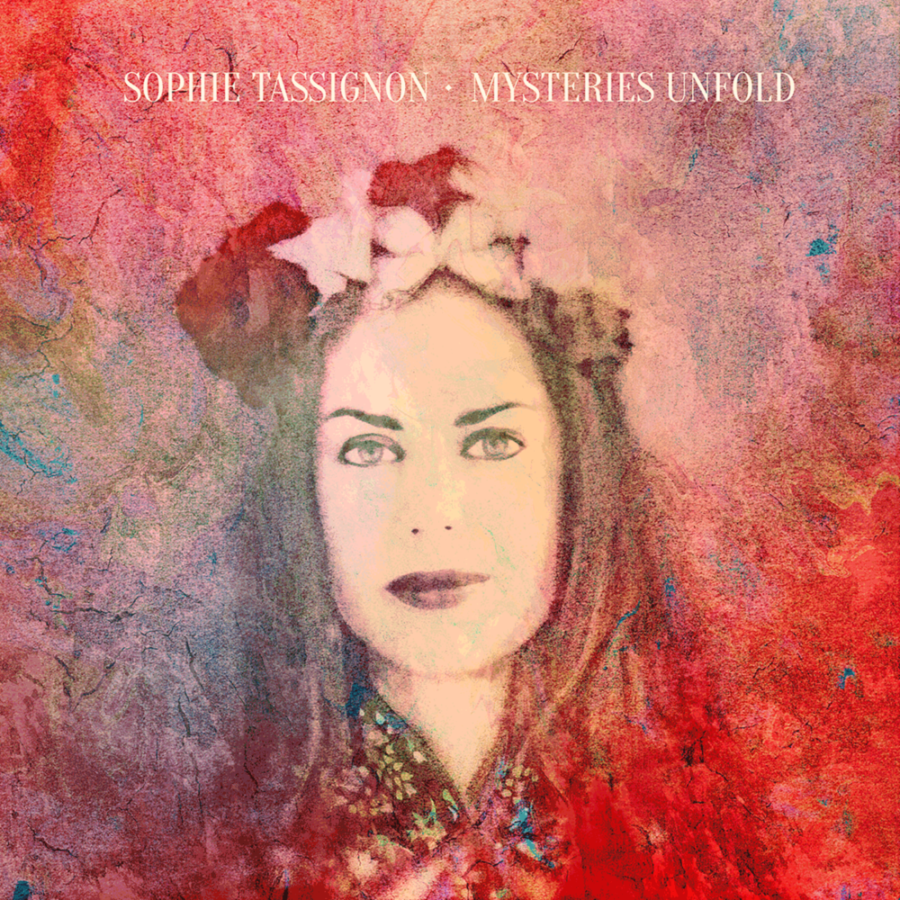
The Cover was designed by ROK, an artist living in Budapest. I really loved what he did for previous albums on RareNoise so I was very happy to work with him. I suggested Fernand Khnoppf as he’s one of my favourite artists. He’s Belgian which is a coincidence! So ROK decided to use a photo of me taken by Peter Van Huffel and did an amazing job reworking it joining the idea of Khnoppf’s mysterious painting style to the different layers and deapth of the album.
The conversation between Sophie Tassignon and IJ.Biermann, recorded in Berlin, April 2020, has been edited and condensed for clarity. more… »